
Wasted floor space from swinging doors can make a room feel cramped and limit your layout options. A pocket door is the perfect solution, sliding neatly into the wall.
A pocket door is best installed in an interior, non-load-bearing wall with enough width to accommodate the door. Common locations include bathrooms, closets, pantries, and laundry rooms where saving floor space is a top priority. Proper planning is essential to avoid structural issues.
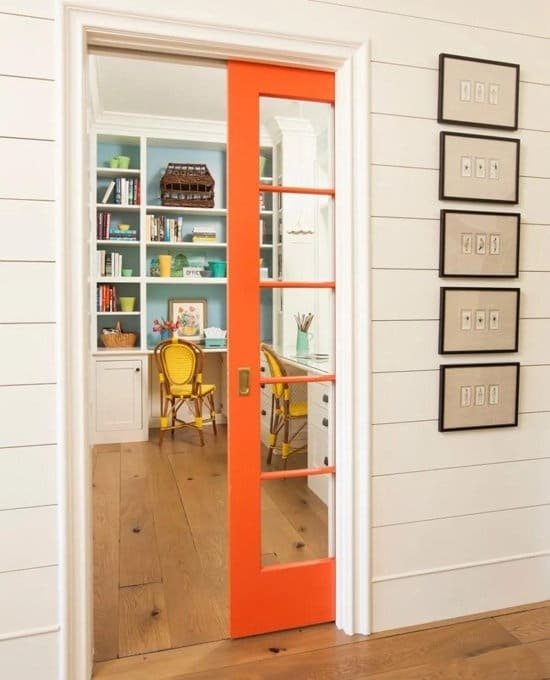
Pocket doors are one of my favorite ways to make a home more efficient. They are a smart design choice that can transform a space. As a manufacturer of sliding door hardware for years, I’ve supplied components for thousands of pocket door projects. I know what works and what doesn’t. You need to think about more than just the door itself. The wall you choose is the most important part of the puzzle. Let’s look at where you can install them and what you need to know before you start.
Where can pocket doors be installed?
You want to install a pocket door but are not sure where it will fit. Choosing the wrong spot could lead to big problems later. Identify these ideal locations first.
Pocket doors are perfect for areas where a swinging door is awkward or takes up valuable room. You can install them in small bathrooms, walk-in closets, home offices, and laundries. They are also great for separating larger living spaces without losing an open feel.

The beauty of a pocket door is its ability to disappear. This makes it a powerful tool for designers and builders. At my factory, we create the systems that make this happen, so I see all the clever ways our clients use them. The right location depends on your goal.
Maximizing Small Spaces
In tight areas like an ensuite bathroom, a walk-in closet, or a laundry room, every square foot counts. A traditional swinging door can eat up nearly 10 square feet of usable space. A pocket door gives that space back to you. This means more room for storage or just easier movement. When we design our roller systems1 at opensliding, we make sure they are durable enough for high-traffic areas. We even have options with corrosion-resistant coatings, which are perfect for humid environments like bathrooms.
Creating Flexible Living Areas
Pocket doors are not just for small rooms. They are also fantastic for creating flexible divisions in open-plan homes. Imagine being able to close off your kitchen from the dining room during a dinner party. Or separating a home office from the main living area when you need to focus. You can have an open, connected space when you want it and privacy when you need it. For these larger openings, you might use a heavier door. It’s important to choose hardware that can handle the weight. We produce heavy-duty track and roller systems1 specifically for this purpose.
Improving Accessibility and Style
Pocket doors offer a clean, minimalist look. When the door is open, it’s completely hidden, which many architects and designers love. This creates clean lines and an uncluttered feel. They also provide wider, clearer openings than hinged doors. This makes them a great choice for improving accessibility for people who use wheelchairs or walkers.
What is the disadvantage of a pocket door?
Pocket doors seem like a perfect space-saver, but maybe you’ve heard some horror stories. You might worry about difficult repairs or a weak wall. Understanding the drawbacks helps you prepare properly.
The main disadvantages are a complex installation that requires opening the wall, and the difficulty of repairs. The wall with the pocket is also weaker and cannot support heavy items like cabinets or grab bars.
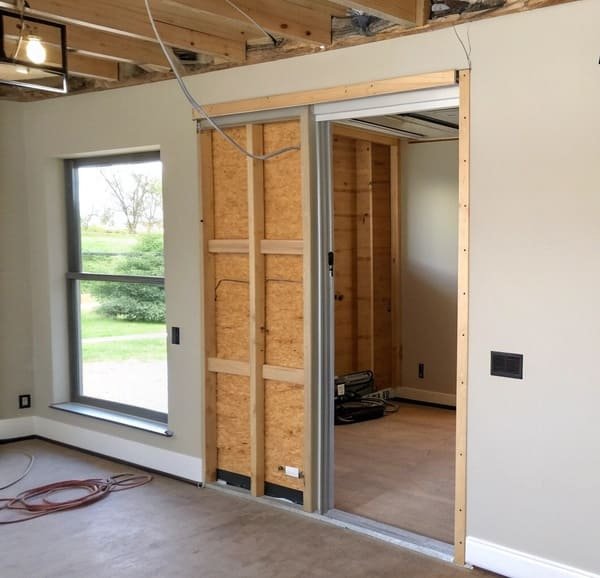
I’ve been in this business a long time, and I believe in being honest about a product’s limitations. A pocket door is a fantastic solution, but only if you go into it with your eyes open. Many of the problems people have with pocket doors come from two things: poor installation or low-quality hardware.
Installation and Repair Challenges
Installing a pocket door is not as simple as hanging a normal door. It involves opening up the wall, removing some studs, and fitting a special frame that holds the track and the door. If something goes wrong with the track or rollers later, you might have to open the wall again to fix it. This is the biggest fear for most people. The best way to prevent this is to invest in high-quality hardware2 from the start. Cheaper kits use flimsy tracks and plastic rollers that wear out. At opensliding, our systems are designed for longevity. We use solid steel or aluminum tracks and high-quality ball-bearing rollers that are tested for tens of thousands of cycles. A good hardware kit often allows you to remove the door and rollers without opening the wall.
Wall Integrity
The wall that holds the pocket door is hollow. This means it’s not as strong as a standard wall filled with studs. You cannot hang heavy items like a large mirror, kitchen cabinets, or a TV on this section of the wall. You also can’t place electrical outlets or light switches there. This requires careful planning during the design phase. A good pocket door frame kit3 will include steel-wrapped studs to add rigidity, but the limitations remain.
| Feature | Low-Quality Hardware | High-Quality Hardware (Like opensliding) |
|---|---|---|
| Rollers | Plastic, wears out quickly | Nylon or steel with ball bearings |
| Track | Thin, flimsy aluminum | Thick, extruded aluminum or steel |
| Operation | Bumpy, noisy, can jump track | Smooth, quiet, and reliable for years |
| Repairs | Frequent, may require wall removal | Rare, often serviceable without wall removal |
Can a pocket door go in any wall?
You have the perfect spot in mind for a pocket door, but you’re not sure about the wall itself. What if it’s a load-bearing wall or has pipes inside? Know these limits first.
No, a pocket door cannot be installed in just any wall. The wall must be a non-load-bearing interior wall. It must also be thick enough for the door and frame and be free of plumbing or electrical wiring.
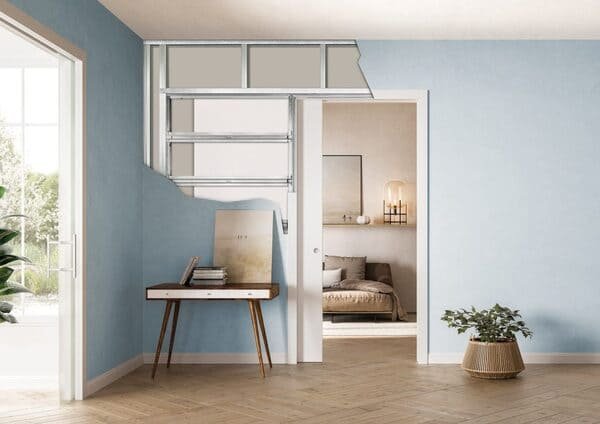
This is the most critical question a contractor or a purchasing manager like Jacky needs to ask. Putting a pocket door in the wrong wall can cause serious structural problems or be impossible due to obstructions. As a supplier, we always advise our clients to do a thorough check before ordering our kits.
Load-Bearing vs. Non-Load-Bearing Walls
First, you must determine if the wall is load-bearing. A load-bearing wall4 supports the weight of the floor or roof above it. A non-load-bearing wall4 just divides a space. Removing studs from a load-bearing wall4 to create the pocket can compromise your home’s structure. You can install a pocket door in a load-bearing wall4, but it is a much bigger job. It requires installing a strong header above the pocket to carry the load. This job must be designed by a structural engineer and done by a qualified professional. It adds significant time and cost. Most pocket doors are installed in non-load-bearing wall4s for this reason.
Wall Thickness and Obstructions
A standard interior door is 1-3/8 inches thick. To fit this door plus the pocket frame, you typically need a standard 2×4 wall (which is actually 3.5 inches deep). The pocket door frame5 replaces the vertical studs in the wall. You also need to check for what’s inside the wall. Look for plumbing pipes, air ducts, and electrical wires. You cannot have any of these running through the section of wall where the door will slide. Sometimes, these can be rerouted by a plumber or electrician, but this adds to the project’s complexity and cost. In an ideal scenario, as my insight suggests, the system is installed in a newly built wall. This gives you a clean slate and the best result.
Can I install a pocket door without removing drywall?
You love the idea of a pocket door but hate the thought of the mess and dust from removing drywall. The repair work seems like a huge and costly hassle. Is there an easier way?
No, a true pocket door cannot be installed without removing drywall from at least one side of the wall. The frame that holds the door must be installed inside the wall cavity.

This is a question I get a lot from clients who are planning renovations. They want the space-saving benefit but are worried about the disruption. While you can’t install a pocket door without opening the wall, you can get the same sliding function with a different type of product.
The Reality of an In-Wall System
A true pocket door6 slides inside the wall. To make that happen, you have to build a pocket for it. This involves removing the drywall, taking out the existing wall studs, putting in the new pocket door6 frame, and then putting new drywall over it. The frame itself becomes the new support structure for that section of the wall. There is simply no way to slide a frame and a door into a finished wall. The physics just don’t work.
The Perfect Alternative: Wall-Mounted Sliding Doors
If you want to avoid drywall work, the solution is a wall-mounted sliding door system7, often called a barn door. At opensliding, we manufacture a huge range of these systems. The track for a barn door is mounted on the outside of the wall, above the doorway. The door hangs from this track and slides along the face of the wall. Installation is much simpler, faster, and cleaner. This is a very popular choice for renovations.
Comparing Your Options
For purchasing managers and contractors, choosing the right system is a balance of aesthetics, function, and budget. Both solutions save floor space, but they do it in different ways.
| Factor | Pocket Door | Wall-Mounted Barn Door |
|---|---|---|
| Installation | Complex; requires removing drywall | Simple; mounts to wall surface |
| Aesthetics | Hidden hardware, minimalist look | Visible hardware, can be a design feature |
| Wall Space | Needs empty wall cavity | Needs clear wall space next to opening |
| Seal | Can seal doorway more tightly | Typically leaves a gap around the door |
| Best Use Case | New construction, gut renovations | Renovations, projects with limited disruption |
Conclusion
Pocket doors are excellent for saving space in the right locations, like bathrooms and closets. But remember that proper installation in a non-load-bearing wall is key for long-term success.
Learn about roller systems that ensure smooth operation and durability for pocket doors in high-traffic areas. ↩ ↩
Exploring this resource will help you understand the long-term advantages of investing in durable hardware for pocket doors. ↩
This link will provide insights on essential features to consider when selecting a pocket door frame kit for your project. ↩
Understanding load-bearing walls is crucial for safe renovations. This resource will help you identify and work with them effectively. ↩ ↩ ↩ ↩ ↩
Installing a pocket door frame can save space and enhance your home. Explore this link for detailed installation guidance. ↩
Learn more about pocket doors, their installation process, and why they might be the right choice for your space. ↩ ↩
Explore this link to understand the advantages of wall-mounted sliding doors, including ease of installation and aesthetic appeal. ↩