
Finding reliable Chinese hinge suppliers is tough. Poor quality and delays can cost you big. I’ll share my factory-insider tips to help you find the perfect partner for your projects.
To find a trustable Chinese hinge supplier, use B2B sites like Alibaba, visit trade shows, and search on Google for direct factories like us. Always request samples, check certifications, and verify their production capabilities to ensure you’re working with a legitimate and quality-focused manufacturer.
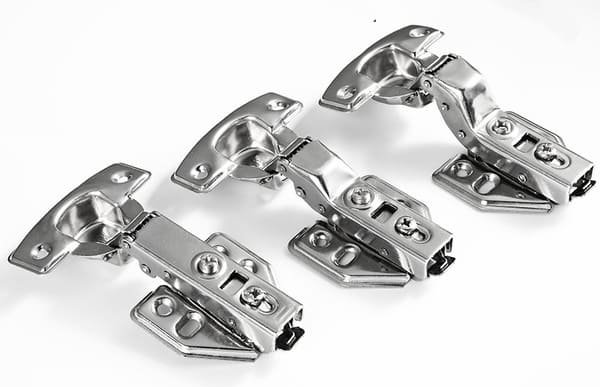
That first step is crucial, but it’s just the beginning. The real challenge is sorting the good suppliers from the bad ones. I’ve seen many buyers make simple mistakes that cost them dearly. Let’s walk through the details so you can choose your next partner with total confidence.
Which company is best for hinges?
Overwhelmed by countless hinge suppliers online? It feels impossible to know who is genuinely the best. Let me guide you to what "best" really means for your specific business needs.
The "best" hinge company is not one-size-fits-all. It’s the one that matches your specific needs for quality, price, customization, and reliability. Look for factories with a proven track record, good communication, and transparent processes, like us at Opensliding, who can meet your exact specifications.
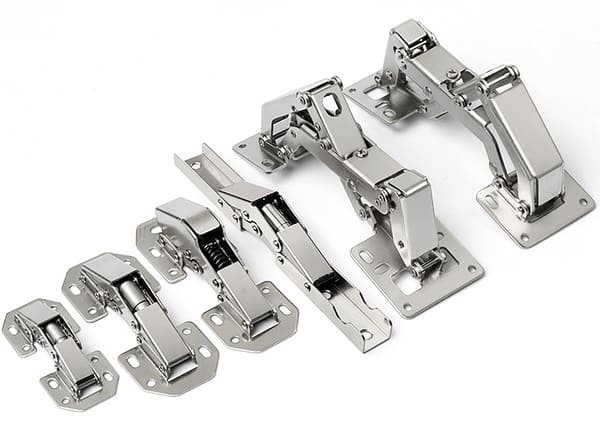
In my years of running a factory, I’ve learned that "best" depends on the buyer. A large contractor needs different support than a boutique furniture maker. The key is understanding who you are buying from.
Factories vs. Trading Companies
Your first choice is between a factory and a trading company. A factory like mine, Opensliding, manufactures the products directly. This means you get better prices, direct communication with the production team, and more control over quality and customization1s (OEM/ODM). Trading companies are middlemen. They can offer a wider variety of products from different factories but usually at a higher price and with less technical support. For a serious buyer like Jacky, working directly with a factory is almost always the better choice for cost and quality.
Defining Your "Best" Supplier
To find your best partner, create a checklist.
| Factor | What to Look For | Why It Matters |
|---|---|---|
| Communication | Fast, clear, and professional responses. | Poor communication leads to mistakes and delays. |
| Quality Control | Ask for their QC process and certifications (like ISO). | This proves they are committed to making good products. |
| Customization | Can they produce your LOGO or unique designs (ODM)? | Shows they have strong engineering capabilities. |
| Price | Reasonable and transparent pricing. | The cheapest is rarely the best. Look for good value. |
The best company is a partner who understands your needs and helps your business grow.
How do you know which hinges to buy?
Staring at a catalog of hinges feels confusing. Choosing the wrong type can ruin a finished product and your reputation. I’ll help you select the perfect hinge every time.
To know which hinges to buy, first define the application: cabinet, wardrobe, or main door? Then consider the door’s material, weight, opening angle, and special features like soft-close. Always match the hinge to the specific job for the best performance and durability.
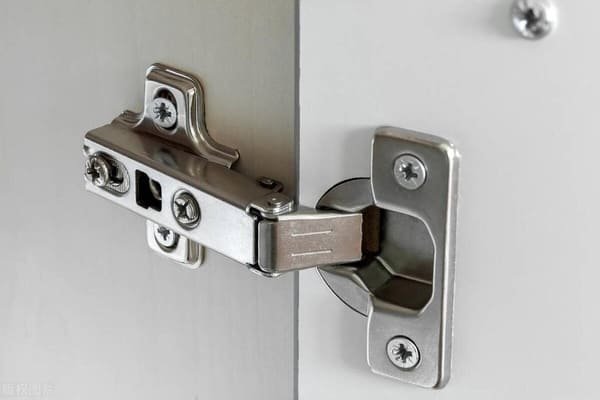
Choosing the right hinge is a technical decision, not just a style choice. A beautiful cabinet with the wrong hinges will fail quickly. Let’s break down how to make the right choice professionally.
Matching Hinge to Application
The first step is always the application. You wouldn’t use a cabinet hinge on a heavy entry door. As a manufacturer, we categorize our hinges by their intended use because it’s the most important factor. Think about the movement you need and the environment the hinge will be in. A bathroom hinge needs better rust resistance than a bedroom wardrobe hinge.
Here is a simple guide we use at my factory:
| Hinge Type | Best For | Key Feature |
|---|---|---|
| Concealed (Euro) Hinge | Modern kitchen cabinets, wardrobes | Invisible when the door is closed. |
| Butt Hinge | Standard interior/exterior doors | Strong, simple, and reliable for heavy use. |
| Pivot Hinge | Glass doors, unique architectural doors | Rotates on a single point at the top and bottom. |
| Soft-Close Hinge2 | High-end cabinets and furniture | Closes the door slowly and silently. |
Understanding Key Hinge Features
After you choose a type, look at the specifications. Load capacity3 is critical; the hinges must be able to support the door’s weight. Opening angle (e.g., 90°, 110°, 170°) determines how far the door can swing open. For cabinets, you also need to know the overlay, which is how much the cabinet door covers the cabinet frame. Getting these details right ensures a perfect fit and smooth function. At Opensliding, we always ask our clients for these details to supply the perfect hardware.
What is the rule for hinges?
Are you afraid of sagging doors or improper alignment? Incorrect hinge placement is a common and costly mistake. Learn the fundamental rules to get it right and avoid callbacks.
The main rule for hinges is using the right quantity and placing them correctly. Use two hinges for light doors, but add a third hinge for doors over 1.5 meters (60 inches) tall or heavy doors to prevent warping and ensure smooth, long-lasting operation.
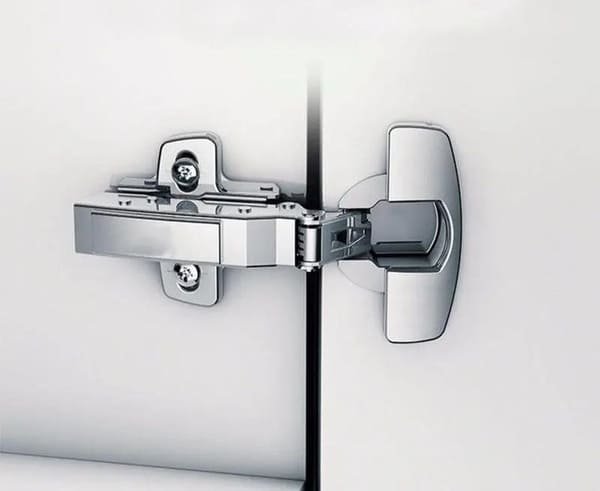
In our factory, we don’t just make hinges; we understand how they work. There are simple but firm rules that ensure a quality installation. Ignoring them leads to problems down the road for the end-user, which reflects poorly on you, the buyer.
The Rule of Quantity
The number of hinges you need depends on the door’s height and weight. A flimsy door with only two hinges when it needs three will sag over time. This is a simple physics problem. The middle hinge provides crucial support and prevents the wood or material from bowing.
Here’s the standard industry guide:
| Door Height | Door Weight | Number of Hinges4 |
|---|---|---|
| Up to 1.5m (60") | Under 20kg (44 lbs) | 2 Hinges |
| 1.5m – 2.3m (60"-90") | Up to 30kg (66 lbs) | 3 Hinges |
| Over 2.3m (90") | Over 30kg (66 lbs) | 4+ Hinges |
Always check the hinge manufacturer’s specifications, as load ratings can vary. At Opensliding, our heavy-duty hinges are designed for heavier and taller doors.
The Rule of Placement
Where you put the hinges is just as important. Incorrect placement puts stress on the door and frame. The standard rule is to place the top hinge about 12-18cm (5-7 inches) from the top of the door and the bottom hinge 25-28cm (10-11 inches) from the bottom. If you use a third hinge, it should be centered exactly between the top and bottom ones. This distribution of force ensures the door hangs straight and swings true for years.
What is the best type of hinge?
Is there really one "best" hinge for everything? This common myth leads to poor product choices. I’ll show you how to find the best hinge type for your specific project.
The "best" type of hinge depends entirely on the application. For modern kitchens, soft-close concealed hinges are best. For heavy-duty doors, ball-bearing butt hinges are superior. For sleek glass partitions, pivot hinges are the top choice. The specific function always determines the best type.
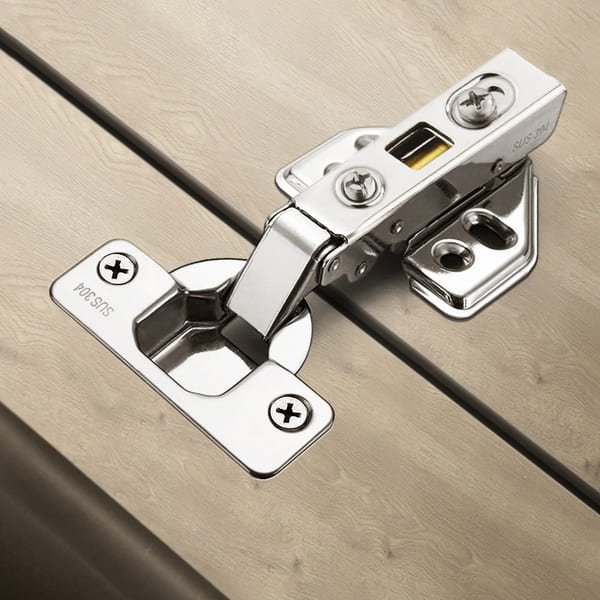
Buyers often ask me, "Evan, what is your best hinge?" I always reply, "Best for what?" A racing car tire is the best for a racetrack, but terrible for a farm tractor. The same is true for hinges. The goal is to match the hinge’s strengths to the demands of the job.
Comparing Hinge Features
Modern hinges come with amazing features. At Opensliding, our slow-close systems are incredibly popular. They prevent slamming, which protects the cabinet and is a sign of high quality.
Let’s compare some popular types:
| Hinge Type | Pros | Cons | Best For |
|---|---|---|---|
| Soft-Close Concealed5 | Silent closing, invisible, adjustable | More complex installation, higher cost | Premium kitchen cabinets, wardrobes |
| Ball-Bearing Butt Hinge | Very strong, durable, smooth action | Visible, less aesthetic for modern look | Heavy entry doors, commercial doors |
| Piano Hinge | Distributes weight along the entire length | Can be difficult to install straight | Toy chests, fold-down desks, tool boxes |
| SOSS (Invisible) Hinge | Completely hidden when closed | Requires precise routing, expensive | High-end custom doors, secret panels |
Comparing Hinge Materials
The material is another crucial factor. It affects strength, durability, and corrosion resistance. The most common material we work with is steel because it is strong and cost-effective. For applications in wet areas like bathrooms or coastal regions, Stainless Steel (Grade 304 or 316)6 is the best choice because it resists rust. Brass is also a good option for a classic look and natural rust resistance, but it is softer and more expensive than steel. When you select a supplier, make sure they offer the right materials for your market’s needs.
Conclusion
Choosing the right Chinese hinge supplier means doing your homework. Vet your partners, demand quality samples, and understand the product you need. This ensures strong partnerships and successful projects every time.
Exploring customization can reveal how tailored solutions enhance customer satisfaction and market competitiveness. ↩
Exploring the benefits of soft-close hinges can enhance your furniture’s usability and longevity. ↩
Understanding load capacity is essential for selecting the right hinge to ensure safety and functionality. ↩
Understanding the correct number of hinges is crucial for door stability and longevity. ↩
Explore the advantages of Soft-Close Concealed hinges to enhance your cabinet’s functionality and aesthetics. ↩
Learn why Stainless Steel is ideal for wet environments, ensuring durability and resistance to rust. ↩