
Is annoying outside noise coming through your sliding door, disrupting your peace? This problem can make your home feel less like a sanctuary. Simple, effective techniques can restore tranquility.
To improve a sliding door’s sound insulation, first seal all air gaps with high-quality weatherstripping and a door sweep. For greater noise reduction, add mass with soundproof curtains or blankets. For the best results, consider upgrading to double-glazed glass or a specialized soundproof door system.
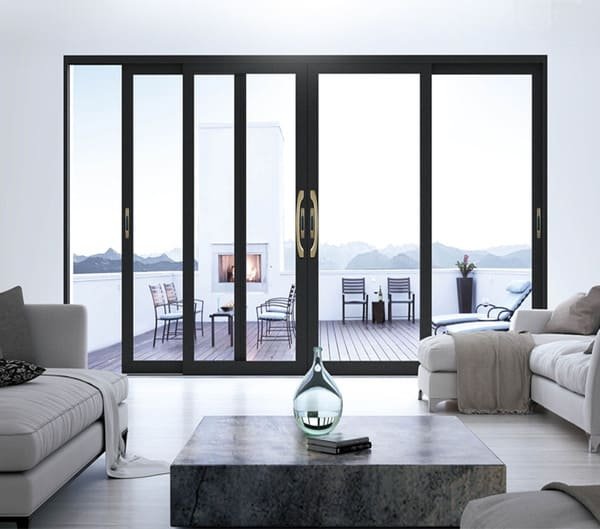
These are the core strategies, but real soundproofing means understanding exactly where the noise is coming from and which solution is right for your situation. As someone who manufactures the hardware that makes these doors work, I’ve seen countless projects succeed and fail based on these choices. Let’s dig into the details so you can get it right the first time and enjoy the quiet you deserve.
How to stop sliding door noise?
Are rattling, whistling, or street sounds coming from your door? These constant noises are distracting and can be very frustrating. Let’s look at the first steps to silence that door.
The most direct way to stop sliding door noise is by sealing the air gaps where sound travels. Apply high-quality sealing strips around the frame and install a door sweep at the bottom. This blocks the main path for sound and makes an immediate, noticeable difference.

Sound is lazy; it travels through the path of least resistance, which is almost always the gaps around your door. Even a tiny crack can let in a surprising amount of noise. The first step I always recommend to clients is a thorough inspection. Close the door and look for any visible light coming through the edges. Feel for drafts. These are your problem areas.
Your goal is to create a complete seal. This is where quality components matter. In my factory, we produce things like glass door rubber and brush strips designed for this exact purpose.
Sealing Materials Comparison
| Material Type | Effectiveness | Durability | Best For |
|---|---|---|---|
| Foam Tape | Good | Low | Quick, cheap fixes |
| Rubber Seals1 | Excellent | High | Frame perimeter, long-term use |
| Brush Strips | Very Good | Very High | Bottom sweep, high-traffic doors |
When installing, make sure the surface is clean and dry. A proper seal not only blocks sound but also improves energy efficiency2. It’s a simple fix with multiple benefits.
How to make your door soundproof?
So you’ve sealed the gaps, but some noise is still getting through. This can be discouraging, especially after you’ve put in the effort. Now, we need to add layers to block the vibrations.
To truly soundproof a door, you must add mass. The easiest way to do this is by hanging heavy, dense soundproof curtains or a specialized soundproof blanket over the door. These materials absorb sound waves, stopping them from vibrating through the glass and into your room.
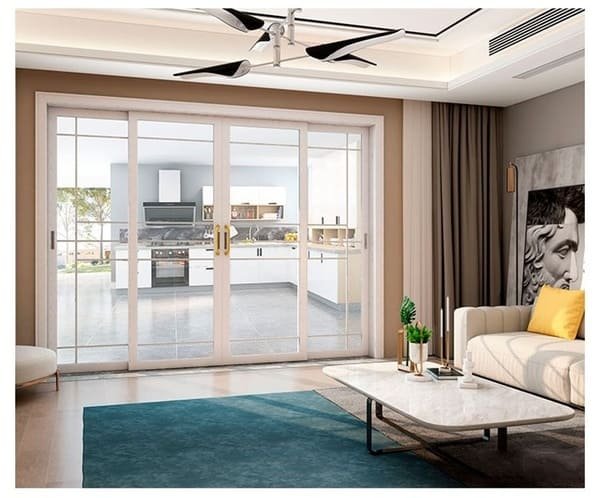
Think of it this way: sealing the gaps stops the airflow that carries sound, but adding mass stops the sound waves themselves. Glass is a solid surface, but it’s thin and vibrates easily, essentially turning your large glass door into a giant speaker cone for outside noise. By putting a heavy, dense barrier in front of it, you dampen those vibrations.
A regular curtain won’t do much. You need to look for items specifically marketed as "soundproof" or "acoustic" curtains. They are made with multiple layers of thick, tightly woven fabric. A professional trick I’ve seen on job sites is to use heavy moving blankets. They are not pretty, but they are incredibly effective and cheap. This is a great solution for renters or for situations where a permanent upgrade isn’t possible. Just remember, a heavy curtain adds weight, so ensure your sliding door rollers can handle it. Our heavy-duty systems are designed for this.
How to sound proof a balcony sliding door?
Your balcony offers a great view, but it also invites in all the city traffic and neighborhood noise. This can ruin the experience. The main culprit here isn’t the gaps; it’s the glass itself.
For a balcony sliding door, upgrading the glass is the most effective solution. Replace the single-pane glass with a double-pane or triple-pane insulated glass unit (IGU). The air or gas trapped between the panes effectively disrupts and dampens sound waves from passing through.
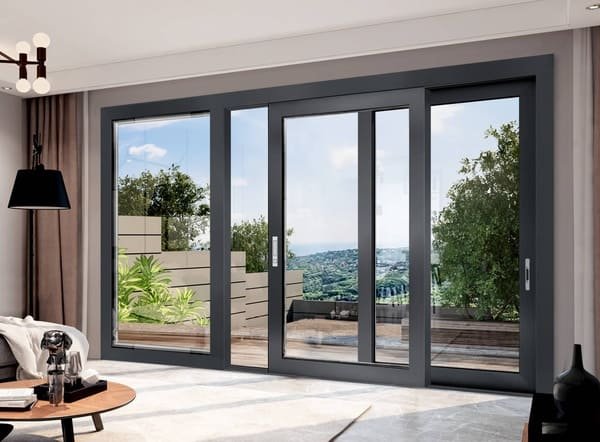
A standard single pane of glass has a very low Sound Transmission Class (STC) rating, meaning it blocks very little sound. Upgrading the glass is a more involved and expensive solution, but it provides the best results for a balcony door. When buyers like Jacky, a purchasing manager I often work with, need solutions for high-end residential buildings, we always discuss the glass type.
The hardware must be able to support the new, heavier glass. Our Partition Room Sliding Door Roller Systems are specifically engineered to carry the weight of insulated glass units without sacrificing a smooth glide.
Glass Types and Sound blocking
| Glass Type | Typical STC Rating3 | Description |
|---|---|---|
| Single Pane | ~27 | One layer of glass. Offers minimal sound insulation. |
| Double Pane (IGU) | ~34 | Two panes of glass with an air/gas gap. Good for traffic noise. |
| Laminated Glass4 | ~38+ | Two panes of glass bonded with a vinyl layer. Excellent for sound. |
Laminated glass, which is also used for car windshields, is the top choice for soundproofing. The soft inner layer is fantastic at dampening sound vibrations.
Can you get soundproof sliding doors?
You have tried the DIY fixes, but they just are not cutting it for your project. You need the best possible solution. The good news is, yes, specialized soundproof doors are available.
Absolutely. You can buy purpose-built soundproof sliding doors. These systems are engineered with laminated glass, acoustically insulated frames, and multiple layers of high-performance seals. They are tested and sold with a high STC rating that guarantees their performance against noise.
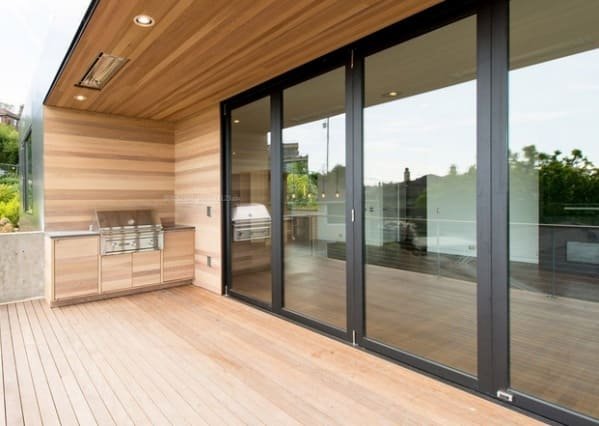
A true soundproof door is a complete system where every component is designed to block sound. The frame is often thicker and may be filled with insulation. It uses multiple sealing points, not just one. The glass will be either laminated or a specialized double-pane unit with panes of different thicknesses, which helps to block a wider range of sound frequencies.
As a factory owner, this is where our role becomes critical. The hardware—the rollers, track, and locking mechanisms—must integrate perfectly to create an airtight seal when the door is closed. Our lifting wheel systems, for example, slightly lift the door to roll smoothly and then drop it down into the seals when closed. This creates the compression needed for superior soundproofing. When a contractor is building a recording studio or a home near an airport, this is the level of quality they need. It’s a significant investment, but it delivers guaranteed quiet.
Conclusion
In summary, soundproofing a sliding door involves sealing gaps, adding mass with curtains, or upgrading the glass and door system itself. Combining these methods ensures a quiet and peaceful indoor environment.
Explore this link to understand how Rubber Seals can enhance durability and effectiveness in various sealing applications. ↩
Discover the connection between sealing and energy efficiency to learn how to save on energy costs and enhance comfort. ↩
Understanding STC Ratings is crucial for selecting the right soundproofing materials; this link will clarify its significance and application. ↩
Explore the advantages of Laminated Glass, especially its superior soundproofing qualities, to enhance your understanding of effective noise reduction. ↩