
Struggling to pick a kitchen sliding door width? A wrong choice can disrupt your space’s flow and look. Understanding the standard options makes the decision much easier for your project.
The best width for a kitchen sliding door often depends on your available space and needs. For a standard two-panel door, common widths are 60 inches (5 feet), 72 inches (6 feet), and 96 inches (8 feet). These sizes provide ample access and natural light for kitchens.
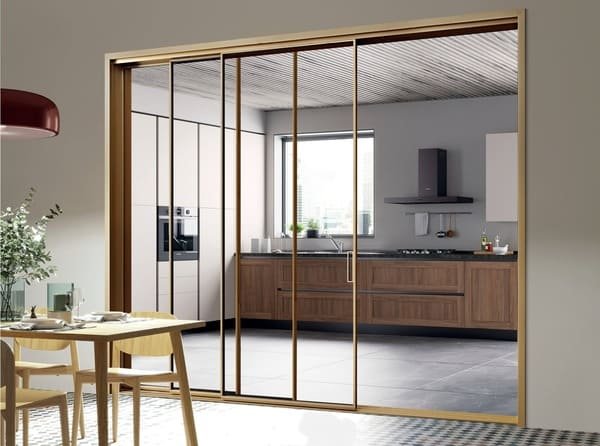
As a hardware manufacturer, this is one of the most frequent questions I get from purchasing managers and contractors. They need a clear answer to plan their projects and inventory. While there’s a "standard," the "best" width isn’t a single number. It involves considering the room’s function, the people using it, and the overall design goal. Let’s break down the details so you can make an informed choice for your next build or renovation.
How wide should a sliding door be?
Feeling uncertain about the correct sliding door width for your project? Guessing can lead to expensive mistakes and major installation headaches. Let’s review the standard dimensions to guide your choice.
Standard sliding doors, especially two-panel versions, are typically 60, 72, or 96 inches wide. The ideal width depends on the rough opening, expected foot traffic, and overall design. Always consider accessibility for a practical and functional space.
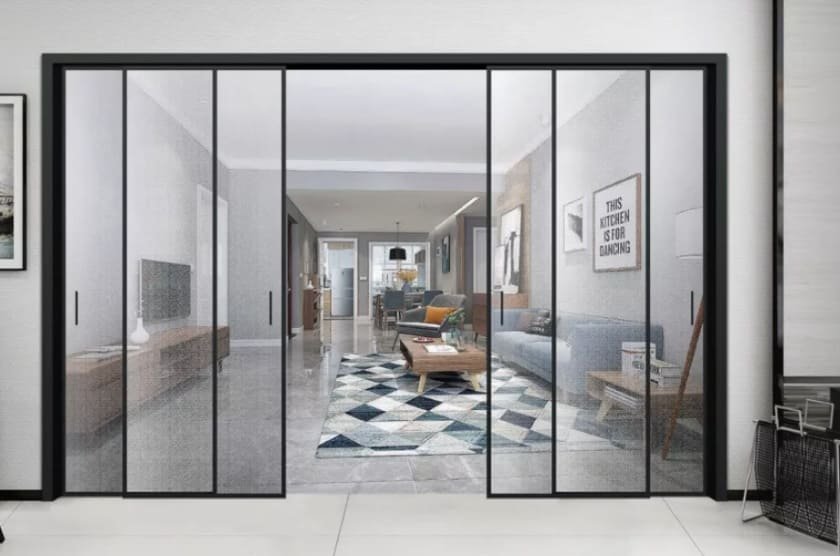
When I work with clients, I always emphasize that the final width depends on several key factors. It’s not just about picking a number from a catalog. You have to think about the entire system.
Key Factors for Determining Door Width
The width of the sliding door system is a critical decision. It impacts the look, feel, and function of the room. Here’s a breakdown of what you should consider:
- Rough Opening1: The single most important factor is the size of the hole in the wall. The door unit must be slightly smaller than the rough opening to allow for shimming and proper installation.
- Intended Use: A patio door needs to be wide enough for easy movement and for carrying things in and out. In contrast, an interior closet door can be much narrower. For a kitchen, wider is almost always better.
- Number of Panels2: More panels allow for a wider overall opening. A four-panel door can create a huge opening, effectively merging indoor and outdoor spaces. But remember, the more panels, the more complex the hardware system. We at opensliding provide reliable rollers and tracks for multi-panel configurations.
What is the preferred mostly recommended door width?
Looking for the most popular and reliable door width? Choosing an uncommon size can limit your options and increase costs. Let’s look at the industry’s go-to recommendation for most situations.
The most recommended width for a standard two-panel sliding door is 72 inches (6 feet). This size offers a great balance between providing a spacious walkthrough opening, allowing plenty of light, and fitting comfortably into many modern and traditional home designs.
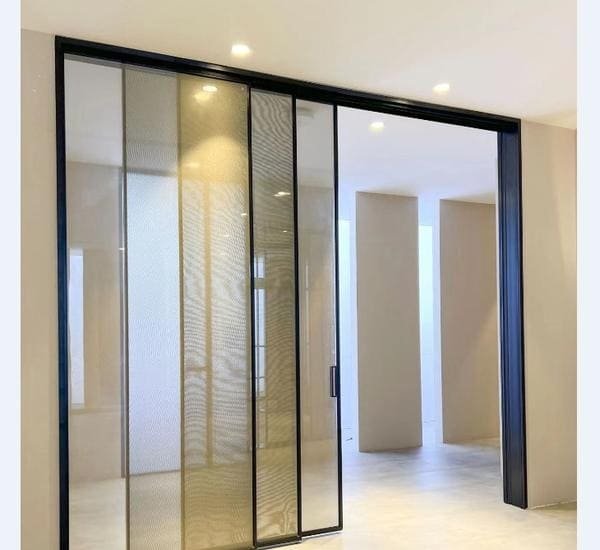
I often tell my customers, like Jacky, a purchasing manager from Canada, that the 72-inch width is a safe and smart bet. It’s a bestseller for a reason. It hits the sweet spot for functionality and availability.
Why 72 Inches is Often the Top Choice
When you source door hardware, you need sizes that sell consistently. The 72-inch (or roughly 1828 mm) door is a champion in this regard. Door manufacturers love it because it’s a versatile size that fits a wide range of architectural plans. For you, the purchaser, this means a steady supply chain and competitive pricing on hardware.
Here’s why it’s so popular:
| Feature | Advantage of a 72-Inch Width |
|---|---|
| Walkthrough Space | Provides a clear opening of about 34 inches, which is comfortable for passage and meets many accessibility standards3. |
| Natural Light | Offers a large glass area that makes rooms feel brighter and more spacious without overwhelming the wall. |
| Market Demand | This is a standard size for new construction and renovations, ensuring that hardware like rollers, tracks, and handles are readily available. |
| Cost-Effectiveness | As a mass-produced standard, the components for a 72-inch door4 are often more affordable than those for custom or oversized doors. |
This width simply works for most homes, making it the preferred choice for door factories and distributors aiming for high-volume sales.
What is the narrowest standard sliding door size?
Need a sliding door for a tight space? Forcing a large door into a small opening is impossible. Knowing the narrowest standard option can help solve your space-saving design challenges.
The narrowest standard width for a two-panel sliding door is typically 60 inches (5 feet). This size is an excellent solution for smaller patios, balconies, or interior rooms where a wider door is not practical but you still want the sliding function.

Sometimes, a project’s constraints mean you have to work with less space. I’ve had many clients in construction and renovation ask for reliable hardware for smaller openings. The 60-inch standard is the answer.
Understanding the 60-Inch Standard
While bigger is often better for main access points, the 60-inch (or 1524 mm) width serves a critical purpose. It brings the benefit of a sliding door5 to spaces that can’t accommodate a larger frame.
When to Use a 60-Inch Door:
- Small Patios or Balconies: In condos, apartments, or townhouses, outdoor space can be limited. A 60-inch door6 provides access without taking up valuable wall space.
- Secondary Entrances: For a back entrance to a kitchen or a door leading from a bedroom to a small deck, this size is perfectly adequate.
- Interior Room Dividers: When used inside, a 60-inch sliding door5 can separate a home office or den without the swing space required by a traditional door.
Even though it’s the narrowest standard, a 60-inch door6 still provides a clear opening of about 28 inches when one panel is open. This is sufficient for single-person access. For B2B purchasers, stocking hardware for this size is smart because it meets the needs of the compact housing market. Our factory produces high-quality, durable roller systems specifically designed for this common, smaller size.
What is the width of a standard sliding door in MM?
Sourcing products globally for your projects? Using inches can lead to confusion and costly errors with international suppliers. Let’s convert standard widths to millimeters for universal clarity.
For global sourcing and manufacturing, standard sliding door widths are expressed in millimeters. A 60-inch door is 1524 mm, a 72-inch door is 1829 mm, and a 96-inch door is 2438 mm. Using metric ensures precision.
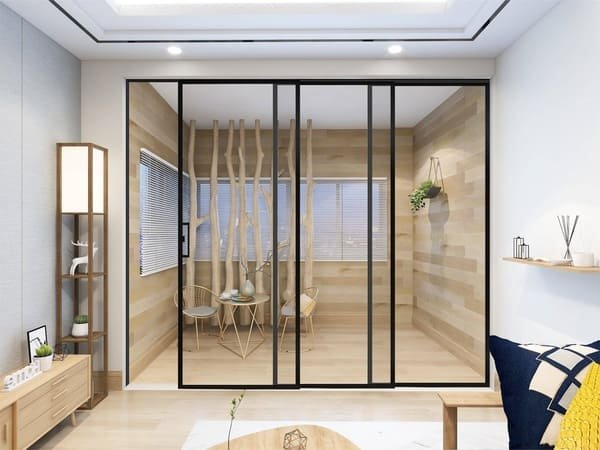
As an exporter, I communicate with clients worldwide. Using millimeters is a non-negotiable part of my job. It eliminates any chance of misunderstanding between my factory in China and a client in Canada, Europe, or anywhere else. Precision is everything in manufacturing.
Standard Imperial to Metric Conversion Table
When placing an order with a factory like opensliding, providing dimensions in millimeters (mm) is the professional standard. It ensures that the hardware you receive will match your door panels and rough openings exactly. Here is a quick reference table for the most common two-panel sliding door widths.
| Standard Imperial Width (inches)7 | Standard Imperial Width (feet) | Exact Metric Width (mm)8 | Commonly Rounded Metric Width (mm) |
|---|---|---|---|
| 60" | 5′ | 1524 mm | 1500 mm |
| 72" | 6′ | 1829 mm | 1800 mm |
| 84" | 7′ | 2134 mm | 2100 mm |
| 96" | 8′ | 2438 mm | 2400 mm |
| 108" | 9′ | 2743 mm | 2700 mm |
| 144" | 12′ | 3658 mm | 3600 mm |
Why the rounding? Door manufacturers often work with nominal sizes for simplicity. However, for hardware components like tracks and rollers, the exact measurement is critical. Always clarify with your supplier if they are using the exact or rounded number. I always confirm the precise technical drawings with my clients before production begins. This simple step prevents major problems down the line.
Conclusion
Choosing the right sliding door width involves balancing space, function, and standards. The 72-inch (1829 mm) door is often best, but other sizes have their place.
Understanding rough opening is crucial for proper door installation, ensuring a perfect fit and function. ↩
Exploring the impact of panel numbers can help you choose the best sliding door for your space and needs. ↩
Learn about accessibility standards to ensure your designs meet regulations and provide comfort for all users. ↩
Explore this link to understand the benefits and versatility of 72-inch doors in various architectural designs. ↩
Learn how sliding doors optimize space in small areas, making them ideal for modern living. ↩ ↩
Explore the advantages of 60-inch doors for compact spaces and how they can enhance accessibility. ↩ ↩
Exploring this topic can provide insights into how imperial measurements influence design choices and compatibility. ↩
Understanding the significance of exact metric widths can help ensure proper fitting and functionality of sliding doors. ↩