
Are your cabinet doors sagging or not closing correctly? This is a common problem, but finding the right replacement hinge can be confusing. Let me help you understand the basics.
A cabinet hinge is hardware that connects a door to the cabinet frame. The most common type today is the concealed hinge, also called a European hinge. It stays hidden when the door is closed, giving your cabinets a clean, modern, and seamless appearance.
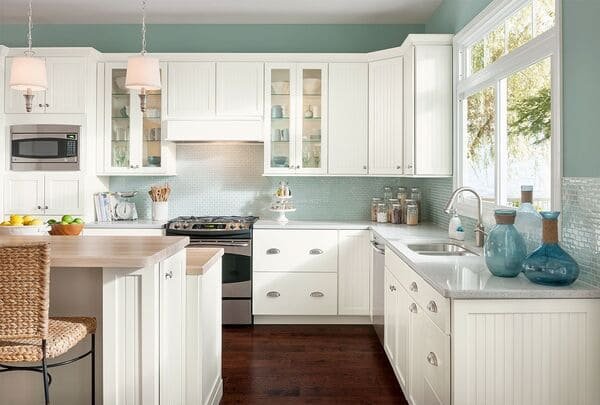
Knowing what a hinge is is just the first step. The world of hinges is full of different types, sizes, and features, each designed for a specific job. If you pick the wrong one, it can ruin the function and look of your entire project. It’s crucial to identify the exact hinge you need before you start. Let’s break down the different types and how they work, so you can make the right choice every time.
What are the common types of cabinet hinges?
You see hinges everywhere, but do you know the key differences? Choosing the wrong type can ruin the look and function of your beautiful cabinets. Let’s clarify the main categories.
Cabinet hinges are hardware that attach a door to a cabinet. The most popular modern type is the concealed or European hinge. These are favored because they are completely hidden when the door is closed, offering a sleek and seamless appearance for any design project.
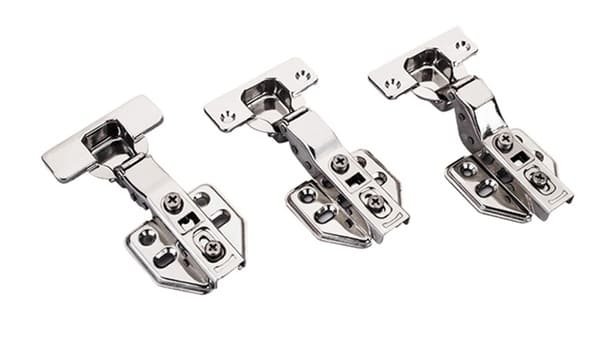
In my factory, opensliding, we produce a huge number of cabinet hinges. While many types exist, most of our B2B clients, from large furniture factories to construction contractors, primarily request concealed hinges. They offer great flexibility and a premium finish that end-users want. Even within this category, there are key differences based on how the door sits. This is called the "overlay." We help our clients choose the exact specifications they need for their production lines to ensure every cabinet is perfect. Understanding these types is the first step for any buyer.
Key Hinge Categories
| Hinge Type | Visibility | Common Application |
|---|---|---|
| Concealed (European)1 | Hidden when the door is closed | Modern kitchens, wardrobes, cabinets |
| Butt Hinge | The barrel is visible when closed | Traditional doors, some classic furniture |
| Surface Mount Hinge2 | Fully visible on the cabinet surface | Utility cabinets, rustic or industrial styles |
How does a cabinet hinge go on?
Installing cabinet hinges, especially concealed ones, can seem tricky. One wrong measurement can lead to misaligned doors that won’t close properly, causing major frustration and rework. Let’s simplify the process.
A concealed cabinet hinge attaches in two parts. A cup is set into a hole drilled in the back of the door, and a mounting plate is screwed onto the cabinet wall. The hinge arm then clips or screws onto the mounting plate, connecting the door securely.
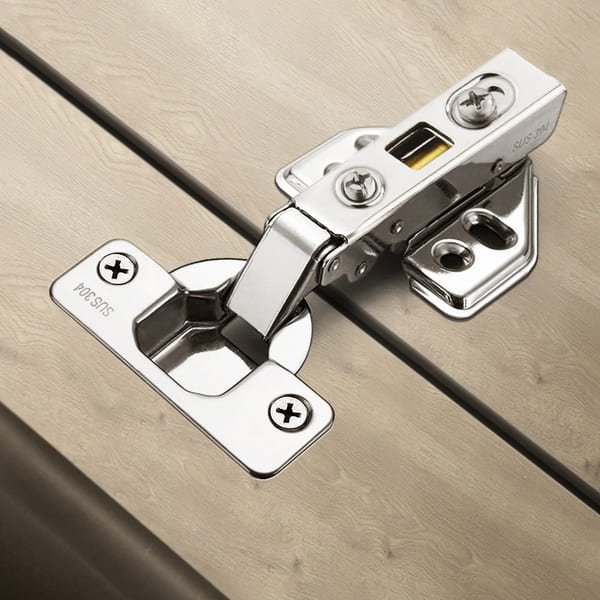
For our wholesale customers, precision and efficiency are everything. A furniture factory needs to install thousands of hinges perfectly every day. That’s why we supply hinges with clear specifications and design our products for easy installation. The process usually involves three main steps.
Hinge Installation Steps
- Drilling the Cup Hole: First, a circular hole is drilled in the back of the cabinet door using a special bit. The standard size is 35mm in diameter. The depth and distance from the door’s edge are critical for proper alignment.
- Attaching the Mounting Plate: Next, the separate mounting plate is screwed onto the inside wall of the cabinet frame. Its exact position determines how the door will hang, whether it covers the frame or sits inside it.
- Connecting and Adjusting: Finally, the hinge arm on the door connects to the mounting plate. The best feature, which we focus on in my factory, is the three-way adjustment. Screws on the hinge let you move the door up/down, in/out, and left/right. This allows for perfect alignment even if the initial measurements weren’t exact, saving huge amounts of time for installers.
What is the purpose of a hinge?
You might think a hinge just opens and closes a door. Thinking this way means you might miss out on advanced features that add huge value for your customers and set your products apart.
The primary purpose of a hinge is to act as a pivot, allowing a door to swing open and closed. Modern cabinet hinges also provide crucial support, ensure precise alignment, and can include features like soft-closing mechanisms for quiet, smooth operation.
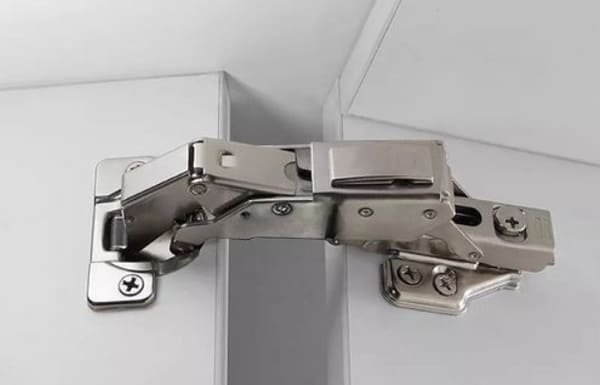
A hinge does much more than just swing. First, it provides support. The hinges must bear the entire weight of the door, day after day. For heavy or tall doors, heavy-duty hinges are essential to prevent sagging over time. Second, they provide advanced functionality. In my experience, soft-close is no longer a luxury; it’s a standard feature customers expect. We integrate high-quality dampers into our hinges to prevent doors from slamming shut. This adds a touch of quality and extends the life of the cabinet. Another function is defining the opening angle. A standard hinge opens to about 110 degrees. But for a corner cabinet with pull-out shelves, you might need a 170-degree hinge for full access. As a manufacturer, we produce a wide range of these options to meet any design need our B2B clients have.
What are the four styles of hinges called?
You need to order hinges, but the supplier asks for the "style." Using the wrong term can be a costly mistake, leading to a shipment of useless hardware and delaying your entire project.
While many hinge types exist, four common styles are the butt hinge, the concealed hinge, the full overlay hinge, and the inset hinge. The last two often refer to how concealed hinges mount, defining how the door sits in relation to the cabinet frame.
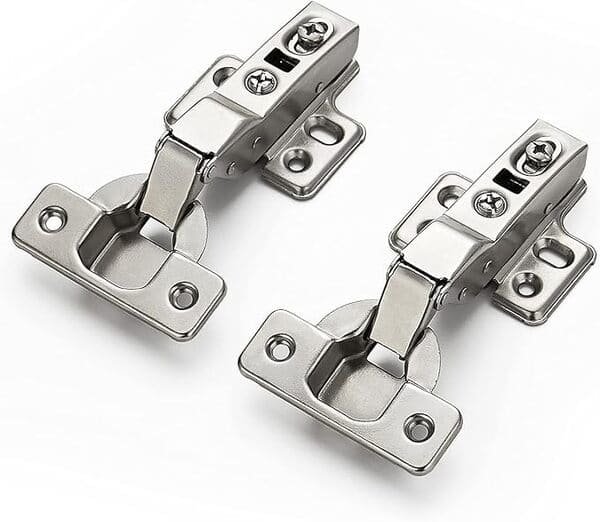
For a purchasing manager like Jacky in Canada, getting the terminology right is vital for sourcing from a factory like mine in China. It streamlines the whole process. When a client requests ‘full overlay hinges,’ I know exactly what they need for their production line. Let’s define these key styles.
Four Common Hinge Styles
- Butt Hinge: This is the classic style with two metal plates joined by a pin. You see it on most room doors. It’s simple and strong but not often used for modern frameless cabinets.
- Concealed Hinge3: Also called a European hinge, this is our main product at opensliding. It’s totally hidden when the door is closed and offers excellent adjustability, making it the standard for modern furniture.
- Full Overlay Hinge4: This is a type of concealed hinge. It’s designed to allow the cabinet door to completely cover the front edge of the cabinet box, creating a seamless bank of cabinets.
- Inset Hinge: This is another style of concealed hinge. It lets the door sit inside the cabinet frame, making it flush with the front. This style creates a very high-end, custom-built look but requires precise installation.
Conclusion
Choosing the right cabinet hinge is simple once you know the core types, installation method, and styles. The perfect hinge adds lasting value, function, and a quality feel to your project.
Explore this link to understand the advantages of Concealed hinges in modern design and functionality. ↩
Discover how Surface Mount Hinges can enhance utility cabinets and rustic styles in your projects. ↩
Explore this link to understand why concealed hinges are essential for modern furniture design, offering both aesthetics and functionality. ↩
Discover how full overlay hinges enhance cabinet design by providing a seamless look, perfect for contemporary spaces. ↩