
Struggling with cramped rooms where every inch matters? Traditional doors eat up valuable floor space, making your layout feel awkward and limited. Sliding doors offer a sleek, space-saving alternative.
The main role of a sliding door is to save space and improve functionality. Unlike swinging doors, they glide along a track, creating seamless transitions, enhancing natural light, and making rooms feel larger and more open. They are a versatile solution for both aesthetics and practicality.
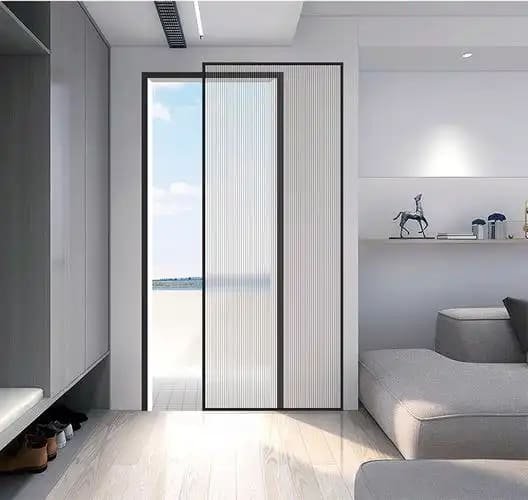
It’s easy to see why sliding doors are a popular choice in modern design. They look clean and minimalist, and their space-saving ability is a huge selling point. But I’ve found in my years of manufacturing hardware for these systems that their role goes much deeper than just looking good. Choosing the right door, and more importantly, the right hardware, can completely change how a space feels and functions. Let’s explore the specific purposes, the principles behind how they work, and even the deeper meanings people associate with them.
What is the purpose of a sliding door?
Are you trying to make a small area functional or open up a large commercial space? Clunky, swinging doors can block movement and light, making your design less efficient and practical.
The main purpose is to save space by sliding along a wall instead of swinging open. They also enhance natural light, improve foot traffic flow, and offer flexible ways to divide or connect rooms, depending on your needs.
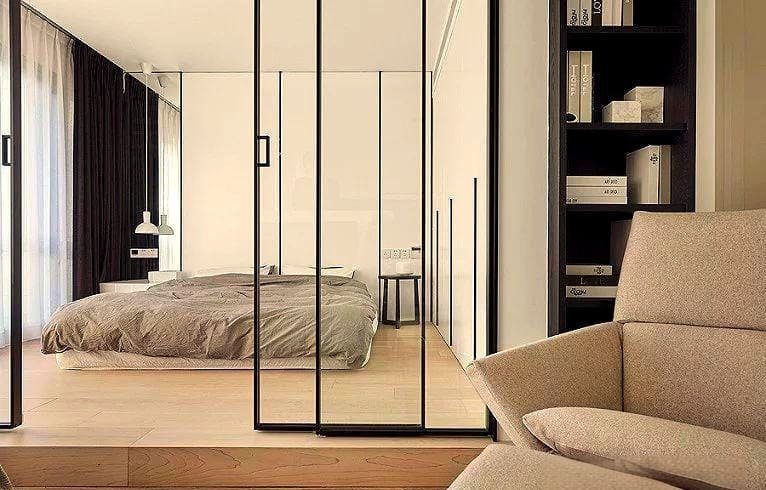
As someone who manufactures the hardware that makes these doors work, I see firsthand the problems my clients are trying to solve. They come to me from all over the world, from door factories to construction contractors, all looking for smart solutions. The purpose of a sliding door really boils down to what problem you need to fix.
Space Optimization
This is the most obvious purpose. A standard door needs a clear swing path, which is often dead space. Sliding doors eliminate this. All they need is some clear wall space to slide along. In my factory, we produce countless wardrobe sliding wheel systems for this very reason. It allows for a bigger bed or more floor space in a small bedroom. The same goes for ensuite bathrooms or pantries where every square foot is precious.
Enhancing Light and Views
Large glass sliding doors1 are a game-changer for connecting a room to the outdoors. They act like a movable wall of windows. This floods a space with natural light2, which is proven to make people feel better and more productive. For commercial clients, like restaurant owners, this creates a more inviting atmosphere for customers. For a home, it connects the living room to the garden.
| Purpose | Application Example | Key Benefit |
|---|---|---|
| Space-Saving | Wardrobe doors, ensuite bathrooms | Maximizes usable floor area. |
| Room Division | Dividing a living room and dining area | Creates flexible, multi-functional spaces. |
| Indoor-Outdoor Flow | Patio doors, balcony access | Connects interior with the exterior seamlessly. |
| Aesthetic Appeal | Barn doors, frosted glass partitions | Adds a modern or rustic design element. |
What is the moral of sliding doors?
Have you ever wondered how one small choice can change everything? The movie ‘Sliding Doors’ explored this. In design and business, a single decision can also have a huge impact.
The moral, inspired by the movie, is that small, seemingly insignificant choices or moments can create vastly different outcomes. It’s about the power of small changes to open up entirely new opportunities and paths.
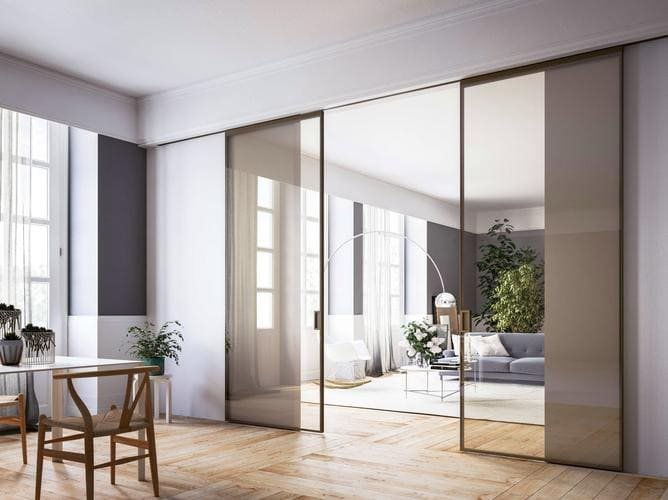
This idea really resonates with me, not just because I work with doors, but because it applies so much to business. It’s a concept I often discuss with purchasing managers like Jacky from Canada, who are always weighing small decisions that have big consequences.
The "What If" in Design and Hardware
In a project, the choice between a swing door and a sliding door is a "sliding doors3" moment. "What if" you use a sliding door? Suddenly, you have more options for furniture placement. The room feels bigger. More light comes in. The whole feel of the space changes. But it goes deeper. The choice of hardware is another one of these moments. If you choose a cheap, noisy roller, the door becomes an annoyance. The opportunity is lost. But if you choose a quality soft-closing mechanism4—like the ones we focus on at opensliding—you elevate the entire experience. The door becomes a quiet, high-end feature. A small choice in hardware defines the final quality.
A Metaphor for Business Decisions
For a buyer, choosing a supplier is the ultimate "sliding doors3" moment. You can choose a supplier based only on the lowest price, but that path might lead to delays, poor quality, and customer complaints. Or, you can choose a reliable manufacturing partner. This path leads to on-time delivery, consistent quality, and a smooth, profitable project. The initial decision—which email to respond to, which factory to audit—seems small, but the downstream effects are enormous. It’s about opening the right door to build a better business.
What does the saying "sliding doors" mean?
People often use the phrase "a sliding doors moment," but do you know what it really means? Misunderstanding it can make you miss the point about chance and consequence in life or business.
The saying "sliding doors" describes a pivotal moment where a minor event results in a significant change in the future. It highlights how different paths in life can hinge on small, seemingly random junctions and choices.
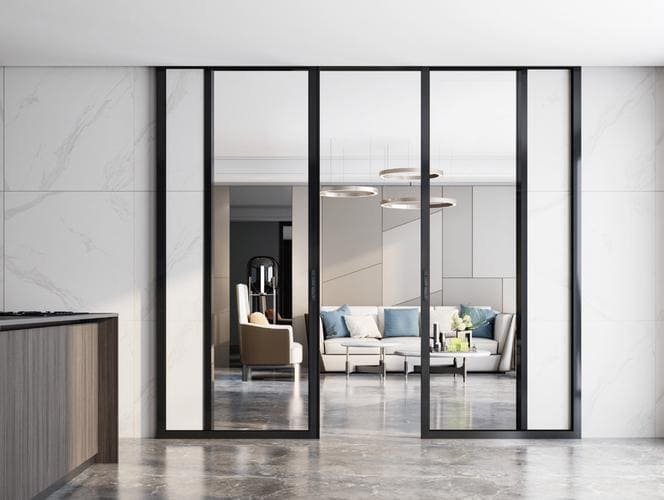
I find this concept fascinating because it happens all the time in the B2B world. It’s not just about fate; it’s about recognizing and acting on small opportunities that present themselves every day.
From Film to Common Phrase
The saying became popular after the 1998 movie Sliding Doors. In the film, a woman either catches her train or misses it by a few seconds. We then watch her life unfold in two completely separate timelines, all based on that one small event. This idea of two parallel realities based on a single moment was so powerful that "sliding doors moment5" became a common phrase for a fork in the road, where chance plays a big role. It’s a moment that could easily go either way, but the consequences are huge.
Recognizing "Sliding Doors" Moments in Procurement
For a purchasing professional, these moments happen constantly. It could be deciding to attend a trade show in Guangzhou6, where you meet a new supplier like my company, opensliding. It might be requesting a sample of a new linkage door system instead of just re-ordering the same old product. That one sample request could lead to a best-selling new furniture line for your company. Even something as simple as deciding to open an email from evan@opensliding.com instead of deleting it can be a "sliding doors moment5." It could be the start of a long-term partnership that improves your product quality and cost-effectiveness. The key is to be open to these small junctions, because they often lead to the biggest opportunities.
What is the principle of a sliding door?
You know sliding doors save space, but have you ever thought about how they actually work? Not understanding the mechanics can lead to choosing the wrong system for your project’s needs.
The principle is simple: doors move horizontally along a fixed track using rollers. The door panel has wheels that either hang from a top track or sit on a bottom track, allowing it to glide.
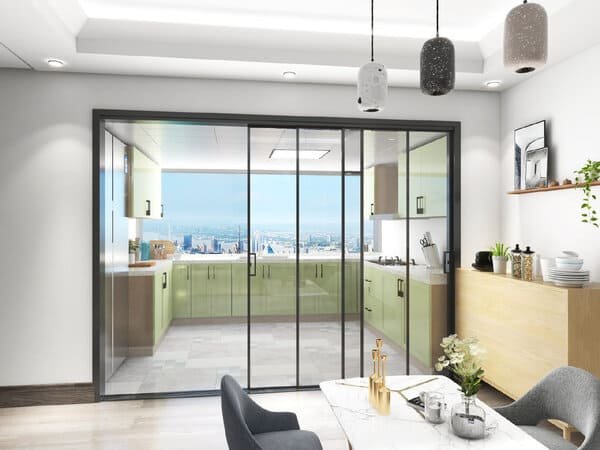
As a factory owner, this is where I get to geek out. The principle might be simple, but the quality of the execution makes all the difference. A door is only as good as the hardware it runs on. Let’s break down the mechanics.
The Core Components
Every sliding door system is made of a few key parts. The quality of each part is critical.
- Track/Rail7: This is the path the door follows. We manufacture these mostly from high-quality aluminum, as it’s strong, light, and resists rust.
- Rollers/Wheels8: This is the heart of the system. In my factory, we make everything from heavy-duty lifting wheels for huge partition doors to tiny, silent wheels for cabinet doors. The precision of the bearings and the quality of the material (like durable nylon) determine how smoothly and quietly the door operates for years.
- Stops & Guides9: These small parts are also crucial. A floor guide keeps the door from swinging, and track stops prevent it from slamming or sliding off the end of the rail.
Top-Hung vs. Bottom-Rolling Systems10
There are two main types of systems, and choosing the right one is important. I always advise my clients to consider the door’s weight and the structure of the building.
| System Type | How it Works | Pros | Cons |
|---|---|---|---|
| Top-Hung | Rollers are on top; the door hangs from an upper track. | Cleaner look (no floor track), very smooth operation. | Requires strong overhead support (wall or ceiling). |
| Bottom-Rolling | Rollers are on the bottom; door runs on a floor track. | Good for very heavy doors, no structural load above. | The floor track can collect dirt and be a trip hazard. |
At opensliding, we provide complete hardware kits for both systems. Whether a client needs a sleek top-hung system for a glass partition or a heavy-duty bottom-rolling system for an industrial door, we have a solution that is both high-quality and cost-effective.
Conclusion
Sliding doors do more than just save space; they are versatile, functional solutions. Understanding their purpose, principle, and even their cultural meaning helps you make the best choice for any project.
Explore how sliding doors can enhance your home’s design and functionality, maximizing space and light. ↩
Discover the positive impacts of natural light on well-being and productivity, essential for creating inviting spaces. ↩
Explore the advantages of sliding doors, including space efficiency and aesthetic appeal, to enhance your design choices. ↩ ↩
Learn how a soft-closing mechanism can elevate your door experience, providing quiet operation and a touch of luxury. ↩
Understanding ‘sliding doors moments’ can help you recognize pivotal opportunities in your life and career. ↩ ↩
Exploring trade shows in Guangzhou can reveal valuable networking opportunities and insights into new suppliers. ↩
Explore this link to understand why aluminum is the preferred material for sliding door tracks, ensuring durability and performance. ↩
Learn about the critical role of rollers in sliding door systems and how they impact smooth operation and longevity. ↩
Discover the importance of stops and guides in maintaining the safety and functionality of sliding doors. ↩
Gain insights into the pros and cons of each system type to make an informed decision for your sliding door needs. ↩