
Choosing the wrong drawer slide can lead to wobbly, sticking drawers. This frustrates users and hurts your product’s reputation. Understanding the types ensures you always pick the perfect hardware.
Drawer slides are mechanisms that allow drawers to open and close smoothly. The main types are ball-bearing, undermount, side-mount, and center-mount. Each has different load capacities and features like soft-close, designed for various applications from kitchen cabinets to office furniture.
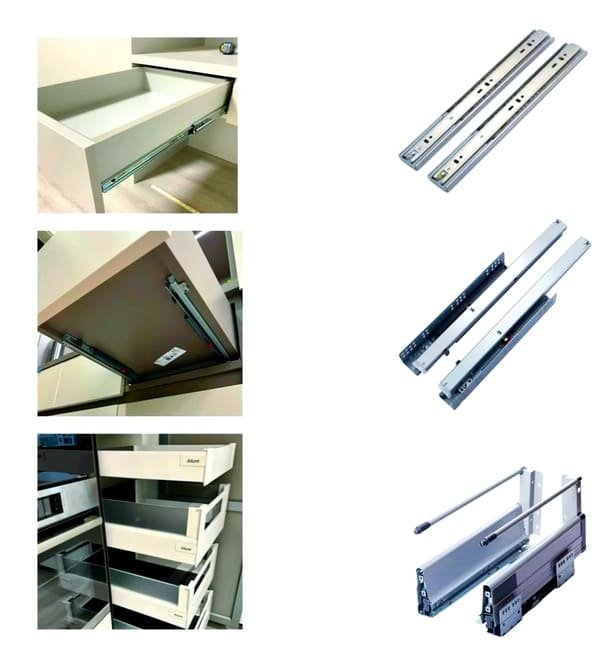
Finding the right drawer slide is crucial for any project, whether you’re building high-end kitchen cabinets for a client or outfitting a new office complex. In my years running a hardware factory, I’ve seen how this small component can make or break the final product’s quality and user experience. It’s not just about a drawer opening; it’s about how it feels, how it sounds, and how it holds up over time. Let’s dig into the details to make sure you get it right every time.
What Are the Three Main Types of Drawer Slides?
It’s easy to get lost in all the technical terms for drawer slides. This confusion can lead to ordering a product that doesn’t fit your needs. I’ll simplify it for you.
The three most common types of drawer slides are ball-bearing slides, roller slides, and undermount slides. Ball-bearing slides offer smooth motion and high durability. Roller slides are a cost-effective choice for basic applications. Undermount slides are hidden for a clean, modern look.
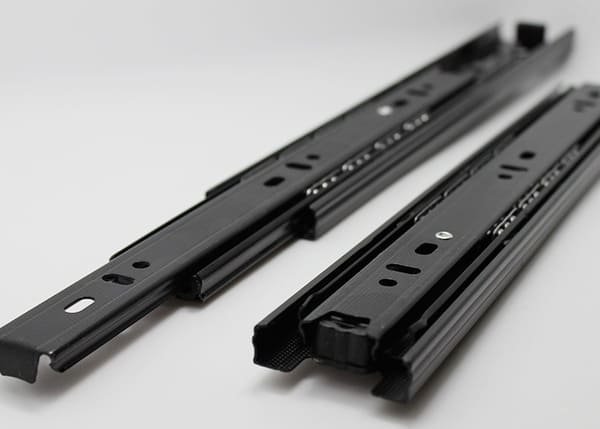
Each type of slide has its own place in furniture and cabinet making. As a manufacturer, I work directly with purchasing managers like Jacky, who need to balance cost, quality, and aesthetics for their company’s products. The choice often comes down to the intended market for the final piece of furniture. For premium lines, the smooth feel of a ball-bearing or the clean look of an undermount slide is essential. For more budget-focused projects, a reliable roller slide gets the job done without breaking the bank. Understanding these core types is the first step in making a smart purchasing decision.
A Closer Look at the Main Types
Let’s break down these three categories so you can see which is best for your specific needs.
| Slide Type | Key Feature | Best For |
|---|---|---|
| Ball-Bearing Slides1 | Extremely smooth motion and high load capacity. | Heavy-duty applications like kitchen pot drawers, tool chests, and office file cabinets. |
| Roller Slides | Economical and easy to install. | Light-duty residential use, such as bedroom dressers and basic cabinets. |
| Undermount Slides2 | Completely concealed when the drawer is open. | High-end, modern cabinetry where a clean, hardware-free look is desired. |
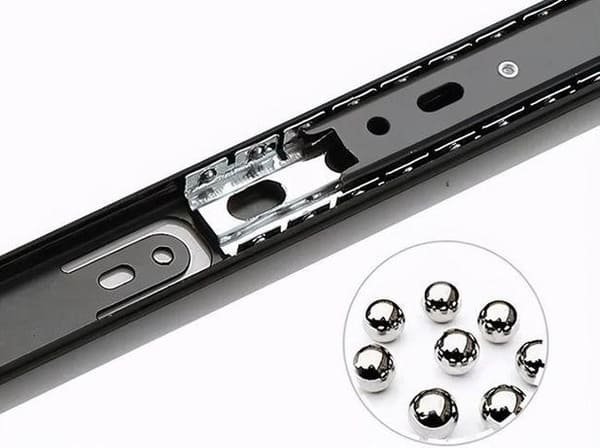
Ball-bearing slides use steel ball bearings housed in a channel to provide a fluid, quiet motion. They typically offer full extension, meaning the entire drawer box can be pulled out of the cabinet. At my factory, these are our top sellers for clients who prioritize quality and durability.
Roller slides, on the other hand, use nylon or plastic wheels that roll in a track. They are a simpler mechanism and usually only offer 3/4 extension. While not as smooth or durable as ball-bearing slides, their low cost makes them a popular choice for large-scale, price-sensitive projects.
Finally, undermount slides mount to the bottom of the drawer box instead of the sides. This makes them invisible, creating a sleek, high-end appearance. They often come with soft-close features and are the go-to for modern, frameless cabinet designs.
How Do I Know What Kind of Drawer Slides I Need?
Worried about making a costly purchasing mistake? Picking the wrong slide means wasted time, money, and materials, which is something no contractor or factory manager can afford.
To choose the right drawer slide, you must consider four key factors: the load capacity (drawer weight), the required extension, the mounting type (side, center, or undermount), and any special features you want, like soft-close or push-to-open.
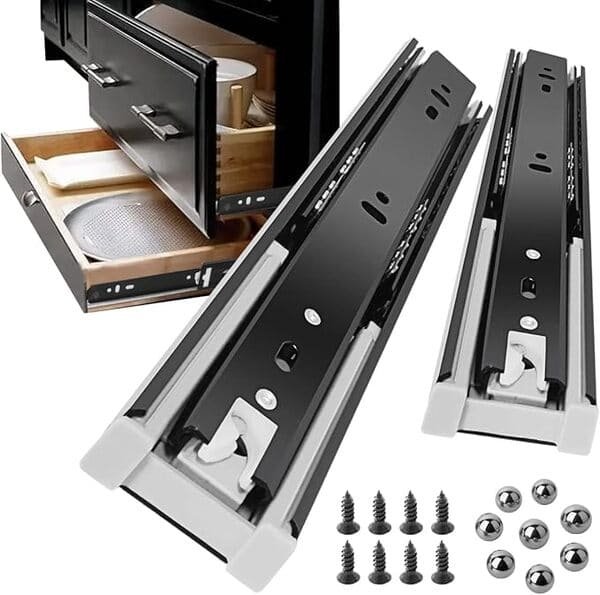
When a client contacts me, these are the first questions I ask. The needs for a small bathroom vanity are completely different from those for a commercial kitchen’s pantry drawers. Getting these details right from the start prevents headaches down the line. It ensures the hardware you order will not only fit perfectly but also perform flawlessly for years to come, protecting your reputation for quality work. Let’s walk through how to evaluate each of these factors for your next project.
Making the Right Choice
To make a confident decision, you need to break down your project’s requirements.
1. Load Capacity3
First, estimate the total weight the drawer will hold. A drawer for office files or kitchen pots and pans needs a heavy-duty slide with a high load rating (often 100 lbs / 45 kg or more). A slide for a small bedside table drawer might only need a light-duty rating. Always choose a slide that can handle more weight than you expect. This is a common topic I discuss with purchasing personnel; over-engineering slightly on load capacity is a smart investment in product longevity.
2. Extension Length4
Next, decide how far you want the drawer to open.
- 3/4 Extension: The slide allows the drawer to open about 75% of its depth. This is a common, cost-effective option for many applications.
- Full Extension: The slide allows the entire drawer box to pull clear of the cabinet, providing full access to its contents. This is standard for kitchen drawers and file cabinets.
- Over-Travel: The slide allows the drawer to extend even further out from the cabinet. This is useful when there is a countertop or other obstruction blocking access.
3. Mounting Type
Finally, look at the cabinet construction.
- Side-Mount: The most common type. Slides are attached to the drawer box sides and the cabinet’s interior walls. You need about 1/2 inch of clearance on each side.
- Undermount: Slides are attached to the cabinet and lock into clips on the underside of the drawer box. They are invisible and require specific clearances at the bottom and back of the drawer.
- Center-Mount: A single slide is mounted under the center of the drawer. This is less common and typically used for very light-duty applications.
By answering these three questions, you can quickly narrow down the options and find the perfect slide.
What Is the Difference Between a Drawer Glide and a Drawer Slide?
Are "glide" and "slide" just different words for the same thing? This simple terminology confusion can sometimes lead to ordering errors or miscommunications with suppliers. Let’s clear this up.
The terms "drawer glide" and "drawer slide" are now used almost interchangeably. However, "slide" is the modern industry standard for mechanical systems with ball bearings or rollers. "Glide" can sometimes refer to older, simpler systems, like a wooden rail.
In my business, we deal with buyers from all over the world. While the language varies, the hardware they need is almost always a modern drawer slide. When a purchasing manager asks for "glides," I usually ask a follow-up question to clarify. I want to make sure they’re getting the high-performance, precision-engineered products my factory produces, not a simple piece of wood. For any professional project today, you are almost certainly looking for what the industry calls a "drawer slide."
Traditional vs. Modern Terminology
The difference really comes down to history and technology.
| Aspect | Drawer Glide (Traditional)5 | Drawer Slide (Modern)6 |
|---|---|---|
| Mechanism | Simple wood or plastic rail; friction-based. | Complex mechanical system with ball bearings or rollers. |
| Material | Often wood, sometimes simple plastic. | Steel, often with zinc plating or stainless steel options. |
| Motion | Can be sticky; relies on friction. | Very smooth, quiet, and low-friction motion. |
| Features | None. It is a basic guide. | Offers full extension, soft-close, push-to-open, and high load capacities. |
Historically, a "glide" was just that—a track that a drawer would glide along. The most basic form is a wooden drawer box with a groove that fits over a wooden rail inside the cabinet. There are no moving parts, just wood-on-wood contact. This is simple and can last a long time, but the motion is not smooth and is heavily affected by humidity.
Today, "drawer slide" refers to the telescoping metal mechanisms we’ve been discussing. These products are engineered for performance. They use ball bearings or rollers to eliminate friction, allowing heavy drawers to open with a gentle push. When you call me at opensliding.com to buy hardware for your furniture factory, you are buying drawer slides. It’s the standard term for a reliable, modern solution.
What Are European Style Drawer Slides?
You may have heard the term "European style" in cabinet design, but what does it mean for drawer slides? This is a key term, especially if you’re working with modern, frameless cabinetry.
European style drawer slides are hardware designed for a clean, minimalist aesthetic, typical of modern European kitchen design. They are almost always concealed from view, with undermount and sleek side-mount slides being the most common types.
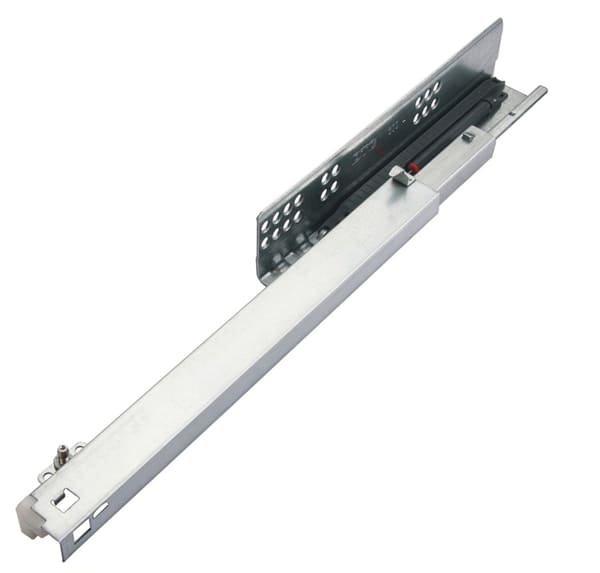
Frameless cabinets are the standard in Europe and are becoming incredibly popular worldwide. They offer full access to the cabinet interior without a face frame in the way. European slides are built specifically for this construction. At my factory, we produce a huge volume of these for clients in the furniture and construction industries. They know that using this style of hardware gives their products a premium, high-end feel that end customers are looking for.
The Hallmarks of European Slides
What makes a slide "European" is its focus on a seamless look and advanced functionality.
1. Concealed Hardware6
The primary goal is to hide the hardware. Undermount slides are the most popular choice for this. They mount to the underside of the drawer, making them completely invisible when the drawer is open. This creates a floating, clean look that highlights the craftsmanship of the cabinetry itself, not the metal slides holding it up. Some sleek side-mount slides are also used in European designs, but they are made to be as unobtrusive as possible.
2. Frameless Cabinet Compatibility7
European slides are engineered to work perfectly with frameless cabinet construction. Frameless cabinets, also known as full-access cabinets, have no front frame. The doors and drawers mount directly to the inside of the cabinet box. This requires precise hardware, and European slides provide the adjustability needed for perfect alignment and tight, consistent gaps between drawer fronts.
3. Advanced Features
This style is often associated with high-end features. Soft-close technology, which prevents drawers from slamming shut, is almost standard. Push-to-open mechanisms are also common, allowing for handle-free drawer fronts that open with a simple press. These features contribute to the overall feeling of luxury and quality that defines modern European design.
Conclusion
Choosing the right drawer slide is easy when you know the types and consider weight, space, and features. This simple knowledge ensures a quality, long-lasting result for any project.
Explore this link to understand why Ball-Bearing Slides are ideal for heavy-duty applications, ensuring durability and smooth operation. ↩
Discover the advantages of Undermount Slides for achieving a sleek, modern look in cabinetry, perfect for high-end designs. ↩
Understanding load capacity is crucial for ensuring your drawer slides can handle the intended weight, enhancing durability and performance. ↩
Discover the historical significance and simplicity of traditional drawer glides, which can inform your design choices. ↩
Explore this link to understand how modern drawer slides enhance functionality and durability in furniture design. ↩
Explore this link to understand how concealed hardware enhances aesthetics and functionality in modern cabinetry. ↩ ↩
Discover the advantages of frameless cabinet designs and how they integrate with European slides for optimal performance. ↩