
Feeling overwhelmed by all the door options out there? Your choice affects your property’s style and security, so it’s a big decision. Let’s make it easy by exploring them.
The five primary types of doors are categorized by their mechanism: hinged, sliding, folding, pivot, and pocket doors. Each provides a unique solution for access, space, and style, from traditional swing doors to modern, space-saving designs. Understanding these basics helps you pick the right hardware.
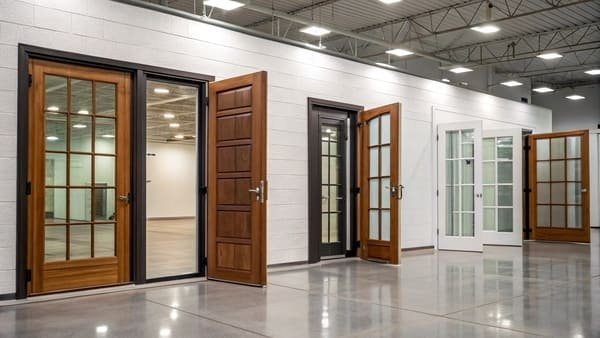
Now that you know the main categories, you might be thinking about the specifics. It’s one thing to know the names, but totally different to understand how they work and where they fit best. Over my years of manufacturing door hardware, I’ve learned that getting the details right is what separates a good project from a great one. Let’s dive deeper into the world of doors to give you a clearer picture and help you make the best choice for your needs.
How many types of doors are there?
The sheer number of door styles can seem endless when you start a new project. This confusion can lead to mistakes in design, function, and even your budget. Let’s simplify things.
While there are dozens of door styles, they almost all fall into five core types based on how they open: hinged, sliding, folding, pivot, and pocket. These categories cover everything from standard interior passage doors to large, modern exterior entrances, making it easier to specify your needs.
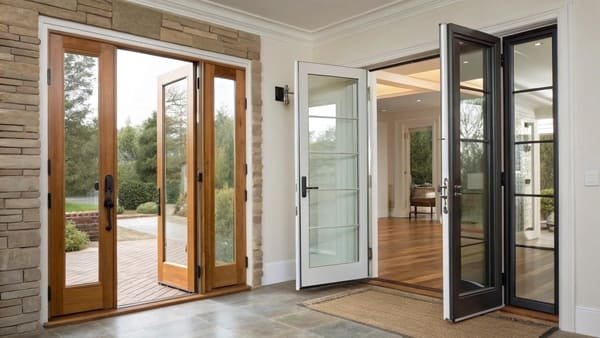
It’s really important to understand the difference between a door’s "type" and its "style." As a hardware manufacturer, I deal with this distinction every day. The type refers to the mechanical system that makes the door work. The style is all about its visual appearance. For example, you can have a "Barn Door" style that uses a "Sliding" type mechanism. Getting this right is key for sourcing the correct components.
Door Types vs. Door Styles
The "type" is the engineering behind the door. It dictates the kind of hardware you need, like the rollers, tracks, and hinges we produce. The "style" is the design, such as panel configuration, material, or color. A French door is a style, but it typically uses a hinged mechanism.
A Quick Comparison
To help you choose, here is a simple breakdown of the main door types. This table helps you see at a glance which mechanism fits your project’s space and functional requirements.
| Type | Mechanism | Ideal Space | Space Requirement |
|---|---|---|---|
| Hinged1 | Swings open from one side | Traditional rooms, entryways | Requires clear swing space |
| Sliding2 | Glides along a track | Patios, closets, wide openings | Needs wall space to slide over |
| Folding | Bends at panels to open | Large closets, room dividers | Nests compactly to one side |
| Slides into a wall cavity | Bathrooms, tight hallways | Requires a hollow wall frame | |
| Pivot | Rotates on a central pin | Modern, high-end entryways | Creates unique opening path |
What style is a 5 panel door?
Sourcing a specific door means you need to use the right language. Calling a "5-panel door" just a "wood door" can lead to the wrong product arriving on-site.
A 5-panel door is a classic style defined by five recessed or flat panels set within a supportive frame. This design adds architectural depth and character, and is often associated with traditional, Craftsman, or Shaker aesthetics, making it incredibly versatile for both interior and exterior use.
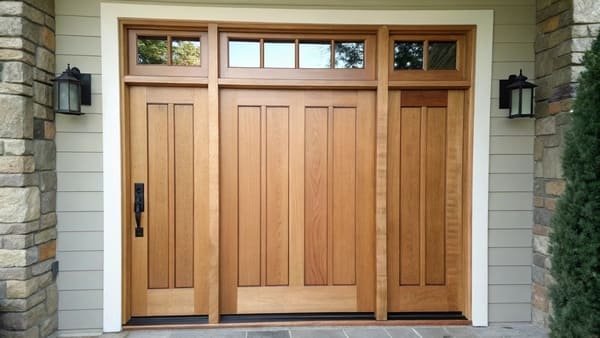
Panel doors are a huge part of the market, and the 5-panel configuration is one of the most popular I see customers requesting. The beauty is in its simplicity and balanced look. The panels can be arranged in various ways to create different feelings, from rustic to formal. Understanding how these doors are built helps you appreciate their quality and durability.
Anatomy of a Panel Door
A panel door isn’t just a single slab of wood. It’s constructed from several parts that fit together to resist warping and look great.
- Stiles: These are the vertical boards that run along the sides of the door.
- Rails: These are the horizontal boards that run across the door, connecting the stiles.
- Panels: These are the large, flat or raised sections that fill the spaces between the stiles and rails.
This construction method allows the wood panels to expand and contract with changes in humidity without damaging the door’s structure.
Popular 5-Panel Configurations
Not all 5-panel doors3 look the same. The Shaker style4, for instance, uses flat, unadorned panels for a clean, minimalist look. A more traditional Colonial style might use raised panels with decorative edges to create shadows and a more formal appearance. The material also plays a huge role. We often see requests for hardware to support solid wood, MDF, and composite 5-panel doors1, each offering different benefits in terms of cost, weight, and finish.
What is the meaning of 5 4 and a door?
You might hear industry terms like "5/4," and it can be confusing. Misunderstanding these terms can lead to ordering the wrong materials or doors that don’t meet specifications. Let’s clear this up.
The term "5/4 and a door" almost certainly refers to using "five-quarter" (5/4) lumber in its construction. This is a standard thickness measurement for rough-sawn wood, which is 1.25 inches thick. After it’s milled and sanded, the final door is typically about 1 inch thick.
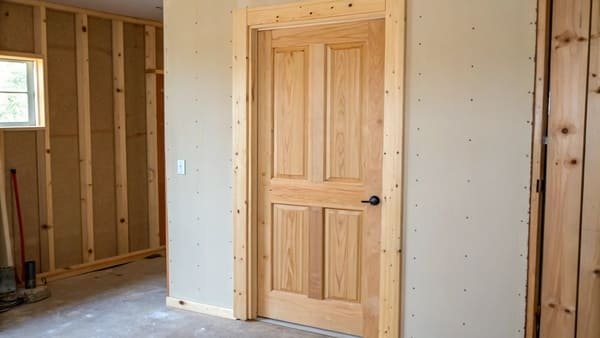
In the hardware business, precision is everything. The thickness of a door determines the type of hinges, locks, and even the sliding system required. Knowing the difference between how lumber is sold and its final dimension is critical for anyone in procurement. It’s a common point of confusion, but once you understand it, you can order with much more confidence.
Nominal vs. Actual Lumber Dimensions
The key is to remember that wood is sold based on its "nominal" or rough-cut size. The "actual" size is what you get after the wood is planed smooth on all sides (a process called S4S, or "surfaced four sides"). A 5/4 board starts at 1.25 inches thick but ends up thinner. This is true for all lumber dimensions.
Why Thickness Matters for Doors
A thicker door often feels more substantial and premium. It also provides better insulation against sound and temperature and can offer enhanced security. For heavy-duty applications, like large exterior doors or barn doors, using thicker lumber like 8/4 is common. The hardware has to match. Our heavy-duty rollers, for example, are designed specifically to support the weight and thickness of these robust doors.
| Nominal Size | Rough Thickness | Finished Thickness | Common Use |
|---|---|---|---|
| 4/4 | 1 inch | ~3/4 inch | Light interior doors, cabinets |
| 5/4 | 1.25 inches | ~1 inch | Standard interior/exterior doors |
| 8/4 | 2 inches | ~1-3/4 inches | Heavy entry doors, custom doors |
What are the 5 functions of doors and windows?
We often see doors as just a way to get in and out. But if you overlook their other jobs, you can compromise a building’s performance, comfort, and security. Let’s look at their five key roles.
The five core functions of doors are access (entry and exit), security (protection), privacy (visual and sound separation), environmental control (insulation and weatherproofing), and aesthetics (enhancing architectural style). These functions work together to define a space.
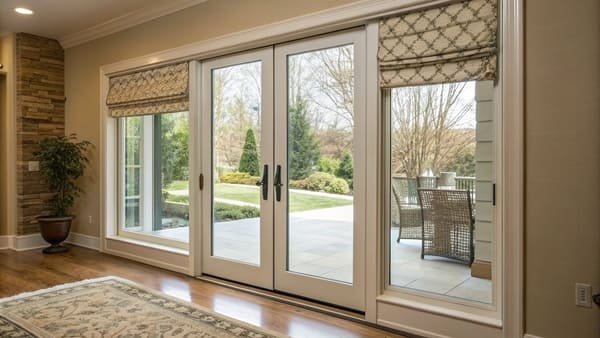
Every piece of hardware we design at opensliding is made to support one or more of these functions. A door is really a system, not just a single object. The door slab, the frame, and the hardware all have to work together perfectly to fulfill these five purposes. Thinking about doors this way helps you select not just the right door, but the right components to make it perform at its best.
Balancing Function and Form
Often, you have to find a balance between these functions. For instance, a large glass sliding door is fantastic for aesthetics and letting in natural light (access, aesthetics). However, it might offer less privacy and security than a solid wood door with a heavy-duty lock. The goal is to choose a door and hardware system that meets the most important needs for a specific location.
Key Functional Components
This is where hardware becomes critical.
- Access: Our sliding door rollers5 and hinges ensure smooth, reliable entry and exit.
- Security: High-quality intelligent locks and heavy-duty hardware are essential for protection.
- Privacy: A well-sealed door with the right brush strips and seals provides a solid barrier to sound and sight.
- Environmental Control: Rubber seals and brush strips are vital for preventing drafts and maintaining a consistent indoor temperature.
- Aesthetics: The finish and style of the hardware—from a sleek sliding track to an elegant hinge—completes the door’s look.
Conclusion
Choosing the right door means knowing its type, style, and function. This knowledge helps you source doors that perfectly balance looks with access, security, privacy, and environmental control.
Explore the advantages of Hinged doors, including their versatility and suitability for various spaces. ↩ ↩
Discover the benefits of Sliding doors, perfect for maximizing space and enhancing accessibility in your home. ↩
Explore this link to understand the advantages of 5-panel doors, including style, durability, and cost-effectiveness. ↩
Discover the essence of Shaker style in door design, known for its simplicity and elegance, perfect for modern homes. ↩
Explore this link to understand how sliding door rollers enhance functionality and ease of use in your home. ↩