
Struggling with barn door installation details? Unsure if a door cover is necessary, which can lead to project delays and extra costs. I’ll clarify the essential requirements for you.
A door cover, or trim, is not mandatory but highly recommended for barn doors. Trim frames the opening, hides wall imperfections, and provides a clean look. It also helps reduce the visible gap between the door and the wall, ensuring a professional finish.
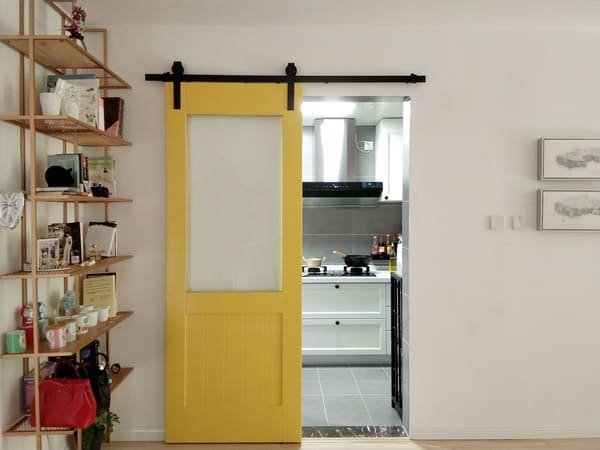
Barn doors have become a huge trend. They look great and can solve space issues where a normal door won’t fit. But getting the installation right is key. I’ve seen countless projects, and the small details make all the difference. Beyond just the cover, there are several other questions about trim and gaps that can make or break the final look and function. Let’s dive into those common questions to make sure your project is a success.
Should a barn door cover door trim?
Worried your barn door won’t fit correctly over existing trim? This is a common problem that can ruin the look and function of your new door, wasting time and money.
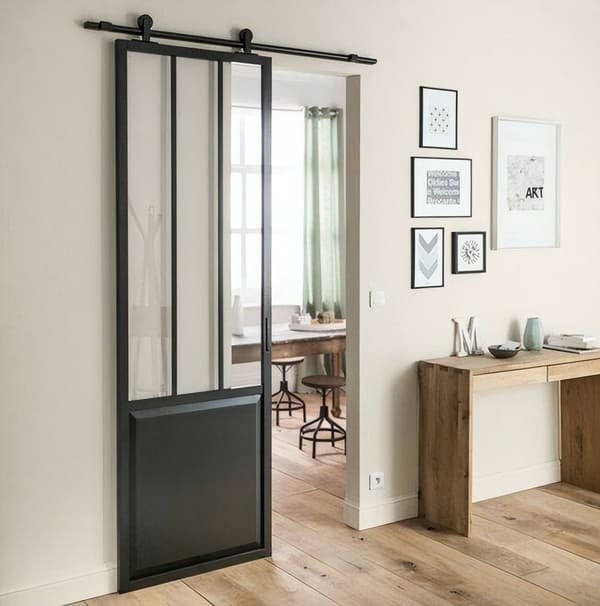
Yes, a barn door should fully cover the door trim when closed. This creates a visually complete and sealed look. For the best aesthetic and privacy, the door should be wide enough to extend at least one inch beyond outer edge of the trim on each side.
Dive Deeper
This measurement is one of the most critical parts of a barn door installation. If the door isn’t wide enough, you’ll see the trim peeking out from the sides when the door is closed. It looks unprofessional and defeats the purpose of creating a solid visual barrier.
Here’s why covering the trim properly1 is so important:
- Aesthetics: It provides a clean, finished, and intentional look. The door and frame appear as a single, cohesive unit.
- Privacy: A wider door that covers the trim significantly reduces the sightlines into the room from the side. This is crucial for bedrooms and bathrooms.
- Light and Sound Control: While not perfectly sealed, a proper overlap helps block more light and sound from passing through the gaps.
As a manufacturer, this is a point I constantly discuss with my clients, like Jacky, who are purchasing for large projects. A common mistake is for end-users to measure only the door opening itself, forgetting to account for the trim. We always advise our B2B customers to create a simple measurement guide2 for their clients. A door that is too narrow is a costly mistake that’s easy to avoid. Always measure from the outside edge of the trim on one side to the outside edge on the other, then add at least two inches. This simple step ensures the right fit every time.
How do you cover the gap between a barn door and a wall?
Do you notice a draft or lack of privacy from the gap next to your barn door? This common issue can make a room feel less comfortable and secure.
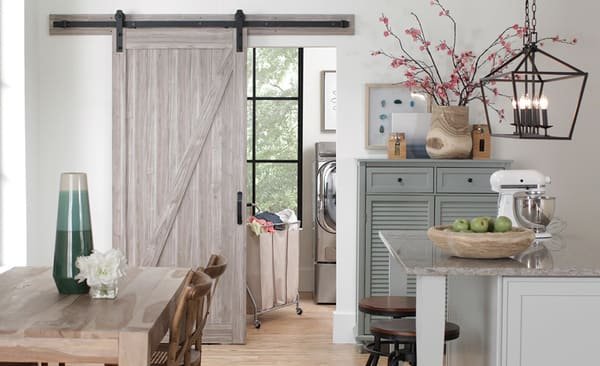
You can cover the gap between a barn door and a wall by installing trim or casing around the opening. For a better seal against light, drafts, and sound, you can attach brush strips or rubber gaskets to the back edges of the door.
Dive Deeper
The gap between a barn door and the wall is part of its design. It’s necessary so the door can slide past the wall and any baseboards or trim without scraping. The size of this gap depends on the thickness of the door and the specific sliding hardware you use. While you can’t eliminate it, you can certainly manage it.
Here are the most effective solutions:
| Solution | Best For | Pros | Cons |
|---|---|---|---|
| Door Trim/Casing | Basic aesthetics | Frames the door, hides drywall edges | Doesn’t actively seal the gap |
| Brush Strips3 | Blocking light, dust, drafts | Easy to install, flexible, quiet | Can wear down over years of use |
| Rubber Gaskets4 | Soundproofing, insulation | Creates an excellent seal, durable | Can add slight friction, more visible |
| A Wider Door | Improving privacy | Simple, maintains a clean look | Only covers the gap, doesn’t seal it |
From my factory’s perspective, we help our buyers add value by thinking through these final details. When a distributor places an order for hardware, we discuss the end-use. For a project with many bathroom doors, we strongly recommend they also stock brush seals to sell as an add-on. This anticipates the end customer’s need for privacy. For a closet or pantry door, the standard gap is perfectly fine. By providing these insights, we help buyers like Jacky become more knowledgeable and successful with their customers, which strengthens our business relationship.
Can you put a barn door over a door frame?
Do you have an existing door frame and want to install a barn door? You might be wondering if you need to remove the old frame first, creating a lot of extra work.
Yes, you can absolutely install a barn door over an existing door frame, also known as casing or trim. In fact, leaving the frame in place is the ideal method. It provides a finished look for the opening and simplifies the installation process.

Dive Deeper
Keeping the existing door frame is not just a shortcut; it’s the best practice for a professional installation. Removing it creates unnecessary work, like drywall repair and painting.
Here’s why you should keep the frame:
- Finished Appearance5: A framed opening looks complete and polished. An opening with just drywall edges can look unfinished, like a project that was rushed.
- Hides Imperfections: The frame expertly covers the rough joint between the wall studs and the drywall of the opening. It presents a clean, sharp edge.
- Provides a Clear Guide: The outer edges of the frame give you a definite line to measure from. This removes any guesswork when determining the correct size for your barn door.
There is one critical step you can’t skip: the header board6. You must install a solid wood header board6 on the wall, above the door frame. This board gets screwed directly into the wall studs. The sliding track is then mounted onto this header board6. Never mount the track directly to the drywall or the door frame itself; it won’t be strong enough to hold the weight of the door. As a hardware supplier, our installation kits and guides are designed for this exact scenario. We make it clear that our systems work with standard frames, which saves our professional clients—contractors and builders—time and labor on site. This efficiency is a major selling point.
How much should a barn door cover the opening?
Sizing a barn door can be tricky. An incorrect size can result in a sloppy look, poor privacy, and wasted materials. How much overlap is the right amount?
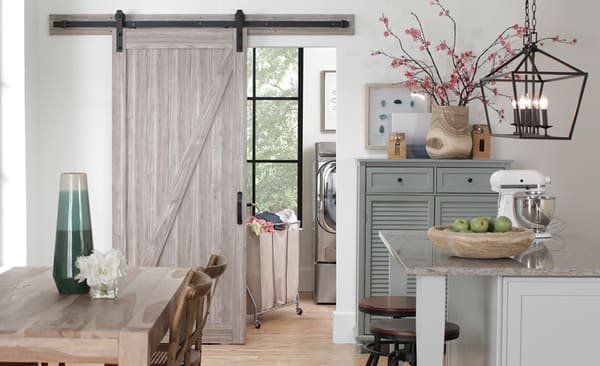
A barn door should overlap the opening by at least one inch on each side and one inch at the top. If you have door trim, the door should be wide enough to overlap the outer edge of the trim by at least one inch on each side.
Dive Deeper
Getting the overlap right is fundamental for both how the door works and how it looks. It’s a simple rule, but it is surprising how often it is missed, leading to disappointing results. Let’s make it crystal clear.
Here is how you should calculate your door size:
- Width Overlap7: The main goal here is to block the view into the room from the sides.
- For an Opening With No Trim: Measure the width of the opening and add 2 inches. (Example: 36-inch opening needs a 38-inch door).
- For an Opening With Trim: Measure from the outer edge of the trim on one side to the outer edge on the other, then add 2 inches. (Example: 40-inch outer trim width needs a 42-inch door).
- Height Overlap8: This ensures you don’t see a gap over the top of the door.
- Standard Rule: Measure the height of the opening and add 1 inch. This gives you coverage even with slight variations in track height.
Here’s a simple table to illustrate:
| Component | Measurement (inches) | Calculation | Resulting Min. Door Size (inches) |
|---|---|---|---|
| Doorway Width (No Trim) | 36 | 36" + 2" | 38" Wide |
| Width with Trim (Outer) | 40 | 40" + 2" | 42" Wide |
| Doorway Height | 80 | 80" + 1" | 81" High |
For my B2B clients who buy in bulk, I cannot overstate the importance of getting this right. An ordering mistake on one door is a hassle; a mistake on 100 doors is a disaster. We provide specification sheets that clearly outline these overlap rules. This empowers our clients, like distributors and contractors, to order with confidence and correctly advise their own customers. It’s about preventing problems before they start, which is the foundation of a good supply chain partnership.
Conclusion
In short, using trim and ensuring your barn door is wide enough to cover it are key. Correct measurement for proper overlap is crucial for a professional and functional installation.
Explore this link to understand how proper trim coverage enhances aesthetics, privacy, and sound control in your space. ↩
Check out this resource for tips on creating an effective measurement guide to avoid costly installation mistakes. ↩
Explore this link to understand how brush strips can effectively block light, dust, and drafts, enhancing your door’s functionality. ↩
Discover the advantages of rubber gaskets in creating a durable seal that enhances soundproofing and insulation for your doors. ↩
Explore this link to understand how a finished appearance enhances the overall look and value of your home. ↩
Learn about the critical role of a header board in ensuring the stability and safety of your door installation. ↩ ↩ ↩
Understanding Width Overlap is crucial for ensuring proper door fit and aesthetics, preventing costly mistakes. ↩
Calculating Height Overlap correctly ensures no gaps appear above the door, maintaining a polished look. ↩