
Struggling to find the perfect sliding door? The wrong choice wastes space and money. I’ll help you pick the right design that adds style and function to any project.
The best home sliding door design depends on your space, style, and budget. For a modern look, consider pocket or bypass doors. For a rustic feel, barn doors are ideal. Always prioritize high-quality hardware for smooth, long-lasting operation, which is where we come in.
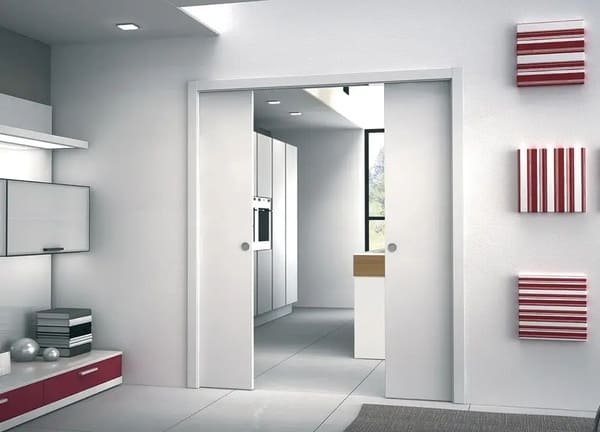
Making the right choice for a project feels great. But getting there can be tough. It’s about more than just looks. You need to think about the materials, the mechanisms, and exactly how the door will be used. As someone who has produced sliding door hardware for years, I’ve seen what works and what doesn’t. Let’s break down the process together. We will explore the details so you can confidently choose the perfect sliding door for your customers or your next build.
How to choose sliding doors?
Feeling unsure where to start with all the sliding door options? It can be very confusing. I will give you a simple framework to make the right choice every time.
Focus on three key areas: the door’s function, its material, and its hardware. The hardware, including the rollers and tracks, is the most critical part for performance and durability. This is the area where we at Opensliding have specialized for over a decade.

When I talk with purchasers like you, I always bring the conversation back to these three core elements. Choosing the right door becomes much easier when you have a clear process. I once had a client who focused only on the door panel’s appearance. He chose a beautiful, heavy oak door but paired it with cheap, undersized hardware. Within a year, the door was sagging and difficult to move. He had to replace the entire system, costing him time and money. This is a common mistake. Let’s make sure you avoid it by looking at the details.
Breaking Down the Choice
Your decision should balance these three factors to meet the project’s needs and budget.
| Factor | Key Considerations | My Advice |
|---|---|---|
| Function1 | Where and how will the door be used? Is it for a closet, a room divider, or a patio? Does it need a lock? | A closet door needs a simple, lightweight system. A patio door requires a heavy-duty, weather-resistant system with a secure lock. |
| Material | What is the door panel made of? Wood, glass, aluminum, or composite? | The material dictates the weight and style. This weight is the most important factor when you select our hardware. We have systems for all weight classes. |
| Hardware2 | What kind of rollers, track, and guides are needed? Is it a top-hung or bottom-rolling system? | This is the engine of your door. Never compromise on hardware quality. A high-quality system from a factory like ours ensures the door works smoothly for years. |
Thinking through this table for every project will lead you to a smart, durable, and cost-effective solution.
What is the sliding door theory?
Have you heard people talk about "sliding door theory" and wondered what it meant? It sounds complex, but it’s really just a simple mechanical principle that we work with every day.
The theory is simple: a door panel slides horizontally along a track using rollers instead of swinging open. This saves a lot of floor space. The two main types are top-hung systems and bottom-rolling systems, each with different benefits.
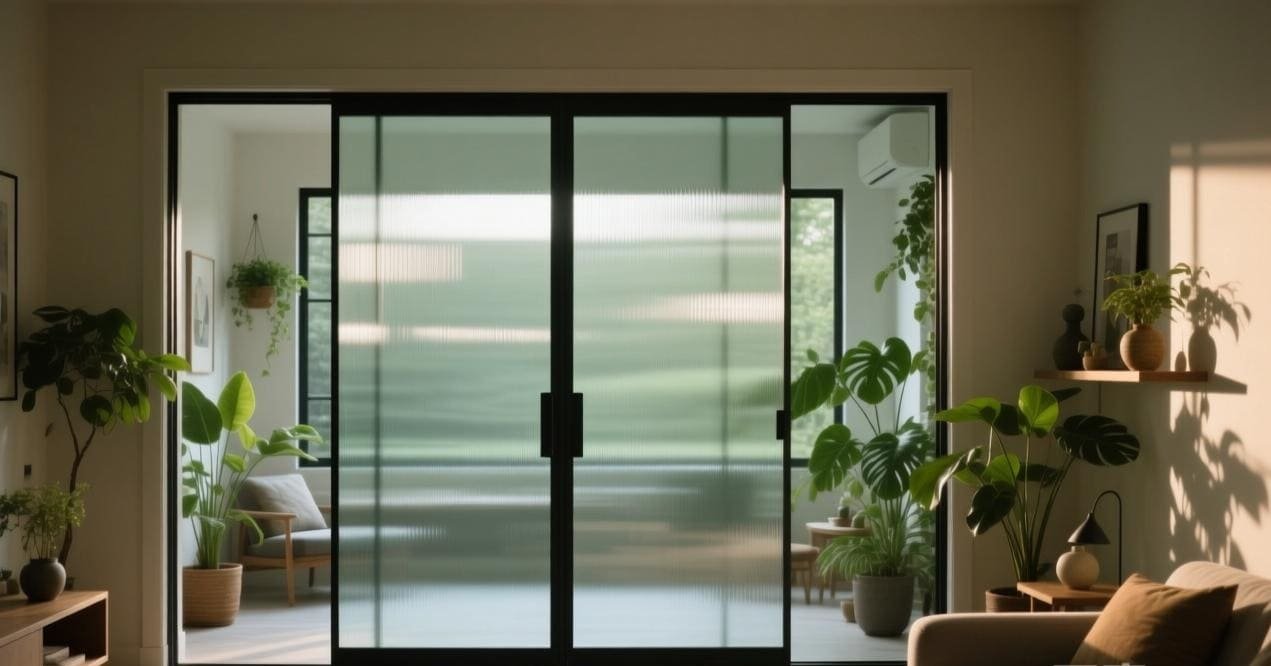
Understanding this basic theory is key to selecting the right hardware for your job. As a manufacturer, this is our world. The physics are straightforward, but the engineering that goes into making a silent, smooth, and durable roller system is what separates high-quality suppliers from the rest. Whether the door hangs from the top or rolls along the bottom determines the entire feel and installation process. Let’s look closer at both options so you can decide which is better for your application. This knowledge helps you explain the benefits to your own customers and make better purchasing decisions.
Top-Hung Systems
In a top-hung system3, the entire weight of the door is carried by rollers running in a track mounted above the door. The door hangs from this track. A small guide is often placed on the floor to prevent the door from swinging. This is my preferred system for interior doors because it leaves the floor clear, creating a clean, seamless look. It’s also easier to clean without a floor track. We produce heavy-duty top-hung rollers that can handle massive wood or glass panels with ease.
Bottom-Rolling Systems
In a bottom-rolling system4, the door’s weight rests on rollers that move along a track installed on the floor. There are usually guides at the top to keep the door stable. This system is great for very heavy doors or in situations where the structure above the door cannot support the weight. For example, if you are working with a weak header or a plasterboard wall, a bottom-rolling system4 is a safer choice.
Here is a quick comparison:
| Feature | Top-Hung System | Bottom-Rolling System |
|---|---|---|
| Installation | Requires a strong header or ceiling support. | Can be used with weaker overhead structures. |
| Floor Appearance | Clean, no track on the floor. | Has a track on the floor that can collect dirt. |
| Load Capacity | Good for moderate to heavy doors. | Excellent for extremely heavy doors. |
| Best Use | Interior room dividers, closets, modern designs. | Heavy patio doors, industrial applications, retrofits. |
How to pick a sliding glass door?
Picking a glass door can feel risky. You might worry about safety, privacy, or energy loss. I’ll help you understand what to look for to choose with confidence.
For a glass door, focus on the glass type (tempered or laminated for safety), the frame material (aluminum is durable), and energy efficiency ratings. The sliding hardware must be strong and corrosion-resistant to handle the glass’s weight and ensure smooth operation.
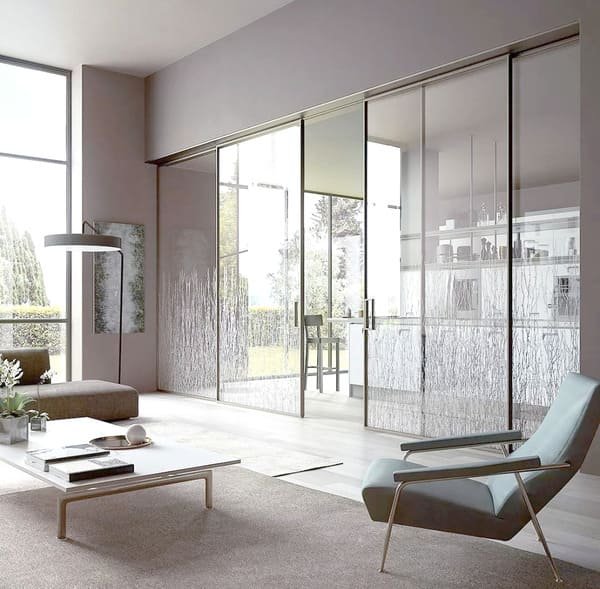
Sliding glass doors are fantastic for bringing natural light into a space. But glass is heavy, which puts a lot of stress on the rollers and track. I’ve seen systems fail because the hardware wasn’t rated for the weight of the glass panels. It’s a costly mistake that can also be dangerous. When sourcing sliding glass doors, my advice to purchasers is to question the hardware specs just as much as the glass specs. We supply robust sliding systems specifically designed for heavy glass doors, ensuring safety and a smooth glide for years. Let’s look at the key elements.
Essential Factors for Sliding Glass Doors
To make an informed choice, you need to consider the glass, the frame, and the door’s energy performance.
1. Glass Type
Safety is the number one priority.
- Tempered Glass5: This glass is heat-treated to make it about four times stronger than regular glass. If it breaks, it shatters into small, dull-edged pieces, reducing the risk of injury. It’s the standard for most patio doors.
- Laminated Glass: This is made of two sheets of glass with a plastic interlayer. If it breaks, the glass fragments stick to the interlayer. This is excellent for security and sound insulation.
2. Frame Material
The frame holds the glass and houses the hardware.
- Aluminum: Lightweight, strong, and corrosion-resistant. It allows for thin frames and a modern look. It’s a great choice for durability, which is why much of our hardware is designed to integrate perfectly with aluminum profiles.
- Vinyl: Cost-effective and a good insulator, but can be less durable than aluminum over time.
- Wood: Offers a classic look but requires more maintenance, especially in wet climates.
3. Energy Efficiency6
A good sliding glass door should help insulate the home. Look for low U-factor and SHGC ratings on the manufacturer’s label. A lower number means better insulation performance.
What type of sliding patio door is best?
Need a patio door that will last for years? Weather exposure, security, and constant use are big concerns. Let’s look at the most reliable options for this demanding application.
Aluminum-framed sliding doors are often the best for patios due to their strength, weather resistance, and slim, modern look. The key is pairing them with high-quality, corrosion-resistant hardware that can handle heavy use and outdoor conditions. This is a specialty of our factory.
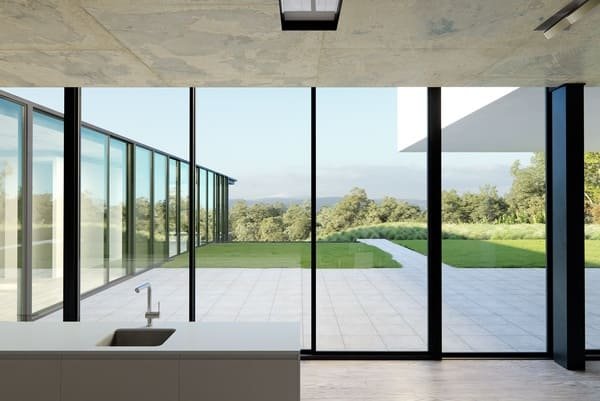
The patio door is one of the hardest-working doors in a house. It faces sun, rain, and wind, and it’s often opened and closed many times a day. As a hardware manufacturer, we know that patio door systems see the most failures. This is usually not because of the door itself, but because the sliding mechanism wasn’t up to the task. The rollers corrode, the track gets damaged, or the lock fails. That’s why I always tell my clients to invest in a robust system for patios. A strong aluminum frame combined with our stainless steel or specially coated hardware creates a door that will perform reliably for a very long time.
Comparing Patio Door Options
There are a few popular styles, each suited for different openings and budgets. The hardware requirements change with each one.
| Door Type | Description | Best For | Hardware Needs |
|---|---|---|---|
| Standard Sliding Door | A classic design with two panels, where one panel slides over the other. | Standard patio openings, budget-conscious projects. | Robust, smooth-rolling system and a secure multipoint lock. |
| Multi-Slide Door7 | Made of three or more panels that slide and stack to one side. | Creating very large, wide-open spaces between indoors and outdoors. | Heavy-duty, precision-engineered rollers and tracks to manage multiple heavy panels. |
| Bi-Fold Door8 | Panels fold up like an accordion and slide to the side. | Maximizing the opening width for a seamless transition. | A complex system of pivots, rollers, and tracks. Quality is absolutely critical here. |
For any of these styles, the best performance comes from a combination of a durable frame material like aluminum and a hardware system engineered for the specific weight and environmental conditions. We produce systems for all these applications and can customize them to fit your specific door designs.
Conclusion
Choosing the right sliding door comes down to matching its function, material, and hardware to your needs. With high-quality components, you ensure a project that is beautiful, functional, and built to last.
Understanding door function is crucial for selecting the right type for your needs, ensuring practicality and efficiency. ↩
Exploring quality door hardware options can significantly enhance the longevity and performance of your door system. ↩
Explore this link to understand why top-hung systems are preferred for their clean look and ease of maintenance. ↩
Discover the advantages of bottom-rolling systems, especially for heavy doors and weak structures. ↩ ↩
Explore the advantages of Tempered Glass, including safety and durability, to make an informed choice for your sliding doors. ↩
Learn how Energy Efficiency ratings can save you money on energy bills and improve your home’s comfort. ↩
Explore the advantages of Multi-Slide Doors for creating expansive indoor-outdoor spaces. ↩
Learn about Bi-Fold Doors and how they can enhance your home’s transition between spaces. ↩