
Struggling with flimsy doors that jam or windows that won’t seal? Inferior hardware can ruin an entire project. It’s time to understand its true importance for lasting quality.
Hardware is the heart of doors and windows because it controls all movement and security. Like a heart pumps blood, hardware enables opening, closing, locking, and sealing. Without quality hardware, the best door or window frame is just a static, non-functional panel.

As a hardware manufacturer for many years, I’ve seen countless projects. I talk to buyers like Jacky from Canada, who source accessories for door and window factories. They all tell me the same thing: when the hardware fails, the entire door or window system fails. It doesn’t matter how beautiful the wood is or how clear the glass is. If it doesn’t open, close, or lock properly, it’s useless. That’s why I always say the hardware is the functional core, the very heart of the product. Let’s dig into what that really means.
What Exactly Is The Hardware On A Door?
Are you confused by all the small components that make a door work? The different parts can seem overwhelming. But they all fit into specific categories that are easy to understand.
Door hardware includes all the metal components that allow it to function. This means hinges for swinging, rollers and tracks for sliding, locks and latches for security, and handles for operation. It’s everything that makes the door slab move and secure itself.
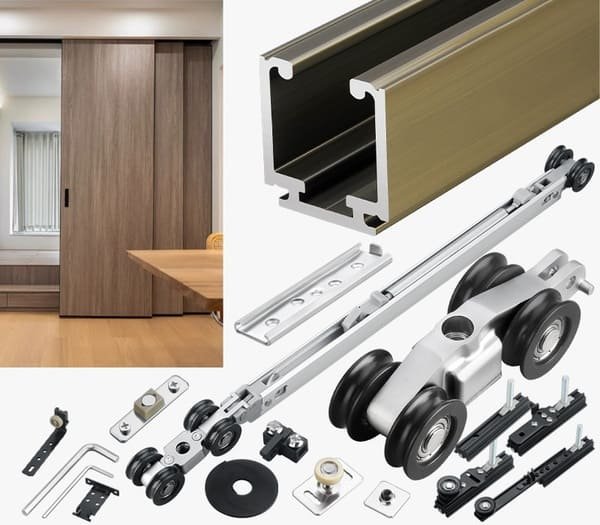
In my factory, we think about door hardware in two main groups: the parts that make it move and the parts that keep it secure. You need both for a successful door. I remember a client who built beautiful, heavy oak barn doors. They looked amazing. But they used rollers that were designed for lightweight closet doors. Within a few months, the rollers warped, and the doors became impossible to move. They had to replace everything. It was a costly mistake that could have been avoided by matching the hardware to the door’s weight and purpose.
Functional vs. Security Hardware
Understanding the difference is key for any purchasing manager. One allows for movement, and the other provides safety. Here’s a simple breakdown:
| Hardware Type | Purpose | Common Examples (What we at opensliding make) |
|---|---|---|
| Functional | To allow the door to open and close. | Hinges, Pivots, Partition Room Sliding Door Rollers1, Wardrobe Sliding Wheels, Heavy Lifting Wheels |
| Security | To lock and secure the door in place. | Deadbolts, Mortise Locks, Latches, Intelligent Locks2 |
| Accessory | To improve usability and protection. | Doorstops, Handles, Glass Door Rubber Strips, Brush Strips |
For every project, you must consider both. A grand entrance door needs strong hinges to swing smoothly and a reliable lock to be secure. A sliding glass patio door needs durable rollers that can handle its weight and a multi-point locking system for peace of mind. Choosing correctly is the first step to a quality product.
And What About The Hardware On A Window?
Have you ever installed a beautiful window that won’t open smoothly or lock tight? It’s frustrating. The secret to avoiding this lies in choosing the right, often unseen, hardware components.
Window hardware refers to the mechanisms that operate, lock, and seal the window. This includes hinges for casement windows, balances for sash windows, locks for security, and operators or cranks that allow you to open and close it. It’s the engine of the window.
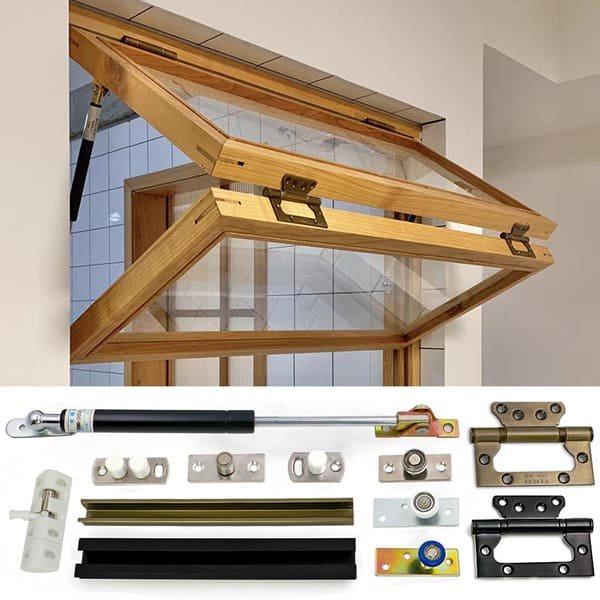
Just like with doors, window hardware is not a one-size-fits-all solution. The type of window dictates the hardware you need. A few years ago, I worked with a construction contractor on a coastal hotel project. They needed windows that could withstand salty air and high winds. We couldn’t just use standard steel hardware; it would rust and fail in a year. We supplied them with a full set of stainless steel casement hardware, from the hinges to the locking mechanisms. This material choice was critical for the long-term performance and safety of the windows in that harsh environment. It shows that the material is just as important as the mechanism.
Different Windows, Different Mechanisms
The function of the window determines the hardware it needs. A simple mistake here can ruin the user’s experience.
- Casement Windows3: These swing outward like a door. They rely on side hinges to pivot, a crank operator to push the window open and pull it shut, and one or more locking points to create a tight seal against the weather.
- Sliding Windows4: These operate on a track, much like a sliding door. They use rollers at the bottom to move smoothly back and forth and a simple latch to lock them in place.
- Double-Hung Windows: These have two sashes that move up and down. They use a system of springs or weights called "sash balances" to make the sashes feel light and stay in place. They also have locks in the middle to secure them.
Each system is a small feat of engineering. When you choose hardware, you are choosing the user experience. Will it be smooth and easy, or stiff and frustrating?
So What Is The Real Definition Of Doors And Windows?
Do you think of doors and windows as just openings in a wall? This simple view can lead to costly mistakes. They are actually complex systems with a critical job to do.
Doors and windows are technical systems designed to manage access, light, and ventilation in a building’s envelope. They are not just panels in a hole; they are complete assemblies of a frame, a movable panel, and the hardware that makes it all work together.
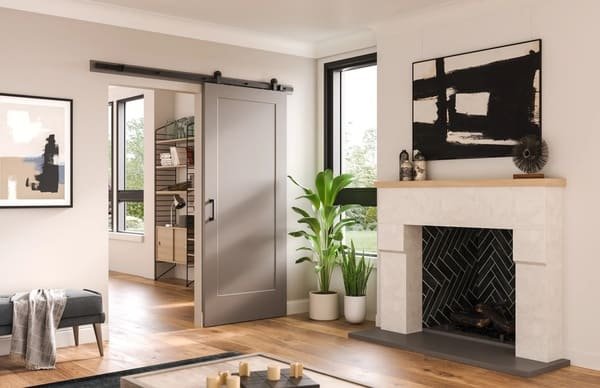
When I walk through my factory, I don’t just see parts. I see systems. The aluminum hanging rail, the wardrobe sliding wheel, and the soft-close damper are not separate products. They are components of a single system that has to work perfectly together. A door or window is the same. It is a system made of three main parts. The frame is anchored to the wall. The panel (the door slab or window sash) is the part that moves. But the hardware is the crucial link that connects the moving panel to the static frame. Without hardware, a door is just a wall, and a window is just a piece of glass.
More Than Just An Opening
Thinking of them as systems helps you make better purchasing decisions5.
- The Frame: This is the stationary part mounted in the wall. It provides the structure and the sealing surface.
- The Panel/Sash: This is the part that moves. It’s the door you walk through or the window you open for air. It holds the glass.
- The Hardware6: This is the active component. It’s the heart. It moves the panel, locks the panel, and ensures the panel seals tightly against the frame.
As hardware manufacturers, we are obsessed with precision. A hinge needs to be strong enough for the door’s weight. A sliding roller needs to fit the track exactly. A lock needs to align perfectly with the strike plate. If one part is wrong, the entire system suffers. This is why good communication between the door factory and the hardware supplier is so important.
Why Are Quality Doors And Windows So Important?
Ever considered the full impact of a poor door or window? It’s more than just an annoyance. It can affect energy bills, security, and even a building’s long-term value.
Quality doors and windows are essential for a building’s security, energy efficiency, and daily usability. They protect from intruders and weather, prevent heat or cool air from escaping, and provide reliable, easy access and ventilation. Their performance is critical for comfort and safety.
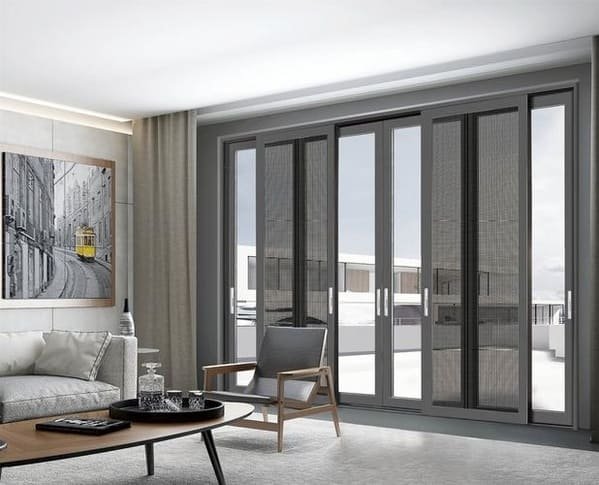
Everything comes back to why we have these things in the first place. They serve fundamental needs. And the hardware is directly responsible for how well they meet those needs. Think about a huge, beautiful sliding glass door leading to a patio. It might weigh hundreds of pounds. If it uses our heavy-duty lifting wheels, one person can open and close it with a single hand. It will also lock securely and seal tightly, keeping the home safe and insulated. But if it uses cheap, undersized rollers, it becomes a two-person job to move it. It won’t seal properly, leading to high energy bills. And its lock might not engage correctly, creating a security risk.
The Core Functions They Serve
When the hardware is right, the door and window can do their jobs properly.
- Security: This is the most basic need. A strong lock, be it a traditional deadbolt or a new intelligent lock7, is non-negotiable. The hinges and rollers must also be strong enough to resist being forced.
- Energy Efficiency8: A window that doesn’t seal is like a hole in the wall. Good hardware pulls the sash or door tight against the frame, engaging the weatherstripping and stopping drafts. This saves money and increases comfort.
- Functionality: This is about daily use. Doors and windows should operate smoothly, quietly, and reliably for years. This is purely the job of functional hardware like hinges, rollers, and operators.
- Durability: The hardware must be able to withstand thousands of opening and closing cycles without failing. This is why we focus on top-quality materials and rigorous testing at opensliding.
In the end, choosing cheap hardware is a false economy. The small savings upfront are quickly lost to replacement costs, energy loss, and a poor reputation. The hardware truly is the heart of it all.
Conclusion
In summary, hardware is truly the heart. It brings doors and windows to life, ensuring security, efficiency, and smooth operation. Never underestimate its importance in your projects.
Explore this link to understand how these rollers enhance the functionality and durability of sliding doors. ↩
Discover the advantages of Intelligent Locks for enhanced security and convenience in your home. ↩
Explore the advantages of Casement Windows to enhance your understanding of their functionality and design. ↩
Learn about the mechanics and benefits of Sliding Windows to make informed choices for your home. ↩
Exploring strategies for better purchasing decisions can lead to smarter investments in home improvement projects. ↩
Understanding the best practices for selecting door hardware can enhance your purchasing decisions and ensure quality. ↩
Explore this link to understand how intelligent locks enhance security and convenience in modern homes. ↩
Learn more about energy efficiency to discover how it can save you money and improve your living environment. ↩