
Struggling to find hardware that works perfectly and looks great? The wrong choice can ruin your project’s function and style. I will guide you to make the right selection.
To choose door and window hardware, you must first check the door or window’s type, material, and weight. Next, match the hardware’s function, style, and finish to your project’s needs. Always put durability and security first, especially for exterior use. It’s all about finding the perfect balance.
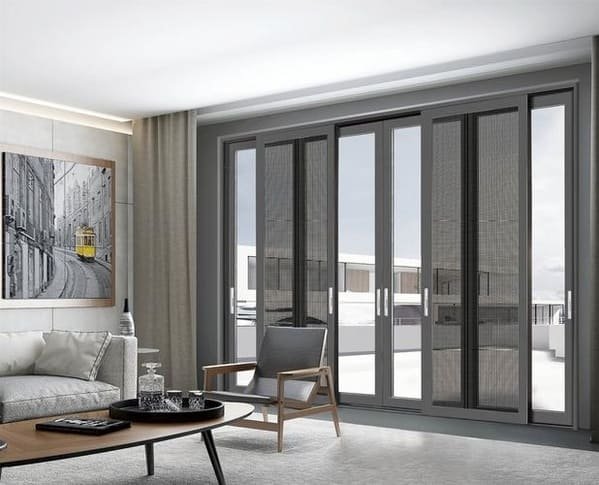
Choosing the right hardware might seem simple, but it’s about more than just a good price or a nice look. As a factory owner at opensliding.com, I’ve seen firsthand how the correct components can make or break a project. The wrong hardware leads to callbacks, unhappy clients, and a damaged reputation. Let’s explore the details so you can make smart, confident choices for your projects, starting with the most common item: door hardware.
How do you choose the best hardware for doors?
Overwhelmed by countless door hardware options? A bad choice leads to callbacks and unhappy clients. I’ll simplify the process and help you select with confidence every time.
For doors, consider their function (entry, interior), weight, and material. Select a lockset for security, hinges that support the door’s weight, and a style and finish that match the design. Your top priorities should always be functionality and durability for long-term performance.
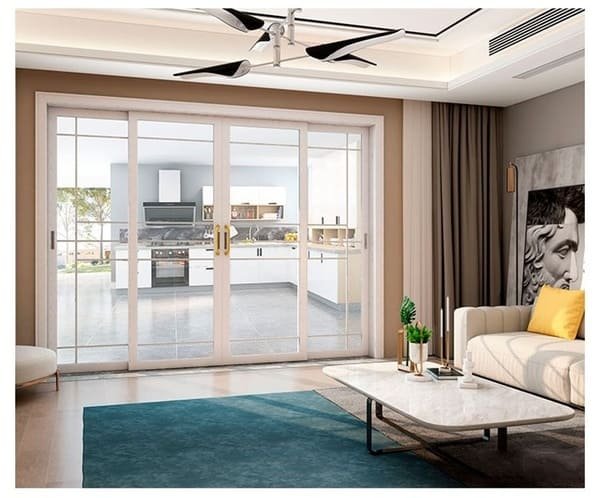
When you are purchasing hardware for doors, you are not just buying a piece of metal. You are investing in security, functionality, and the final aesthetic of a space. My experience in manufacturing has taught me that breaking it down into components makes the selection process much easier.
Hinge Selection is Critical
The hinges are the backbone of any door system. They bear the entire weight. Choosing the wrong ones can lead to sagging doors and safety hazards. You need to consider the door’s weight, material, and frequency of use. For heavy solid wood or metal doors, you’ll need heavy-duty steel hinges1. For lighter interior doors, standard butt hinges may be enough. As a general rule, we advise our clients to use three hinges for standard-height doors to ensure stability and prevent warping over time.
| Door Type | Recommended Hinge Type |
|---|---|
| Light Interior Door | Standard Butt Hinge |
| Heavy Exterior Door | Heavy-Duty Ball Bearing Hinge |
| Commercial High-Traffic Door | Continuous or Pivot Hinge |
Locksets and Handles
The lockset provides security and is the primary point of interaction. For exterior doors, a mortise lock2 or a handle set with a deadbolt offers the best security. For interior doors, a simpler passage set or privacy set is usually sufficient. It’s crucial for purchasers like Jacky to check the door’s thickness and the backset (the distance from the edge of the door to the center of the keyhole). This ensures the hardware will fit correctly without needing modifications on-site, saving time and money.
Don’t Forget the Details
Smaller hardware pieces like door closers, stops, and kick plates are often overlooked but are vital for a complete and functional installation. Door closers are essential in commercial settings to control the door and ensure it closes properly. Door stops prevent damage to walls, while kick plates protect the door’s finish in high-traffic areas. Offering these as part of a complete package adds significant value for your customers.
How do you choose the right hardware for windows?
Are your window hardware choices just an afterthought? Poor hardware can lead to drafts, security risks, and difficult operation. Let’s make sure your windows function perfectly.
For window hardware, first identify the window type, like casement, sliding, or double-hung. Choose operators and locks that ensure a tight seal and easy operation. Also, consider the material’s corrosion resistance, especially in coastal or humid areas. The finish should complement the frame.

Window hardware directly impacts a home’s energy efficiency and security. A window that doesn’t seal properly due to faulty hardware can increase energy bills. As a manufacturer of systems like sliding rollers, I know that the quality of these small parts determines the entire window’s performance. The selection process depends entirely on the type of window you are outfitting.
Hardware for Casement and Awning Windows
These windows open outward with a crank, so the operator mechanism is the most important component. A high-quality crank operator3 will provide smooth, effortless operation for years. The hinges must support the window sash’s weight when open, and the locking mechanism must pull the sash tight against the frame to create a weatherproof seal. For coastal regions, we always recommend stainless steel hardware to prevent rust and corrosion.
Hardware for Sliding and Double-Hung Windows
For sliding windows, the quality of the rollers is everything. Low-quality rollers will wear out quickly, making the window difficult to open and close. At Opensliding, our sliding wheel systems4 are designed for durability and a smooth glide. For double-hung windows, which move vertically, the sash locks and spring balances are key. The sash lock secures the window and pulls the sashes together to prevent drafts. Spring balances help lift the weight of the sash, making it easy to operate.
| Window Type | Key Hardware Components | Primary Function |
|---|---|---|
| Casement/Awning | Crank Operator, Hinge, Lock | Opens outward, provides a tight seal |
| Sliding | Rollers, Lock, Pull Handle | Slides horizontally on a track |
| Double-Hung | Sash Lock, Spring Balances, Lifts | Slides vertically within the frame |
What are the 5 key factors for selecting door hardware?
Are you making purchasing decisions based on price alone? This often leads to low-quality hardware that fails quickly and damages your reputation. I’ll share the 5 factors that guarantee quality and value.
The five key factors are: 1) Function & Security (exterior vs. interior), 2) Durability & Material (brass, steel), 3) Door Specifications (weight, thickness), 4) Style & Finish (aesthetics), and 5) Budget & Long-term Value. Balancing these ensures a smart purchase.
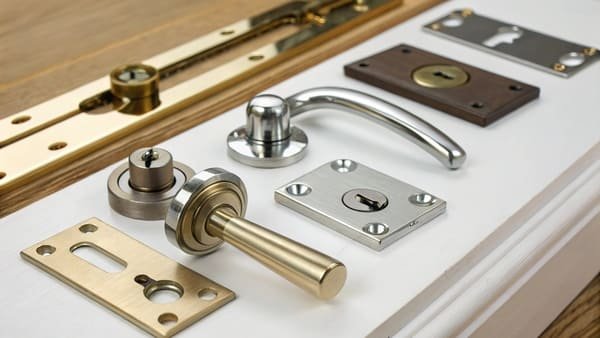
As a procurement professional, your goal is to find the best value, not just the lowest price. A product that fails after a year is far more expensive than a quality one that lasts for decades. I always tell my clients to evaluate hardware based on these five essential factors.
1. Function and 2. Durability5 Above All
First, determine the hardware’s purpose. An exterior front door requires a high-security lock and weather-resistant materials like Grade 316 stainless steel. A simple bedroom closet door needs far less. The material directly impacts durability. Solid brass is classic and durable, while stainless steel offers modern looks and superior corrosion resistance. As a manufacturer, our top priority is producing components like heavy lifting wheels that can withstand years of use. This focus on durability is what separates top-tier suppliers from the rest.
3. Matching Hardware to the Door Specifications
Hardware is not one-size-fits-all. You must know the door’s specifications. A heavy, solid oak door needs at least three heavy-duty ball-bearing hinges6. A lightweight hollow-core door does not. Always check the door’s thickness and the backset measurement for locks. Getting this right prevents costly installation problems for your contractors and ensures a perfect fit every time.
4. Style, Finish, and 5. Budget
While function is key, a cohesive look is also important. The hardware finish—be it matte black, satin nickel, or polished brass—should complement the door and surrounding fixtures. However, this is where you must balance aesthetics with your budget and long-term value. A cheap, trendy finish might flake off in a few years. It’s better to invest in a quality product from a reliable factory like ours. A slightly higher initial cost prevents the much larger expense of future replacements and protects your reputation for quality.
How do you determine the handing of door hardware?
Ever ordered a beautiful door lever only to find it’s upside down? Wrong handing is a costly and frustrating mistake. I will show you a foolproof way to get it right.
To determine door handing, stand on the outside of the door, facing it. If the hinges are on your left and the door swings in, it’s a left-hand door. If hinges are on the right and it swings in, it’s a right-hand door.
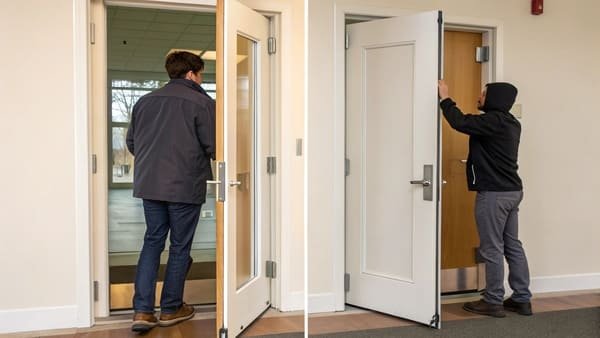
Ordering the correct handing for door hardware, especially levers and some locks, is absolutely critical. It’s one of the most common mistakes I see from purchasers, and it leads to project delays and wasted money. Luckily, there’s a standard industry method to get it right every single time. Forget what you think you know and just follow these simple steps.
The Standard "Hinge and Swing7" Method
To determine the handing, you must position yourself correctly. Always stand on the "outside" of the door. For an exterior door, this means you are literally outside. For an interior door, like a bedroom or office, the outside is the hallway or the side from which you would lock the door. From this position, observe two things: the location of the hinges and the direction the door swings.
This gives you four possible combinations. We use this table at my factory to confirm orders with clients to prevent any confusion.
| Hinge Side (from outside) | Swing Direction | Handing Abbreviation | Full Name |
|---|---|---|---|
| Left | Swings Inward | LH | Left Hand |
| Right | Swings Inward | RH | Right Hand |
| Left | Swings Outward | LHR | Left Hand Reverse |
| Right | Swings Outward | RHR | Right Hand Reverse |
Why It Matters for Purchasers
Levers are designed to curve in a specific direction, so a left-hand lever cannot be used on a right-hand door without being upside down. This looks unprofessional and is awkward to use. For a busy purchaser managing multiple projects, a simple mistake like this can cause a significant headache. That’s why many distributors prefer to stock "universal" or "reversible" hardware. These products can be configured for either left or right-hand doors on-site, offering more flexibility. When you order from us at opensliding.com, we always clarify handing to ensure you get exactly what you need.
Conclusion
Choosing the right hardware is about balancing function, durability, aesthetics, and cost. By following these guidelines, you ensure every door and window performs flawlessly and looks great for years.
Explore this link to understand the importance of heavy-duty steel hinges for heavy doors and their benefits. ↩
Learn about mortise locks, their security features, and why they are ideal for exterior doors. ↩
Understanding crank operators can enhance your knowledge of window functionality and improve your home’s energy efficiency. ↩
Exploring sliding wheel systems will help you choose durable options for smooth window operation, ensuring longevity and ease of use. ↩
Explore this link to learn essential practices that enhance the durability of hardware, ensuring long-lasting performance. ↩
Discover the advantages of heavy-duty ball-bearing hinges, which provide superior support and longevity for your doors. ↩
Explore this link to understand the Hinge and Swing method, ensuring you choose the right door hardware for your needs. ↩