
Struggling with clients complaining about grimy or damaged kitchen doors? Poor maintenance can reflect badly on your work. Here’s how to ensure the quality you install lasts a lifetime.
The best method to clean kitchen doors is using a soft, damp cloth with lukewarm water containing no more than 5% mild soap. Immediately after cleaning, dry the surface completely with another soft cloth to prevent moisture damage, especially around joints and hardware.

This basic approach is the foundation for great kitchen care. As professionals in the building and furniture industry, we both know that the details make all the difference in long-term durability and client satisfaction. Your reputation is built on quality that lasts. So, let’s dig deeper into the specific methods and best practices that will protect your installations and keep your customers happy for years to come. This is the information you can confidently pass on to them.
How do you clean kitchen doors?
Worried that clients using the wrong cleaning methods will damage the high-quality finishes you installed? Scratches and water stains can quickly ruin a perfect project. Here’s the safe way.
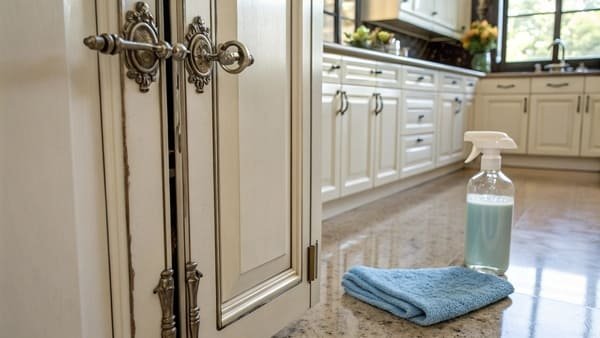
To clean kitchen doors effectively, use a microfiber cloth dampened with lukewarm water and a very small amount of mild soap. Wipe the surface gently, then immediately dry it with a separate, clean cloth. This simple process protects the material and hardware from damaging moisture.
Dive Deeper
As a factory owner, I see firsthand how different materials react to cleaning agents. Providing correct care instructions is just as important as installing quality hardware. It protects the end product and, by extension, your professional reputation. Let’s break down the process.
The Right Tools for the Job
The choice of cloth is more important than most people think. I always recommend microfiber cloths1. They have a unique structure that traps and lifts grease, dust, and grime without being abrasive. Sponges with a scouring side or abrasive pads will create micro-scratches on finishes, whether it’s high-gloss laminate, paint, or a wood veneer. Over time, these scratches dull the surface and can compromise the protective top layer, making the door more susceptible to damage. Using the right tool is the first step in preventative maintenance.
The Gentle Cleaning Solution
Many all-purpose cleaners2 contain harsh chemicals, like ammonia or bleach, that are too aggressive for kitchen cabinetry. These chemicals can strip a finish, cause discoloration (especially on white or light-colored doors), and even weaken the adhesives used in door construction. That’s why I stand by the simplest solution: a 95% lukewarm water to 5% mild dish soap ratio. This is effective enough to cut through everyday kitchen grease without posing any risk to the door’s surface or the hardware’s finish. It’s the universally safe option we recommend for all our partners.
What are the 7 steps of cleaning kitchen cabinet doors?
Do your clients seem overwhelmed when you talk about upkeep? A simple, step-by-step process can empower them to maintain the quality you delivered. Here’s a checklist you can share.
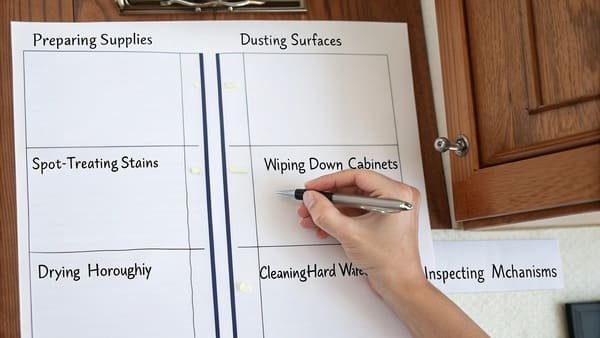
A complete cleaning of kitchen cabinet doors involves seven key steps. You should prepare your supplies, dust all surfaces, spot-treat tough stains, perform a general wipe-down, dry everything thoroughly, clean the hardware, and finally, inspect the mechanisms. This ensures a flawless result.
Dive Deeper
For a truly deep clean that restores a kitchen’s look, a systematic approach is best. This is the process I recommend to my large-scale buyers, like furniture factories and construction contractors, to include in their homeowner care packages.
Here are the seven steps broken down:
- Preparation: First, gather your tools. You will need two high-quality microfiber cloths3 (one for cleaning, one for drying), a bucket of lukewarm water, and a bottle of mild dish soap4. Avoid the temptation to grab a generic spray cleaner.
- Dry Dusting: Before introducing any moisture, use a dry microfiber cloth to remove all loose dust, cobwebs, and debris from the door surfaces, including the tops and bottoms. Wiping a dusty surface with a wet cloth just moves dirt around and can be abrasive.
- Spot Treatment: Identify any stubborn spots like dried food splatters or heavy grease fingerprints. Apply a small dot of your soap solution directly to your damp cloth and gently rub the spot until it lifts.
- General Wipe-Down: Now, use your damp (not dripping wet) cloth to wipe down all cabinet door and drawer front surfaces. Work from top to bottom.
- Thorough Drying: This is the most critical step. Use your second, completely dry cloth to wipe away all moisture. Pay extra attention to the corners, edges, and any routed details where water could seep into joints.
- Hardware Cleaning: Use your damp cloth to wipe down all handles, knobs, and pulls. For our sliding systems, like the Wardrobe Sliding Wheels or Partition Room Rollers, a quick wipe of the exposed track keeps them running smoothly.
- Final Inspection: Briefly check that all hinge screws are snug and that sliding doors glide without issue. This tiny step prevents small issues from becoming bigger problems.
What is the best thing to clean kitchen cabinet doors with?
Confused by the endless cleaning products available? Using the wrong chemical can damage door finishes and even void warranties, creating problems for you and your client. Let’s clear this up.
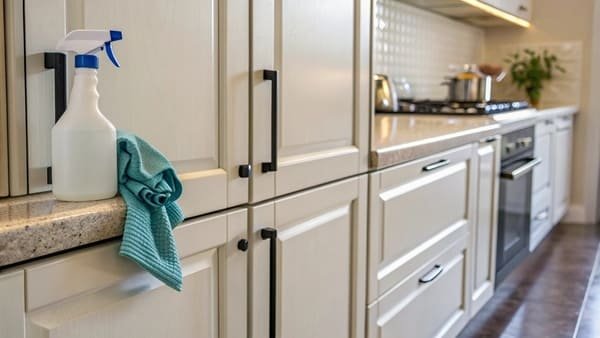
The absolute best and safest thing to clean kitchen cabinet doors with is a homemade solution of lukewarm water mixed with a tiny amount of mild dish soap. This gentle mixture effectively removes grease and grime without harming the door’s finish, making it the superior choice.
Dive Deeper
In my business, we supply hardware to door and furniture factories around the world. We consistently advise them to recommend the simplest cleaning methods5 to their customers. Harsh chemicals are a primary cause of premature aging for both the doors and the hardware finishes. Let’s compare the options so you can see why simple is better.
Why Simple is Superior
A solution of water and mild soap is chemically neutral. It doesn’t react with the lacquers, paints, or laminates used on modern kitchen doors. It cleans by simply breaking down oils (surfactant action) and allowing the cloth to wipe them away. This method preserves the integrity of the factory finish, ensuring the door looks new for as long as possible. Aggressive cleaners can degrade this finish, leading to fading, yellowing, or peeling over time—all things that lead to unhappy customer callbacks.
Cleaner Comparison Table
To make it clear for your clients, here’s a simple table that outlines what to use and what to avoid.
| Cleaner Type | Suitability for Kitchen Doors | Why? |
|---|---|---|
| Mild Soap & Water | Excellent / Recommended | Gentle on all finishes, effective against grease, and has no side effects. |
| All-Purpose Sprays | Use with Caution | Often contain solvents or citrus oils that can damage finishes over time. |
| Vinegar Solution | Risky / Avoid | The acid can dull or etch certain finishes, especially high gloss or paint. |
| Abrasive Powders | Avoid at All Costs | Will permanently scratch and ruin the surface of the door. |
| Oil Soaps/Polishes | Avoid | Leaves a residue that builds up, yellows over time, and attracts more dust. |
Sharing this information positions you as an expert who cares about the long-term value of your work.
How to maintain kitchen cupboards for long-term durability?
Are callbacks for warped doors or failing hardware hurting your bottom line? Proper maintenance advice is the key to product longevity. Here’s how you can ensure your installations last.
Long-term maintenance involves more than cleaning. It requires immediate spill management, regular hardware inspections, and protecting doors from excessive heat and moisture. Advise clients to check hinges and sliders semi-annually and always use extractor fans when cooking to manage steam.

Dive Deeper
As a manufacturer of systems like Partition Room Sliding Door Rollers and Cabinet Hinges, I know that durability comes from both quality production and proper care. Your clients may not realize how their daily habits impact the lifespan of their kitchen. Here are the three pillars of maintenance you should communicate to them.
Proactive Moisture Management6
This is the number one rule. Water is the enemy of most cabinet materials, especially at the seams. Any spills, whether it’s water, sauce, or oil, must be wiped up immediately. If liquid is left to sit, it will find its way into the joints of a door or where the door meets the cabinet box. This causes the core material (like MDF or particleboard) to swell, leading to irreversible damage. Furthermore, encourage the consistent use of a range hood or extractor fan during cooking. Steam is just airborne water, and constant exposure to it will have the same damaging effect over time.
Regular Hardware Inspection7
Your job isn’t over once the doors are hung. The best installations are supported by good owner maintenance. Advise your clients that every six months, they should do a quick check of the hardware. This means confirming hinge screws are still tight and making sure cabinet doors align properly. For our sliding door systems, it involves wiping the track clean of debris to ensure a smooth glide. Our hardware is built to last, but a simple, two-minute check-up twice a year prevents small issues, like a loose screw, from becoming a major problem like a sagging door.
Protection from Heat and Impact8
The kitchen is a work zone, but some common habits can cause damage. Counsel clients to avoid placing heat-generating appliances, such as kettles, coffee makers, or toasters, directly underneath wall cabinets. The constant cycle of intense heat and steam can cause finishes to peel and materials to warp. It’s also wise to remind them that while doors are durable, they aren’t indestructible. Slamming them shut or hitting them with hard objects can cause chips and dents that are difficult to repair.
Conclusion
Proper cleaning and regular maintenance are simple. Following these steps ensures your kitchen doors and hardware remain functional and beautiful, safeguarding your reputation and ensuring satisfied clients for years.
Microfiber cloths are essential for effective cleaning without damaging surfaces. Discover their unique benefits and how they can enhance your cleaning routine. ↩
Understanding the right all-purpose cleaners can protect your cabinetry from damage. Explore options that are safe and effective for your kitchen. ↩
Microfiber cloths are highly effective for cleaning surfaces without scratching, making them essential for a deep clean. ↩
Mild dish soap is gentle yet effective, ensuring a thorough clean without damaging surfaces or leaving harmful residues. ↩
Explore various cleaning methods to find the best practices for maintaining kitchen doors. ↩
Explore this link to learn effective moisture management techniques that can significantly extend the life of your kitchen cabinets. ↩
This resource provides insights on the importance of regular inspections to maintain the functionality and longevity of your kitchen hardware. ↩
Discover strategies to protect your kitchen from heat and impact damage, ensuring your cabinets remain in top condition. ↩