
Struggling with swinging doors that steal precious floor space? This creates awkward layouts and makes rooms feel cramped. Pocket doors are a brilliant space-saving solution that slides right into the wall.
Pocket door kits are perfect for areas where space is tight. They are commonly used in bathrooms, closets, laundry rooms, and pantries. By sliding into the wall, they maximize floor space and create a clean, modern look, improving both the feel and function of a room.
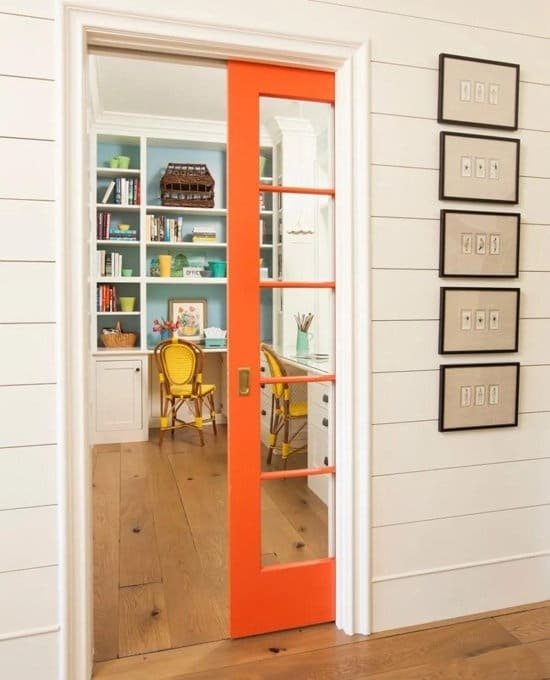
pocket doors are a fantastic way to solve space issues. I’ve seen them completely transform a small room. But before you plan to use them everywhere, you need to know their limits and where they truly shine. It’s a question I get all the time from customers like Jacky, who are always looking for the best solutions for their projects. Let’s walk through the key things to consider so you can use them effectively. This will help you plan better and give your clients the best results.
Where can you not put a pocket door?
You see a perfect spot for a pocket door, but are worried it might not work. Installing it in the wrong wall can cause major structural or electrical problems. Knowing the limits helps you plan right.
You should not install a pocket door in most load-bearing walls without consulting an engineer. Also, avoid walls filled with plumbing, electrical wiring, or HVAC ducts. The wall must also be thick enough to hold the entire pocket door frame inside it.

When we talk to contractors and distributors, we always stress the importance of checking the wall first. A pocket door needs a hollow space, or "pocket," to slide into. This creates some important restrictions. You have to be careful about where you decide to install one.
Key Wall Limitations for Pocket Doors
The main problem is what’s already inside the wall. If a wall is supporting the weight of the floor above it, it’s a load-bearing wall1. Cutting a large opening for a pocket door can weaken the structure of the building. It’s possible, but you need to add a strong header above the opening to carry the load, and a structural engineer must approve it. This adds a lot of cost and work. Other walls contain essential services. Rerouting plumbing pipes2 or a lot of electrical wiring can be difficult and expensive. For these reasons, choosing the right wall from the start is the most important step.
| Wall Type | Installation Feasibility | Key Considerations |
|---|---|---|
| Load-Bearing Wall | Difficult, with expert help | A new, larger header is required to support the structural load. You must consult a structural engineer. |
| Wall with Plumbing/Wiring | Very Challenging | Pipes and wires must be moved, which can be expensive and complex. Always check local building codes first. |
| Exterior Wall | Not Recommended | It compromises the wall’s insulation and weatherproofing, leading to energy loss and potential moisture problems. |
| Thin Interior Wall | No | The wall must be at least a standard 2×4 construction (~4.5 inches thick) to fit the door and frame. |
Can you put a pocket door anywhere?
Pocket doors seem very useful, and you might think they can be a universal solution. But assuming a pocket door fits anywhere can lead to design problems and failed installations. Understanding their best uses ensures success.
No, you cannot put a pocket door just anywhere. The ideal location is a non-load-bearing interior wall that is wide enough for the door to slide into. This wall section must be free of obstacles like pipes, wires, and light switches.
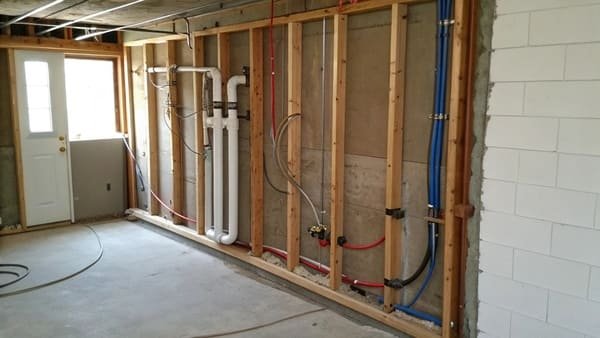
While they are not a fit for every single wall, pocket doors are incredibly versatile when used in the right places. The key is planning. Before you decide, you must measure the wall to ensure it’s wide enough to contain the entire door when it’s open. For a 30-inch door, you need about 62 inches of total wall space to accommodate the door and the pocket frame. We’ve worked with many furniture and door factories who integrate our systems into their designs. They know that success comes from designing the space for the pocket door, not just trying to force one in. This advanced planning makes installation smooth and guarantees the door will function perfectly for years. It’s about finding that perfect spot where the door can solve a problem without creating a new one.
Finding the Perfect Spot for Your Pocket Door
The best places for pocket doors3 are where they add convenience without compromise. Think about entryways into small rooms that connect to a main hallway. Using a pocket door here keeps the hallway clear. Double pocket doors3 are a great choice for wide openings between a living room and a dining area. They allow you to create an open-plan feel or a more private, formal space when needed. In my experience, frosted glass pocket doors4s](https://www.vividdoors.co.uk/blog/are-pocket-doors-a-good-idea)[^3] are becoming very popular for master bathrooms and offices. They provide privacy while still letting natural light flow between the rooms, making both spaces feel bigger and brighter. It all comes down to matching the right kind of pocket door and hardware to the right location.
Why are pocket doors not used anymore?
You might think pocket doors are a great idea, but you don’t see them everywhere. This can make you worry they are outdated or have big problems. The truth is, they’re making a huge comeback with modern hardware.
This is a myth! Pocket doors are actually becoming more popular again. They used to have a bad reputation because old, cheap hardware would get stuck or break easily. Modern systems, with high-quality and smooth rollers, have fixed these old problems.
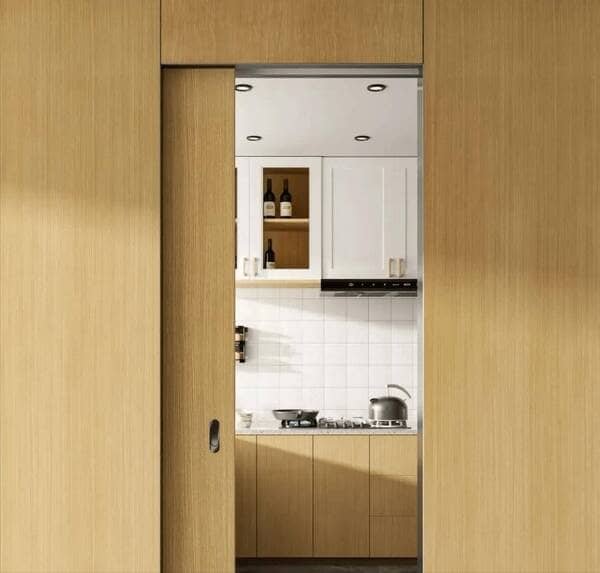
The biggest reason for the renewed interest in pocket doors is the huge improvement in hardware technology. As a manufacturer, this is where we focus our energy. The problems of the past are gone. Old pocket doors used flimsy tracks and plastic rollers that would wear out, get jammed with dirt, and cause the door to fall off the track. It was a nightmare to fix because you had to open up the wall. I remember a distributor customer, much like Jacky, who told me he avoided pocket doors because they always led to complaints. We sent him samples of our new heavy-duty soft-close kits. He saw the difference immediately. Now, those kits are a top seller for his high-end apartment projects.
The Evolution of Pocket Door Hardware
Today’s hardware is designed for durability and ease of use. The tracks are made from strong, extruded aluminum that won’t bend. The rollers use high-quality ball bearings for a super smooth and quiet glide. Our systems can handle very heavy wooden or glass doors without any strain. Even better, modern design allows for easy access. You can now adjust or even remove the door for maintenance without tearing down the drywall.
| Feature | Old Hardware (The Problem) | Modern Opensliding Hardware (The Solution) |
|---|---|---|
| Rollers | Flimsy plastic, jammed easily, noisy | Heavy-duty steel or nylon with ball bearings for a smooth, quiet glide. |
| Track | Thin metal that bent easily, causing derailment | Rigid, strong extruded aluminum track that supports heavy doors without bending. |
| Accessibility | Very difficult to repair without opening the wall | Smart design allows the door to be removed from the track without drywall demolition. |
| Features | Just basic opening and closing | Soft-close mechanisms, push-to-open options, and systems for very heavy doors are standard. |
Where are pocket doors used?
You know the basics, but you need some good ideas for where pocket doors work best. Without clear examples, you could miss chances to add real value for your customers. Let’s look at the best uses.
Pocket doors are most popular where a swinging door is awkward. This includes small bathrooms, walk-in closets, laundry rooms, and pantries. They are also excellent for creating flexible rooms, like separating a home office from a living room.

The main benefit of a pocket door is saving space. So, the best applications are in rooms where every square inch matters. Instead of a door swinging out and blocking a narrow hallway, a pocket door disappears and keeps the path clear. This simple change can make a home feel much more open and thoughtfully designed. We supply our hardware to builders and contractors who use them in all kinds of projects, from new homes to renovations. The feedback is always the same: they solve spatial problems that traditional doors just can’t. It’s not just about function; it’s also about creating a cleaner, more minimalist look, which is very popular in design today.
Top Applications for Modern Pocket Doors
Here are some of the most effective places to use a pocket door5:
- Bathrooms: Perfect for small powder rooms or master bathrooms where a swinging door would hit the toilet or vanity. It makes a tight space feel more open.
- Walk-in Closets: Using a pocket door5 means you don’t have to leave clear floor space for the door to swing. This frees up more room for storage and makes it easier to move around.
- Pantries & Laundry Rooms: These spaces are often narrow and busy. A pocket door5 stays out of the way, which is safer and more convenient when you’re carrying laundry or groceries.
- Home Offices: A pocket door5 can separate your workspace from a living area. You can close it for privacy during work calls and then open it up to integrate the spaces after work.
- Dividing Large Rooms: Double pocket door5s are great for dividing a large living and dining area. This gives you the flexibility of an open-plan layout or separate, cozy rooms.
Conclusion
Pocket doors are a smart, space-saving choice for many areas. With today’s reliable hardware, they provide clean looks and excellent function, making them a top pick for modern home design.
Understanding the implications of modifying a load-bearing wall is crucial for safe renovations. ↩
Rerouting plumbing pipes can be complex; exploring expert resources can save time and money. ↩
Explore the advantages of pocket doors to enhance your home’s functionality and aesthetics. ↩ ↩
Discover how frosted glass pocket doors can transform your space by balancing privacy and natural light. ↩
Explore the advantages of pocket doors in home design, enhancing space efficiency and aesthetics. ↩ ↩ ↩ ↩ ↩