
Struggling with bulky doors that waste precious floor space? This constant battle for room in tight areas can be frustrating, limiting your design and furniture layout. Pocket doors are your solution.
Pocket doors are best used to save space in areas where a swinging door would be awkward or intrusive. This includes bathrooms, closets, laundry rooms, and home offices. They also excel at creating flexible divisions in open-plan living and dining areas, offering privacy when needed.

Pocket doors are one of the smartest design choices for modern living. They slide neatly into a hidden cavity in the wall, completely disappearing when open. This creates a clean, minimalist look and frees up valuable square footage. I’ve worked with countless contractors and designers who use them to solve tricky layout problems. But before you decide to put them everywhere, it’s important to understand where they work best and what their limitations are. Let’s explore the specifics so you can make an informed decision for your project.
Can you put a pocket door anywhere?
You love the space-saving magic of pocket doors and want to use them everywhere. But you worry about hitting a structural wall or a hidden pipe. Let’s clarify the possibilities.
Mostly, yes, you can install a pocket door in many interior walls. The key requirements are that the wall is thick enough to house the door and track, is not load-bearing (or can be reinforced), and is free from major plumbing and electrical systems.

A Deeper Look at Wall Suitability
In my experience as a hardware manufacturer, the question isn’t just if you can install a pocket door1, but how to do it right. The success of the installation depends entirely on the wall’s structure and what’s inside it. For my clients, like purchasing managers at door factories, getting this right prevents costly callbacks and ensures customer satisfaction.
A standard 2×4 stud wall is typically deep enough for a standard pocket door1 frame. However, you must check for obstructions. A simple stud finder can detect studs, but you might need a more advanced scanner for pipes and wires. If you’re dealing with a load-bearing wall2, it’s not a deal-breaker, but you absolutely need to hire a structural engineer or an experienced contractor. They will install a proper header above the pocket door1 frame to carry the weight that the removed studs once supported. This is a critical step that cannot be skipped.
| Wall Type | Feasibility | Key Consideration |
|---|---|---|
| Non-Load-Bearing Drywall | High | Easiest installation. Check for wiring/pipes. |
| Load-Bearing Drywall | Medium | Requires a new, properly sized header. Professional help is essential. |
| Plaster and Lath | Medium | More labor-intensive to open and repair. |
| Thin Walls (<3.5 inches) | Low | Not thick enough to accommodate the pocket door1 frame and hardware. |
Where can you not put a pocket door?
You are ready to start cutting into the wall for your new pocket door. But choosing the wrong spot can lead to a structural nightmare or an expensive plumbing disaster. Know the no-go zones first.
You cannot install a pocket door in walls containing essential plumbing stacks, electrical panels, or HVAC returns. It’s also highly inadvisable for exterior walls, as it compromises insulation, and in walls that are too thin to house the mechanism.
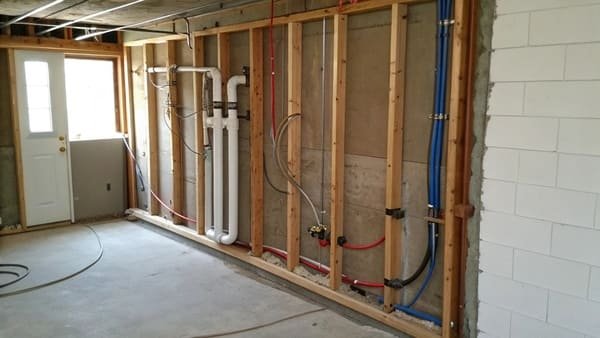
Certain walls are simply not candidates for a pocket door, and it’s crucial to identify them early. For a purchasing professional like Jacky in Canada, avoiding these problem areas saves his company time, money, and headaches. The biggest red flag is a "wet wall"—one that contains the main plumbing pipes for a bathroom or kitchen sink. Rerouting this plumbing is a major, expensive job.
Similarly, a wall that houses your home’s main electrical breaker panel is off-limits. While relocating a single outlet is manageable, moving an entire panel is a complex task for a licensed electrician. You also have to consider the home’s structure. While I mentioned that load-bearing walls can be modified, sometimes the complexity and cost are prohibitive. Finally, exterior walls are poor choices because the pocket cavity removes space needed for insulation, creating a cold spot and potentially leading to condensation and moisture problems. Always check what’s inside the wall before you plan your installation.
What is the disadvantage of a pocket door?
Pocket doors seem like the perfect fix for tight spaces. But you’ve heard they can be noisy, weak, and a pain to fix if something goes wrong. Let’s investigate the real downsides.
The main disadvantages are a more complex installation, higher upfront cost compared to slab doors, and potential difficulty with repairs. They also provide less of a seal for sound and light, and cheap hardware can be noisy and unreliable.
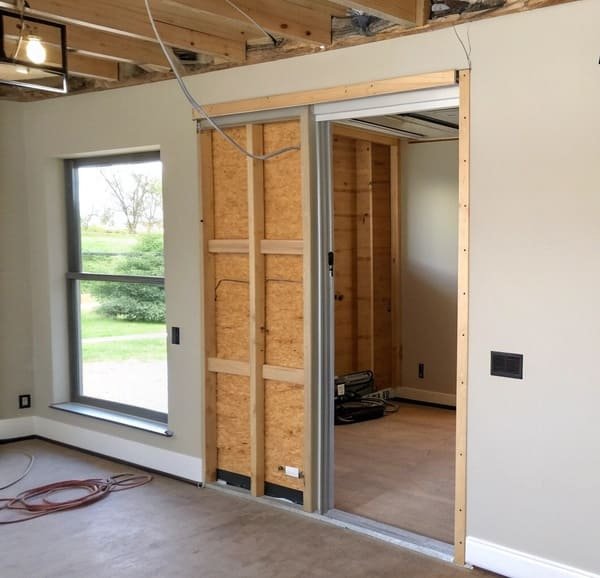
Weighing the Pros and Cons
As a supplier, I always advise my B2B clients to be transparent with their customers about the downsides. The biggest concern I hear is about long-term reliability3. What happens if a roller breaks? With a traditional door, you can replace a hinge in minutes. With a pocket door, a failure could mean opening up the wall again. This is precisely why investing in top-quality hardware is not just a recommendation; it’s essential. Cheap systems use plastic wheels and flimsy tracks that get noisy, jam, or break.
At opensliding, our systems use high-quality components like heavy-duty rollers and robust aluminum tracks. We also offer features like soft-closing mechanisms that prevent slamming and reduce wear and tear. This significantly minimizes the risk of failure. For a purchaser like Jacky, choosing a premium hardware system4 means a higher initial cost per unit, but it drastically reduces the lifetime cost by eliminating expensive repair jobs and maintaining brand reputation.
| Disadvantage | The opensliding Solution / Mitigation |
|---|---|
| Difficult Repairs | Our hardware uses durable ball-bearing rollers and heavy-duty tracks designed for decades of use, minimizing failure risk. |
| Noisy Operation | We offer soft-close and soft-open systems for silent, smooth gliding. Quality materials prevent rattling. |
| Poor Seal (Sound/Light) | While no pocket door seals perfectly, our systems can be paired with brush strips and seals to significantly reduce gaps. |
| Higher Initial Cost | Our focus on quality provides better long-term value, preventing costly repairs and ensuring end-user satisfaction. |
Conclusion
Pocket doors are a fantastic space-saving solution for tight areas like bathrooms and closets, but they demand careful planning. Avoid walls with utilities and invest in quality hardware to ensure reliability.
Explore this link to learn essential tips and techniques for a successful pocket door installation. ↩ ↩ ↩ ↩
Understanding load-bearing walls is crucial; this resource will guide you through identification and necessary precautions. ↩
Understanding long-term reliability can help you make informed decisions about hardware investments, ensuring durability and cost-effectiveness. ↩
Exploring the benefits of premium hardware systems can reveal how they save money in the long run and enhance overall performance. ↩