
Choosing the right door feels overwhelming. A wrong decision means wasted space, a dated look, or a blown budget. Understanding the key differences makes the choice simple and effective.
Yes, sliding door kits can be more advantageous. They are superior for saving space, creating a modern aesthetic, and enabling flexible, open-plan layouts. Hinged doors, however, are often better for insulation, security, and are typically more cost-effective. The best choice depends on your specific priorities.
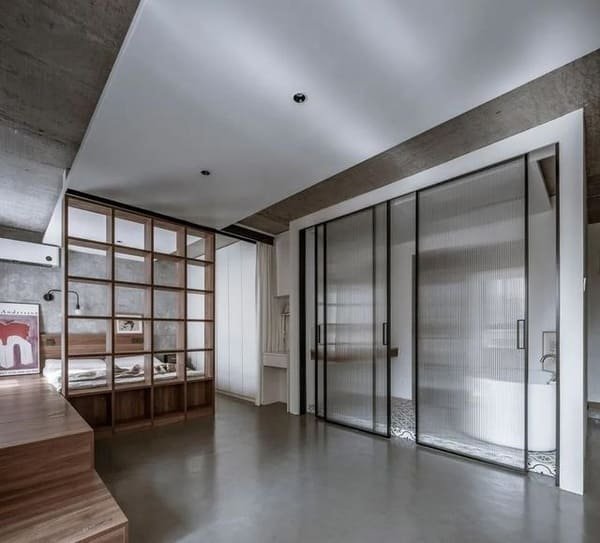
The answer isn’t a simple yes or no. You need to weigh the pros and cons for your specific project. I’ve spent years manufacturing door hardware for every type of application, and I’ve helped countless clients, from furniture factories to construction contractors, make this exact decision. Let’s dive deeper into the specific questions you’re probably asking to help you find the perfect solution for your needs.
Are sliding doors better than hinged doors?
Deciding between a sleek sliding door and a classic hinged door can stop a project in its tracks. You worry about picking style over function and ending up with a bad fit.
This is a common question I get from buyers like Jacky, a purchasing manager in Canada. For him, "better" changes with each project. Sliding doors are often better in tight spaces or for creating an open feel. Hinged doors usually offer better sealing for sound and temperature control.
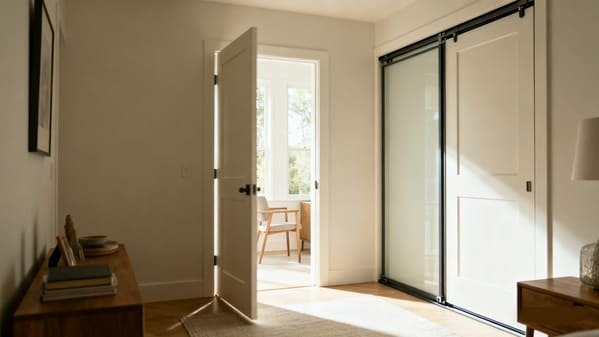
The term "better" really depends on the job. To make a clear choice, we need to compare them across a few key areas. I work with clients who build everything from high-end condos to traditional family homes, and the door choice is always a crucial discussion. Let’s break it down to see which one performs better for your specific needs.
Space Efficiency vs. Sealing
A hinged door1 needs a clear "swing zone" to open, which consumes valuable floor space. For a standard door, this can be about 9 square feet of unusable area. In contrast, a sliding door2 glides along a track parallel to the wall, consuming virtually no floor space. This is why for apartment projects, my clients almost always prefer our wardrobe sliding wheel systems.
Aesthetics and Usability
Hinged doors offer a classic, traditional look. They are familiar and simple to operate. Sliding doors, especially barn doors or pocket doors, provide a modern, minimalist aesthetic. They can act as a design feature. However, they may be harder for some people to operate, and achieving a perfect seal for privacy can be a challenge.
Here is a simple table to compare them:
| Feature | Sliding Door | Hinged Door |
|---|---|---|
| Space Usage | Excellent; saves floor space. | Poor; requires a clear swing area. |
| Aesthetics | Modern, clean lines, can be a feature. | Traditional, classic, widely accepted. |
| Insulation | Fair; gaps can allow sound and air to pass. | Excellent; creates a tight seal when closed. |
| Installation | More complex, requires precise track alignment. | Simpler, standard process for most builders. |
| Cost | Generally higher, especially for quality kits. | Generally lower for basic models. |
For a project that values a modern feel and space maximization, a sliding door2 is clearly the better choice. For a bedroom where privacy and quiet are key, a hinged door1 usually wins.
What are the disadvantages of sliding doors?
You love the modern look of sliding doors. But you have nagging concerns about hidden problems. What if they are noisy, drafty, or hard to maintain? This hesitation is understandable.
The main downsides of sliding doors are poorer sound and light insulation, the need for a perfectly installed track to avoid issues, and often a higher initial cost for a quality system. Unlike a hinged door, they don’t create a complete seal, which can be a problem for bathrooms or bedrooms.
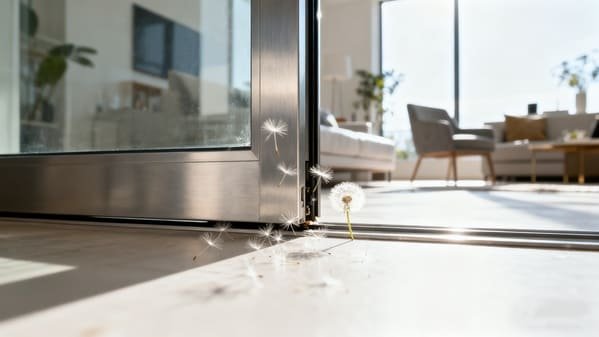
Knowing these potential issues is the first step to avoiding them. Over the years, I’ve seen clients try to cut costs with cheap hardware, and it almost always backfires. The key is to understand the weakness and solve it with the right high-quality components, which is what my factory, Opensliding, specializes in.
Sealing and Privacy
The biggest complaint about sliding doors is the gap. Because the door hangs and slides in front of or into a wall, there is always a small space around the edges. This allows sound, light, and drafts to pass through. For a bathroom or a boardroom, this is a major problem. The solution is to use the right accessories. We produce high-density brush strips3 and rubber seals that can be fitted to the door and frame. When combined with our soft-close systems, which pull the door gently into its final position, you can significantly improve the seal and enhance privacy.
Maintenance and Durability
A poorly installed or low-quality sliding door will come off its track. The rollers can wear out, causing a grinding noise and jerky movement. This is a common fear for contractors. The durability of a sliding door depends almost entirely on the quality of the hardware. Our heavy-duty lifting wheels4, for example, are made with top-grade bearings and materials designed for tens of thousands of cycles. By choosing a robust system rated for your door’s weight, you ensure smooth, quiet operation for years with minimal maintenance.
| Disadvantage | Low-Quality System Issue | High-Quality System Solution (like from Opensliding) |
|---|---|---|
| Poor Seal | Noticeable gaps for light/sound. | Use brush strips, rubber seals, and soft-close mechanisms. |
| Track Issues | Door jams or comes off the track. | Use precision-engineered tracks and durable roller wheels. |
| Noise | Grinding or loud rolling sounds. | Choose systems with high-quality bearings and nylon wheels. |
| Difficult Operation | Heavy or hard to move. | Select a system rated for the door’s weight. |
Is a sliding door better than a normal door?
Hinged doors are the "normal" choice. They are familiar and reliable. But you wonder if they are the best fit for modern projects where space and style are critical.
A sliding door is often better than a "normal" hinged door for specific jobs like closets, room dividers, and in any room with limited floor space. For a front door or a bedroom where security and a tight seal are the top priorities, a normal hinged door is usually superior.
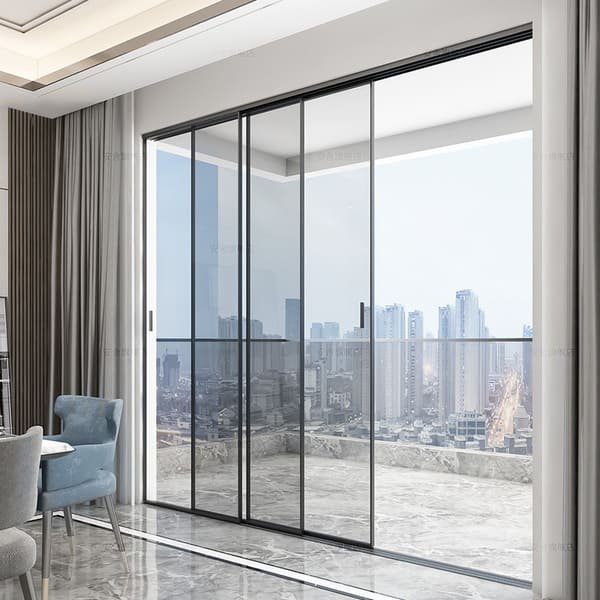
The a "normal" door isn’t always the best door. As a manufacturer of sliding systems, I see furniture designers and architects using them in creative ways. For them, it’s not about replacing every door. It’s about using the right product in the right place to improve functionality and design.
When to Choose Sliding Over Normal
The best use cases for sliding doors5 are places where a swing door is inconvenient. Think about a large wardrobe in a bedroom. Using hinged doors means you can’t place furniture near the closet. With a sliding system, the space remains open and usable. Another great example is creating a flexible space. A client of mine, a commercial office designer, uses our linkage door systems to temporarily divide large meeting rooms into smaller, private offices. The sliding partitions disappear when not needed, creating a large, open area. This level of flexibility is impossible with normal doors6.
Application-Specific Choices
Let’s look at a few common scenarios. When purchasing managers like Jacky source hardware from my factory, they have very specific applications in mind.
| Application | Better Choice | Why? |
|---|---|---|
| Wardrobe/Cabinet | Sliding Door | Saves space in the room; allows for wide, easy access. |
| Bathroom Entrance | Hinged Door | Better privacy and sound/odor control due to a tighter seal. |
| Room Divider | Sliding Door | Offers flexibility to open up or close off spaces as needed. |
| Pantry in Kitchen | Sliding Door | A swing door can block traffic in a busy kitchen; sliding saves space. |
| Bedroom Entrance | Hinged Door | Superior security, sound insulation, and light blocking for sleep. |
The trend is clear: for interior access where space and modern style are priorities, sliding doors5 are often the "better" choice over normal doors6.
Are sliding doors cheaper than hinged doors?
Your project has a strict budget. You need to know which door option will be more cost-effective without causing problems down the line. A bad financial decision can hurt the whole project.
In general, a basic hinged door with standard hardware is cheaper than a complete sliding door kit. The cost of sliding door systems rises with features like soft-close mechanisms and heavy-duty rollers. However, the value added by saving space can sometimes offset this higher initial cost.
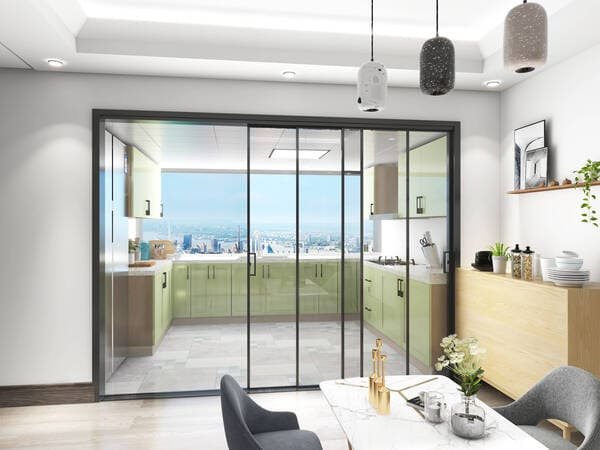
As a factory owner, I deal with the cost of hardware every day. The price tag on the hardware itself is only part of the story. For my B2B clients, the real calculation is about the total project cost and the final market value. It’s not just about spending less; it’s about investing wisely.
Initial Hardware and Installation Costs
The cost difference starts with the components. A hinged door7 needs two or three hinges and a handle, which are relatively inexpensive. A sliding door8 needs a track, rollers, stoppers, and often a floor guide. A quality kit with a soft-close feature will cost significantly more than a set of hinges. Installation can also be more expensive for sliding door8s, especially for pocket doors that require building a false wall. This added labor must be factored into your budget.
Long-Term Value and Total Project Cost
This is where the conversation gets interesting. For a property developer, adding a sliding door8 to a small apartment might cost $150 more than a hinged door7. But by saving 9 square feet of floor space, the apartment feels larger and more functional. This can increase its rental or sale value by far more than the initial $150 investment. My client Jacky understands this well. He might choose our more affordable hinge options for a budget housing project but will invest in our premium sliding door8 systems for luxury condos because the perceived value is much higher.
Here’s a simplified cost breakdown:
| Component | Hinged Door (Estimate) | Sliding Door Kit (Estimate) |
|---|---|---|
| Door Slab | $100 – $500 | $100 – $500 (can be the same door) |
| Hardware | $20 – $60 | $80 – $400+ (depending on quality and features) |
| Installation Labor | $100 – $200 | $150 – $500+ (pocket doors are most expensive) |
| Total Initial Cost | $220 – $760 | $330 – $1400+ |
While hinged door7s are cheaper upfront, sliding door8s can be a smart investment in projects where space and modern design create tangible value.
Conclusion
Sliding doors save space and offer a modern look, while hinged doors provide better sealing and are often cheaper. The best choice depends entirely on your project’s budget, style, and functional needs.
Learn about the benefits of hinged doors, including their classic appeal and excellent insulation, making them a great choice for privacy. ↩ ↩
Explore this link to discover how sliding doors can enhance your home’s design and functionality, maximizing space and style. ↩ ↩
Explore this link to understand how high-density brush strips can enhance the sealing and privacy of your sliding doors. ↩
Learn about heavy-duty lifting wheels and how they ensure smooth operation and durability for sliding doors. ↩
Explore the benefits of sliding doors to understand why they are often preferred for space-saving and modern design. ↩ ↩
Learn about the scenarios where normal doors excel, ensuring you make the best choice for your space. ↩ ↩
Learn about the benefits of hinged doors, including cost-effectiveness and ease of installation, to make an informed choice. ↩ ↩ ↩
Explore the advantages of sliding doors, including space-saving benefits and modern aesthetics that can enhance property value. ↩ ↩ ↩ ↩ ↩