
Struggling with cramped rooms where swinging doors eat up space? This limits your design and makes rooms feel smaller. A Slide & Hide kit frees up that valuable floor space.
The main benefit is saving space. The door slides into a wall cavity, freeing up floor area for furniture. It also creates a clean, minimalist look and offers a smooth, quiet soft-close operation, perfect for small apartments or utility rooms.
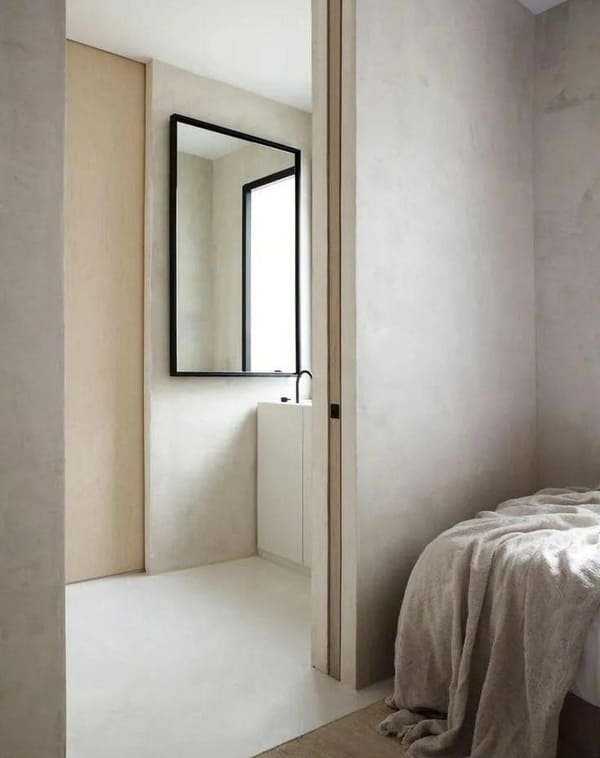
Saving space is a huge plus, but as an experienced professional, you know every product has its pros and cons. To make the best purchasing decision for your projects, it’s important to look at the full picture. My years in the hardware business have taught me that understanding the details is key. So, let’s dive deeper into what you need to consider before placing your next bulk order.
What are the general benefits of using pocket doors?
Looking for an open-plan feel but still need the option for privacy? Swinging doors can interrupt the flow and feel of a space. Pocket doors just vanish, connecting rooms seamlessly.
Pocket doors are excellent space-savers because they don’t swing out. They also offer a clean, modern aesthetic, can improve accessibility for people with mobility challenges, and create flexible living spaces that are easily opened up or closed off as needed.
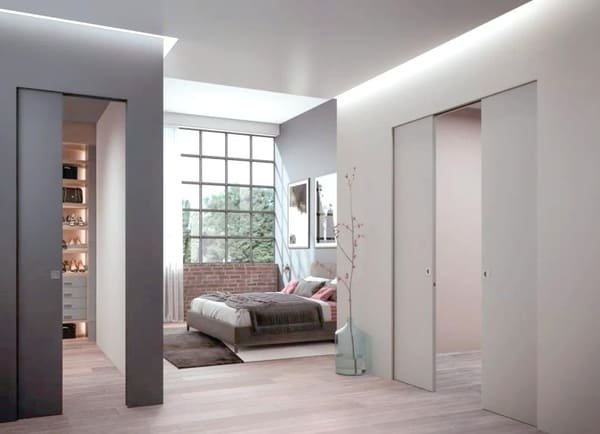
When I talk to contractors and developers, they see pocket doors as more than just a door; they see them as a feature that adds real value. The benefits go beyond just one single advantage.
Maximizing Usable Space
The most obvious benefit is reclaiming floor space. A typical hinged door needs a clear swing arc, which can be about 9-10 square feet of unusable space. In a small apartment or a compact utility room, that’s a significant amount of room. By installing a pocket door1, you give that space back to the end-user, allowing for more flexible furniture placement or simply a more open, uncluttered feel. For your customers, this translates directly into a more functional and valuable property.
Improving Design and Flow
Pocket doors contribute to a minimalist and high-end aesthetic. When the door is open, it disappears completely, creating an uninterrupted sightline between rooms. This is perfect for modern, open-concept designs2. It helps make a home feel larger and more connected. I’ve worked with furniture factories that integrate our systems into large wardrobe units for this very reason—it creates a clean, seamless look that elevates their product design.
| Feature | Standard Hinged Door | Pocket Door |
|---|---|---|
| Floor Space | Requires ~10 sq. ft. of swing space | Requires zero swing space |
| Visuals (Open) | Visible and can clutter a wall | Invisible, creating a clean opening |
| Flexibility | Divides space permanently | Creates flexible, multi-use spaces |
| Aesthetics | Traditional, can look bulky | Modern, minimalist, and sleek |
What exactly is a pocket door slide system?
Curious about the actual mechanics that make a pocket door work? Choosing the wrong hardware can lead to frustrating jams and costly repairs. Understanding the slide system is the key.
A pocket door slide is the complete hardware system that allows the door to move. It includes the overhead track installed inside the wall, a set of rollers that attach to the top of the door, and often a soft-close mechanism for smooth, quiet operation.
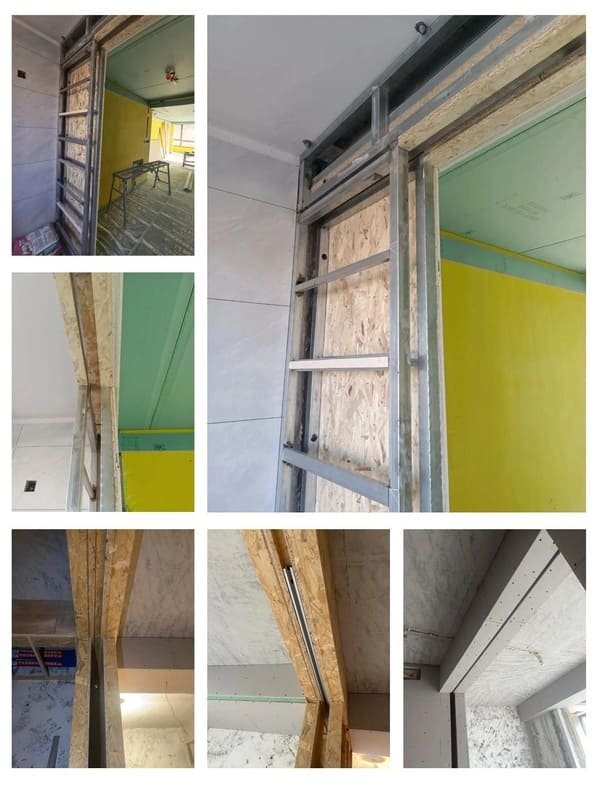
From my factory floor, I can tell you that not all hardware is created equal. The quality of these hidden components determines whether the door will be a dream or a nightmare for the end-user. For a purchaser like you, knowing what to look for is critical to avoid future problems.
Key Components of the System
The core of the system is the track and the rollers. The track, usually made from extruded aluminum, must be perfectly straight and strong to prevent sagging or twisting over time. The rollers, or trolleys, attach to the door and contain bearings that glide within the track. Our heavy-duty systems use high-quality ball bearings3 for an ultra-smooth and quiet roll, even with heavy solid-core doors. We also integrate soft-close dampers4, which are small hydraulic devices that catch the door and pull it gently shut, preventing slams.
Quality You Can’t See
Since the hardware is sealed inside a wall, its reliability is everything. A cheap system might save money upfront, but a failure means tearing open the wall for a repair, a huge cost. That’s why we focus on durability. We test our rollers for tens of thousands of cycles to ensure they last. For your projects, specifying a high-quality kit isn’t an expense; it’s insurance against callbacks and unhappy clients.
| Component | Function | What to Look For |
|---|---|---|
| Track | Guides the door’s movement | Strong, straight aluminum; won’t warp |
| Rollers/Trolleys | Carries the door’s weight | High-quality bearings; high weight capacity |
| Soft-Close Damper | Prevents slamming | Smooth, reliable action; durability tested |
| Frame Kit | Creates the "pocket" in the wall | Sturdy steel-wrapped studs to prevent warping |
But what are the potential disadvantages of a pocket sliding door?
Worried about the potential downsides of pocket doors? A complex installation or a maintenance issue can become a major concern. Understanding the challenges helps you prepare and choose wisely.
Disadvantages include a more complex installation compared to standard doors and potential difficulty with repairs once the wall is closed. They may also offer less effective sound and light insulation, and the wall cavity cannot be used for wiring or outlets.
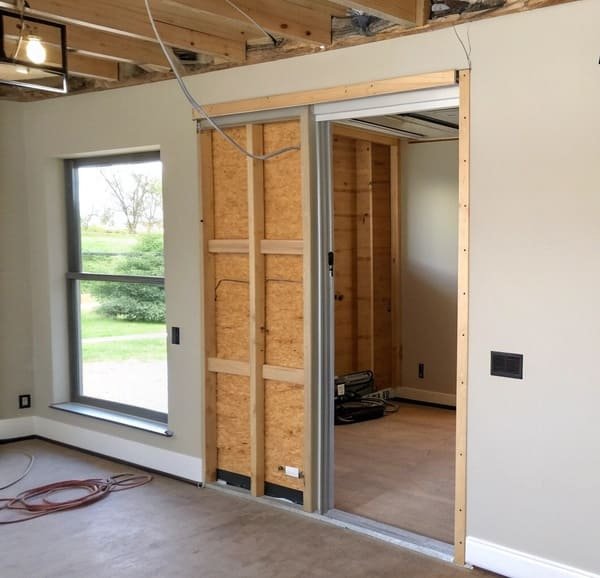
It’s important to be honest about the challenges. I believe that knowing the potential downsides helps you make a better decision and plan your project properly. In my experience, every one of these disadvantages can be managed with the right product and the right installation process.
Installation and Repair Complexity
Installing a pocket door frame is not as simple as hanging a standard door. It requires opening the wall and building a new, reinforced cavity. This is a job for an experienced professional. The concern about repairs is also valid. If a cheap roller fails, you have a big problem. This is exactly why I tell all my clients that investing in a top-quality hardware system is the most important step. A system with a durable track and heavy-duty rollers, like the ones we manufacture, is far less likely to ever fail. Quality hardware is your best defense against future repair costs.
Practical Limitations
A wall with a pocket door inside it is hollow, so you can’t hang heavy items like televisions or large shelves on it. You also cannot run electrical wiring or plumbing through that section of the wall. This requires some advance planning during the design phase. In terms of sound insulation, pocket doors don’t seal as tightly as a traditional hinged door. However, we offer brush strips and rubber seals that can be added to the door jamb to significantly reduce drafts and noise.
| Disadvantage | How to Manage It |
|---|---|
| Complex Installation | Hire experienced installers. Use a complete kit for accuracy. |
| Difficult Repairs | Invest in high-quality, durable hardware4 to prevent failure. |
| Wall Cavity Use | Plan electrical and plumbing layout in advance to avoid the pocket. |
| Poor Sound/Light Seal | Add brush strips or gasket seals to the door frame. |
Conclusion
Slide & Hide kits save valuable space and add modern style. By choosing high-quality hardware, you get all the benefits while minimizing the potential downsides for your projects.
Explore the advantages of pocket doors, including space-saving and aesthetic benefits, to enhance your home design. ↩
Learn how open-concept designs can create a more spacious and connected living environment, maximizing your home’s potential. ↩
Explore this link to understand how high-quality ball bearings enhance the performance and longevity of door systems. ↩
Learn about soft-close dampers and their role in preventing door slams, ensuring a smooth and quiet operation. ↩ ↩