
Struggling with cramped spaces and awkward door swings? This eats up valuable floor area, limiting your design options and making rooms feel smaller. Pocket doors are the elegant, space-saving solution.
Pocket doors are growing in popularity because they save valuable floor space by sliding into the wall, unlike traditional swinging doors. This feature is perfect for modern open-concept living, creating a minimalist look while offering the flexibility to easily divide or open up rooms. Modern, high-quality hardware also makes them smoother and more reliable than ever.

The comeback of the pocket door isn’t just a fleeting trend. As a hardware manufacturer, I’ve seen the demand for our systems grow year after year. Purchasers like you are looking for solutions that meet the modern demands for both style and function. But I know you have questions about performance, style, and value. Let’s break down exactly why this classic design is becoming a modern essential.
Are pocket doors still in style?
Worried that a design choice will look dated too quickly? Choosing a feature that falls out of fashion can make an entire project feel old. Pocket doors are a timeless choice that complements any modern interior.
Yes, pocket doors are very much in style. They align perfectly with current design trends like minimalism, open-concept living, and creating multi-functional spaces. Their clean lines and unobtrusive nature make them a favorite choice for architects, designers, and discerning homeowners looking for a sleek finish.
The Minimalist Appeal
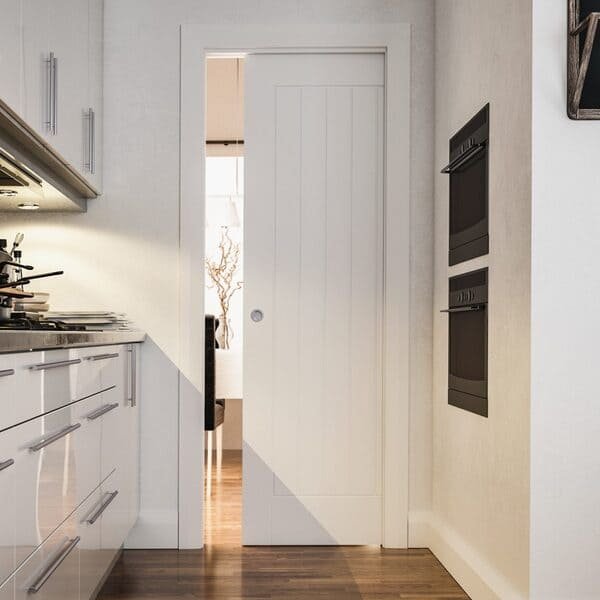
The biggest driver of the pocket door’s resurgence is the demand for minimalist design1. Modern aesthetics are all about clean lines and uncluttered spaces. A traditional hinged door, when open, is a visual interruption. A pocket door simply disappears. This creates a seamless flow between rooms that is impossible to achieve otherwise. In my factory, we’ve focused on designing hardware systems that enhance this effect. Our tracks are hidden, and our rollers are engineered for silent operation. The goal is for the door to feel like a moving part of the wall, not a separate, bulky object. This minimalist approach gives any room a more spacious and high-end feel.
The Open-Concept Enabler
Open-concept floor plans are standard now, but people still want the option for privacy. Pocket doors are the perfect solution. They allow a space like a home office, a playroom, or a dining area to be completely open to the main living space. When needed, the doors can be closed for privacy or to hide a mess, all without a door swing getting in the way of furniture or foot traffic. This flexibility is a huge selling point. It allows homeowners to adapt their space to their needs, which is a feature everyone wants.
What are the negatives of pocket doors?
Hesitant to specify pocket doors because of their old reputation? Past issues with jamming or wobbling doors can make any purchaser cautious. A failure reflects poorly on your project’s quality and your choice of supplier. Understanding the potential downsides and choosing premium hardware from the start prevents these problems.
The main negatives of pocket doors are a more complex installation process compared to hinged doors and limitations on what can be placed inside the wall pocket. Historically, they also had a reputation for poor performance, but modern, high-quality hardware systems have virtually eliminated issues like jamming or falling off the track.
Hardware is Everything
Let me be direct: almost every complaint about a pocket door comes down to low-quality hardware. The old systems from decades ago used cheap plastic rollers and flimsy tracks. They would wear out, get clogged with debris, and cause the door to wobble or jump the track. It’s why they got a bad reputation. Today, the technology is completely different. As a manufacturer, this is my area of expertise. Our modern systems at opensliding use heavy-duty extruded aluminum tracks2 that won’t bend. The hangers feature large, ball-bearing wheels for an incredibly smooth and quiet glide. We also build in features like soft-close mechanisms3 and anti-jump clips. When you invest in a quality hardware kit, the door will function perfectly for years.
| Feature | Old Pocket Door Hardware | Modern Opensliding Hardware |
|---|---|---|
| Rollers | Small, plastic, prone to wear | Large, ball-bearing, quiet operation |
| Track | Flimsy aluminum, easily bent | Heavy-duty extruded aluminum or steel |
| Stability | Wobbly, prone to jumping track | Anti-jump mechanisms, sturdy frame |
| Features | Basic sliding | Soft-close and soft-open available |
Installation and Wall Limitations
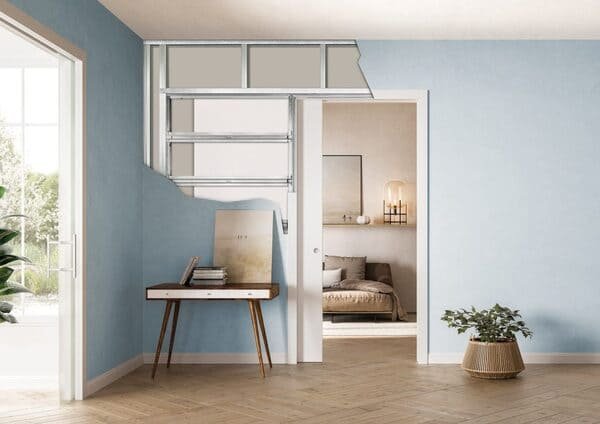
The other major consideration is installation. Installing a pocket door is not a simple task for a DIY-er; it requires opening up a wall. It’s best planned during new construction or a major remodel. The wall that holds the door "pocket" also has limitations. You cannot run electrical wiring or plumbing through that section of the wall. You also can’t hang heavy items like a television or large piece of art on it. However, with careful planning during the design phase, these limitations are easy to work around. The immense benefit of the gained floor space almost always outweighs these minor planning constraints for my clients.
When did pocket doors become popular?
Think pocket doors are just a modern fad? Their long history might surprise you and your clients. Believing they are just a current trend might make you hesitant to use them. In reality, pocket doors have a rich history, proving their lasting appeal and timeless functionality for over a century.
Pocket doors first became popular during the Victorian era in the late 19th century. They were a feature in grand homes, used to create flexible divisions between parlors and dining rooms. After falling out of favor in the mid-20th century, they are now experiencing a major resurgence.
Victorian Era Grandeur
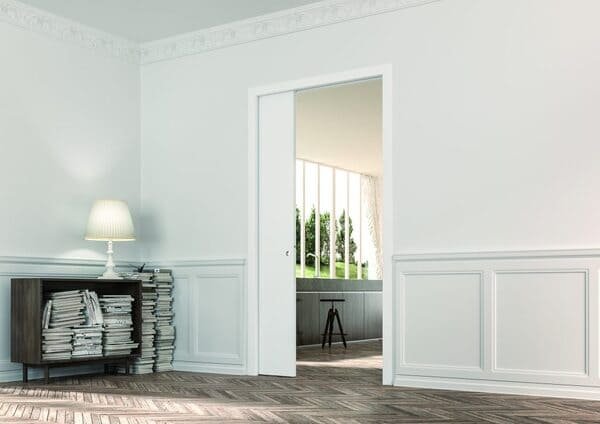
The original pocket doors4 were a symbol of luxury and clever design in the late 1800s. You would find them in large Victorian homes5, often as massive, heavy pairs of ornate wooden doors. They were used to separate formal living rooms from dining rooms or libraries. This allowed hosts to create either one large, flowing space for grand parties or close off the rooms for more intimate gatherings. The ability to transform a space was just as valuable then as it is now. These early systems proved the concept, but the hardware was bulky and difficult to operate by today’s standards.
Mid-Century Decline
So, what happened? After World War II, construction booms favored speed and cost-effectiveness. Building simple, affordable housing was the priority. Prefabricated hinged doors and simple wall frames were much cheaper and faster to install than pocket doors4. The hardware available at the time was also not very reliable, which further damaged their reputation. As homes became smaller and construction methods simpler, the intricate carpentry required for a pocket door was seen as an unnecessary expense, and they largely disappeared from mainstream building.
Do pocket doors increase home value?
Wondering if a pocket door is a good investment? Every design decision you make impacts the project’s bottom line. Choosing features that don’t add real, tangible value can hurt profitability. Pocket doors can increase a home’s value by improving functionality, maximizing space, and adding a premium feel.
Yes, pocket doors can increase home value. They are a desirable feature that enhances functionality and creates a sense of more usable space. By solving common layout problems and adding a custom, high-end touch, they become an attractive selling point for potential homebuyers and can be noted by appraisers.
The Value of Usable Space
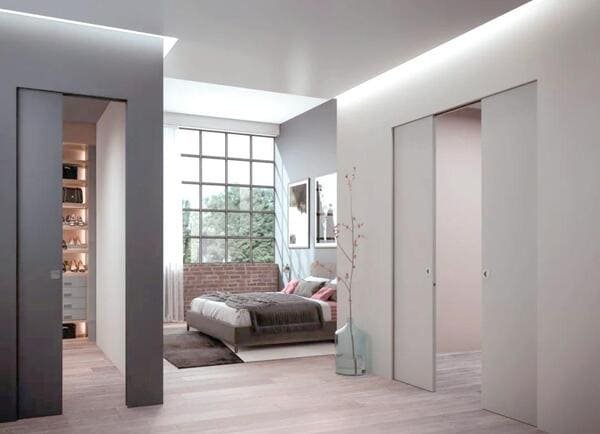
The most direct way a pocket door adds value is by creating more usable floor space6. A typical hinged door needs about 10 square feet of clear floor space to swing open. In a small bathroom, a tight laundry room, or a compact office, that is a huge amount of wasted area. By installing a pocket door, you reclaim that entire space for furniture, storage, or just better flow. This is not just a cosmetic upgrade; it’s a functional improvement that makes a home live larger than its square footage suggests. This practical benefit is something homebuyers immediately understand and are willing to pay more for.
Solving Awkward Layouts
Pocket doors shine in their ability to solve awkward layout challenges7 where a swinging door is simply impractical. Think of a master bedroom with an attached en-suite bathroom. Often, the bathroom and closet doors conflict with the main bedroom door. Replacing them with pocket doors solves the problem instantly and makes the entire suite feel more luxurious and well-designed. The same goes for separating a dining room from a kitchen or closing off a pantry. These thoughtful solutions show a level of quality and design consideration that elevates the entire property, directly contributing to its market value and appeal.
Conclusion
Pocket doors are back for good. They save space, enhance design, add real value, and with modern hardware, they are more reliable and stylish than ever before.
Exploring this link will provide insights into how minimalist design can enhance your living space and overall well-being. ↩
Explore this link to understand how heavy-duty tracks enhance durability and performance in pocket door systems. ↩
Discover the advantages of soft-close mechanisms for pocket doors, ensuring a smooth and quiet operation. ↩
Explore the advantages of pocket doors, including space-saving features and aesthetic appeal, to enhance your home design. ↩ ↩
Discover the unique architectural features and historical significance of Victorian homes to appreciate their grandeur. ↩
Exploring this link will provide insights on maximizing space in your home, enhancing both functionality and aesthetics. ↩
This resource will help you understand how pocket doors can transform challenging spaces into functional areas, boosting your home’s appeal. ↩