
Struggling to pick the right sliding door system? A wrong choice can hurt your project and budget. Here’s a simple guide to get it right every time.
To choose the best sliding door system, first define your project’s goals, like aesthetics, budget, and space. Then, evaluate key factors like frame material, door type (standard or pocket), the track system, energy efficiency, and security features to find the perfect match for your needs.
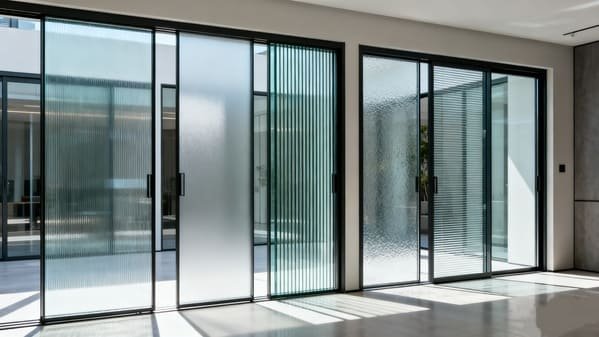
Choosing the right system is more than just picking a door. It’s about understanding all the components that make it work smoothly and last for years. This decision impacts not just the look, but also the function and durability of the final product. Let’s start with the first question I always get from clients like you: the cost.
What is the average cost to have a sliding glass door installed?
Installation costs can feel unpredictable. Hidden fees and variable labor rates can quickly inflate your budget. Let’s break down the key factors that really determine the final cost.
The average installation cost for a sliding glass door varies widely, from a few hundred to several thousand dollars. This depends on door material, size, glass type, hardware system, and local labor rates. The hardware itself is a key variable where you can manage costs effectively.

When I work with purchasing managers like Jacky, we always focus on the total cost of ownership, not just the upfront price. A cheap system that fails will cost you more in the long run. The cost of a complete sliding door installation can be broken down into three main areas. Understanding these helps you see where you can save money without sacrificing quality.
Cost Breakdown
- Materials (Door and Frame): The material you choose has the biggest impact on price. Vinyl is the most budget-friendly, aluminum offers a great balance of durability and cost, and wood or clad-wood systems are at the premium end.
- Hardware System1: This is our specialty at
opensliding. The rollers, track, handles, and locks are critical. High-quality hardware ensures smooth operation for decades. Sourcing these components directly from a factory like ours gives you a huge cost advantage over buying a pre-packaged retail door. You get top-tier performance for less. - Labor2: Installation costs differ by region and project complexity. A standard replacement is straightforward, but creating a new opening is much more intensive and costly.
Here’s a simple table to show how these factors compare:
| Factor | Low-End (e.g., Vinyl) | Mid-Range (e.g., Aluminum) | High-End (e.g., Wood) |
|---|---|---|---|
| Material Cost | $ | $$ | $$$ |
| Hardware Quality | Basic | Durable & Smooth | Premium |
| Longevity | 5-10 years | 20+ years | 20+ years |
| Best For | Budget projects | Most commercial/resi projects | High-end aesthetics |
By sourcing your hardware system intelligently, you can install a mid-range, durable door for a price closer to a budget option.
How do I choose a sliding door track?
The door track seems like a small detail. But the wrong one causes jams, rough sliding, and unhappy customers. Let me show you how to select the perfect track.
To choose a sliding door track, first consider the door’s weight and the installation space. Box tracks handle heavy doors well. Top-hung tracks save floor space and give a clean, modern look. The track material, like aluminum, is crucial for durability and smooth operation.
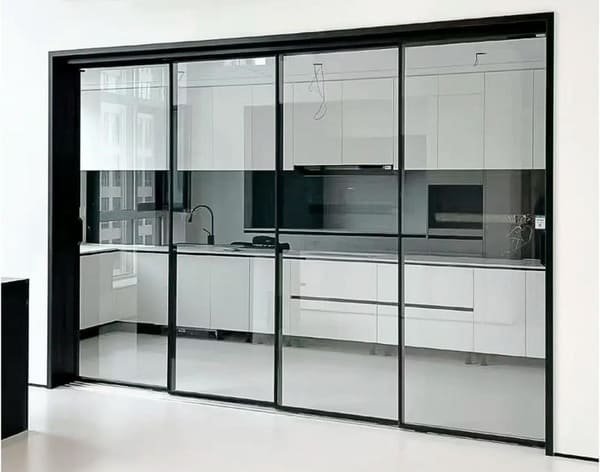
I remember a client in Canada who was building high-end wardrobe units. They initially used a cheap, bottom-rolling track. After a few months, they got calls about doors sticking. We switched them to one of our top-hung aluminum systems, and the problem disappeared. The track is the foundation of the entire system, so it’s important to get it right from the start.
Key Track System Considerations
The choice between a top-hung and a bottom-rolling system is the first major decision. Each has its pros and cons depending on the application.
- Top-Hung Systems3: The door hangs from rollers that run along an upper track. This keeps the floor clear of obstructions, which is great for a clean look and for accessibility. These systems are ideal for closet doors, room dividers, and pocket doors. They rely on the structural integrity of the header above the door to carry the weight.
- Bottom-Rolling Systems4: The door’s weight rests on rollers that move along a track on the floor. These are common for heavy exterior patio doors because the floor can easily support the weight. The main drawback is that the bottom track can collect dirt and debris, which can interfere with the door’s movement if not cleaned regularly.
Here is a comparison to help you decide:
| Feature | Top-Hung System | Bottom-Rolling System |
|---|---|---|
| Load Bearing | Ceiling/Wall Header | Floor |
| Best For | Wardrobes, room dividers, pocket doors | Heavy patio doors, exterior applications |
| Floor Appearance | Clean, no track obstruction | Visible track that can collect debris |
| Hardware Components | Hanging rollers, top track, floor guide | Bottom rollers, bottom track, top guide |
| Installation Complexity | Requires a strong, level header for support | Requires a perfectly level floor for the track |
At opensliding, we manufacture both types, but we see a growing demand for high-quality, top-hung systems for interior applications due to their sleek and modern design.
What is the common problem with sliding doors?
Sliding doors sometimes get stuck or become noisy. This leads to user frustration and costly service calls for your business. Let’s identify the common issues to prevent them.
The most common problem with sliding doors is difficulty sliding, which is usually caused by dirty tracks or worn-out rollers. Other frequent issues include door misalignment, faulty locks, and broken seals. Using high-quality, durable hardware from the start is the best prevention.
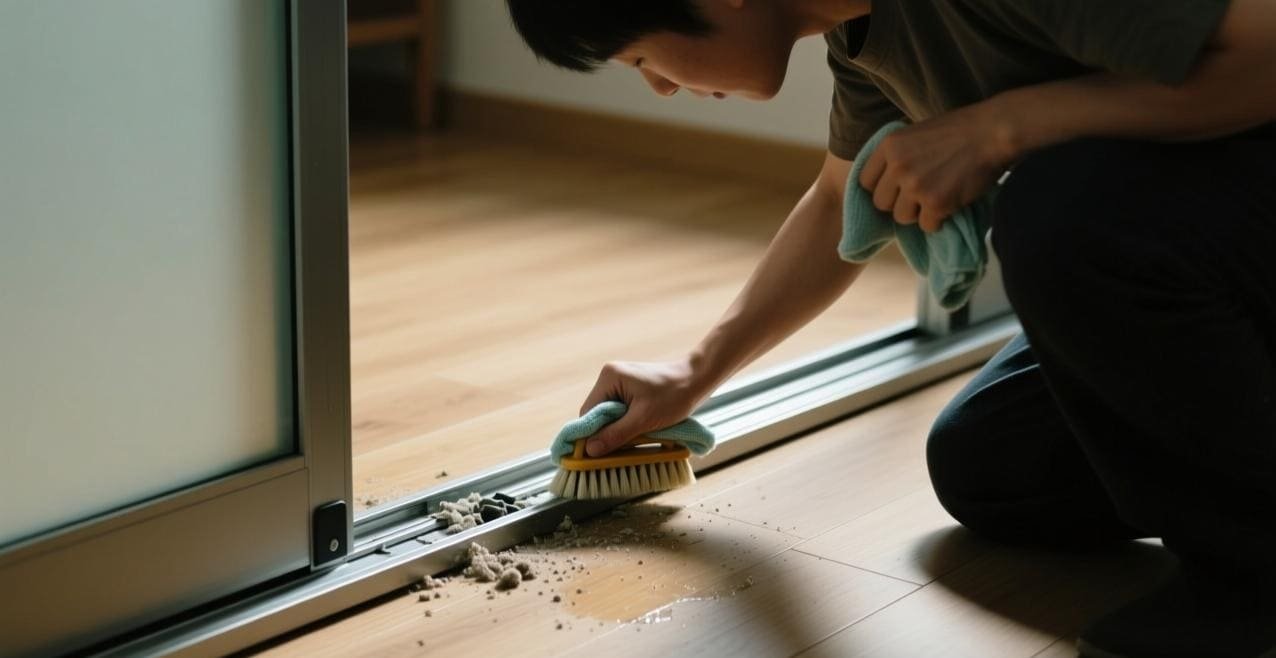
Over my years in this business, I’ve learned that 90% of a sliding door’s performance comes from its hardware. A beautiful wooden door with cheap rollers will feel terrible to use. A simple, lightweight door with our high-performance rollers will feel like a luxury product. Problems almost always trace back to the quality of the unseen components. Investing a little more in better rollers and tracks saves you enormous headaches later.
Troubleshooting Common Issues
Preventing problems is better than fixing them. Here are the most common points of failure and how high-quality hardware makes a difference.
- Worn-Out Rollers: This is the number one cause of a sticky or bumpy door. Cheap plastic or low-grade metal rollers wear down, crack, or rust over time. Our rollers use precision bearings and high-durability materials to ensure they glide smoothly for years, even under heavy loads.
- Dirty or Damaged Tracks: Debris in a bottom track can stop a door in its tracks. A dented or bent track will also cause problems. Using a strong, extruded aluminum track resists damage, and a top-hung system completely eliminates the issue of debris on the floor.
- Misalignment: If a door is not hanging straight, it can scrape against the frame. This is often due to improper installation or hardware that has loosened over time. A good system has easy adjustment features to ensure a perfect fit.
Here’s a quick guide to diagnosing issues:
| Problem | Likely Cause(s) | Prevention / Solution |
|---|---|---|
| Door is hard to slide | Dirty track, worn-out rollers | Clean the track regularly, install high-quality rollers5 |
| Door is noisy/grinding | Debris in track, failing roller bearings | Clean track, replace with precision bearing rollers |
| Door wobbles or sways | Worn rollers, loose top guides, misalignment | Tighten guides, use a robust hardware system6 |
| Lock is hard to operate | Door misalignment, faulty lock mechanism | Realign door, invest in quality lock hardware |
Focusing on the hardware system from the beginning is the most effective way to build a sliding door that works flawlessly.
What company makes the best sliding glass doors?
Many brands claim they are the best. It’s confusing to know who to trust with your projects and your company’s reputation. The answer is that the "best" company really depends on your needs.
There is no single "best" company for everyone. For a B2B buyer, the best partner is often not a door brand, but a hardware factory that provides quality, customization, and value. The performance and longevity of any door depend almost entirely on its hardware system.
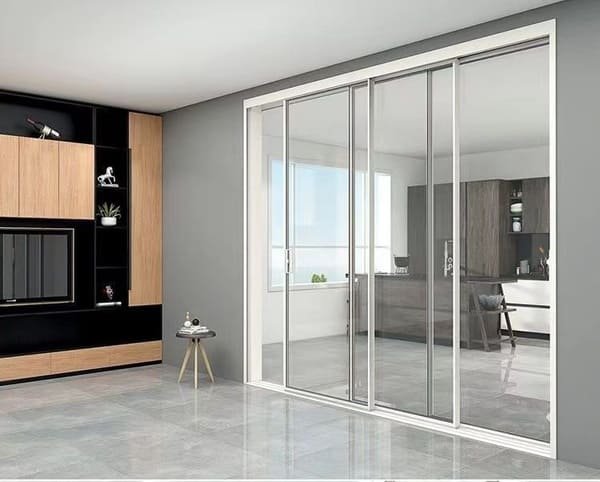
When you are a door factory, a furniture maker, or a large contractor, your needs are different from a homeowner buying a single door. You need a reliable supply chain. You need consistent quality across hundreds of units. And you need to manage your costs to stay competitive. This is why focusing on the hardware supplier is so important. The door panel itself is simple, but the mechanics of the system are complex and critical to performance.
The Supplier vs. The Brand
Thinking about the "best" company requires a shift in perspective from brand names to supply chain partners. A well-known door brand assembles components they source from various places. As a B2B professional, you can do this too, but with more control.
- Big Box Brands: They offer a finished product with a warranty. This is good for consumers. However, you pay a premium for their marketing and overhead. You also have limited options for customization.
- Direct Hardware Manufacturer (Like
opensliding): Partnering with a factory like us gives you direct control over the most important part of the door—the hardware system. You get better quality for the price, the ability to customize products with your own LOGO, and a direct line of communication with the people making the components.
This table shows the clear advantage for a business like yours:
| Factor | Buying from a Retail Brand | Partnering with a Factory (opensliding) |
|---|---|---|
| Cost | Higher (includes retail markup) | Lower (direct from factory) |
| Quality Control | Varies by brand and product line | Direct oversight and consistent quality |
| Customization7 | Limited to standard options | Full customization (LOGO, finishes, specs) |
| Supply Chain | Through distributors | Direct, reliable, and transparent |
| Technical Support | Customer service call centers | Direct access to engineers and product experts |
The "best" company for you isn’t the one with the biggest advertising budget. It’s the manufacturing partner who helps you build a better product at a better price.
Conclusion
Choosing the right sliding door system means focusing on quality hardware. Get the components right, and your project will deliver lasting value and performance for years to come.
Understanding the significance of a quality hardware system can help you make informed decisions for long-lasting performance. ↩
Exploring labor costs will provide insights into budgeting for your sliding door project and understanding regional variations. ↩
Explore this link to understand the benefits of Top-Hung Systems, especially for modern interior designs. ↩
Learn about the drawbacks of Bottom-Rolling Systems, particularly regarding maintenance and floor cleanliness. ↩
Explore how high-quality rollers can enhance the performance and longevity of your sliding door system. ↩
Learn why investing in a robust hardware system is crucial for ensuring smooth and reliable door operation. ↩
Understanding the significance of customization can help you make informed decisions for your business needs. ↩