
Struggling to pick the right sliding door? The wrong choice can impact your home’s look and feel. Understanding the two main designs is key to making the best decision.
The best sliding door design depends on your priorities. For a modern aesthetic and clear floors, choose a top-hung system. For better insulation, stability, and simpler installation, a bottom-hung system with a floor track is the superior choice.
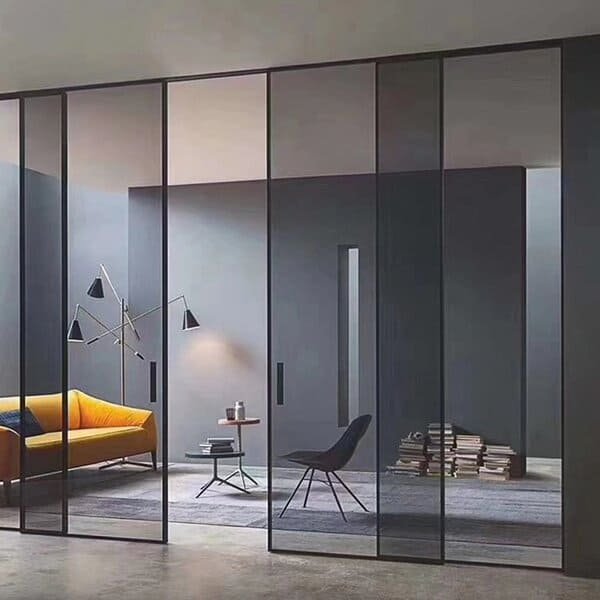
When I first started in the hardware business, I saw countless project plans. Some architects specified doors that hung from the top, while others had doors running on a floor track. It puzzled me until I saw the finished projects. The choice wasn’t random; it was a deliberate decision that completely changed the room’s function and style. Getting this detail right is crucial, whether you’re designing a single closet or outfitting an entire building. Let’s dig into the details so you can make the right call for your project.
What are the different types of sliding door rails?
Navigating the jargon of door rails can be tough. You might order the wrong type for your project, which wastes both time and money. Let’s break down the main types.
The two main types of sliding door rails are top-hung and bottom-hung. Top-hung doors hang from an overhead track, leaving the floor clear. Bottom-hung doors are supported by rollers on a track installed on the floor, which provides stability.
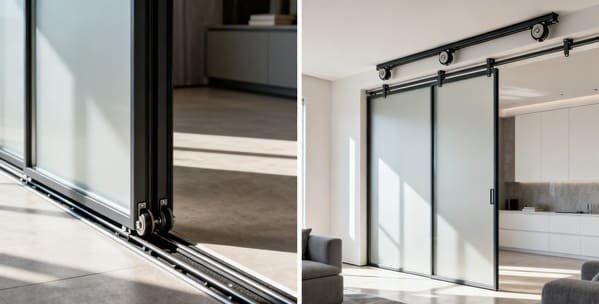
In my experience sourcing hardware for factories, the choice between these two systems is one of the first decisions we make. The entire door assembly, from the rollers to the frame, depends on it. They each have distinct advantages that make them suitable for different applications. A luxury apartment might use a top-hung system for a seamless flow between rooms, while a heavy-duty commercial space might need a bottom-hung door for maximum stability.
Top-Hung vs. Bottom-Hung System1s
To make it simple, I’ve put together a table that compares them side-by-side. This is the kind of checklist I use when consulting with clients like door factory purchasers.
| Feature | Top-Hung System2 (Hanging Rail) | Bottom-Hung System1 (Floor Rail) |
|---|---|---|
| Appearance | Clean, minimalist look with an uninterrupted floor. | Visible track on the floor, which can gather debris. |
| Installation | Requires strong overhead support (header) to bear the weight. | Simpler to install; the floor bears the door’s weight. |
| Maintenance | Easy to clean the floor. Rollers are protected from dirt. | Floor track needs regular cleaning to prevent sticking. |
| Performance | May sway slightly without a bottom guide. Less effective seal. | Very stable. Offers better sound and thermal insulation. |
| Best For | Wardrobes, room dividers, modern interiors. | Patios, heavy exterior doors, high-traffic areas. |
Are top mounted sliding doors good?
You’ve probably seen sleek, top-mounted doors. But are they just for looks? You might worry about their strength and longevity, especially for a large-scale project. Let’s look at the facts.
Yes, top-mounted (top-hung) sliding doors are an excellent choice for modern interiors. They provide a clean, unobstructed floor and create a seamless look. Their performance and durability depend entirely on using high-quality hanging rollers and a properly reinforced header.
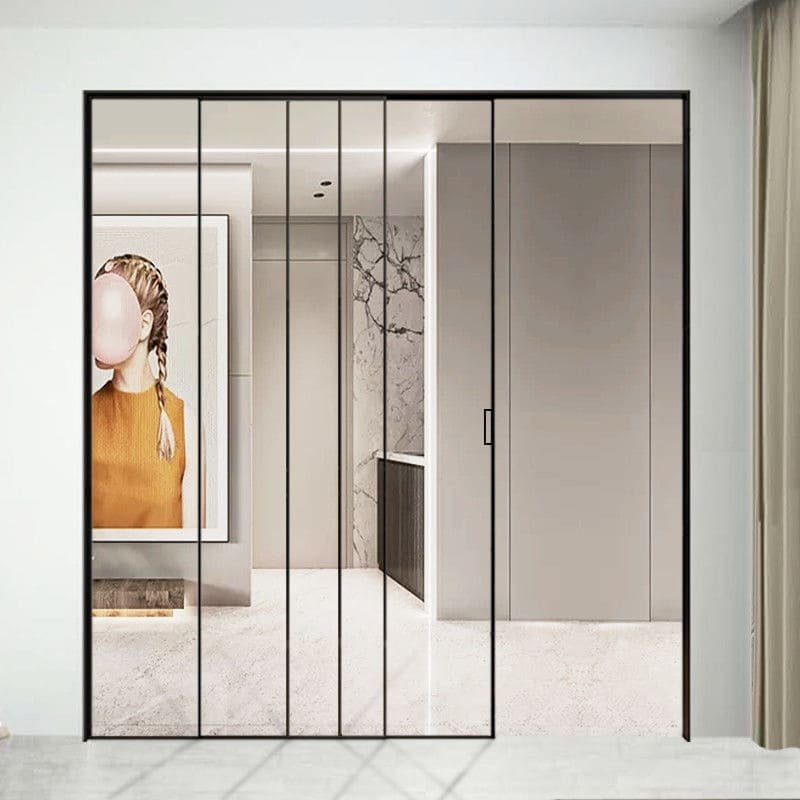
I’ve worked with many furniture and door factories that are shifting towards top-hung systems for their premium lines. The aesthetic appeal is a major selling point. When you eliminate the floor track, you create a more open and accessible space, which is a big plus for designers. However, I always stress to my clients that you cannot cut corners on the hardware. The quality of the lifting wheels and the track system is what makes or breaks a top-hung door.
The Strengths of Top-Hung Systems
The main advantage is the clean look3. There’s no track on the floor to trip over or collect dust and dirt. This makes cleaning incredibly easy and is ideal for homes where you want a smooth transition between, say, an indoor living area and an outdoor patio. They are also very versatile and can be used for wood doors, glass panels, and more.
Potential Downsides to Consider
The biggest challenge is structural4. The entire weight of the door hangs from the top track, which must be securely fastened to a strong header or ceiling joists. If the support is inadequate, the track can sag, causing the door to function poorly. Additionally, without a proper floor guide, the door can sway slightly. That’s why we always recommend a full system, including high-quality rollers and discreet floor guides, to ensure smooth and stable operation for years.
What is the common problem with sliding doors?
Sliding doors can be a huge maintenance headache. A door that sticks, scrapes, or makes a lot of noise frustrates users and can lead to costly callbacks for contractors.
The most common problem with sliding doors is difficult movement caused by dirty or damaged tracks, especially in bottom-hung systems. Other frequent issues include worn-out rollers causing noise and misalignment, and poor sealing leading to drafts and energy loss.
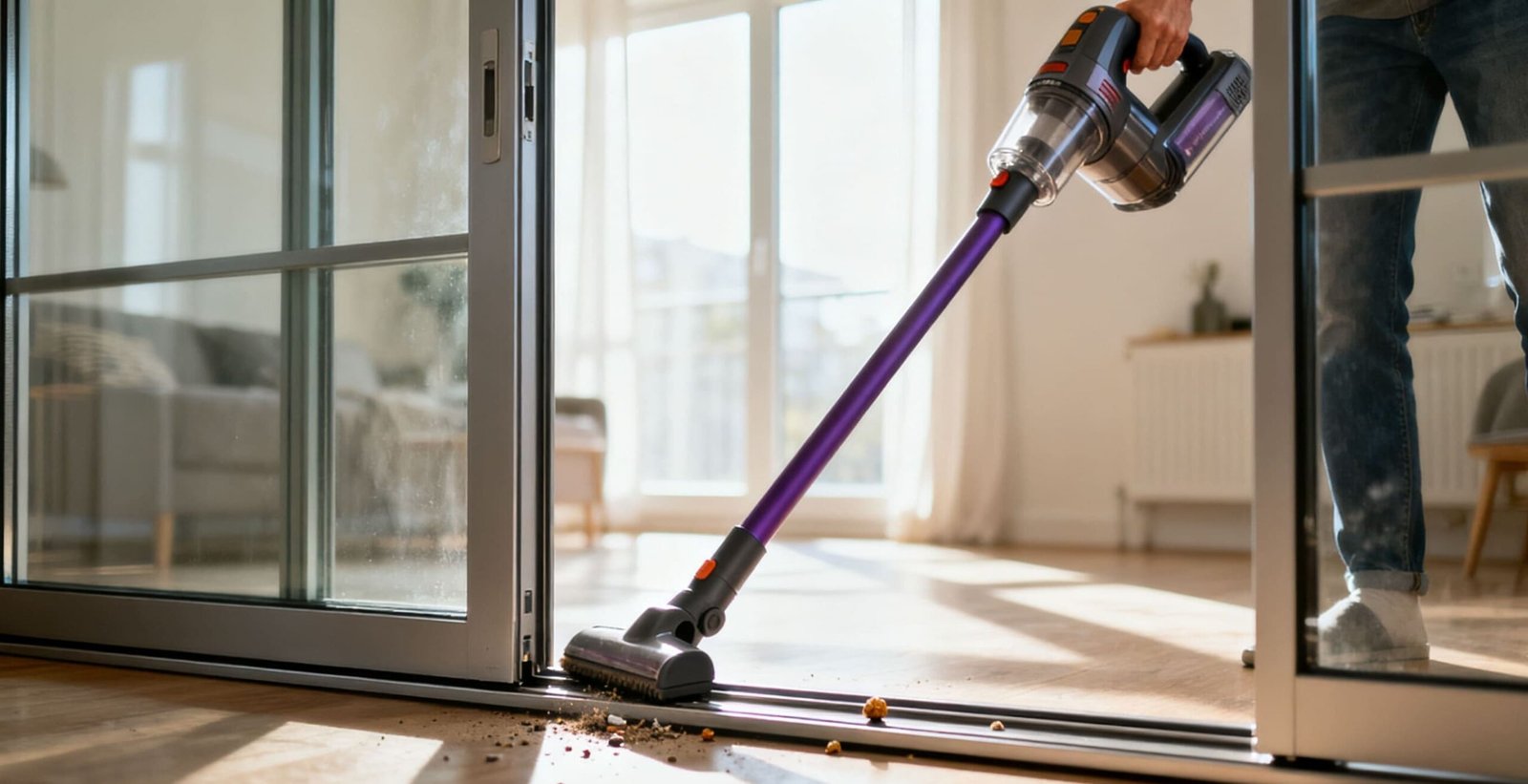
As a factory supplier, I hear about these issues all the time. A construction contractor will call me, frustrated because the doors on their new project are already sticking. Nine times out of ten, the problem isn’t the door itself—it’s the low-quality or incorrect hardware they used. Preventing these problems starts with choosing durable components that are designed for the door’s specific weight and intended use.
Common Issues and Their Causes
Let’s break down the typical failures for both systems. Understanding these helps you select hardware that avoids them.
- Sticking/Grinding: This is almost always caused by dirt, pet hair, or small stones getting lodged in the floor track. It obstructs the rollers and makes the door hard to move. Regular cleaning is the only solution.
- Roller Damage: The rollers on bottom-hung systems bear the full weight of the door. Over time, low-quality plastic or metal wheels can crack, flatten, or seize up, leading to scraping noises and difficult operation.
- Misalignment and Gaps: This often happens when the overhead track is not installed perfectly level or if the header sags over time. It can cause the door to hang crookedly, creating uneven gaps.
- Swaying: If a cheap or incorrectly installed floor guide is used, the bottom of the door can swing back and forth, which feels flimsy and can damage the door or wall.
Investing in top-quality rollers and tracks from the start is the most cost-effective way to avoid these issues.
How do I choose a sliding door track?
Choosing the right track might seem like a small detail. But using the wrong one can lead to a failed door system, an unhappy client, and damage to your reputation.
To choose a sliding door track, first determine the door’s weight and size. Then, decide between a top-hung or bottom-hung system based on aesthetics and performance needs. Finally, select a track made from a durable material like aluminum or steel.
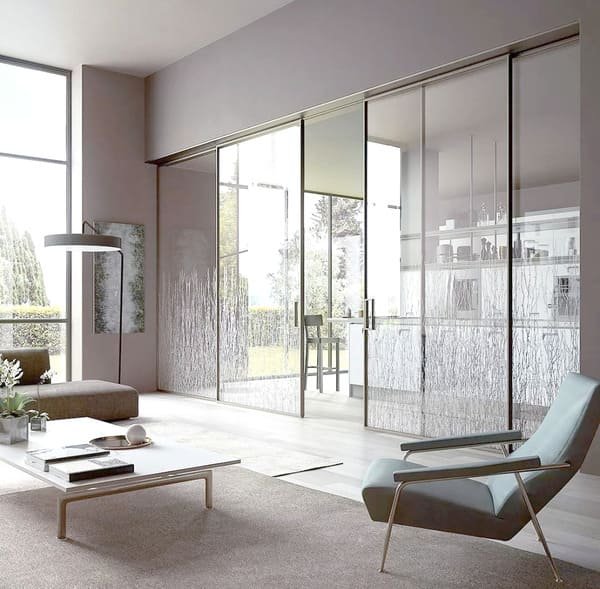
When a buyer like Jacky from Canada sends me specifications for a project, the first things we discuss are door weight and application. A lightweight wardrobe door has very different needs than a heavy exterior glass partition. Guiding a customer to the right track and roller system is one of the most important parts of my job. Here’s a simple process I walk my clients through.
Step 1: Assess the Door’s Weight and Size
Heavier doors made of solid wood or insulated glass require a heavy-duty track7 and robust roller system. Always check the weight capacity of the hardware. As a rule, it’s better to choose a system that is rated for more weight than you need, not less.
Step 2: Decide on Top-Hung vs. Bottom-Hung
As we’ve discussed, this choice depends on your project goals. Do you need a seamless floor for a high-end look (top-hung), or do you need maximum stability and insulation for an exterior door (bottom-hung)?
Step 3: Select the Right Material and Finish
Tracks are typically made from aluminum or steel. Aluminum is lightweight, corrosion-resistant, and great for most interior applications. Steel is stronger and essential for very heavy industrial or commercial doors. The finish is also important for matching the surrounding decor.
Step 4: Consider Special Features
Modern systems offer fantastic upgrades. For example, a soft-close mechanism8 is a must-have for premium furniture and residential projects. It prevents slamming and adds a touch of luxury. At opensliding, we’ve developed slow-lifting wheels that provide this smooth, quiet operation reliably.
Conclusion
Your choice is simple: pick top-hung for a clean look or bottom-hung for better insulation. No matter which you choose, always invest in high-quality hardware for lasting performance.
Learn about Bottom-Hung Systems to see how they can enhance stability and performance in various settings. ↩ ↩
Explore the benefits of Top-Hung Systems to understand their applications and advantages in modern architecture. ↩
Exploring this link will provide insights into how a clean aesthetic enhances home environments and promotes easy maintenance. ↩
Understanding structural integrity is crucial for ensuring the safety and longevity of top-hung systems in your home. ↩
Explore this link to understand the specific challenges and solutions related to Bottom-Hung Door Problems, ensuring better maintenance. ↩
Discover insights on Top-Hung Door Problems to learn how to prevent misalignment and swaying, enhancing your door’s longevity. ↩
Explore this link to understand the importance of heavy-duty tracks for ensuring durability and safety in sliding door systems. ↩
Learn about soft-close mechanisms and how they enhance the functionality and luxury of sliding doors. ↩