
Struggling with sliding doors that jam or wear out fast? This leads to unhappy customers and costly repairs. Choosing the right roller from the start is the key.
To find the best roller, you must match it to your door’s weight, the track’s shape, and the roller material. Look for high-quality bearings and materials like stainless steel or nylon that suit the door’s environment for a smooth, long-lasting glide.
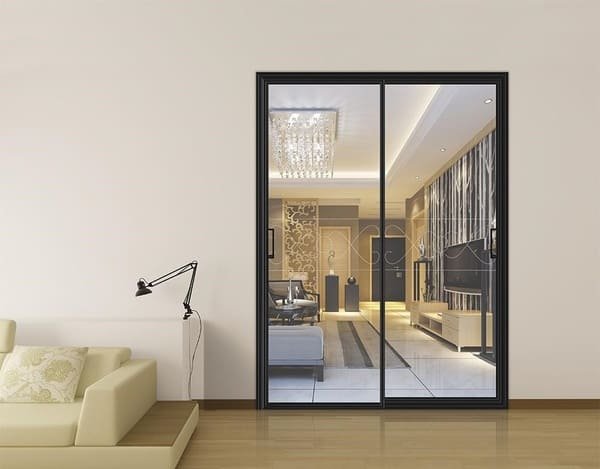
Choosing the right roller isn’t just about finding a part that fits. It’s about guaranteeing the performance and longevity of your entire door system. As a manufacturer, I’ve seen how this single component can make or break a product’s reputation. A great roller ensures silent, effortless operation for years, while a poor one creates problems right away. Let’s look at what separates a premium roller from a generic one, so you can make the best choice for your projects.
What are the key factors to consider when choosing a door roller?
Choosing the wrong roller leads to product failures. This can damage your brand’s reputation with callbacks and negative reviews. Understanding the key factors helps you select the perfect component every time.
Focus on three main things: the door’s weight, the roller’s material, and the track’s design. The roller must handle the door’s weight and fit the track perfectly. The material determines its durability and noise level, ensuring long-term performance.
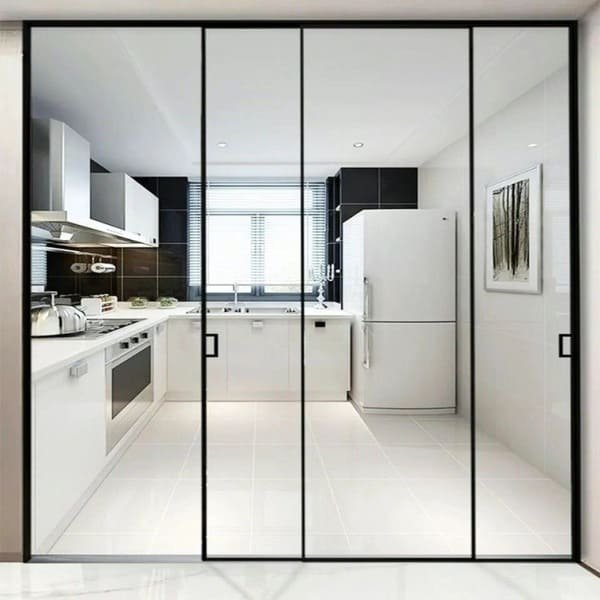
As a purchasing manager, you need to be sure the components you order won’t fail. A roller is the heart of a sliding door system, and getting it right is critical. We work closely with our B2B clients, like door factories and contractors, to ensure they get a roller engineered for their specific needs. It’s not about an off-the-shelf solution; it’s about precision. Here’s how we break down the selection process to ensure seamless integration and performance.
Weight Capacity
The first question is always: how heavy is the door? A heavy glass door needs a roller with a high load rating1. Using an underrated roller will cause it to fail quickly, leading to a sagging door that’s hard to move. We always recommend choosing a roller with a capacity that comfortably exceeds the door’s weight.
Material and Bearing Quality
The roller’s material directly impacts its lifespan and performance.
| Material | Best For | Pros | Cons |
|---|---|---|---|
| Nylon | Interior doors, quiet operation | Very quiet, non-corrosive | Lower weight capacity, can wear |
| Steel | Standard applications, cost-effective | High strength, durable | Can be noisy, may rust if not coated |
| Stainless Steel | Coastal areas, heavy-duty exterior doors | Excellent corrosion resistance, strong | Higher cost, slightly noisier than nylon |
The bearings inside the roller are just as important. Sealed bearings are protected from dust and moisture, which is essential for a smooth glide that lasts.
Roller and Track Compatibility
Finally, the roller must match the track profile. A V-groove wheel needs a V-shaped track, and a flat wheel needs a flat track. A mismatch will cause bumpy operation and damage both the wheel and the track over time. We offer custom dimensions to ensure a perfect fit with any track system.
What are the different types of sliding door rollers?
You see many different roller types on the market. Choosing the wrong one can cause production delays or create a faulty product. Knowing the main types makes your decision much easier.
Sliding door rollers mainly come in two designs: single-wheel and tandem (dual-wheel). Single-wheel rollers are for lighter doors, while tandem rollers provide better stability and support for heavier glass doors. Both types are available in different materials like steel or nylon.
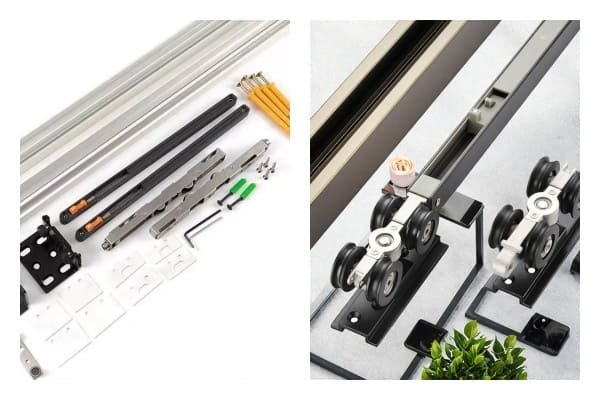
The type of roller you choose has a big impact on how the door feels to the end-user. For a high-end, heavy glass door, the smooth and stable glide from a tandem roller reinforces the sense of quality. For a simple wardrobe door, a single-wheel roller might be all you need. In my factory, we produce both and guide our clients to the right choice based on their application. It’s about matching the engineering to the expectation. Let’s explore these types in more detail.
Single-Wheel Rollers
A single-wheel roller has one wheel inside its housing. This design is simple and cost-effective. It works very well for lightweight interior doors, like closet doors or small partitions. However, for heavier doors, a single wheel can be a point of failure because all the weight is concentrated in one spot. This can lead to faster wear and a less stable feel.
Tandem Rollers2
Tandem rollers, also known as dual-wheel rollers, feature two wheels within the housing. This design is the industry standard for sliding glass doors and other heavy panels.
| Feature | Benefit |
|---|---|
| Weight Distribution3 | The door’s weight is spread across two wheels. |
| Stability | Prevents the door from rocking or tilting in the track. |
| Smoothness | Provides a much smoother and more effortless glide. |
| Durability | Reduces stress on each wheel, leading to longer life. |
By distributing the load, tandem rollers can handle significantly more weight and provide a superior user experience. This is why we almost always recommend them for exterior sliding doors or large, premium interior systems. They are a core part of building a door that is designed to last.
How can I make my sliding glass door roll better?
Your customers complain about a sticky sliding door. This reflects poorly on your product’s quality and can lead to service calls. Proper components and maintenance are the simple solution.
To improve a sliding door’s roll, first clean the track of all dirt and debris. Then, inspect the rollers for wear and replace them if they are damaged. Upgrading to high-quality tandem rollers with sealed bearings will provide the smoothest, most durable performance.
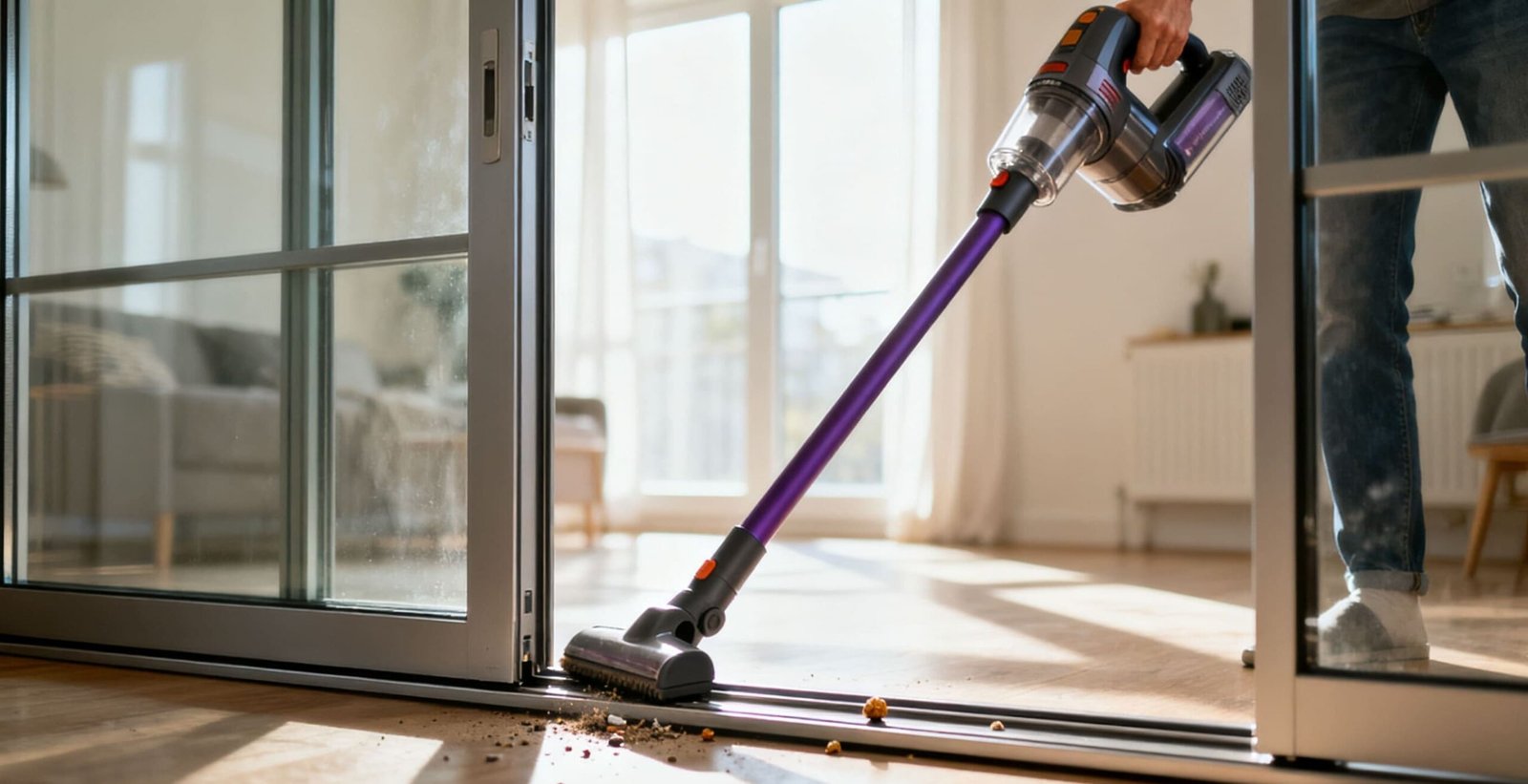
From my experience manufacturing these parts, I can tell you that 90% of "bad" doors are just suffering from dirty tracks or worn-out rollers. It’s a simple fix that makes a world of difference. Before assuming the door itself is the problem, I always advise my clients to check these two things first. A well-maintained track and a quality set of rollers are the secrets to a door that glides like new for years. Here are the steps to follow.
Step 1: Clean the Track Thoroughly
The track is a magnet for dirt, hair, and outdoor debris. This buildup creates friction and can even derail the rollers.
- Vacuum First: Use a vacuum with a crevice tool to suck out all the loose debris from the track.
- Scrub and Wipe: Use a stiff brush and a cleaning solution to scrub away any caked-on grime. Wipe the track completely dry with a clean cloth afterward. A clean track is the foundation for a smooth roll.
Step 2: Inspect and Replace the Rollers
With the track clean, check the rollers themselves.
- Look for Damage: Are the wheels cracked, flat on one side, or wobbly? If you see any visible damage, it’s time for a replacement. Worn rollers can’t roll smoothly, no matter how clean the track is.
- Consider an Upgrade: If the door has basic, low-quality single-wheel rollers, this is the perfect time to upgrade. Replacing them with high-quality tandem rollers4 made of durable material like stainless steel or nylon will make a huge difference. Tandem rollers distribute the door’s weight better, offering a much smoother glide.
Step 3: Lubricate (If Necessary)
Most modern, high-quality rollers with sealed bearings do not require lubrication. In fact, wet lubricants can attract more dirt. If you must lubricate5, use a dry, silicone-based spray and apply it sparingly. Avoid oily lubricants like WD-40, which will create a sticky mess.
By following these steps, you can restore almost any sliding door to perfect working order.
Are sliding glass door rollers universal?
You need to replace a roller but aren’t sure which one to buy. Ordering the wrong size or type wastes time and money. Knowing the truth about roller sizing saves you headaches.
No, sliding glass door rollers are not universal. They come in many different sizes, shapes, and mounting configurations. You must match the new roller to the old one’s dimensions and the door’s track profile to ensure it fits and functions correctly.
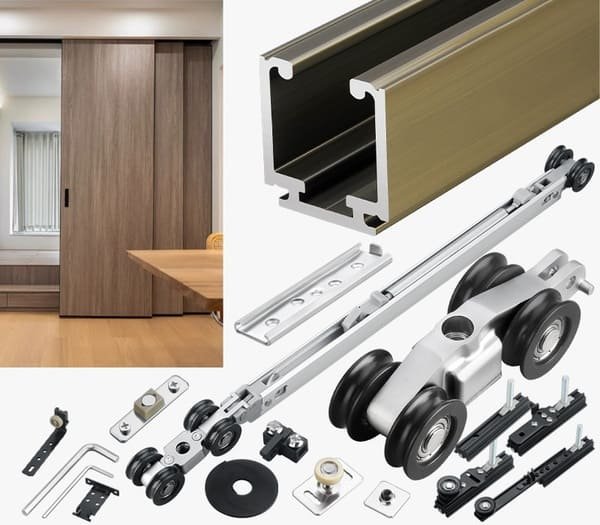
This is one of the most common questions I get from distributors and contractors. The huge variety is why we, as a manufacturer, offer such a wide range of products and even custom solutions. A door system is precisely engineered, and the roller is a key part of that system. While it would be convenient if they were all the same, the differences are necessary to support different door weights, designs, and performance levels. Let’s break down why they differ.
Why Rollers Aren’t Universal
Several key factors prevent a "one-size-fits-all" roller:
- Housing Dimensions: The metal housing that holds the wheel varies in height, width, and depth. It needs to fit perfectly into the cutout at the bottom of the door frame.
- Wheel Diameter and Shape: Wheels come in different diameters (e.g., 1.25", 1.5"). They also have different profiles—some are flat, some are concave (U-groove), and others are V-groove to match specific track shapes. Using the wrong shape will cause poor performance and wear.
- Mounting System: The screw hole placement and the type of adjustment mechanism are different from one brand to another.
How to Find the Right Replacement
To ensure you get the correct roller, follow these steps:
- Remove the Old Roller: You must take the old roller assembly out of the door.
- Measure Everything: Use calipers to measure the housing’s height and width, and the wheel’s diameter.
- Identify the Wheel Shape: Look at the edge of the wheel. Is it flat, rounded, or V-shaped?
- Take a Picture: A clear photo can help you or your supplier identify the exact model.
As a direct factory, we can match almost any roller if you provide us with these details or a sample. This ensures you get a perfect fit without the guesswork.
Conclusion
Choosing the right roller is key to door performance. Match the weight, material, and track correctly, and your sliding doors will operate smoothly and reliably for years to come.
Understanding load ratings is crucial for selecting the right roller, ensuring safety and longevity for your door. ↩
Explore the benefits of Tandem Rollers to understand why they are preferred for heavy doors, ensuring durability and smooth operation. ↩
Learn about Weight Distribution and its crucial role in enhancing door stability and longevity, making your installations more reliable. ↩
Explore the advantages of tandem rollers to enhance your sliding door’s performance and longevity. ↩
Learn the best practices for lubricating sliding door rollers to ensure smooth operation and prevent dirt buildup. ↩