
A beautiful sliding door becomes a noisy, jerky frustration. Mismatched tracks cause wear, frustration, and damage. Choosing the right system from the start is the key to a smooth glide.
To choose the right sliding door track, you must consider the door’s weight, its material, and its location (indoor or outdoor). Match these with a system’s load capacity, track type (top-hung or bottom-rolling), and material (aluminum, steel) to ensure smooth, long-lasting, and quiet operation.
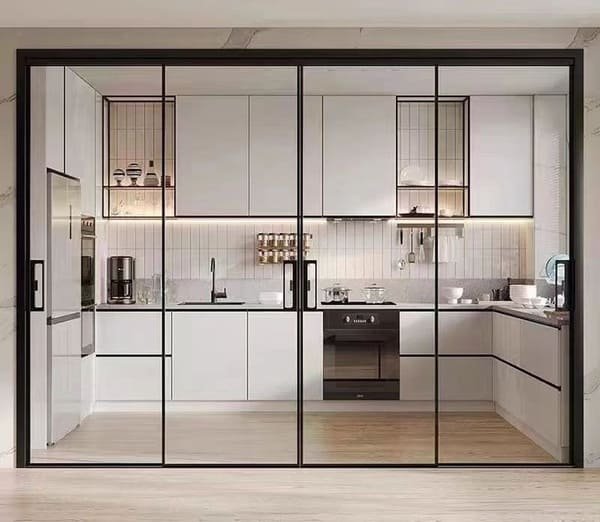
The magic behind a perfectly gliding door is the track system. As a Industry Professionals In Sliding Door Pulleys System, I’ve seen firsthand how a great system makes all the difference, while a poor one leads to nothing but headaches for installers and end-users. The track doesn’t just hold the door up; it dictates how smoothly it operates, how quiet it is, and how long it will last. Getting this choice right is critical. Let me walk you through exactly what you need to know to make the perfect selection for your project.
What are the key things to consider when choosing a sliding door track system?
Overwhelmed by all the track options available? Picking the wrong one can lead to costly failures and unhappy clients. Let’s simplify the choice by focusing on a few key factors.
The most important factors are the door’s weight and material, the system’s load capacity, its location (interior vs. exterior), and the desired aesthetic. Getting these right ensures your door functions perfectly for years.

Choosing a track system isn’t just about picking something that looks good. It’s an engineering decision that impacts performance and safety. As a B2B buyer, you need to get this right to protect your reputation. Here’s a deeper look at the critical factors.
Door Weight and Dimensions
The absolute first thing you must determine is the weight of the door panel. A heavy solid wood or glass door requires a heavy-duty track system1 designed to handle that load. If the track is underrated, it can bend over time, causing the door to sag, jam, or even fall. Always choose a system with a maximum weight capacity that is comfortably above your door’s actual weight. This safety margin ensures longevity and smooth operation, especially in high-use areas.
Location and Environment
Where will the door be installed? An interior door in a bedroom has very different requirements from an exterior patio door.
- Interior: For indoor use, you can often use standard aluminum or steel tracks.
- Exterior/Wet Areas: For outdoor applications or wet environments like bathrooms, you must choose materials with excellent corrosion resistance2. Stainless steel (like 304 or 316 grade) or specially coated aluminum are the best choices to prevent rust and degradation3 from moisture and temperature changes.
Function and Aesthetics
Finally, consider how the track will look and function within the space. Is it a rustic barn door where the hardware is a feature? Or a minimalist design where the track should be completely hidden? The style dictates the type of system, from exposed top-hung tracks to concealed pocket door systems.
| Factor | Why It Matters | Best Practice for B2B Buyers |
|---|---|---|
| Door Weight | Prevents track bending and roller failure. | Always choose a track rated at least 25% higher than the door’s weight. |
| Location | Determines resistance to moisture and wear. | Use stainless steel or weatherproof aluminum for outdoor/wet areas. |
| Aesthetics | The track must match the project’s design style. | Stock various styles: barn door, bypass, and concealed tracks. |
| Frequency of Use | High-traffic areas need more durable rollers. | Source commercial-grade rollers4 with high cycle ratings for reliability. |
Are all sliding door tracks the same?
It’s a common mistake to think one track fits all. But using a closet door track for a heavy glass partition is a recipe for disaster. They are definitely not the same.
No, sliding door tracks are not the same. They differ significantly in load capacity, material, mounting style (top-hung vs. bottom-rolling), and design. Each type is engineered for specific door weights, applications (interior/exterior), and aesthetic goals, making the correct choice essential for proper function.
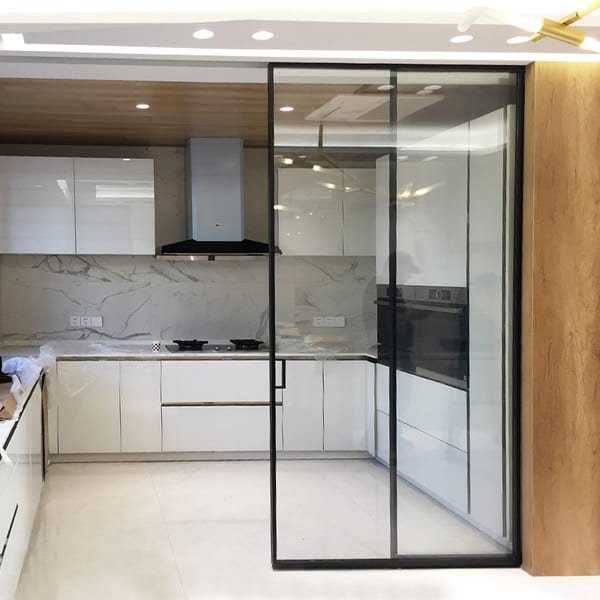
In my factory, we produce dozens of different track systems, and each one is designed for a purpose. A system for a light cabinet door is completely different from one made for a 200kg industrial door. Understanding these differences is your job as a purchaser. It protects your projects from failure and ensures you’re buying the most cost-effective solution. Let’s break down the main categories so you can see why they are so different.
Top-Hung vs. Bottom-Rolling Systems5
This is the most fundamental difference between track systems.
- Top-Hung Systems6: Here, the door hangs from rollers running in a track mounted above the opening. The entire weight of the door is supported from the top. This is the most common type for interior doors, as it leaves the floor clear of any track, providing a clean, seamless look. It requires a strong header or ceiling structure to support the weight.
- Bottom-Rolling Systems5: In this case, the door’s weight rests on rollers that run on a track installed on the floor. A guide track at the top simply keeps the door from tipping. These systems are ideal for extremely heavy doors or situations where the overhead structure cannot support the door’s weight. They are common for large patio doors and room dividers.
Material Differences
The material of the track and rollers is another key differentiator.
- Aluminum: Lightweight, corrosion-resistant, and cost-effective. It’s perfect for most standard interior residential doors.
- Steel: Very strong and durable, making it suitable for heavy-duty commercial or industrial applications. It can be powder-coated for aesthetics but may rust if the coating is damaged.
- Stainless Steel: The premium choice for strength and maximum corrosion resistance. It is the go-to material for exterior applications, marine environments, and high-end projects where longevity is paramount.
What is a common problem with sliding doors?
You’ve specified a beautiful door, but now the client is complaining. It sticks, it’s noisy, or it’s hard to move. These common problems can almost always be traced back to the hardware.
The most common problem with sliding doors is difficult or noisy operation. This is usually caused by dirt in the track, worn-out rollers, or a misaligned door. These issues prevent the door from gliding smoothly and can lead to long-term damage if not addressed promptly.
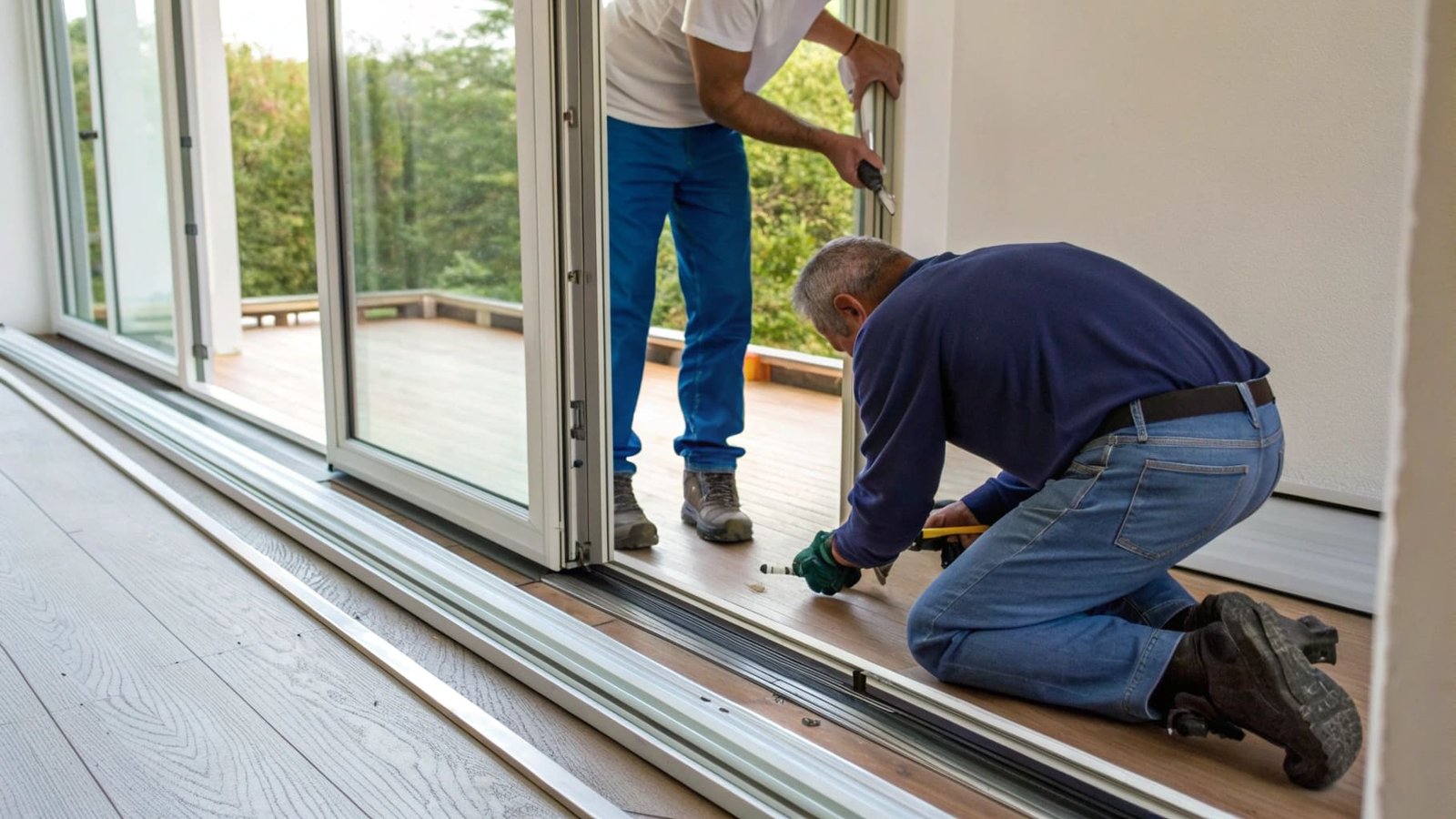
As a manufacturer, we hear about these issues all the time. The good news is that they are almost always preventable with the right hardware selection and proper installation. When a customer like Jacky calls me with a problem, the cause is usually one of a few things. Understanding these helps you select hardware that avoids them from the start.
The Culprits Behind Poor Performance
Let’s break down why doors start to perform poorly.
- Worn-Out or Low-Quality Rollers: Rollers are the heart of the system. Cheap plastic or low-grade bearing rollers wear out quickly under the weight of a door. They can flatten, crack, or seize up, causing the door to scrape and jerk instead of glide. We always recommend using high-quality nylon or steel rollers with precision ball bearings for a long, smooth life.
- Debris in the Track7: This is especially a problem for bottom-rolling systems. Dirt, dust, pet hair, and other debris can accumulate in the floor track, obstructing the rollers and making the door difficult to move. Top-hung systems avoid this issue, which is a major advantage.
- Misalignment: If the track is not installed perfectly level, or if the house settles over time, the door can become misaligned. This puts uneven stress on the rollers and track, leading to premature wear and difficult operation. Using systems with good adjustability can help compensate for minor installation imperfections.
By sourcing high-quality systems with durable rollers and preferring top-hung designs where possible, you can prevent these common headaches for your customers.
What is the sliding door theory?
Thinking about the "theory" sounds academic, but it’s simple. You have a door panel that needs to move sideways. How do we make that happen efficiently and reliably?
The sliding door theory is based on minimizing friction. By using rollers that travel along a smooth, rigid track, the heavy weight of a door is transferred to small points of rolling contact. This dramatically reduces the force needed to move the door from one position to another.
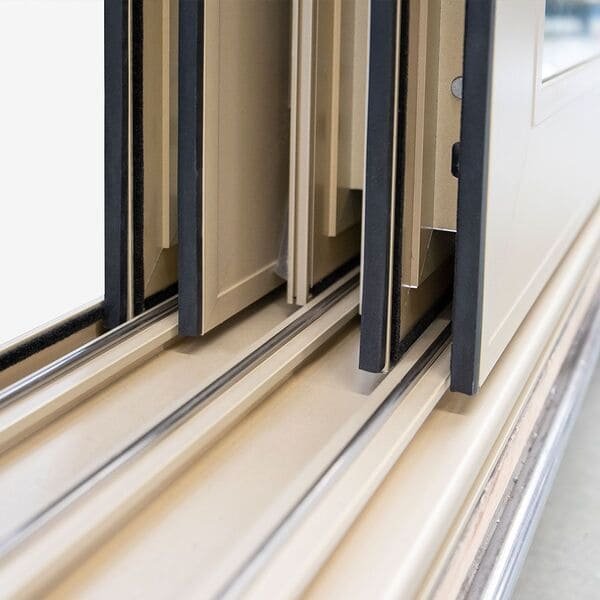
At its core, the science behind a great sliding door is all about physics. We are trying to overcome inertia and friction with as little effort as possible. In my experience, the best hardware systems are the ones that master this principle. The goal is to make a 100kg door feel almost weightless to the person opening it.
The Key Principles in Action
Let’s look at how this theory is applied in the hardware we manufacture and you procure.
- Rolling vs. Sliding Friction8: The core idea is to convert sliding friction (like pushing a box across the floor) into much lower rolling friction. A high-quality ball bearing inside a roller is the key component that makes this happen. The more precise the bearing, the less friction there is, and the smoother the glide.
- Load Distribution: The track’s job is to provide a perfectly smooth and straight path, while the rollers’ job is to distribute the door’s weight evenly onto that path. If the track is flimsy or the rollers are poorly designed, the load becomes concentrated in spots, increasing friction and wear. This is why a rigid track and multiple, well-spaced rollers are crucial for heavy doors.
- Material Science9: The choice of materials for both the track and the roller wheel also plays into this theory. The materials must be hard enough to resist deforming under the load but smooth enough to minimize friction. A hardened steel track with polished nylon rollers is a classic combination that balances durability and quiet, smooth operation.
Understanding this simple theory helps you appreciate why quality matters so much. You’re not just buying a piece of metal; you’re buying a system designed to defy friction.
Conclusion
Choosing the right sliding door track system comes down to matching the door’s weight and location with the right hardware. Prioritize quality rollers and materials to ensure a smooth, lasting glide.
Explore this link to understand the importance of heavy-duty track systems for ensuring door safety and longevity. ↩
Learn about materials with corrosion resistance to protect your outdoor doors from moisture and wear. ↩
Discover effective strategies to prevent rust and degradation in door hardware, ensuring durability. ↩
Find out why commercial-grade rollers are essential for high-traffic areas and how they enhance reliability. ↩
Learn about Bottom-Rolling Systems to see how they effectively support heavy doors, ideal for various applications. ↩ ↩
Explore the benefits of Top-Hung Systems to understand why they are preferred for interior doors, offering a clean aesthetic. ↩
Learn effective cleaning methods to maintain door tracks and prevent performance issues. ↩
Explore this link to understand how friction affects movement and efficiency in various applications. ↩
Discover how material choices influence performance and durability in engineering, enhancing your knowledge in the field. ↩