
We often overlook the simple hardware on doors and windows. But these parts are crucial for security and style. Understanding their evolution shows the innovation behind the secure, beautiful hardware we use today.
The evolution of door and window hardware tracks a path from simple wooden bars for security to today’s smart, precision-engineered systems. This journey was driven by the constant needs for better security, improved functionality, energy efficiency, and changing design aesthetics, shaping how we interact with our spaces.
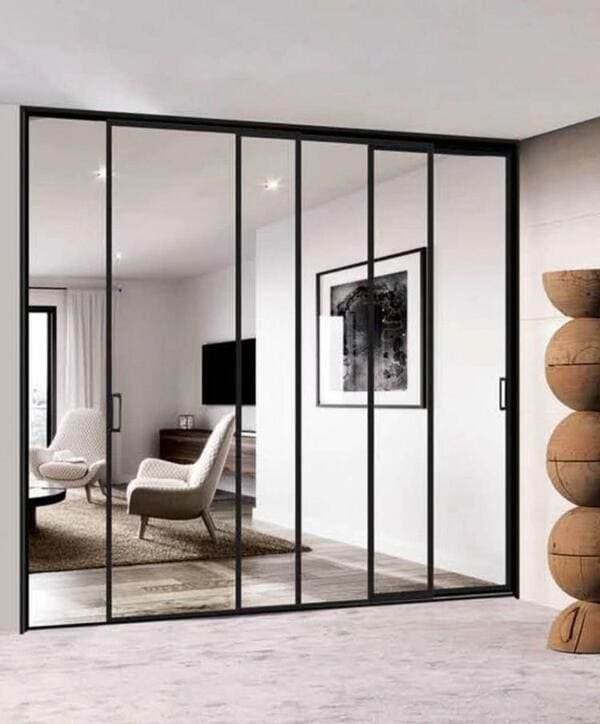
The history of door and window hardware is a fascinating story. It shows how simple tools became sophisticated systems that blend form and function perfectly. As a factory owner, I see this evolution every day in the products we create at opensliding. This journey is about more than just metal parts; it’s about how we’ve made our homes safer, more comfortable, and more beautiful over centuries. Let’s explore this incredible transformation and see how these essential components have become design statements in their own right.
What Were The Ancient Origins of Door & Window Hardware?
Imagine living in a time with no secure way to lock your door. The constant fear of intruders would be real. This problem pushed our ancestors to create simple but clever solutions.
Ancient hardware started with basic wooden or stone bars to block doors and windows for security. The Romans later made a huge leap, introducing the first metal locks and keys. This marked the beginning of mechanical security systems that changed home safety forever.
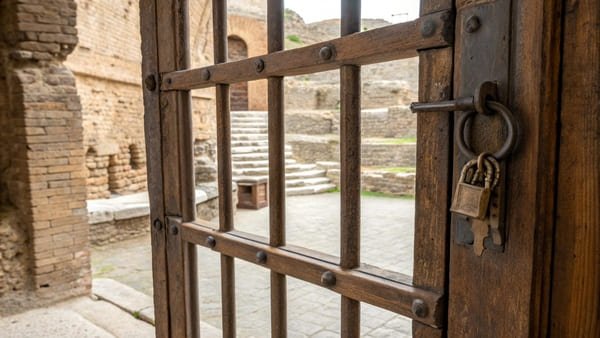
When I think about the earliest hardware, I picture simple, practical solutions born from necessity. In ancient civilizations, security was the main goal. People used heavy wooden crossbars placed in brackets to secure a door from the inside. Windows, which were often just small openings, might have had simple wooden shutters that pivoted on a basic pin. The materials were whatever was available—wood, stone, and later, crude metals like bronze. The Romans were the true pioneers of mechanical hardware. They developed the warded lock, a system where a key had to match a specific pattern of obstructions, or "wards," to turn. They also created the first metal hinges, allowing doors to swing more smoothly than on leather straps or simple pivots. This was a massive step up, moving from basic barriers to actual mechanical systems.
| Feature | Pre-Roman Hardware | Roman Hardware |
|---|---|---|
| Material | Wood, Stone, Leather | Bronze, Iron |
| Locking | Wooden Crossbar, Latch | Warded Lock and Key |
| Hinges | Leather Straps, Pin Pivots | Metal Pivot Hinges |
| Complexity | Very Simple, Manual | Mechanical, Key-Operated |
How Did the Renaissance and Industrial Revolution Change Hardware?
For centuries, hardware was either ornate and handmade for the rich or simple and functional for everyone else. The Industrial Revolution promised mass production, but could it deliver quality and style for all?
The Renaissance focused on artistry, producing beautiful, handcrafted ironwork for the wealthy. Then, the Industrial Revolution changed everything. It introduced mass production, making hardware affordable and accessible with new materials like cast iron and more complex, standardized designs.
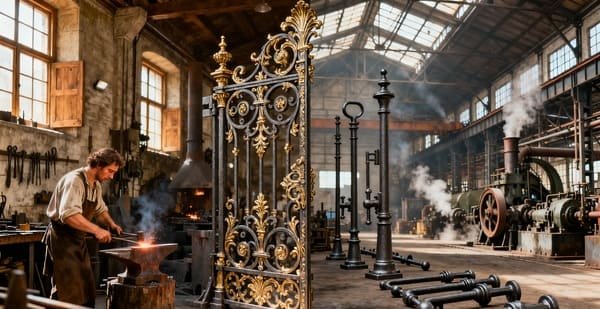
During the Renaissance, blacksmiths were artists. They forged intricate hinges, handles, and locks from iron. These pieces were beautiful and showed the owner’s wealth, but they were all one-of-a-kind and incredibly expensive. Then came the Industrial Revolution, which was a complete game-changer for my industry. Factories started using new techniques like sand casting to mass-produce hardware from cast iron. Suddenly, more people could afford decorative and functional hardware. This era also brought major security advancements. In the mid-1800s, Linus Yale Sr. and Jr. perfected the pin-tumbler lock, a design so effective it’s still the basis for most locks today. This period was all about making hardware stronger, more complex, and available to everyone, not just the elite.
| Era | Key Characteristics | Impact on Hardware |
|---|---|---|
| Renaissance | Hand-forged, Ornate, Artisanal | Highly decorative but expensive and inconsistent. |
| Industrial Revolution | Mass Production, Cast Iron, Standardization | Became affordable, stronger, and more complex. |
What Are the Key Modern Day Innovations in Hardware?
You need hardware that’s more than just functional. But finding systems that are also sleek, quiet, and durable can be a real challenge for your projects. Thankfully, modern innovation has the answers.
Modern hardware innovations are all about precision engineering and advanced materials. This includes soft-close mechanisms for silent operation, concealed hinges for a minimalist look, and multi-point locking systems for top-tier security. These advancements deliver superior performance and a clean, modern aesthetic.
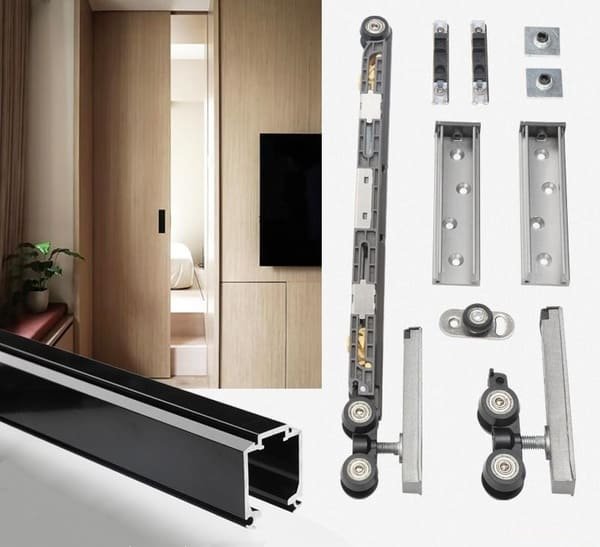
The 20th century, especially after World War II, shifted the focus to performance and new materials. Stainless steel, aluminum, and advanced polymers became common, offering better durability and resistance to corrosion. But the real magic is in the engineering. As a manufacturer, I’m proud of the clever mechanisms we now produce. For example, soft-close systems use hydraulic or pneumatic dampers to prevent doors and drawers from slamming shut. Concealed hinges, like our cabinet hinges, are completely hidden when the door is closed, creating a seamless and clean look that designers love. For security, multi-point locking systems that secure a door at the top, bottom, and middle have become the standard for exterior doors. These innovations are only possible because of precision manufacturing like CNC machining, which allows us to create parts with incredible accuracy for perfectly smooth operation.
What Are opensliding’s Key Advancements in Hardware?
Finding a hardware supplier who truly gets modern needs is tough. Many offer generic products that don’t solve real-world problems. We focus on specific, high-quality advancements that benefit our B2B clients directly.
At opensliding, we create advanced hardware like our silent soft-close lifting wheels and robust linkage door systems. By combining top-quality materials with smart engineering, we deliver superior performance, durability, and value for our partners in the furniture, door, and construction industries.
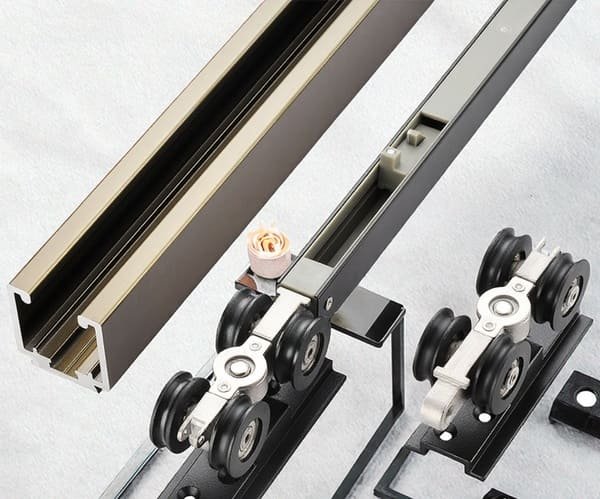
In my factory, we don’t just make hardware; we engineer solutions. We saw that our clients—door factories, furniture makers, and contractors—needed hardware that could handle heavier materials while still operating smoothly and silently. So, we developed our Wooden Door Slow Lifting Wheel. It combines the strength of a heavy-duty roller with a soft-close mechanism, allowing large, heavy wooden doors to glide shut without a sound. For designers creating wide, open spaces, our Linkage Door System allows multiple panels to move in sync, creating impressive openings effortlessly. And for the biggest jobs, our Heavy Lifting Wheel ensures even the most massive partition doors feel light as a feather. We offer all this with the option for our partners to add their own LOGO, giving them a high-quality, customizable product that stands out.
What Are the Current Trends and Industry Needs?
Your projects need to reflect the latest trends, but keeping up with what’s new in hardware is a full-time job. Understanding the key trends shaping the industry right now is crucial.
Current hardware trends are driven by minimalism, smart technology, and sustainability. This means more concealed hardware for clean lines, smart locks integrated with home systems, and a focus on energy-efficient designs that improve insulation and reduce a building’s carbon footprint.
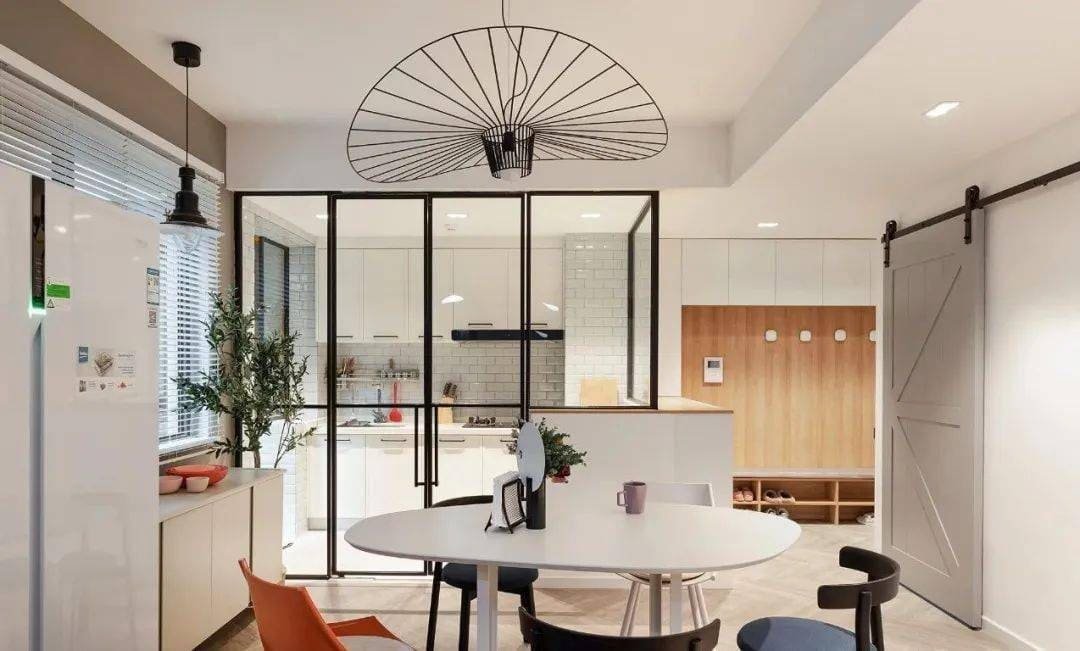
As a supplier, I talk to purchasers like Jacky from Canada every day. They tell me what the market wants. Right now, three things stand out. First is minimalism. Architects and designers want hardware that disappears. That’s why our concealed hinges and flush-mounted rollers are so popular. Second is smart home integration. Everyone wants convenience and control. Smart locks that you can operate with your phone are no longer a luxury; they are becoming a standard expectation. The third, and perhaps most important, is sustainability and energy efficiency. A door or window is only as good as its seal. High-quality hardware, including our brush strips and seals, creates a tight closure that prevents drafts and energy loss. This not only lowers utility bills for the end-user but also helps our clients meet stricter building codes and appeal to eco-conscious buyers.
What Are the Future Predictions for Door and Window Hardware?
Looking ahead in the hardware industry is tough, as technology moves so fast. But preparing for what’s next is the only way to stay competitive. What will the hardware of tomorrow look like?
The future of hardware is smart, invisible, and self-sufficient. We predict a rise in biometric security, fully integrated smart home systems, and hardware made from self-healing materials that require almost no maintenance.
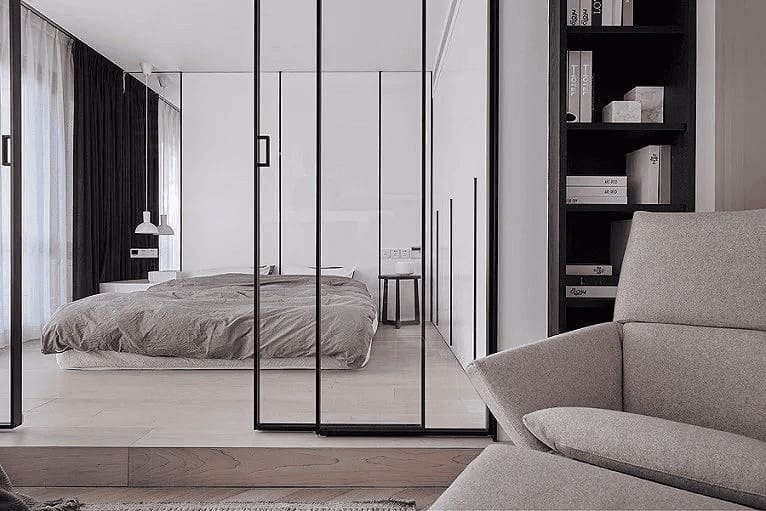
Based on what I see in development and hear from my B2B partners, the future is exciting. I believe we’ll move beyond just smart locks to fully integrated access systems. Imagine a door that recognizes you through facial or fingerprint scanning and automatically unlocks, disarms the alarm, and turns on the lights. Hardware will become even more "invisible," with magnetic levitation sliding systems that are completely silent and frictionless. We’re also exploring new materials. Think about self-healing polymers that can repair minor scratches on their own, or hardware with built-in sensors that alert you when maintenance is needed before a part fails. The ultimate goal is to create hardware that is so seamless, reliable, and intelligent that you never have to think about it at all. It will just work, perfectly, all the time.
Conclusion
From simple bars to smart systems, door and window hardware evolution reflects our need for security, function, and style, continuously shaping how we live in and interact with our spaces.