
Struggling to find the perfect sliding door? A wrong choice can ruin your home’s flow and security. Let’s ensure you select a door that enhances your space beautifully and functionally.
When choosing a sliding door, focus on energy efficiency, security, frame material, and the quality of hardware like rollers and tracks. Also, assess the glass type and ensure the door’s aesthetic matches your home’s style. Smooth, long-term operation is key for daily use and satisfaction.
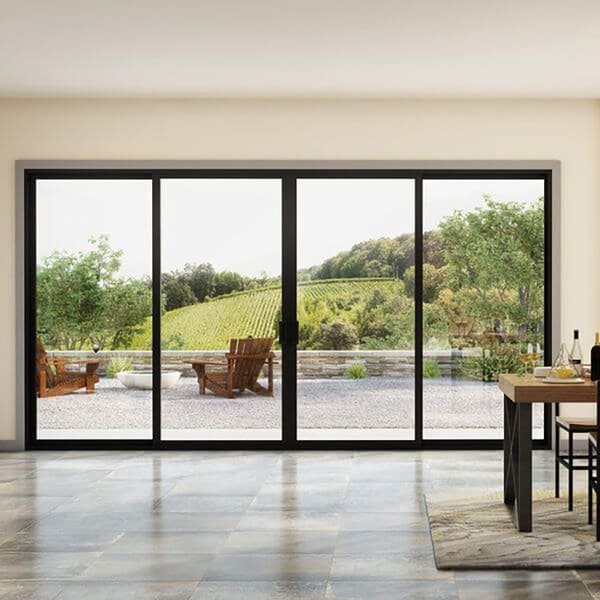
Doors used to be an afterthought in home design. Now, we know they are super important. The right door can completely change how your home looks and, more importantly, how it feels to live in. Your doors have two main jobs: to look good and to provide protection. Both are critical factors. A third factor has also become essential: energy efficiency. A good door adds value and protects you, but it should also help lower your energy use. This guide will help you navigate these points to make the best choice.
What to look for when buying a sliding patio door?
Your patio door faces harsh weather. Picking one that is durable, secure, and looks good is a real challenge. The wrong one can lead to leaks, drafts, and security worries.
For a sliding patio door, prioritize weather-resistant seals, a multi-point locking system for security, and durable, low-maintenance frame materials like aluminum or vinyl. Look for impact-resistant or double-glazed glass and high-quality rollers for smooth, effortless opening and closing.
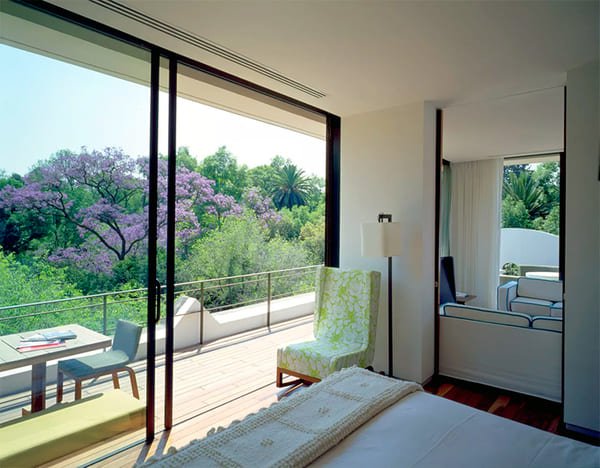
When a door separates your cozy interior from the great outdoors, it has to be tough. A patio door is a major feature, so it needs to perform well under pressure from both weather and potential intruders. Let’s break down the key elements to inspect before you buy.
Frame Materials and Weatherproofing
The frame is the door’s skeleton. It needs to be strong and resistant to the elements. Your choice of material directly impacts maintenance and longevity. A well-sealed door also keeps drafts and water out, saving you money on energy bills and preventing damage.
| Material | Durability | Maintenance | Insulation |
|---|---|---|---|
| Aluminum | High | Low | Moderate |
| Vinyl | High | Very Low | High |
| Wood | Moderate | High | High |
| Fiberglass | Very High | Low | Very High |
Security and Glass Options
A patio door can be a weak point for home security. Modern sliding doors, however, come with advanced security features. Look for doors with multi-point locking systems1 that secure the door at several points along the frame. Also, consider the glass. Tempered glass is stronger than standard glass, and laminated glass holds together even when shattered, offering an extra layer of protection. For energy savings, Low-E coated double- or triple-pane glass with argon gas fill is the industry standard.
What to look for in sliding doors?
You’ve found a style you like, but the hidden parts are what make a door last. Cheap hardware leads to jamming, squeaking, and constant frustration, forcing you to replace it sooner.
Look closely at the hardware. Quality rollers, a sturdy track, and a solid handle are crucial. These components determine the door’s day-to-day performance, ease of use, and how long it will last. Don’t compromise on these mechanical parts.

The feel of a sliding door comes down to its mechanics. A heavy, beautiful door is useless if it’s a struggle to open. As a factory specializing in these systems, I can tell you the quality of the rollers and track is everything. It’s the engine of your door. High-quality hardware ensures a whisper-quiet, smooth glide that feels effortless every time. This is where you can truly feel the difference between a premium product and a standard one. Pay attention to these details, because they will impact your daily life with the door.
The Importance of the Roller System
The rollers carry the entire weight of the door panel, so they have to be tough. Cheap plastic rollers will wear down, crack, and cause the door to jam or drag. Look for systems with high-grade nylon or steel wheels2 with ball bearings. At opensliding, we offer options like lifting wheels and soft-close mechanisms. These advanced systems provide an even smoother glide and prevent slamming, adding a touch of luxury and safety. They are engineered for specific weight capacities, ensuring they can handle heavy glass or wood panels without strain.
Tracks and Handles
The track guides the rollers, so it must be straight, strong, and designed to resist debris buildup. A poorly designed track can cause the door to derail. Aluminum is a great choice for tracks because it is strong, corrosion-resistant, and provides a smooth surface. The handle is your main point of contact with the door. It should be ergonomic, sturdy, and securely fastened. The locking mechanism integrated into the handle should be robust and reliable. We offer a variety of handle styles and finishes, allowing you to match the hardware to your home’s decor while ensuring top-notch security.
What is the sliding door theory?
Ever felt a disconnect between how a space is designed and how it’s actually used? This gap often happens when movement and flow aren’t considered, leading to awkward and impractical layouts.
The "sliding door theory" in design refers to creating flexible, multi-functional spaces by removing fixed barriers like traditional walls. It prioritizes flow and adaptability, allowing rooms to be easily opened up or closed off to suit different needs, enhancing the feeling of space and light.
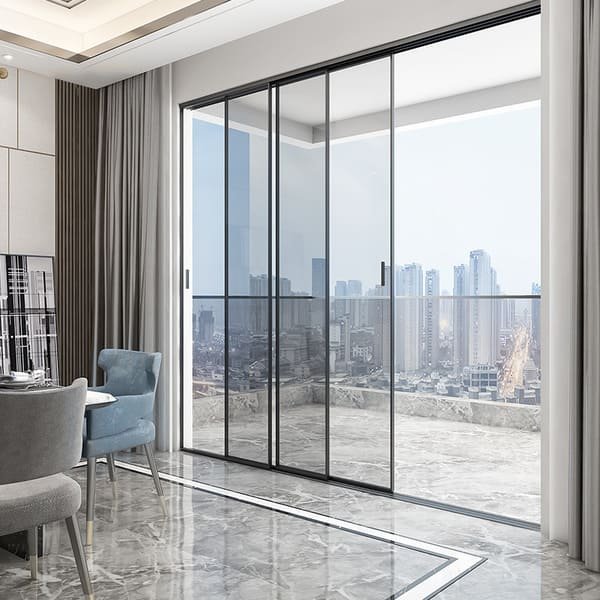
The sliding door theory isn’t just about doors; it’s a philosophy of space. Think about it: a traditional hinged door swings out, demanding a clear arc of floor space that can’t be used for anything else. It’s a permanent interruption. Sliding doors, on the other hand, move along a single plane. They disappear into a wall or sit flush against it, creating a seamless transition between two areas. This simple mechanical difference has a huge impact on how a room feels and functions. It allows you to have an open-plan living area for a party, and then easily create a quiet, private office the next day.
Creating Fluid Spaces
The core idea is to make your home work for you, not the other way around. By using sliding partitions3, you can instantly change a room’s purpose. A large living room can be divided into a smaller TV area and a playroom for the kids. A home office can be opened up to the living room when you’re not working. This adaptability is key to modern living, especially as more people work from home and need their spaces to be multi-functional. The goal is to maximize every square foot without sacrificing privacy when you need it.
Maximizing Light and View
Beyond flexibility, the sliding door theory is also about connecting the indoors with the outdoors. Large glass sliding doors erase the boundary between your living room and your garden, flooding the space with natural light. This not only makes the room feel bigger and more airy but also improves your well-being. By choosing a sliding door system, you are essentially replacing a solid wall with a dynamic, transparent barrier that can be moved at will. It’s about designing for light, view, and a more open, connected way of life.
How do I choose the right patio door style?
Choosing a patio door style feels overwhelming with so many options. You worry that what you pick might look dated in a few years or won’t match your home’s character.
To choose the right patio door style, first consider your home’s architecture. A modern home suits sleek aluminum frames, while a traditional home may call for a French-style slider. Also, think about function: do you need a wide opening, or is a standard two-panel door enough?
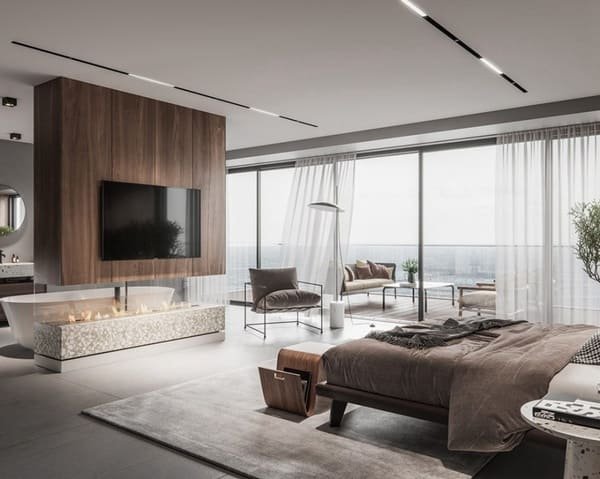
Your patio door is a major architectural feature, so its style should complement your home’s overall design. It’s a bridge between your indoor and outdoor living areas, and the right style will make that transition feel natural and beautiful. Don’t just think of it as a door; think of it as a large, functional window that you can walk through. The frame, the number of panels, and the grid pattern all contribute to the final look. We can help you find a style that not only looks great but also fits your lifestyle and how you plan to use the space.
Matching Style to Home Architecture
The first step is to look at your house. Is it modern, traditional, rustic, or somewhere in between? Here’s a simple guide:
- Modern/Contemporary4: Look for slim frames, large glass panes, and clean lines. Materials like aluminum or black vinyl work perfectly. Multi-slide or pocket doors that disappear completely create a dramatic, seamless opening.
- Traditional/Colonial5: A French-style sliding door is an excellent choice. It gives you the classic look of a hinged French door with the space-saving benefit of a slider. Grids or muntins on the glass can add to the traditional feel.
- Rustic/Farmhouse: A barn door-style slider can be a fantastic and trendy option. These doors often feature wood or wood-look materials and bold, exterior-mounted hardware, adding a lot of character.
Considering Functionality and Space
How will you use the door? If you entertain often and want a wide, seamless opening to your patio, a multi-panel or pocket sliding door is ideal. These can open up an entire wall. For a smaller space or a simple replacement, a standard two-panel slider is a classic and efficient choice. Also, think about the direction of the slide. You want the door to open in a way that promotes easy traffic flow from the most-used part of the room to the outside. It’s a small detail that makes a big difference in daily use.
Conclusion
Choosing the right sliding door involves balancing aesthetics, security, and energy efficiency. By focusing on quality hardware and matching the style to your home, you’ll find a perfect, lasting solution.
Learn how multi-point locking systems can significantly enhance your home’s security and protect your family. ↩
Discover why high-grade materials enhance durability and performance in door systems, ensuring a smoother operation. ↩
Explore how sliding partitions can transform your living space, offering flexibility and maximizing functionality. ↩
Explore this link to discover the latest materials and designs that enhance modern architecture, ensuring your home looks sleek and stylish. ↩
This resource will provide insights into how French-style sliding doors can elevate the charm and functionality of traditional homes. ↩