
Living in a small house can feel cramped and cluttered. You want a beautiful, functional space. These ten renovation ideas will help you maximize every inch of your home.
To make a small house feel bigger, use light colors, mirrors, and glass sliding doors to create an illusion of space. Also, keep decor simple, use smart furniture like folding pieces, and maximize every bit of storage to make the home feel open and organized.
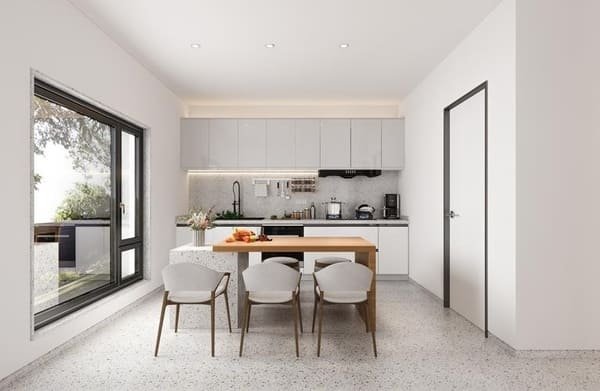
I’ve seen many clients struggle with small spaces. Done right, a small room can feel very intimate and cozy. But without a good plan, it quickly becomes an obstacle course filled with clutter. The good news is that there are many easy and affordable ways to fix this. I’m going to share some of my favorite tips that I’ve gathered over years in the hardware and design industry. Let’s look at how you can transform your space.
Can lighter tones really make a room feel bigger?
Your room feels dark and closed-in. You want an airy feeling but repainting sounds like a huge job. This simple color trick can completely change how the space feels.
Yes, light colors like white, beige, and light grays reflect more light. This makes walls seem farther away and ceilings appear higher, creating an open feeling that visually expands the room.
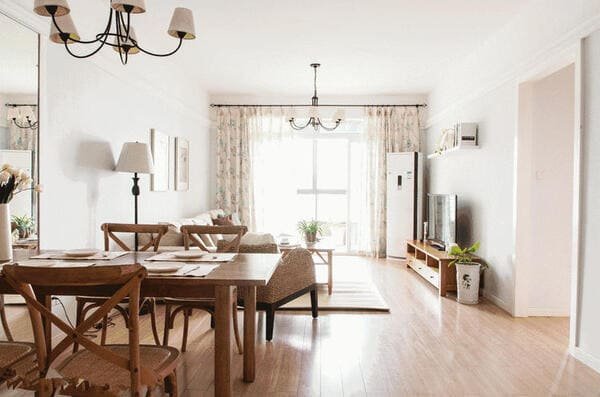
Using light colors is one of the oldest tricks in the book for a reason: it works. When I visit a factory or a showroom, the ones that feel biggest always use this principle. Dark colors absorb light, which can make a room feel small and cavelike. Light colors do the opposite; they bounce light around the room.
Deeper Dive into Color and Light
Think about more than just the walls. You can paint the ceiling a shade of white or even a color that is slightly lighter than the walls. This draws the eye upward and creates an illusion of height. Also, consider the finish of your paint. A satin or eggshell finish has a slight sheen that helps reflect light better than a flat or matte finish. You don’t have to stick to just white. Soft blues, pale greens, and warm creams work just as well.
| Feature | Light Colors (White, Beige, Pastels) | Dark Colors (Navy, Charcoal, Deep Green) |
|---|---|---|
| Light Reflection1 | High | Low |
| Perception of Space2 | Makes room feel larger and more open | Makes room feel smaller and more intimate |
| Mood | Airy, calm, clean | Cozy, dramatic, sophisticated |
| Best For | Small rooms, rooms with little natural light | Large rooms, accent walls, creating a cozy nook |
How do you use mirrors to expand a space?
Your room feels narrow and confining. You wish you could just push a wall back for more breathing room. A well-placed mirror can create that illusion of depth instantly.
Place a large mirror on a wall opposite a window. This reflects both the natural light and the view, which doubles the visual space and makes the entire room feel brighter.
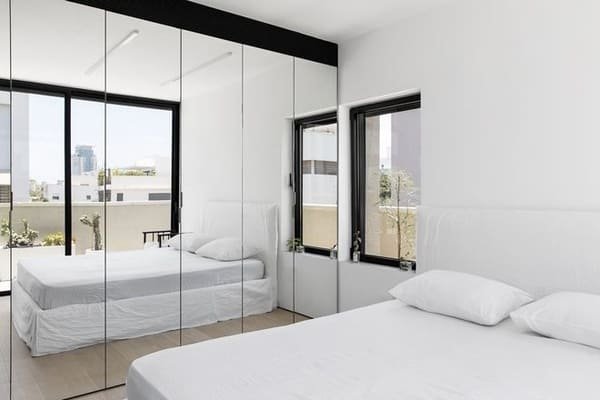
Mirrors are like magic when it comes to small-space design. They are essentially windows you can place anywhere. I often recommend them to my B2B clients, like furniture factories, for use in wardrobe doors. It’s a dual-purpose solution that adds function and the feeling of space. The key is strategic placement. You don’t want to just hang a mirror anywhere. It should reflect something beautiful or interesting, like a window, a piece of art, or a light fixture. A mirror that reflects a cluttered corner will only make the space feel messier. A large, floor-to-ceiling mirror can have a dramatic effect, making it feel like you’ve added a whole new section to the room.
Best Practices for Mirror Placement
Consider the sightlines in your room. What do you see when you first walk in? Placing a mirror there can create a powerful first impression. Long, narrow hallways are another perfect spot for a large mirror to make the corridor feel wider.
| Location | Why It Works | Tip |
|---|---|---|
| Opposite a Window | Doubles natural light3 and the view. | Choose a simple frame so it doesn’t distract. |
| In an Entryway | Makes the entrance feel grander and less cramped. | Perfect for a last-minute check before you leave. |
| Behind a Sofa/Bed | Creates a focal point4 and adds depth. | Use a large horizontal mirror or a grid of smaller ones. |
| On a Wardrobe Door | Saves wall space and is highly functional. | This is a great tip for our furniture factory clients. |
Why should you take advantage of glass sliding doors?
Traditional swinging doors eat up valuable floor space. Every inch counts in a small house. A sliding door system is a smart solution that reclaims that lost square footage.
Glass sliding doors save space because they don’t swing open into the room. The glass also allows light to flow between rooms, making both areas feel larger and more connected.
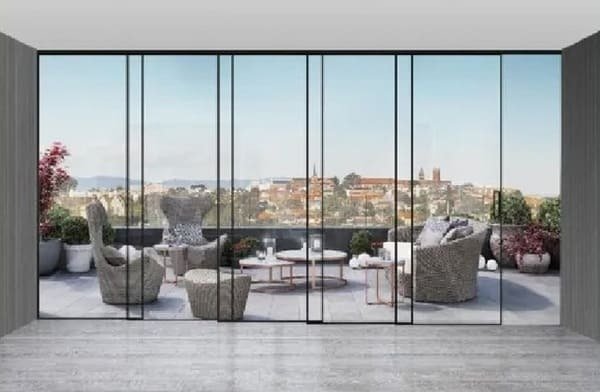
This is my area of expertise at opensliding. I’ve seen firsthand how a simple switch from a hinged door to a sliding door can revolutionize a small floor plan. A standard door needs about 9 square feet of clear floor space just to swing open. In a small apartment, that’s enough room for a desk or a bookshelf. Glass sliding doors move along a track parallel to the wall, using almost zero functional space.
Why Glass is a Game-Changer
The "glass" part is just as important as the "sliding" part. A solid sliding door saves space, but a glass one does more. It creates a visual connection between two spaces, so your eye travels further. This tricks your brain into thinking the area is bigger than it is. Frosted or reeded glass options are perfect for places like bathrooms or home offices where you need privacy but still want the light to pass through. As a manufacturer, we offer high-quality, durable sliding systems5 that are perfect for this. They are quiet, smooth, and a true value-add for any renovation project.
Contractors and designers I work with are always looking for features that add the most value to a home renovation. A high-quality glass sliding door system6 is one of them. It adds a modern, high-end feel while being incredibly practical.
How does keeping it simple help a small space?
Your room is filled with lots of small decorations and furniture. This can make the space feel chaotic and busy. A "less is more" approach can bring a sense of calm.
A simple, minimalist approach reduces visual clutter. With fewer items competing for attention, the room feels more open, organized, and serene, which makes the space feel larger.
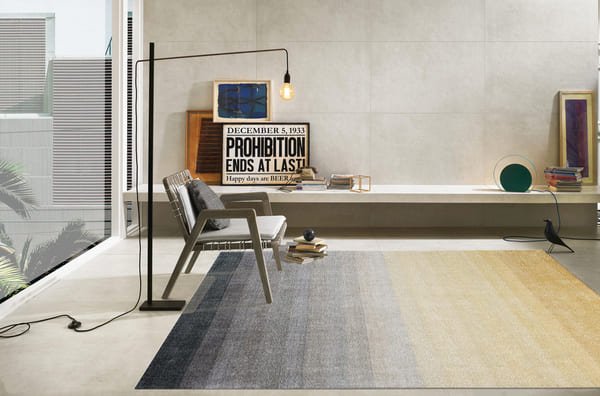
Think of it like this: every object in a room takes up not just physical space, but visual space too. In a small room, you don’t have a lot of visual space to spare. When I walk through a well-designed small apartment, the first thing I notice is that everything has a purpose. There are no purely decorative items that just take up room. Instead, functional items like a beautiful lamp or a well-designed chair are the decoration. This is about being intentional with your choices. Opt for a few high-quality, meaningful pieces rather than a lot of small, insignificant ones.
The Art of Curated Simplicity
This doesn’t mean your home has to be boring or sterile. It’s about curation. Think about the lines of your furniture. Pieces with clean lines7 and a simple silhouette, like mid-century modern designs, work very well. When it comes to decor, follow the "one in, one out" rule. If you bring a new decorative item home, an old one has to go. This prevents the slow creep of clutter.
| Instead Of This… | Try This… | Why It Works |
|---|---|---|
| Many small art prints | One large statement piece of art | Creates a single focal point, less visual noise. |
| Lots of small knick-knacks | A few beautiful, functional objects (e.g., a nice vase) | Reduces clutter and elevates the space. |
| Ornate, heavy furniture | Furniture with clean lines7 and visible legs | Allows you to see more floor, creating openness. |
| Multiple clashing patterns | A simple color palette with texture for interest | Creates a cohesive and calming atmosphere. |
Can you use folding furniture to save space?
You need a dining table or a desk, but there’s no room for one permanently. You feel frustrated by the lack of functionality. Folding furniture offers a solution on demand.
Yes, folding furniture like wall-mounted desks or collapsible dining tables can be used when needed and folded away when not. This frees up valuable floor space for other activities.
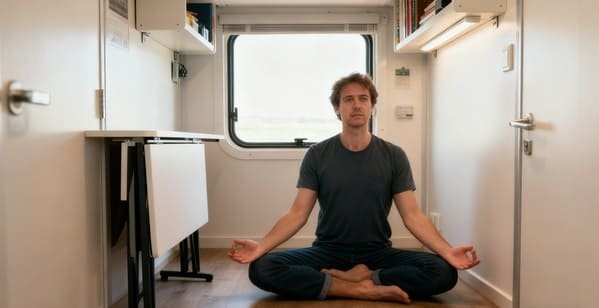
I remember visiting a potential client in Canada who lived in a micro-condo. He had a brilliant wall-mounted table that served as his dining area. When he was done, he folded it up, and the space became part of his living room again. This is the power of transformable furniture. It allows one room to have multiple functions. For B2B clients like furniture factories, I always suggest exploring hardware for multifunctional pieces. There is a huge market for it, especially in urban areas where space is a premium. The key is high-quality hardware—hinges and supports that are durable and easy to operate.
Beyond the Folding Table
Folding furniture8 isn’t just about tables and chairs anymore. The innovation in this area is incredible. There are folding beds (Murphy beds9) that disappear into a cabinet, and even folding kitchen islands. When you are planning a renovation, think about how you use the space throughout the day.
For anyone planning a major project, a common question is, "In what order should you renovate a house?" Generally, you should start with major structural work, then move to plumbing and electrical, then drywall and painting, and finish with flooring, cabinets, and fixtures. Planning for built-in folding furniture should happen early in this process.
Should you really add larger furnishings to a small room?
It feels counterintuitive. Your first instinct in a small room is to use small furniture. But this can make the room feel cluttered and disjointed, like a doll’s house.
Yes. Using a few larger, well-chosen pieces of furniture instead of many small ones can actually make a room feel bigger. It creates a less cluttered look and a greater sense of scale.
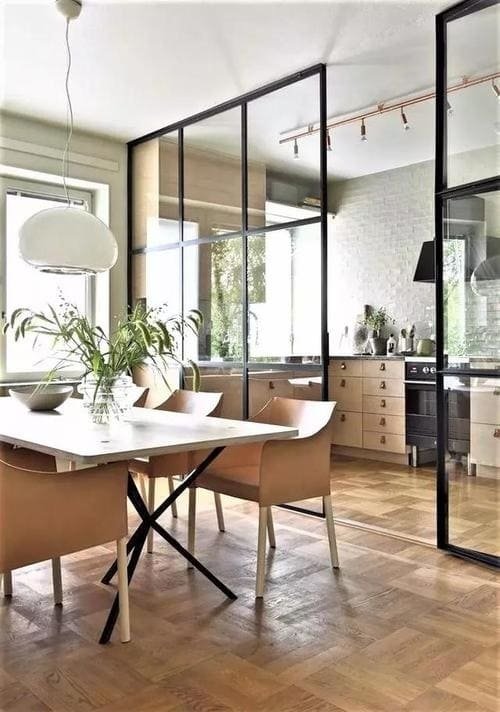
This is a tip that surprises many people. Think about it: a room with one large sofa, one coffee table, and one armchair feels more restful and spacious than a room with a loveseat, two small chairs, a pouf, and three side tables. The many small items create a lot of visual static. The larger pieces ground the space and make it feel more intentional and grander. It’s about proportion. Choose furniture that fits the scale of the room, but don’t be afraid to go for the bigger sofa if it means you can eliminate other, smaller seating options.
Choosing the Right Large Pieces
The trick is to choose large pieces10 that are not visually heavy. Look for a sofa with clean lines11 and raised legs. This allows you to see the floor underneath, which creates a sense of openness. A large, light-colored bookshelf that goes all the way to the ceiling can also make a room feel taller. Don’t overdo it. The goal is not to cram the room with huge furniture, but to have one or two anchor pieces that define the space.
| Good Choice for a Small Room | Bad Choice for a Small Room | Reason |
|---|---|---|
| A large sectional with clean lines11 | A bulky, overstuffed sofa set | The clean lines11 are less visually dominant. |
| A large, simple armoire | A dresser, a bookshelf, and a cabinet | Consolidates storage into one visually clean unit. |
| One large area rug | Multiple small, scattered rugs | A single large rug unifies the space. |
Why should you wall mount your TV?
Your TV and its stand take up a huge amount of floor space. It’s a bulky piece of furniture that limits how you can arrange your room and makes the area feel cramped.
Wall mounting your TV frees up the floor space previously occupied by a media console. This creates a cleaner, more modern look and gives you more flexibility with your room layout.
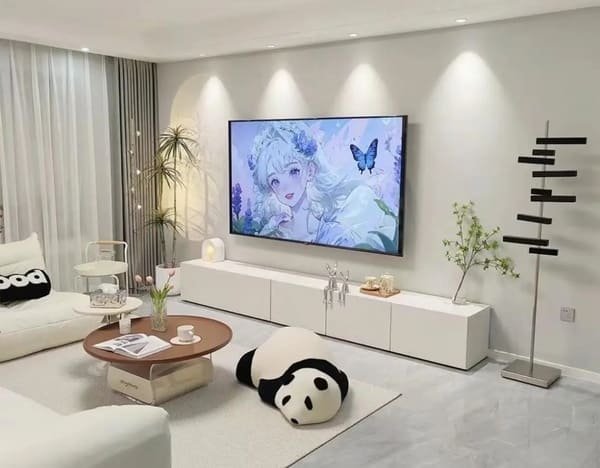
This is one of the easiest and most impactful changes you can make in a small living room. Getting the TV off a bulky stand and onto the wall is an instant space-saver. I’ve seen this completely transform a room’s flow. Suddenly, you have a wider walkway, or you have room for an extra chair. You can even place a very slim, narrow console table underneath for media components, which will look much sleeker and take up far less space than a traditional TV cabinet. It’s a modern look that also happens to be incredibly practical for small-space living.
Things to Consider Before Mounting
Before you start drilling holes, there are a few things to think about. First, make sure you choose a wall that can support the weight of the TV. If you have drywall, you’ll need to locate the studs. Second, think about the viewing height12. The center of the screen should be at eye level when you’re seated. A common mistake is mounting it too high, like above a fireplace, which can be uncomfortable for your neck. Finally, you need a plan for the cables13. You can run them through the wall for the cleanest look, or use a paintable cord cover that blends in with your wall color.
Does a bigger rug really work in a small room?
Your instinct might be to use a small rug that just sits under the coffee table. But this can visually chop up the floor and make the room feel even smaller and more fragmented.
Yes, a bigger rug makes a room feel larger. A large rug that most of the furniture can sit on unifies the space and defines the living area, creating an illusion of a bigger room.
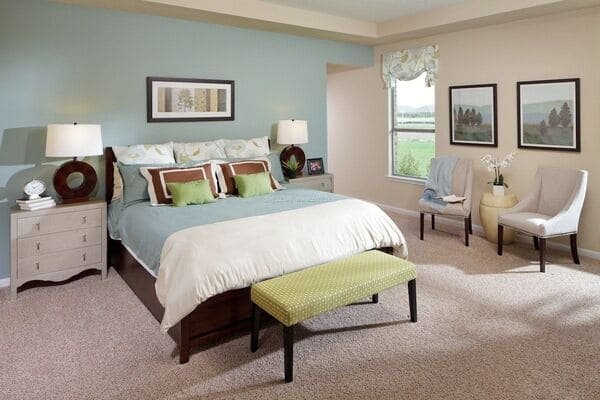
This is another one of those counterintuitive design rules that really works. A small "postage stamp" rug floating in the middle of the floor makes the room look choppy. It draws attention to the small dimensions of the floor. A larger rug, on the other hand, acts as an anchor for the entire furniture arrangement. It pulls everything together and makes the whole area feel like one cohesive, expansive space. The rule of thumb is that at least the front legs of your sofa and chairs should be sitting on the rug. In a perfect world, all the furniture in a seating group would be completely on the rug.
How to Choose the Right Size
When you’re shopping for a rug, take measurements of your room and your furniture layout. You don’t want a rug that’s too small, but you also don’t want one that touches the walls on all sides; that makes it look like wall-to-wall carpeting. Leave a border of about 12 to 18 inches of bare floor between the edge of the rug and the walls. This creates a nice frame and makes the room look polished.
| Room Size | Recommended Rug Size14 | Placement Guideline15 |
|---|---|---|
| Small Living Room | 5’x8′ or 6’x9′ | Front legs of sofa and chairs on the rug. |
| Medium Living Room | 8’x10′ | All legs of sofa and chairs on the rug. |
| Small Bedroom (Queen Bed) | 8’x10′ | Place rug horizontally under the bottom two-thirds of the bed. |
How can you best utilize your storage space?
Clutter is the biggest enemy of a small space. Things pile up on surfaces because they have no proper home. This makes the room feel chaotic and even smaller than it is.
Utilize vertical space with tall bookshelves, use multi-functional furniture like storage ottomans, and add organizers to closets and cabinets. Every unused nook and cranny is a potential storage opportunity.
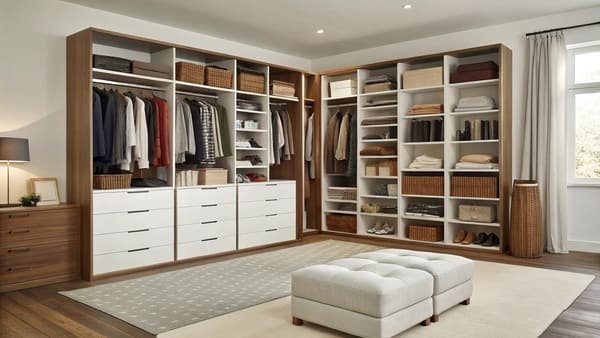
In my business, we provide hardware for all kinds of cabinet and wardrobe systems. The most successful designs are always the ones that think about storage cleverly. Don’t just think about floor space; think vertically. Shelving that goes all the way to the ceiling draws the eye up and uses wall space that is often wasted. Under-bed storage is another goldmine for things you don’t use every day, like seasonal clothing or extra bedding. The key is to give everything a designated home. When everything is put away, your space will feel ten times bigger.
The 30% Rule and Smart Storage
A helpful guideline some contractors use is the "30% rule for renovations16," which suggests that you shouldn’t spend more than 30% of your home’s value on a full renovation. When focusing on a small area, apply that logic proportionally. Investing in smart storage17 is one of the best uses of that budget. Think about pull-out pantry shelves, drawer dividers, and custom closet systems. These things don’t just hide your stuff; they make it accessible and easy to keep organized. It’s an investment in your daily peace of mind.
Are over-the-door racks a good idea?
You’ve run out of closet and drawer space. The backs of doors are just empty, unused surfaces. This is prime real estate for storage that most people completely overlook.
Yes, over-the-door racks are an excellent, low-cost way to add instant storage. They use vertical space that is typically wasted, perfect for shoes, toiletries, or cleaning supplies without drilling any holes.
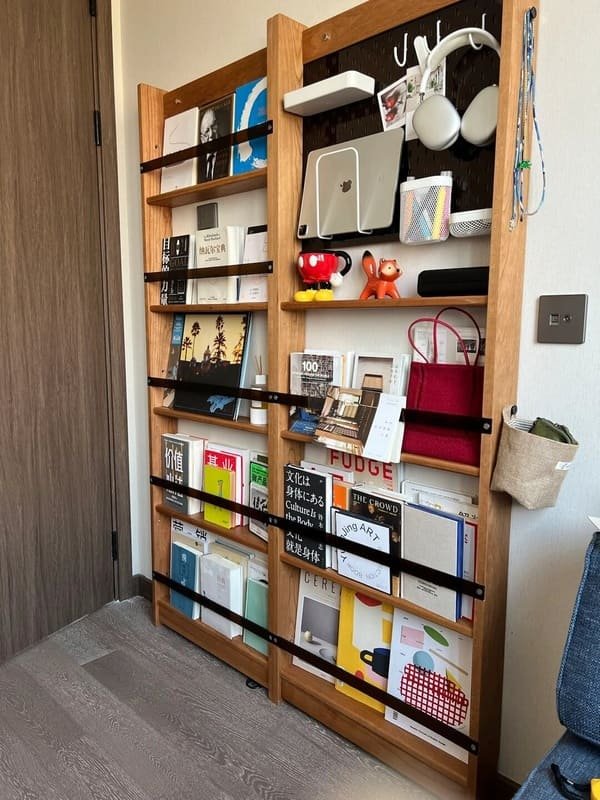
This is one of the simplest and most effective "hacks" for a small home. I’ve seen them used brilliantly in bathrooms for holding towels and toiletries, in bedrooms for shoes and accessories, and in pantries for spices and small food items. Because they just hang over the top of the door, they are perfect for renters or for anyone who doesn’t want to make permanent changes. It’s about maximizing every single surface. You can find these organizers in all shapes and sizes, from simple hooks for coats to elaborate pocket organizers for all your small items. It’s a small change that can make a big difference in reducing clutter.
More Than Just Hooks
While simple hook racks are great, look for systems that offer more. Pocket organizers are fantastic for corralling small, loose items that would otherwise clutter up a drawer. In a kitchen pantry, a wire rack18 on the back of the door can hold all your spices, freeing up valuable cabinet space. In a child’s room, it can be a home for small toys or art supplies. It’s an incredibly versatile solution. The best part is that it keeps things off your floors and countertops, which is the number one rule for making a small space feel bigger.
Conclusion
These ten ideas—from using light colors and glass doors to choosing bigger rugs—can truly transform a small home. They create a space that feels open, organized, and much larger.
Understanding light reflection can help you choose colors that enhance your space’s brightness and openness. ↩
Exploring this topic can guide you in selecting colors that make your rooms feel larger or cozier. ↩
Understanding the impact of natural light can enhance your interior design skills and create brighter, more inviting spaces. ↩
Learning about focal points can transform your space, making it more visually appealing and well-organized. ↩
Learn about the features that define high-quality sliding systems, ensuring longevity and performance in your home renovations. ↩
Explore the advantages of glass sliding door systems to enhance your renovation projects with modern aesthetics and functionality. ↩
Exploring this link will reveal how clean lines can enhance your space’s aesthetic and functionality. ↩ ↩
Explore how folding furniture can maximize space and enhance functionality in your home. ↩
Learn about Murphy beds and their space-saving benefits for small living areas. ↩
Exploring this resource will provide insights on how large pieces can enhance your space without overwhelming it. ↩
This link will help you understand how clean lines contribute to a modern aesthetic and create a sense of openness. ↩ ↩ ↩
Understanding the ideal viewing height can enhance your TV watching experience, ensuring comfort and reducing neck strain. ↩
Proper cable management not only improves aesthetics but also ensures safety and organization in your entertainment area. ↩
Understanding recommended rug sizes can help you choose the perfect fit for your space, enhancing both comfort and aesthetics. ↩
Exploring placement guidelines will ensure your rug complements your furniture layout, creating a harmonious and inviting atmosphere. ↩
Understanding the 30% rule can help you budget effectively for home renovations, ensuring you make wise financial decisions. ↩
Exploring smart storage solutions can enhance your home’s organization and efficiency, making daily life more manageable. ↩
Discover the advantages of using wire racks for efficient storage and easy access to your pantry items. ↩