
Struggling with incomplete hardware sets from suppliers? This causes costly project delays. You need to know exactly what a complete system includes to avoid these headaches and keep production running smoothly.
A complete glass sliding door hardware system from China typically includes the hanging track, rollers or pulleys, glass clamps, door stoppers, and a floor guide. All necessary screws and fixings are also part of the kit. Always confirm the specific packing list with your factory.
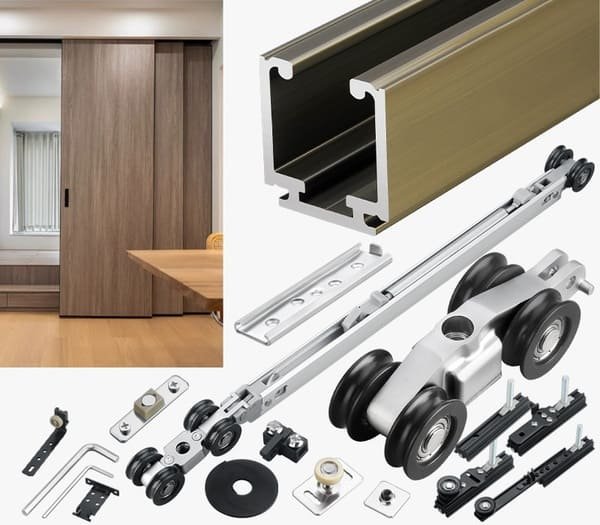
I’ve been exporting hardware kits for years, and one of the biggest concerns for buyers like Jacky is receiving a shipment with missing parts. It’s a valid worry. A single missing screw can halt an entire installation, damaging your reputation and timeline. That’s why understanding every component is the first step to a successful purchase. Once you know what to expect, you can confidently verify your order and ensure your projects proceed without a hitch. Let’s break down how you can master this process and work effectively with your supplier.
How do I verify all necessary components are included?
Are you worried about missing parts in your shipment? This can stop your entire production line. Here’s how you can make sure every single screw is accounted for.
Verify components by demanding a detailed packing list from your supplier before shipment. Cross-check this list against the technical drawings and your purchase order. Then, perform a physical check immediately upon receiving the goods.

In my experience, verification is a three-step process. If you follow it, you will rarely have issues. It’s about clear communication and careful checks at the right time. Rushing this part of the procurement process is a common mistake that can lead to big problems later. By being systematic, you build a stronger relationship with your supplier and protect your business from unnecessary delays. Here is how I advise my customers to handle verification to ensure they get exactly what they paid for.
The Verification Process
Your verification should start long before the container is loaded.
- Before You Order: Always get a detailed technical drawing1 and a component list. This document is your reference. It should list every part, down to the last washer. Ask questions if anything is unclear. For example, ask "How many screws of type X are included?"
- Before Shipment: Request a final, detailed packing list2. This list should match the component list you approved earlier. I also recommend asking for photos of a packed kit. This visual check can help spot obvious errors before the goods leave my factory.
- When You Receive the Shipment: Don’t wait. As soon as the container arrives, randomly select a few boxes and do a full inventory check against the packing list2. This is your last chance to identify any discrepancies and report them immediately.
Here is a simple checklist you can use:
| Verification Stage | Action Item | What to Look For |
|---|---|---|
| Pre-Order | Request & approve technical drawing1s and component list. | Part names, quantities, dimensions, materials. |
| Pre-Shipment | Get the final packing list2 and photos. | Match between packing list2 and initial component list. |
| Post-Receipt | Conduct a spot check of several kits upon arrival. | Physical count matches the packing list2 exactly. |
Can I add optional components to the system?
Does the standard hardware kit not quite fit your project’s unique needs? This limitation can frustrate your customers. The good news is, you can and should customize your order.
Yes, you can almost always add optional components. Many Chinese factories like ours offer customization. You can add soft-close mechanisms, different handle styles, or extra track length. Just communicate your specific needs clearly.
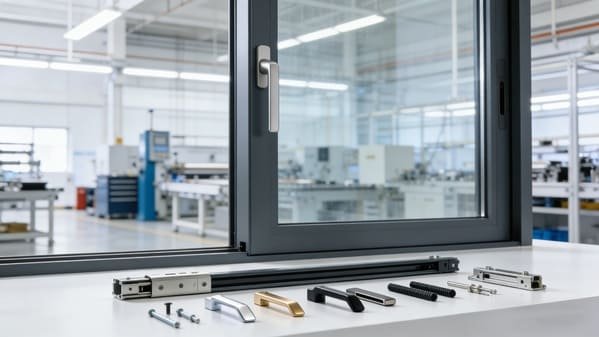
Many of my long-term clients, like Jacky from Canada, started by ordering standard kits. Over time, they realized that a small customization could give them a big advantage in their local market. Adding a premium soft-close damper or a unique handle design elevates their final product. This is why I always encourage my customers to think beyond the standard offering. A good manufacturing partner will work with you to create a kit that is perfectly tailored to your needs. It’s a simple conversation that can add a lot of value.
Popular Optional Add-ons
Customizing your hardware kit allows you to meet specific design requirements or improve functionality.
- Soft-Close Dampers3: These are probably the most requested add-on. They provide a smooth, quiet closing action that users love. It adds a touch of luxury and safety.
- Decorative Track Covers: A simple fascia or cover can hide the track and rollers, offering a cleaner, more minimalist look. This is great for high-end residential or commercial projects.
- Handle and Lock Variations: The standard kit may come with a basic flush pull. You can request different styles, finishes, or even locking ladder pulls for added security.
- Synchronized Systems4: For double-door applications, you can add a synchronized system. This allows both doors to open and close together when you only move one.
When you need to add components, be as specific as possible. Provide drawings, desired specifications, and finish requirements. The clearer you are, the easier it is for me to provide an accurate quote and produce exactly what you need.
How do I organize components for installation?
Does a box full of hardware look overwhelming? Misplacing one small part can derail the whole installation process. A simple organization system will make everything go much more smoothly.
Organize components by sorting them according to the installation manual’s steps. Group all track parts, door parts, and fasteners separately. Using labeled bins or trays for small items prevents loss and saves time.
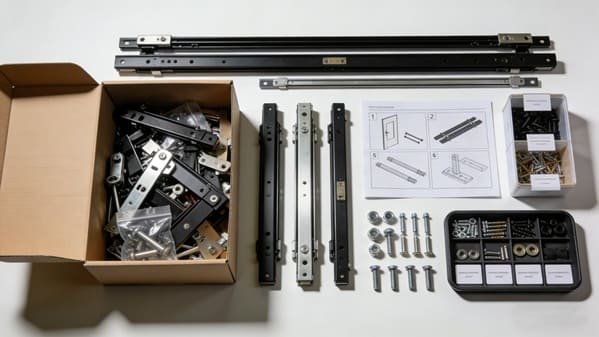
I once visited a client’s project site and saw his team struggling. They were dumping all the hardware from several boxes into one big pile. They spent more time searching for the right screw than actually installing the doors. After that, I started including a small note in my kits suggesting a simple organization method. It seems obvious, but taking ten minutes to sort parts before you begin can save hours of frustration. It also dramatically reduces the chance of losing a critical component on a busy job site.
A System for Sorting
A little preparation goes a long way. This makes the job faster for professional installers and reduces mistakes.
- Lay Everything Out: Open the box and lay out all the components on a clean, flat surface. Compare everything you see with the parts list in the installation manual to ensure nothing is missing.
- Group by Installation Step: The manual will show the installation sequence. Create groups of parts for each major step. For example:
- Group 1: Track Installation: The track, wall mounting brackets or connectors, and the screws for them.
- Group 2: Door Preparation: The roller hangers, glass clamps, and their specific bolts.
- Group 3: Final Assembly: The door stoppers, floor guide, and their fasteners.
- Use Containers for Small Parts: Small items like screws, washers, and Allen keys are easy to lose. Use small containers, magnetic trays, or even simple plastic bags to keep them separated and labeled. This small action has a huge impact on efficiency.
Following this simple method transforms a potentially chaotic task into a clear, step-by-step process.
Are spare parts provided for maintenance?
Are you concerned about long-term maintenance? Not having access to spare parts can turn a simple repair into a huge problem, forcing you to replace an entire system.
Spare parts are usually not included in standard kits to keep costs low. However, you can and should order them separately. Reputable suppliers can provide any component, like rollers or guides, for future maintenance needs.
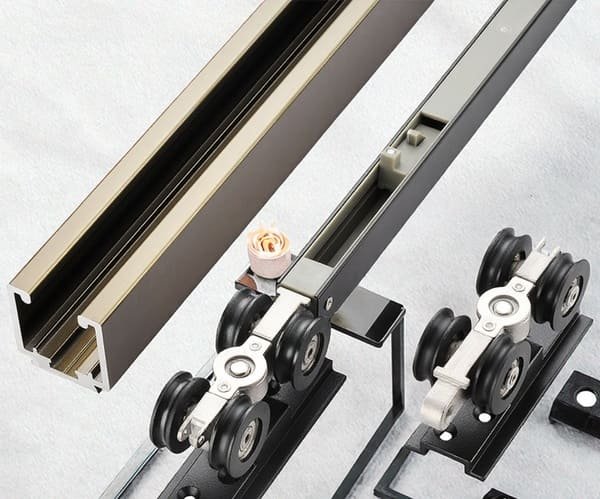
For B2B buyers like Jacky, thinking about the future is crucial. A door system is expected to last for years, but high-wear parts like rollers will eventually need replacement. I always tell my clients that while the initial kit is for installation, they should also plan for maintenance. Ordering a small stock of the most common wear parts with your main shipment is a very smart move. It costs very little extra in shipping and ensures you can service the products you sell for years to come, which builds trust with your own customers.
Planning for the Future
Being proactive about spare parts5 is a sign of a professional operation. It shows you care about the product lifecycle, not just the initial sale.
- Identify Wear Parts: The components that move are the ones that will wear out first. For a glass sliding door system, this is primarily the roller assembly. Floor guides can also see wear over time.
- Order Spares with Your Main Shipment: The most cost-effective way to buy spares is to include them with your large hardware order. Adding 5-10% extra roller sets adds very little to the overall shipping cost. This prepares you for any warranty claims or maintenance requests down the line.
- Keep Records: When you order a specific system, keep a record of the supplier and the model number. If you need a spare part years later, this information makes it easy for me or any supplier to identify the exact component you need.
Here are the most common spare parts1 to consider:
| Component | Reason for Replacement | Recommended Spare Qty (per 100 kits) |
|---|---|---|
| Roller/Pulley Assembly6 | Highest wear item due to constant movement. | 5-10 sets |
| Floor Guide | Can wear or break from impacts. | 3-5 pieces |
| Door Stopper (Rubber End) | Rubber can degrade or get lost over time. | 5-10 pieces |
| Fasteners/Screws | Often lost during initial installation. | A small assorted bag. |
Conclusion
A complete glass sliding door system includes tracks, rollers, stoppers, and fixings. Verifying parts, customizing orders, and planning for spares ensures a successful, long-lasting installation for your projects.
Understanding technical drawings is crucial for ensuring accuracy in manufacturing processes and avoiding costly mistakes. ↩ ↩ ↩
A comprehensive packing list is essential for verifying shipments and ensuring all components are accounted for, preventing delays. ↩ ↩ ↩ ↩ ↩
Explore this link to understand how Soft-Close Dampers enhance user experience with luxury and safety. ↩
Learn about Synchronized Systems to see how they improve functionality and convenience in double-door setups. ↩
Exploring spare parts management can help you optimize costs and ensure timely repairs, improving overall operational efficiency. ↩
Understanding the role of the Roller/Pulley Assembly can enhance your maintenance strategy and prolong the lifespan of your sliding doors. ↩