
Struggling with unclear packaging rules for your imports? Non-compliant packaging can cause costly customs delays, damaging your project timelines and budget. Verifying your supplier’s materials is the key to smooth shipping.
Yes, China has strict environmental packaging regulations, but you must actively verify compliance. Ask your supplier for proof that they use recyclable, RoHS/REACH compliant materials, especially for wood and plastics, to meet rules in both China and your country. Direct communication is essential.

Getting the right glass sliding door rollers is just the first step. The box they arrive in matters just as much. I’ve learned over the years that packaging compliance isn’t something you can assume; it’s something you have to confirm. Overlooking this detail can create massive headaches down the road, from seized shipments to unexpected fines. Let’s dig into the specific questions you need to ask to protect your business and ensure your products arrive without a hitch.
Are packaging materials RoHS and REACH compliant?
Confused by complex chemical regulations like RoHS and REACH? These rules can feel overwhelming, but ignoring them can get your hardware products blocked from entering major markets like the European Union.
To ensure compliance, simply ask your supplier for a declaration of conformity or test reports for RoHS and REACH. These documents are your proof that the packaging is free from restricted hazardous substances, ensuring smooth market access.

RoHS and REACH are two different sets of regulations from the EU, but they both focus on protecting human health and the environment from dangerous chemicals. Think of them as a safety checklist for the materials used in and around your products. When I work with buyers from Europe, these are non-negotiable topics.
Breaking Down RoHS and REACH
RoHS stands for Restriction of Hazardous Substances1. It mainly restricts specific materials like lead, mercury, and cadmium, often found in electronics. While it’s not directly for packaging, many buyers apply its principles to packaging materials to ensure no harmful substances can leach into the product or the environment.
REACH is much broader. It stands for Registration, Evaluation, Authorisation and Restriction of Chemicals2. It covers almost any chemical substance, so it definitely applies to the plastics, inks, and glues used in your packaging.
Here is a simple breakdown:
| Regulation | Main Focus | Why It Matters for Packaging |
|---|---|---|
| RoHS | Restricts 10 specific hazardous substances | Ensures no heavy metals are present in inks, dyes, or plastic. |
| REACH | Governs thousands of chemical substances | Manages risks from chemicals in glues, coatings, and materials. |
At opensliding, we source our packaging from suppliers who understand these regulations. We can provide the necessary paperwork to show that our packaging meets these strict standards, giving you one less thing to worry about.
Does the supplier offer recyclable or FSC-certified materials?
Want to show your customers you care about the environment? Using unsustainable packaging can hurt your brand’s image and even violate regulations in certain regions. Green packaging is no longer a bonus; it’s a requirement.
Many Chinese suppliers, including us, offer sustainable packaging. Specifically ask for recyclable cardboard and plastics, or for paper materials with an FSC (Forest Stewardship Council) certification. This demonstrates responsible sourcing and meets market demands.

Today’s customers don’t just buy a product; they buy into a brand’s values. Using sustainable materials is a powerful way to show you are a responsible company. It’s a question I get more and more, especially from clients in North America and Europe. They know their end-users check for these details.
Understanding Your Green Options
Making a sustainable choice is easier than it sounds. It comes down to a few key options you can request from your supplier.
- Recyclable Materials3: This is the most basic requirement. Ask for cardboard boxes and plastic bags that can be easily recycled. Most suppliers use corrugated cardboard, which is widely recyclable. For plastics, ask for materials marked with standard recycling symbols (like PET or HDPE).
- FSC Certification4: The Forest Stewardship Council (FSC) label is the gold standard for wood and paper products. It guarantees that the material comes from a forest that is managed responsibly to protect wildlife, trees, and the local community. If your packaging is paper-based, asking for an FSC option is a great move.
I had a customer from Canada, a lot like Jacky, who won a large contract with a green building developer. A key requirement was that all materials, including packaging, had to be sustainably sourced. We worked together to switch his standard boxes to FSC-certified ones. It was a small change, but it helped him secure the deal. These options might add a tiny amount to the cost, but the value they add to your brand is huge.
Are inks and coatings environmentally friendly?
Ever considered what’s in the ink on your shipping boxes? Some inks and coatings contain heavy metals or volatile organic compounds (VOCs) that are harmful to the environment and can violate regulations.
Yes, you can request eco-friendly printing options. Ask your supplier to use soy-based or water-based inks instead of traditional petroleum-based ones. These alternatives are non-toxic, release fewer VOCs, and make the packaging easier to recycle.
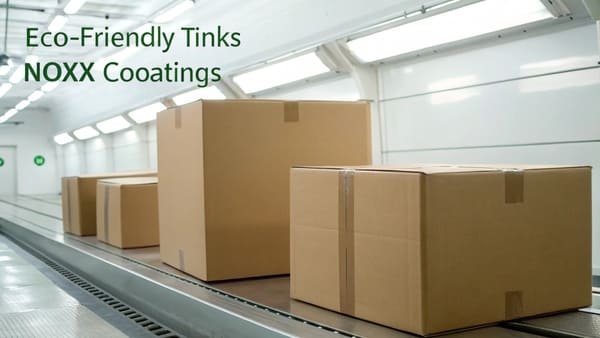
The details matter, right down to the print on the box. For a long time, nobody really thought about the ink. But now, with stricter global standards, it’s part of the conversation. Using the wrong kind of ink can make an otherwise recyclable box non-recyclable. It’s a small detail that can have a big impact on your product’s environmental footprint.
Inks, Coatings, and Your Brand
When you customize your packaging with a logo, you should also think about how that logo is printed. The choice of ink and coatings can affect both compliance and your brand’s green credentials.
Here’s what to ask your supplier about:
- Ink Type: The best choices are soy-based or water-based inks5. They are made from renewable resources and are much safer for the environment than traditional solvent-based inks. They break down more easily during the recycling process.
- Coatings and Finishes: Some boxes have a glossy or matte finish. These are often plastic-based laminates that can make recycling difficult. If you want a coating, ask for an aqueous (water-based) coating, which is much more eco-friendly.
A few years ago, a large distributor in the US asked me about our printing process. They had an internal policy to reduce VOCs across their entire supply chain. I was able to confirm we use low-VOC, water-based inks5 for all our custom-branded boxes. This simple confirmation helped strengthen our partnership and showed that we are aligned with their corporate values.
Can the supplier provide environmental compliance documentation?
How can you be sure a supplier’s claims about eco-friendly packaging are true? Without proof, you’re taking a risk that could lead to your shipment being rejected at the border.
A reliable supplier should readily provide environmental compliance documents. Always ask for certificates like FSC, RoHS test reports, or a formal declaration stating the materials used. This paperwork is your best protection and proof of due diligence.
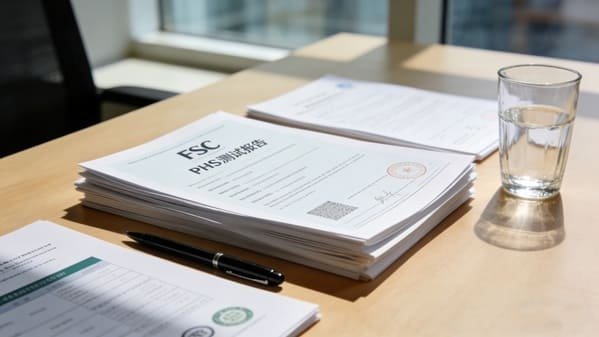
In international trade, the rule is simple: "document everything." You can’t just take a supplier’s word for it, no matter how good your relationship is. Customs officials in your country won’t accept verbal promises. They need to see official paperwork. As a factory owner, I understand this completely. Providing documentation is a standard part of our process and a sign of a professional operation.
The Key Documents You Need
When you talk to your supplier, be specific about what you need. Don’t just ask if the packaging is "eco-friendly." Ask for the documents that prove it.
Here is a checklist of documents to request:
| Document Type | What It Proves |
|---|---|
| RoHS Test Report6 | Shows that the packaging is free from the 10 restricted hazardous substances. |
| REACH Declaration of Conformity7 | Confirms the packaging complies with EU chemical safety regulations. |
| FSC Chain of Custody Certificate | Verifies that any paper or wood products come from a sustainable source. |
| Material Specification Sheet | Details the exact composition of the packaging materials (e.g., recycled content %). |
| IPPC/ISPM 15 Mark | Essential for any solid wood packaging (like pallets) to show it’s been treated. |
I always tell my clients, the easiest way to handle this is to email or message me directly on WhatsApp. Just send a list of the documents you need. At opensliding, we keep these records on file for all our standard packaging and can quickly provide them to you. It makes the entire process smoother and gives you the peace of mind you need.
Conclusion
In short, ensuring your packaging from China is compliant is your responsibility. Always verify materials, ask for documentation like RoHS or FSC certificates, and communicate clearly with your supplier to avoid any issues.
Understanding RoHS is crucial for compliance in electronics and packaging, ensuring safety and environmental protection. ↩
Exploring REACH helps businesses manage chemical risks effectively, ensuring safer products and compliance with EU regulations. ↩
Explore this link to understand how recyclable materials can enhance sustainability and appeal to eco-conscious consumers. ↩
Discover why FSC certification is crucial for responsible sourcing and how it can elevate your brand’s commitment to sustainability. ↩
Explore this link to understand how water-based inks can enhance sustainability and compliance in your packaging. ↩ ↩
Understanding the RoHS Test Report is crucial for ensuring your packaging is safe and compliant with regulations. ↩
Exploring the REACH Declaration helps you grasp its role in chemical safety and compliance in packaging. ↩