
Finding a supplier for your glass door hardware is one thing. But getting custom OEM packaging with a reasonable MOQ can be a real headache, delaying your brand launch.
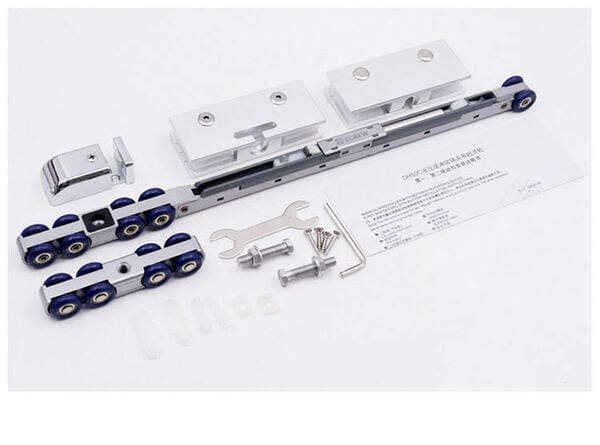
Typically, the MOQ for OEM packaging for glass sliding door pulley systems from China is between 100 to 1,000 sets. This number varies greatly depending on the supplier and the complexity of your packaging design. The best way to get an exact number is to contact the supplier directly.
That initial range of 100 to 1,000 sets gives you a starting point. But as a buyer, you know the details matter. There are more questions to ask to ensure you get the best deal and the right product for your market. Let’s break down some of the most common questions I get from clients like you.
Can I combine multiple designs in one OEM order?
You have different pulley system models. Ordering custom packaging for each seems impossible with high MOQs, forcing you into generic boxes that don’t build your brand.
Yes, it’s often possible to combine multiple designs. If the box size and material are the same, you can usually vary the printed information, like model numbers or features, within a single order. This might involve a small additional setup fee from the packaging printer.
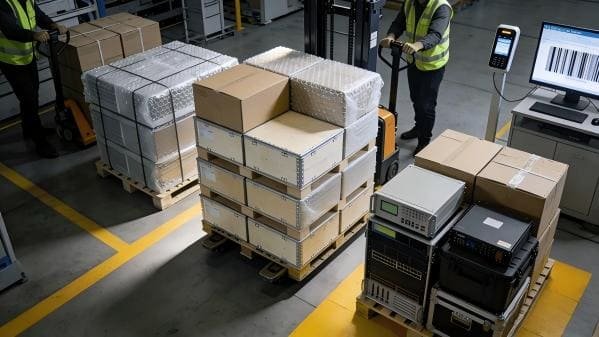
Combining designs is a smart way to manage inventory and costs. The key is to make it easy for the factory. An Industry Professionals In Sliding Door Pulleys System, I can tell you that flexibility often comes down to how much we have to change our process. If your designs can use the same box size and structure, the main change is just the printing. This is much easier to manage.
Standardize Your Box
I always advise clients to standardize their packaging as much as possible. If you sell five different glass door pulley systems, try to design a single box size that can hold all of them securely, perhaps with a simple cardboard or foam insert to adjust for minor size differences. This way, you can place a large order for one type of box and only change the print on the outside.
Understand Printing Plates
The main cost in custom printing1 comes from creating the printing plates. Each unique design requires its own set of plates. However, if only a small part of the design changes (like a model number or a technical specification), it’s sometimes possible to use a single main plate and a smaller, interchangeable plate for the variable text. This significantly reduces the setup cost for each variation. Talk to your supplier about this possibility.
The Supplier’s Perspective
From our side at opensliding, combining orders is manageable if the request is clear. The best approach is to provide final artwork files for each design and specify the quantity needed for each. This helps us give our packaging partner2 clear instructions and get you an accurate quote. We want to help you build your brand, and offering this flexibility is part of our service.
How does MOQ affect unit price?
You know that ordering more usually means a lower price. But you are worried that meeting a high MOQ for packaging will tie up too much of your capital.
MOQ has a direct and significant impact on the unit price. Higher order quantities spread the fixed costs of production, like machine setup and printing plates, over more units. This results in a lower price per package. Conversely, a low quantity means these fixed costs make each unit more expensive.
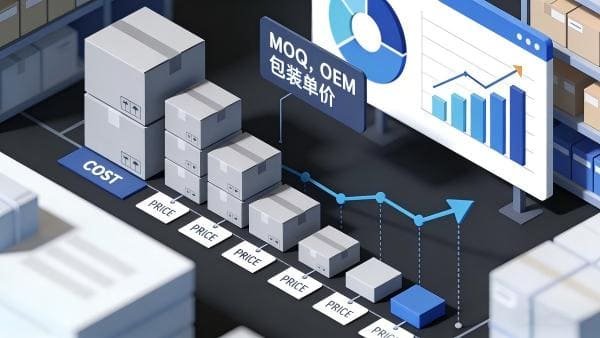
This relationship between quantity and price is one of the fundamental rules of manufacturing. I see it every day, not just with hardware but especially with packaging. The fixed costs are the biggest hurdle for small orders. For a packaging run, we have to pay for machine setup, the raw cardboard or paper, the printing plates, and the labor to get the first box made. Whether we make 100 boxes or 5,000 boxes, that initial setup cost is almost the same.
The Power of Bulk Purchasing
Let’s look at a simple table to see how this works in practice. These are just example numbers, but they show the trend clearly.
| Order Quantity (Boxes) | Fixed Setup Cost | Cost Per Box (Material) | Total Cost | Price Per Unit |
|---|---|---|---|---|
| 500 | $300 | $0.50 | $550 | $1.10 |
| 2,000 | $300 | $0.50 | $1300 | $0.65 |
| 5,000 | $300 | $0.45 (bulk discount3) | $2550 | $0.51 |
As you can see, jumping from 500 to 2,000 units cuts the price per box nearly in half. This is because the $300 setup cost is now divided among 2,000 units instead of 500. For buyers like Jacky, who are very price-sensitive, understanding this curve is essential for negotiation and budget planning. It’s a trade-off between upfront investment and long-term cost savings.
Are sample OEM packages available before full production?
You’ve approved the digital design, but you’re nervous. You worry that the final printed box won’t match the quality you expect in terms of color, material, or construction.
Yes, most reputable suppliers, including us at opensliding, can and should provide a physical sample of your OEM packaging for approval before starting the full production run. This is a critical step to ensure quality and accuracy. There might be a small fee for this sample.
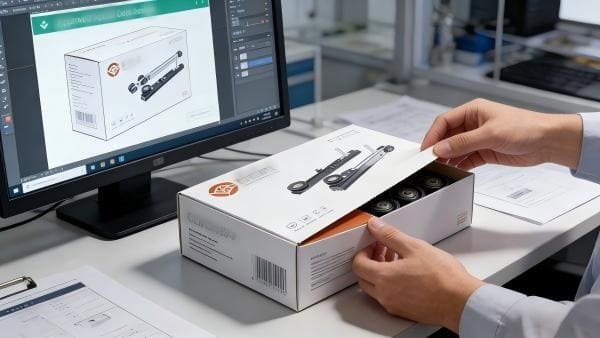
I cannot stress this enough: always ask for a physical sample. Digital proofs on a computer screen can be misleading. The colors can look different, and you can’t feel the thickness or finish of the cardboard. Getting a real sample in your hands is the only way to be 100% sure of what you are getting. It protects you and it protects us from misunderstandings. This step is a standard part of our process at opensliding because we want our clients to be completely confident before we produce thousands of units.
What to Check on the Sample
When you receive the sample package, don’t just give it a quick look. Inspect it carefully. Here are the things I tell my clients to check:
- Material Quality4: Is the cardboard as thick and sturdy as you specified? Does the finish (matte or glossy) look right?
- Color Accuracy5: Compare the printed colors to your brand’s official Pantone or CMYK values. Colors can vary slightly, but they should be very close.
- Print Clarity: Is the text sharp and easy to read? Are the logos and images crisp, with no blurriness?
- Construction: Is the box cut and glued correctly? Does it fold and assemble easily? Most importantly, does your hardware product fit inside perfectly and securely?
This is your last chance to make changes before committing to the full order. A small fee for a sample is a tiny price to pay for peace of mind and avoiding a major problem later.
Can I adjust MOQ for trial projects?
You want to test a new product in your market. But the standard MOQ for custom packaging is too high for a small, initial trial run.
Many suppliers are willing to negotiate a lower MOQ for a trial order, especially for new clients or new projects. They may offer a higher unit price for this smaller run or suggest a simpler, semi-custom packaging solution to start.
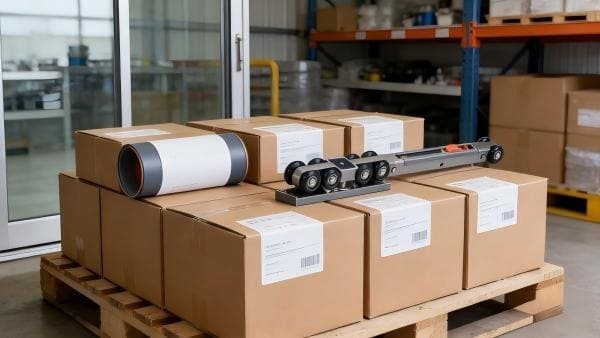
As a manufacturer, I understand the need to test the waters. We want to build long-term relationships, and being flexible with an initial order is a good way to start. I’ve worked with many buyers who need to launch a product without taking a huge financial risk. For a trial project, a standard, high MOQ just doesn’t make sense. So, we find ways to make it work.
Negotiation Strategies for Lower MOQs
If you need a smaller quantity to start, be open and explain your situation to the supplier. Here are a few options that we often discuss with our clients at opensliding:
- Accept a Higher Unit Price6: The simplest solution is to pay more per unit for the privilege of a smaller order. The supplier still has to cover their fixed costs, but they can do so by increasing the price on a limited run.
- Use a Semi-Custom Solution: Instead of a fully custom-printed box, consider a standard stock box with a custom-printed sticker or sleeve. This gives you branding but avoids the high setup costs of full printing, allowing for a much lower MOQ.
- Commit to Future Orders7: If you are confident the product will succeed, you can sometimes negotiate a low MOQ for the first order by signing an agreement or a letter of intent for a larger second order. This gives the supplier security.
The key is to have a conversation. We are partners in your success. If your trial project goes well, you will come back and order more. Helping you get started is a good investment for us, too.
Conclusion
Getting the right OEM packaging from China comes down to clear communication. Understand the typical MOQs, but always ask your supplier about combining designs, price scaling, and trial order flexibility.
Explore this link to understand how custom printing can enhance your brand’s packaging and reduce costs. ↩
This resource will guide you in selecting a packaging partner that aligns with your business needs and goals. ↩
Exploring this link will help you understand how bulk discounts can lead to significant savings and better budgeting. ↩
Understanding material quality can help ensure your packaging meets standards and protects your product effectively. ↩
Exploring color accuracy techniques can enhance your brand’s visual consistency and appeal. ↩
Exploring this resource can provide insights into how paying more per unit can benefit your business in the long run. ↩
This link will explain how securing future orders can strengthen your negotiation position and benefit both you and the supplier. ↩