
Struggling with high costs on smaller hardware orders? These fees quickly eat into your profits. Consolidating your orders is a powerful strategy to unlock significant savings and boost your bottom line.
Yes, absolutely. Consolidating orders for glass sliding door hardware from China is a smart and effective cost-reduction strategy. It allows you to get better unit prices and drastically cuts international shipping and handling fees by combining multiple small orders into one larger shipment.
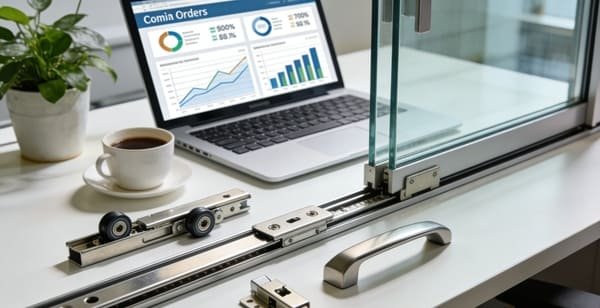
I talk to buyers like you every single day. A common question I get is about saving money. Everyone wants top-quality products, like the glass sliding door pulley systems we make, but they also need to manage their budget carefully. It’s a tough balance. Over the years, I’ve seen the most successful buyers use one simple trick more than any other: they consolidate their orders. It sounds simple, but the impact on your total cost is huge. Let’s break down exactly how this works and what you need to know to do it right. This is insider information from my side of the business, and I want to share it with you so you can make smarter purchasing decisions.
Are there discounts for bulk consolidation?
Wondering if bigger orders get you better prices? The high cost per unit on small orders can make it hard to stay competitive. The truth is, volume is your biggest negotiating tool.
Yes, suppliers almost always offer discounts for bulk consolidation. When you combine several smaller orders into one large purchase, your total volume increases. This gives you significant leverage to negotiate lower per-unit prices, saving you money directly on the products themselves before you even consider shipping.
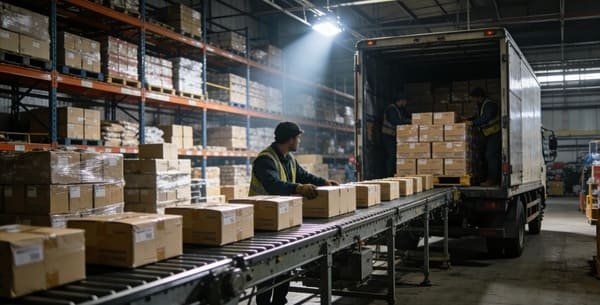
From a factory owner’s perspective, larger orders are much more efficient for us to produce. This is why we are happy to offer better pricing. Think about it from our side.
Why We Offer Discounts
- Production Efficiency1: Setting up our production line for one large run is cheaper and faster than setting it up multiple times for several small runs. We save on labor, machine setup time, and energy.
- Material Costs2: When we buy raw materials like steel and high-grade plastics, we get better prices for buying in bulk. A large order from you allows us to make a large material purchase, and we pass those savings on.
- Reduced Admin Work: A single large order means one invoice, one quality check process, and one set of paperwork. This reduces our administrative overhead compared to handling three or four separate small orders.
Here is a simple table showing how this might look.
| Order Type | Quantity (sets) | Price Per Set | Total Product Cost |
|---|---|---|---|
| Small Order 1 | 200 | $15.00 | $3,000 |
| Small Order 2 | 300 | $15.00 | $4,500 |
| Consolidated | 500 | $13.50 | $6,750 |
In this example, by consolidating, you save $750 on the product cost alone. The best way to know for sure is to ask. When you get a quote, always ask: "What is the price at 500 units? 1000 units? 2000 units?" This shows you are a serious buyer planning for volume.
How do I coordinate shipments from multiple suppliers?
Dealing with several suppliers can feel chaotic. You have different contacts, production times, and quality standards. Managing this complexity is a major headache that can lead to costly mistakes.
The best way to coordinate shipments is to use a single point of contact. This can be a trusted lead supplier who offers consolidation services or a third-party freight forwarder in China. They will manage communication, collect all goods, and prepare one unified shipment for you.

Managing multiple suppliers doesn’t have to be a nightmare. You have a couple of solid options that can streamline the entire process and give you peace of mind. I’ve seen my customers use both methods very successfully.
Option 1: Use a Lead Supplier3
This is a great choice if you have a strong relationship with one of your main suppliers (like us at Opensliding!). Here’s how it works:
- The Process: You place orders with all your suppliers. You then instruct the other factories to deliver their finished goods to your lead supplier’s warehouse.
- Our Role: We would receive the goods from your other suppliers. We can even perform a basic quality check for you, like making sure the quantities are correct and there’s no visible damage. We then consolidate everything into one container for shipment.
- Benefit: This simplifies communication. You only have to coordinate the final international shipment with one trusted partner.
Option 2: Hire a Freight Forwarder4
If you’re working with many new suppliers or prefer a neutral party, a freight forwarder is an excellent choice.
- The Process: A freight forwarder is a logistics expert in China. You provide them with the contact details for all your suppliers.
- Their Role: They will contact each factory, arrange for domestic pickup, and bring all the goods to their own warehouse. They handle all the consolidation, customs paperwork, and book the international shipping for you.
- Benefit: They are specialists in logistics. This is their core business, so they are very efficient and can often find the best shipping rates.
Which one is right for you depends on your relationships and comfort level. The key is to choose one central point to manage the physical collection of your goods.
Can combined orders affect delivery times?
Worried that combining orders will cause major delays? The fear that one slow supplier will hold up your entire shipment is a valid concern. But if managed correctly, consolidation can actually improve predictability.
Yes, combined orders can affect delivery times, but you can manage it. The total shipment will be delayed if one supplier is late. To avoid this, communicate clear deadlines to all factories and build a small buffer (1-2 weeks) into your overall timeline.
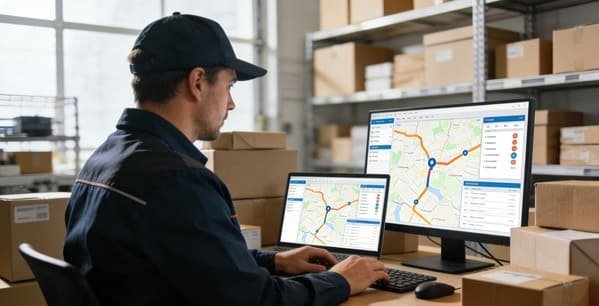
The success of a consolidated shipment depends entirely on planning and communication. Your shipment can only leave once all the pieces have arrived at the consolidation point. If one supplier is two weeks late, your entire shipment is two weeks late. This is the main risk you need to manage.
Here’s how I advise my customers to handle it to ensure everything runs smoothly.
Step 1: Set a "Goods Ready" Date
When you place your orders, don’t just state the final delivery date you need. Give every supplier a firm "Goods must be at the consolidation warehouse by…5" date. Make this a contractual obligation. This date should be at least one to two weeks before your planned shipping date to give you a safety buffer.
Step 2: Regular Communication
You or your consolidation agent must follow up with each supplier regularly. A simple weekly check-in can make a huge difference. Ask them:
- "Is production on schedule for our ‘Goods Ready’ date?"
- "Do you see any potential delays?"
This proactive communication helps you spot problems early, not when it’s already too late.
Step 3: Plan for Reality
Even with perfect planning, small delays can happen. That’s why building a buffer into your timeline is not just a good idea; it’s essential. If you need the goods in Canada by July 1st, work backward and plan for the container to ship from China in early May, not late May. This buffer absorbs any minor production delays from one supplier without derailing your entire project schedule. Consolidation requires more upfront planning, but the cost savings make it well worth the effort.
What is the best way to optimize logistics costs?
High shipping fees can destroy your profit margins. You see a great product price, but then the final landed cost is much higher than you expected. You must find ways to reduce these extra fees.
The single best way to optimize logistics costs is to ship by sea (FCL or LCL) instead of air and to work with your supplier to improve container loading density. Efficiently packing more products into a single container dramatically lowers the shipping cost per item.
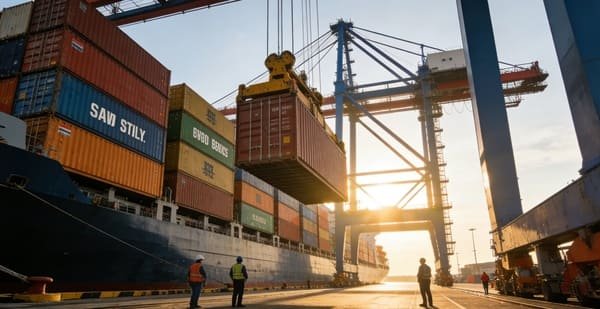
As a factory that ships products globally every day, I can tell you that small changes in how you ship can lead to huge savings. It’s not just about the price per kilo; it’s about being smart with every cubic meter of space you pay for.
Sea Freight vs. Air Freight
First, let’s be clear: unless it’s a small, urgent sample order, you should always choose sea freight6 for hardware. Air freight is fast, but it can be 5 to 10 times more expensive. For heavy items like sliding door systems, the cost is simply too high. Within sea freight1, you have two main options:
- FCL (Full Container Load): You pay for an entire container (20ft or 40ft). This is the most cost-effective option if you have enough goods to fill it.
- LCL (Less than Container Load): You share container space with other importers. The cost per cubic meter is higher than FCL, but it’s a great option for medium-sized consolidated shipments.
Maximizing Container Space
This is where the real optimization happens. Wasted space in a container is wasted money. At Opensliding, we work with our customers to maximize loading density. Here’s how:
- Custom Packaging: We can design our product packaging to be as compact as possible, reducing empty space within the cartons.
- Smart Loading Plan: We use software to plan exactly how to load cartons of different sizes into the container, like a game of Tetris. This ensures we use every inch of space.
- Mix Heavy and Light Goods: If you are consolidating, try to mix dense, heavy items (like steel rollers) with lighter, bulkier items (like aluminum tracks). This helps you reach the weight limit of the container without running out of space.
For the most direct path to cost savings, talk to your supplier. Just ask us, "How can we pack this order more efficiently to save on shipping?" We want to help you save money so you’ll order from us again.
Conclusion
Consolidating orders is a proven method to lower product costs and shipping fees. The key is clear communication with suppliers and smart logistics planning to ensure timely, cost-effective delivery.
Understanding Production Efficiency can help you grasp how businesses optimize costs and improve productivity. ↩ ↩
Exploring Material Costs will provide insights into how bulk purchasing impacts overall pricing strategies. ↩
Exploring the advantages of lead suppliers can enhance your supply chain efficiency and communication. ↩
Understanding freight forwarders can help you streamline your shipping process and save costs. ↩
Understanding the significance of a ‘Goods Ready’ date can enhance your supply chain efficiency and prevent delays. ↩
Exploring this link will provide insights into why sea freight is often the more economical choice for shipping. ↩