
Worried your project will stall waiting for hardware? Late shipments can halt production, costing you money. Understanding China’s peak seasons is key to keeping your projects on schedule and avoiding delays.
Yes, lead times for glass sliding door pulley systems from China will almost certainly be extended during peak season. This is due to a surge in global orders, major holiday closures, and significant logistics bottlenecks. Proactive planning is the best strategy to manage these predictable delays.

I’ve been in this business for a long time, and I see the same pattern every year. As a factory owner, I understand the pressure you face as a purchasing manager. You need reliable delivery times to keep your own production lines moving. The truth is, peak season puts a strain on everyone, from raw material suppliers to shipping companies. But that doesn’t mean you’re helpless. I want to share some insights from my side of the business. Keep reading, and I’ll walk you through how you can navigate these busy periods and keep your inventory stocked without the stress.
How Can I Plan My Orders to Avoid Peak Season Delays?
You know delays are coming, but you’re not sure how to schedule your orders. Mis-timing your purchase order can mean missing your own production deadlines and disappointing your customers.
The best way to avoid delays is to order well in advance. I always advise my partners to communicate their annual forecast with us. Placing your orders 3-4 months before you need the stock, especially before major holidays like Chinese New Year, is a safe and effective strategy.

Getting ahead of the rush is your most powerful tool. From my experience, the clients who have the smoothest procurement process are the ones I have a regular dialogue with. They don’t just send a Purchase Order; we talk about their needs for the year. This helps me plan my own material sourcing and production schedules. The biggest peak seasons to watch for are the pre-Chinese New Year rush (October-January) and the pre-Christmas holiday rush (August-October). To make your planning more concrete, here are the exact steps I recommend to all my clients.
A Simple Planning Timeline
| Action | Recommended Timing | Why It Helps |
|---|---|---|
| Share Annual Forecast1 | Beginning of the year | It allows us, your supplier, to anticipate your needs and manage our capacity. |
| Place Pre-CNY Orders2 | By end of September | This secures your production slot before the massive holiday rush begins. |
| Place Pre-Christmas Orders | By end of June | Ensures your products are made and shipped before ports get congested. |
| Confirm Production & Ship Dates | When placing the order | It gives you a clear and realistic timeline to work with for your own projects. |
Are Expedited Options Available During Peak Season?
You’re in a bind and need a shipment fast, but it’s the busiest time of year. Standard shipping is backed up, and you’re worried there are no faster choices available.
Yes, expedited options are usually available, but they come at a significant cost. This can mean paying for air freight instead of sea freight, or paying extra fees for priority production. These options are not guaranteed and depend entirely on current factory load and logistics availability.

I get this question a lot, especially when a client has an unexpected rush order. While I always do my best to help, expediting during peak season is a serious challenge. Even if I can rush production, the bigger problem is often logistics. Air freight is the most common solution, but the cost can be 5 to 10 times higher than sea freight. For heavy items like sliding door systems, this can erase your profit margins. Another option is a dedicated truck to the port, but this also adds costs and only saves a day or two. My honest advice is to use expedited shipping only as a last resort for small, critical orders. For your main stock, careful planning is a much more cost-effective and reliable strategy.
Comparing Shipping Options
| Option | Speed | Cost | Best For |
|---|---|---|---|
| Sea Freight3 | Slow (30-60 days) | Low | Bulk orders, planned inventory |
| Air Freight4 | Fast (7-14 days) | Very High | Small, urgent orders or samples |
| Rail Freight (to Europe/Asia) | Medium (15-25 days) | High | A balance between speed and cost |
| Expedited Production | Faster | Medium | Only if your supplier has capacity |
How Do Suppliers Manage Production Capacity During Busy Periods?
You see a flood of orders going to China and wonder how factories can possibly keep up. It’s natural to worry if your order will get lost in the chaos or be rushed.
Effective suppliers like us manage peak season by preparing months in advance. We stock up on raw materials, hire temporary staff if needed, and optimize our production schedules based on forecasts from our long-term clients. Clear communication and planning are essential for us to manage capacity effectively.
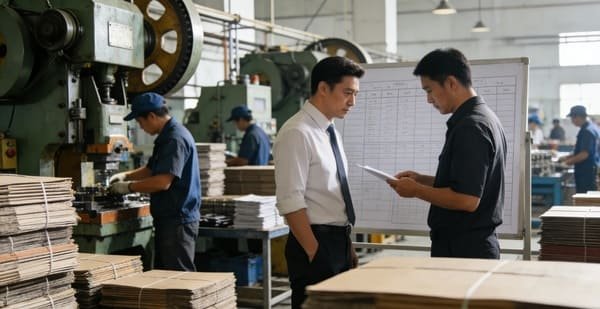
Managing a factory during peak season is like conducting an orchestra. Every section has to be in sync. We don’t just wait for orders to come in. Starting in the summer, we begin analyzing forecasts from clients like you. This helps us place larger orders for raw materials like steel and aluminum before prices spike. We also perform maintenance on our machinery to prevent breakdowns during critical production runs. For our workforce, we schedule overtime and sometimes bring in trained temporary workers to handle assembly and packing. The key is that we prioritize orders for clients who have provided us with forecasts and confirmed production slots in advance. This system ensures fairness and allows us to deliver on our promises even when we are incredibly busy.
Our Capacity Management Checklist
- Analyze Client Forecasts: We review your expected needs for the coming months.
- Pre-order Raw Materials: We buy materials before demand and prices go up.
- Optimize Worker Schedules: We plan for overtime and extra staff to increase output.
- Prioritize Reserved Slots: Orders that were booked in advance get top priority in the production line.
- Constant Communication: We keep you updated on your order’s progress.
Can I Reserve Production Slots in Advance?
You want to secure your supply chain but aren’t ready to place a full order yet. You wonder if there’s a way to "book" your spot in the production line ahead of time.
Absolutely. Reserving a production slot is one of the smartest things you can do, and it’s a service we encourage. By providing a clear forecast and a small deposit, you can lock in your production time, guaranteeing your order will be prioritized when you’re ready to proceed.
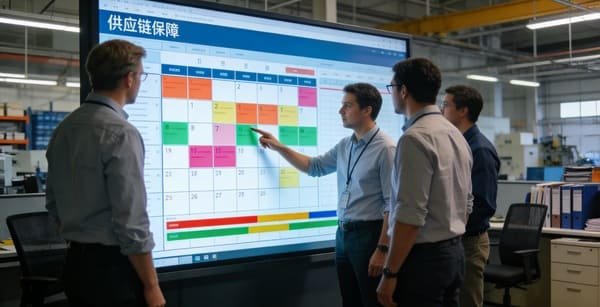
I work closely with many experienced purchasing managers like Jacky from Canada. The best ones treat me as a partner, not just a supplier. They reserve production capacity with me quarterly. This doesn’t always mean a firm PO, but it’s a strong commitment. Typically, this involves a blanket order or a formal forecast combined with a deposit. This simple step is a huge advantage. It lets me plan my material purchasing and labor allocation specifically for your products. When your official PO arrives, you aren’t joining the back of a long line. Your slot is already saved. This turns a potentially stressful process into a smooth, predictable part of your business. If this is something you are interested in, just contact me. We can easily discuss your needs for the next year.
How to Reserve a Production Slot
- Contact Your Supplier: Reach out to your sales contact, like me, Evan. The best way is through email or a direct call.
- Provide a Forecast: Share your estimated need for specific products (e.g., glass sliding door pulley systems) and the desired shipping timeframe.
- Discuss Terms: We will discuss the requirements, which usually involve a blanket PO or a small, refundable deposit to show commitment.
- Get Confirmation: We will provide written confirmation that your production capacity is reserved for the agreed-upon period.
Conclusion
Peak season in China will extend lead times, but it doesn’t have to disrupt your business. Through clear communication, advance planning, and reserving production slots, you can ensure a reliable supply chain.
Understanding the significance of an Annual Forecast can enhance supplier relationships and improve supply chain efficiency. ↩
Exploring this topic can help businesses secure production slots and avoid delays during the holiday rush. ↩
Discover the advantages of Sea Freight, especially for bulk orders and cost efficiency. ↩
Explore the benefits of Air Freight to understand why it’s ideal for urgent shipments. ↩