
Struggling with swing doors that waste valuable floor space? You know pocket doors are a sleek solution, but the thought of a difficult, messy installation is holding you back.
Yes, pocket door kit installation can be difficult, especially when retrofitting into an existing wall. The difficulty level ranges from straightforward for new construction to complex for renovations that may involve rerouting plumbing or electrical. Success depends on precise measurements and using a quality kit.

The real answer isn’t a simple yes or no. The difficulty really depends on your specific situation. As a manufacturer of these systems at opensliding, I’ve heard countless stories from my clients—door factory purchasers, contractors, and distributors. The success of a project often comes down to understanding the challenges before you begin. We can break down what makes an installation easy versus what makes it hard. This will help you decide if it’s the right project for you or your customers. Let’s look closer at the details.
How difficult are pocket doors to install?
You want to use a pocket door to save space but are unsure about the real work involved. Watching a quick video can be misleading, and you worry about hidden problems.
The difficulty depends heavily on whether you are working with new construction or retrofitting an existing wall. A new build is easier because you build the wall around the pocket door frame. A retrofit is harder because you must demolish part of a wall and handle any surprises inside.
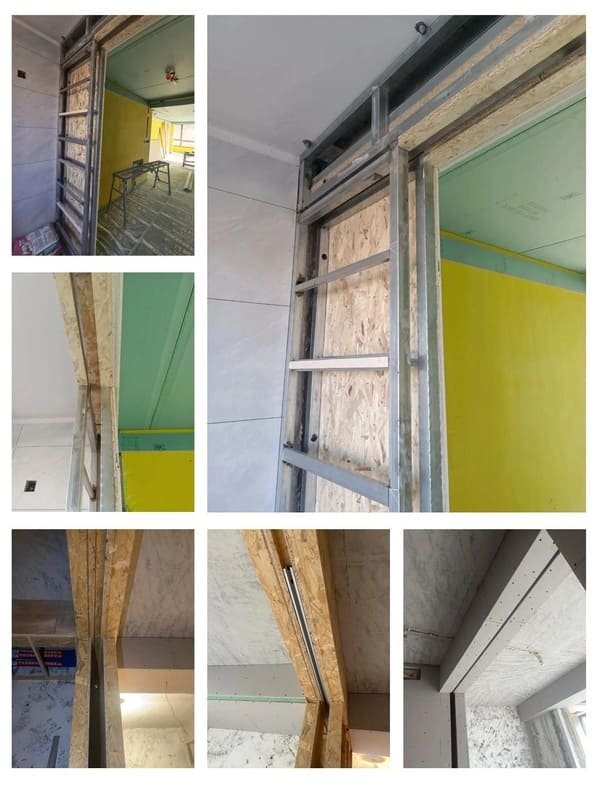
The biggest factor influencing difficulty is the wall itself. Are you starting from scratch or altering something that’s already there?
New Construction
In a new build, the process is much simpler. You assemble the pocket door frame kit1 and install it first. Then, the wall studs are built around it. This method ensures everything is perfectly square and level right from the start. After the frame is secured, the drywall is installed. It’s a clean, predictable job for any builder, and one where our standard kits from opensliding excel because of their clear instructions and reliable design.
Retrofitting an Existing Wall
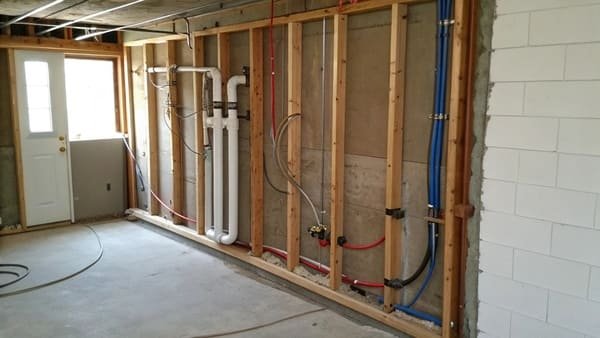
This is where the real challenges appear. Retrofitting requires demolition. You have to carefully cut open the drywall and remove existing wall studs to create the necessary opening. The greatest risk is hitting something unexpected inside the wall.
| Factor | New Construction | Retrofitting an Existing Wall |
|---|---|---|
| Wall Preparation | Build wall around the frame | Demolish a section of the wall |
| Hidden Surprises | None | High (plumbing, electrical wires) |
| Skill Level | Intermediate | Advanced |
| Project Time | Predictable and faster | Slower and unpredictable |
What are the negatives of pocket doors?
You love the clean look of pocket doors, but what are the hidden problems? A poor choice could lead to a flimsy, noisy door that you will regret installing for years.
The main negatives include the thin wall structure, which prevents you from hanging heavy items like cabinets. Low-quality hardware can also lead to noisy operation, jamming, or the door coming off its track. Repairs can be difficult as they often require opening the wall again.
I’m a big believer in pocket doors, but it’s crucial to understand their potential downsides. Knowing these negatives helps you or your clients make an informed decision and plan the project correctly.
Structural and Wall Limitations
The most significant negative is the wall itself. The pocket where the door slides in is hollow, supported by a specialized, thinner frame. This means you cannot hang heavy items2 like a large TV, kitchen cabinets, or even heavy shelving on that section of the wall. It also limits where you can place electrical outlets and light switches. You must plan for these limitations from the very beginning.
Hardware Quality and Repair Access
This is where the quality of the door kit is so important. Cheap kits use flimsy tracks and plastic rollers that wear out fast. This leads to the most common complaints: the door is noisy, gets stuck, or jumps off the track. When that happens, repairs are a major headache. Accessing the track and rollers usually means cutting open the drywall. This is why at opensliding, we focus on producing durable, quiet sliding systems and heavy-duty lifting wheels. Investing in quality hardware3 upfront prevents these frustrating and costly future repairs.
Can you install your own pocket door?
You are thinking about installing a pocket door yourself to save on labor costs. But a mistake could damage your wall and result in a bigger expense than hiring a professional.
Yes, you can install your own pocket door if you have intermediate DIY skills, particularly for a new construction project. You must be comfortable with framing and be extremely precise with measurements to ensure the frame is perfectly level and square. For retrofits, you must be prepared to handle surprises.
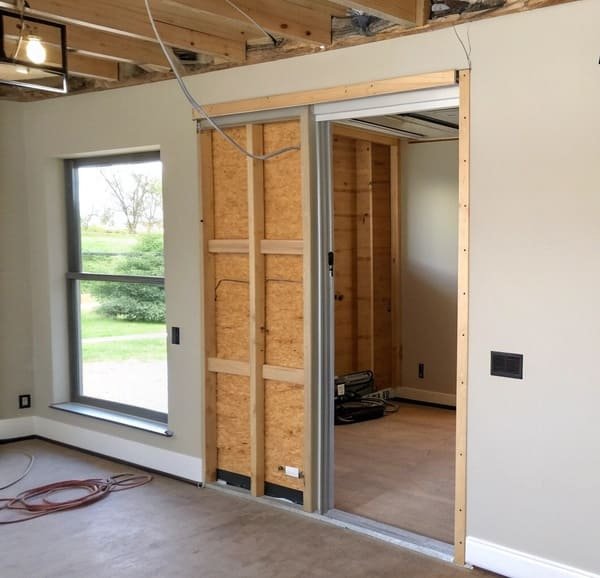
A DIY pocket door installation is a very achievable project for the right person. However, your success will depend entirely on your skill set and the complexity of your specific project.
Precision is Everything
This is not a project for a beginner. You need to have solid carpentry skills. The single most important part of the installation is getting the frame perfectly square, level, and plumb4. I cannot emphasize this enough. If the main overhead track is not perfectly level, the door will constantly try to roll open or shut on its own. If the vertical studs are not plumb, the door will scrape and rub as it moves. Precision is not just recommended; it is required for a door that glides smoothly. This is the most common mistake I hear about from the contractors and distributors I supply.
Key Steps and When to Stop
- Follow Instructions: Read the kit instructions completely before you start.
- Measure Carefully: The old rule of "measure twice, cut once5" is critical here.
- Use a Good Level: A long, 4-foot level will be your most important tool.
- Know Your Limits: If you are retrofitting and you cut into a wall to find electrical wires or plumbing pipes, stop immediately. Call a licensed electrician or plumber. The risk of causing a fire or a flood is not worth it.
Conclusion
Pocket door installation difficulty varies. Success hinges on the project type, your skill, and most importantly, choosing a high-quality hardware kit. Plan carefully to enjoy this amazing space-saving feature.
Explore this link to understand the benefits and installation process of pocket door frame kits, ensuring a smooth construction experience. ↩
Understanding the limitations of hanging heavy items can help you plan your space effectively and avoid costly mistakes. ↩
Exploring the importance of quality hardware can save you from future repairs and ensure a smoother sliding experience. ↩
Understanding these terms is crucial for ensuring a smooth door installation, making this resource invaluable. ↩
This principle can save you time and materials, making it essential for any DIY project or professional work. ↩