
Struggling to pick the right sliding door? A wrong choice can disrupt your home’s entire aesthetic. Let me guide you through making a decision you won’t regret.
To match a glass sliding door, align it with your home’s decoration style. For instance, a black glass sliding door with a narrow frame complements a modern or light luxury design, creating a strong, stable, and stylish effect that enhances the overall look of the space.
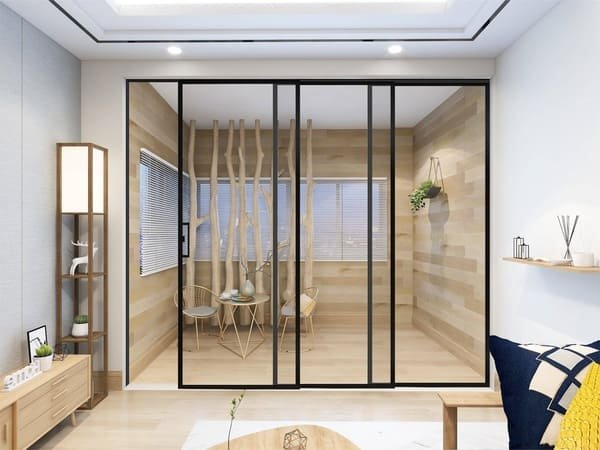
Choosing the right door is about more than just color. You need to understand the different types, common problems to avoid, and the practical details of installation. Getting these elements right is key to finding a door that not only looks great but also functions perfectly for years. Let’s dive deeper into what you need to know before you buy.
What are sliding glass doors called?
Confused by all the different names for sliding doors? This makes finding what you need difficult. Let’s clear up the terms so you can shop and source with confidence.
Sliding glass doors are most commonly called patio doors, especially when they open to an outdoor area. They are also known as Arcadia doors or simply sliders. The specific name often depends on the door’s function, design, and regional preference, but the basic sliding mechanism remains the same.
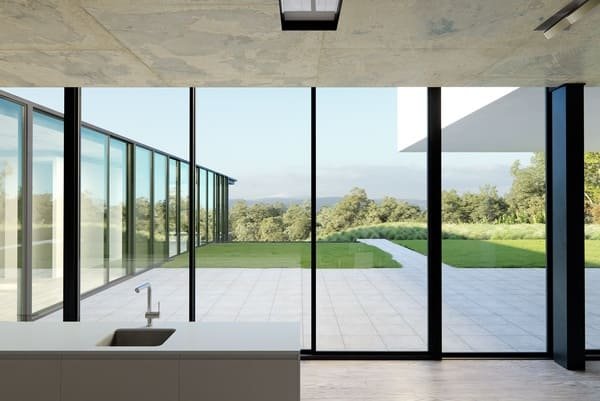
When I talk to clients from different parts of the world, they often use various terms, but they all want the same thing: a reliable sliding system. As a manufacturer at opensliding, it’s my job to understand their needs no matter what they call the product. To help you navigate this, I’ve broken down the common names. Understanding these distinctions is crucial for purchasers like Jacky, who need to source specific products for different projects. A clear vocabulary prevents costly ordering mistakes.
Common Sliding Door Terminology
| Term | Common Use | Key Feature |
|---|---|---|
| Patio Door | The most common term for an exterior sliding glass door leading to a patio or backyard. | Typically a two-panel system with one fixed and one sliding panel. |
| Arcadia Door | A brand name that became a generic term, similar to Kleenex. Also refers to an exterior sliding door. | Functionally identical to a patio door. |
| Sliding Glass Wall1 | Used for large openings, often with multiple panels that stack or slide into a pocket. | Creates a seamless indoor-outdoor transition with a very wide opening. |
| Pocket Door2 | An interior sliding door that disappears into a compartment ("pocket") inside the wall. | Saves floor space as it doesn’t swing open. Ideal for tight spaces. |
| Barn Door | An interior or exterior door that slides along a track mounted above the opening. | Offers a rustic or industrial aesthetic. We offer many hardware accessories for these. |
What is the common problem with sliding doors?
Worried about your sliding doors failing? Sticking, drafts, and broken locks are common frustrations. I’ll show you the main issues and how to spot quality hardware to avoid them.
The most common problem with sliding doors is difficulty sliding. This is usually caused by dirt, debris, or damage to the rollers and the track they run on. Other frequent issues include poor sealing that causes drafts and lock failures that compromise home security and peace of mind.

In my years of manufacturing sliding door components at opensliding, I’ve seen that almost every major issue comes down to the quality of the hardware. A door is only as good as the system that moves it. For a buyer at a door or furniture factory, choosing durable components is the most important step in creating a reliable final product. A door that sticks or feels flimsy reflects poorly on the entire piece of furniture or the home itself. That’s why we focus on engineering hardware that lasts.
Roller and Track Issues
The single biggest point of failure is the roller system3. Cheap plastic rollers wear down, crack, and get jammed by tiny bits of dirt. The track can also get bent or clogged. This is what causes that frustrating, jerky motion. High-quality rollers, like our wooden and glass door lifting wheels, are made from durable materials that ensure a smooth glide for years.
Seal and Insulation Failures
A sliding door should seal tightly when closed. If it doesn’t, you’ll get drafts, lose energy, and might even have water seep in. This problem comes from low-quality weatherstripping4, like glass door rubber and brush strips. These seals can dry out, crack, or become compressed over time. Quality seals are essential, especially in climates with extreme temperatures.
Lock and Handle Malfunctions
A door that won’t lock properly is a serious security risk. A broken handle is just a daily annoyance. These issues often happen because the internal mechanisms are made from weak materials. Investing in a robust locking system and a sturdy handle is not just about convenience; it’s about safety.
How to determine left or right sliding glass door?
Ordering the wrong door orientation is a costly mistake. It can delay projects, waste money, and frustrate your clients. Let’s make sure you get it right every single time.
To determine if a sliding glass door is left-hand or right-hand, you must view it from the outside looking in. If the panel that slides is on the left, it is a left-hand door. If the sliding panel is on the right, it is a right-hand door.
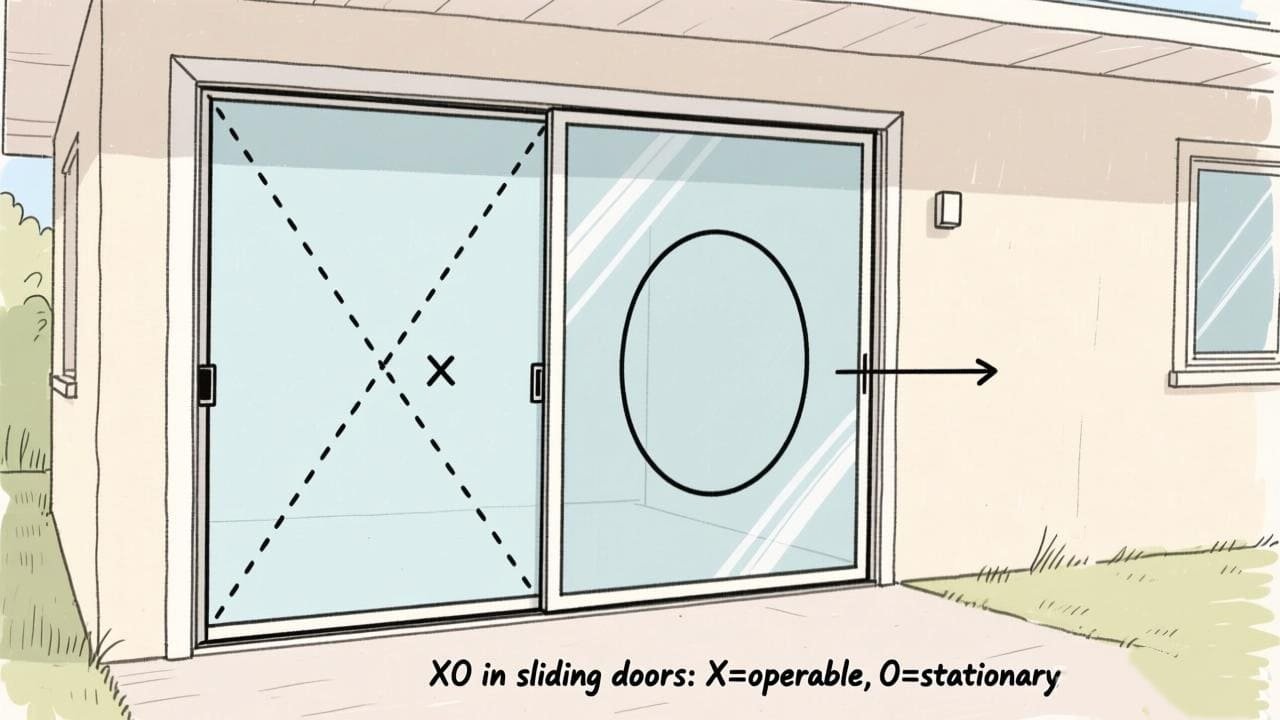
This seems simple, but it is one of the most common and expensive errors in the business. I remember a new construction contractor who ordered a full container of doors for an apartment complex. He got the handing wrong. The entire project was delayed by weeks, and the cost was huge. Ever since I saw that happen, I make it a point to double-confirm with every single client, often using a simple diagram. For a professional buyer like Jacky, getting this detail right is fundamental to keeping projects on schedule and on budget.
Understanding Industry Code5s: XO vs OX
In the industry, we often use a simple code to avoid confusion. ‘X’ stands for the sliding (or operable) panel, and ‘O’ stands for the fixed panel.
| Viewpoint | Sliding Panel Position | Door Hand | Industry Code5 |
|---|---|---|---|
| From Outside | Panel on the Right slides | Right-Hand | XO |
| From Outside | Panel on the Left slides | Left-Hand | OX |
Always confirm the handing from the exterior of the building. When you place an order with a supplier like us at opensliding, specifying "XO" or "OX" provides a clear, unmistakable instruction that prevents any misunderstanding. For doors with more than two panels, the same logic applies (e.g., OXXO means the two center panels slide).
How to choose a sliding glass door?
Overwhelmed by all the sliding door options? Choosing the wrong one affects style, function, and your budget. I’ll give you a clear framework for making the perfect choice.
Choose a sliding glass door by first defining its function (interior or exterior). Next, match the frame material and color to your home’s decor. Finally, and most importantly, prioritize high-quality hardware for a smooth, reliable, and long-lasting operation.
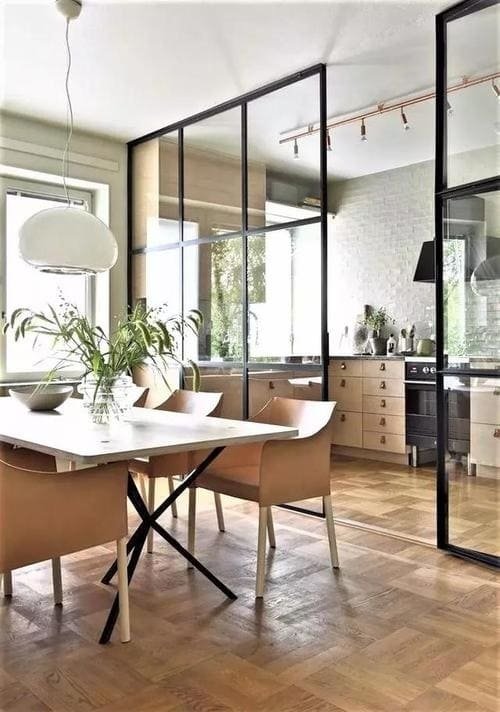
When customers visit our showroom or website, they are often focused only on the look of the door frame. But I always tell them the same thing: the real quality of a sliding door is hidden in the parts you can’t see. The feel of the door—how easily and quietly it glides—is determined entirely by the hardware system. A beautiful door that sticks or wobbles is a failed door. That’s why selecting the right internal components, like the ones we produce at opensliding, is the most critical decision you’ll make.
Define the Style
Your door should be an extension of your home’s design.
- Modern or Light Luxury: As you mentioned, black frames are perfect here. They are bold and create a sharp, clean look. Thin, minimal aluminum frames work best to maximize the glass and light.
- Farmhouse or Rustic: A wooden frame or a glass barn door on an exposed track fits this style beautifully. It adds warmth and character.
- Traditional or Coastal: Classic white vinyl or aluminum frames are timeless choices. They feel bright, clean, and fit with almost any color scheme.
Select Materials
The frame material6 impacts the look, durability, and price.
- Aluminum: Strong, lightweight, and allows for very slim profiles. It’s great for modern designs but not always the best insulator.
- Vinyl: A cost-effective and energy-efficient option. It’s low-maintenance and comes in various colors, though white is most common.
- Wood: Offers unmatched natural beauty but requires the most maintenance to protect it from weather and wear.
Prioritize Hardware
This is my area of expertise. The hardware is the engine of your door. Look for top-quality rollers like our heavy lifting wheels or silent, slow-close systems. A good system ensures the door can be opened with one finger, no matter how heavy it is. For buyers like Jacky, offering a product with premium hardware7 is a major selling point. It tells their customers they are buying quality that will last.
Conclusion
Matching your sliding glass door is easy. Focus on your home’s style, understand the basics of handing and terminology, and always choose superior hardware for a beautiful door that works perfectly.
Explore this link to discover how a Sliding Glass Wall can enhance your home’s aesthetics and functionality. ↩
Learn about the advantages of Pocket Doors and how they can maximize space in your home. ↩
Explore this link to learn about durable roller systems that enhance the performance and longevity of sliding doors. ↩
Discover the importance of quality weatherstripping for energy savings and comfort in your home. ↩
Understanding Industry Codes is crucial for accurate door specifications and avoiding costly mistakes in orders. ↩ ↩
Explore this link to understand how different frame materials can enhance your door’s aesthetics and durability. ↩
Discover why investing in premium hardware can significantly improve the functionality and longevity of your doors. ↩