
Tired of wondering if your Chinese supplier is a real factory or just a middleman? It can feel risky, but finding out the truth is easier than you think.
To confirm a supplier’s status, check their business license’s "Business Scope" for words like "manufacturing" or "production." Also, a real factory usually has a focused product range, not a massive, unrelated catalog. Most importantly, remember that the best partner, factory or trader, is the one who reliably meets your needs.

For years, I’ve worked with buyers just like you. I’m Evan, and at my factory, Opensliding, we produce sliding door hardware. I’ve seen the confusion buyers face. They often believe that finding a factory is the only way to get a good price and quality. Sometimes that’s true. But the reality is more complex. The most important thing is finding a partner who makes your procurement process smooth and delivers what you need. Let’s break down how you can identify your supplier and, more importantly, how to choose the right partner for your business, whether they are a factory or a trading company.
How can I verify my supplier’s real manufacturing capability?
A supplier claims to be a factory, but you’re not sure. Do they actually make the products, or are they just showing you someone else’s workshop? You need proof.
To verify their real manufacturing capability, ask for third-party factory audit reports like ISO 9001. You can also ask specific technical questions about the products, like material grades and production tolerances. A real factory will have engineers who can answer these questions easily.
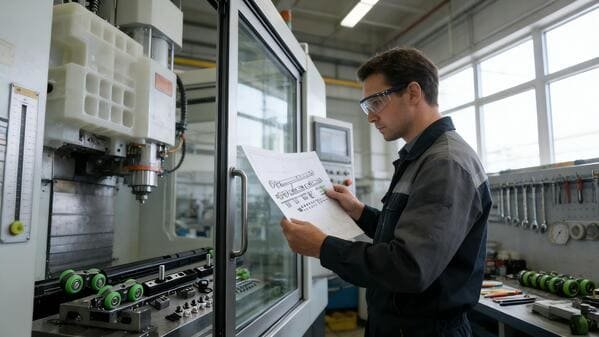
When you want to know if a supplier truly has the skills and equipment, you need to dig deeper than their sales pitch. I always tell my clients to test our knowledge. Don’t be afraid to get technical. A trading company might stumble on deep product questions, but a factory’s team lives and breathes this stuff.
For example, ask them about their production capacity for a specific glass sliding door roller. How many units can they produce per month? What is their standard lead time for an order of 10,000 units? Also, inquire about their customization process. If you wanted to change the wheel material from nylon to POM, what would the process be? What are the implications for cost and performance?
Here is a simple table to guide your questions:
| Verification Method | What to Ask For | Why It Matters |
|---|---|---|
| Audit Reports | ISO 9001, BSCI | Proves they have a quality management system and meet international standards. It’s a stamp of legitimacy. |
| Technical Details | Material specifications, load capacity tests, finishing processes. | Test their engineering knowledge. Their answers will reveal whether they truly understand the products they sell. |
| R&D Capability | Ask about njihov new product development. Do they have an R&D team? | Shows if they are an innovator or just a reseller. Factories invest in developing new and better products. |
| Team Structure | Ask to speak with a quality control manager or an engineer. | A real factory has a structured team with different departments. A small trading company may not. |
By asking these questions, you force the supplier to prove their expertise. Their answers will quickly tell you if you are speaking to the source or just a representative.
Should I check business licenses to confirm the company type?
You have a supplier’s business license, but it’s in Chinese. You feel stuck, unable to tell what it means. It’s a key document, and you can easily decode it.
Yes, checking the business license is a direct way to confirm the company type. Find the "Business Scope" (经营范围, jīng yíng fàn wéi). If it includes "manufacturing" (生产, shēng chǎn) or "production" (制造, zhì zào), it’s registered as a factory.
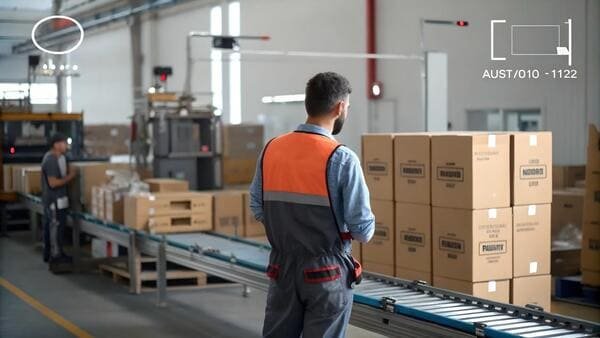
This is one of the most reliable methods I recommend. The business license is a legal document, and the information is registered with the government. Any company can send you a copy. If they are hesitant, that is a red flag.
When you get the license, don’t be intimidated by the Chinese characters. You can use a translation app on your phone to scan the text. You are looking for one specific section: the Business Scope (经营范围).
Here’s what you need to know:
- Factory Keywords: Look for 生产 (shēng chǎn), which means "manufacture" or "produce," and 制造 (zhì zào), which means "make" or "manufacture." If you see these words, the company is legally registered to produce goods.
- Trading Keywords: If you only see words like 销售 (xiāo shòu) meaning "sales," 贸易 (mào yì) meaning "trade," or 批发 (pī fā) meaning "wholesale," it is likely a trading company. They are licensed to buy and sell, but not to manufacture.
However, a business license tells you the legal registration, not the whole story. Some powerful trading companies have deep relationships with factories and may even have ownership stakes. Conversely, some small factories might have limited export experience. The license is a great starting point, but it’s one piece of the puzzle. Use it to confirm what the supplier tells you.
Can factory workshop videos help me validate production authenticity?
Your supplier sent a great video of a busy workshop. But in the back of your mind, you wonder if it’s really their factory. Anyone can shoot a video, right?
Yes, a workshop video can help, but you must be strategic. Ask for a personalized video. For example, request they film the production line and have someone hold a sign with your name and the current date. This proves the video is recent and made for you.
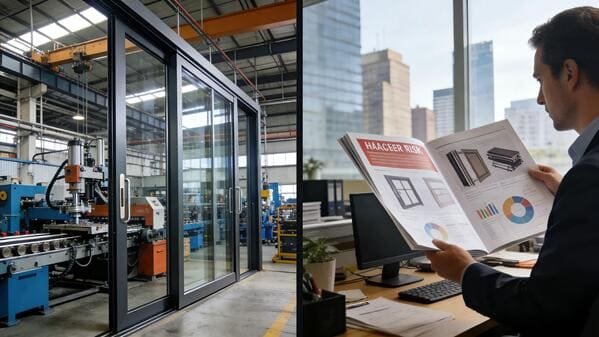
An ordinary, well-produced corporate video is merely a marketing tool. It cannot prove anything. I have had clients who requested customized videos, which is a wise move. It shows that they are serious and helps build trust. This is the kind of factory that truly collaborates, like ours, and would be happy to do so.
Here are some tips to make this technique more effective:
- Be Specific: Don’t just ask for a "factory video." Ask to see the specific process for the product you want to buy. If you’re buying glass sliding door rollers, ask to see the wheel injection molding, the metal bracket stamping, and the final assembly.
- Request a Live Video Call: This is even better. Schedule a live tour of the factory using a service like WeChat or WhatsApp. During the call, you can direct them where to go. Ask them to show you the raw material warehouse, the quality control station, and the packaging area. You can ask questions in real-time.
- Look for Consistency: Does the factory in the video match the pictures on their website or Alibaba profile? Do you see their company logo on the walls, uniforms, or machinery? Small details can reveal the truth. A trading company borrowing a factory for a day might miss these details.
A personalized video or a live tour is a powerful tool. It’s hard to fake. If a supplier refuses or makes excuses, they might have something to hide. A genuine factory will be proud to show you their operations.
What red flags should I look for to avoid trading companies pretending to be factories?
You’re in talks with a supplier who seems perfect. The price is right, and they say they’re a factory. But something feels off. What are the warning signs?
A major red flag is a huge, unrelated product catalog. Factories specialize, so if they sell sliding door rollers, CNC machines, and baby clothes, they are a trading company. Also, be wary of addresses that are in a downtown office building, not an industrial zone.

Over the years, I’ve seen many buyers get tricked by slick-talking traders. It’s frustrating because it damages trust in the entire industry. Real factories like mine, Opensliding, are focused. We make door and cabinet hardware. We don’t sell lightbulbs or textiles. Specialization is the mark of a true manufacturer.
Here is a list of red flags to watch for:
| Red Flag | Description | Why It’s a Warning |
|---|---|---|
| Too Many Products | Their catalog is like a department store, with everything from hardware to electronics. | Factories require specialized machinery and expertise. No single factory can produce such a wide variety of goods. |
| City Center Address | Their registered address is in a fancy office tower in the middle of a major city. | Factories need space and are located in industrial parks or suburban areas where land is cheaper. A downtown address is for a sales office. |
| Hesitation on Audits | They resist or make excuses when you want to arrange a third-party factory audit. | A proud factory welcomes audits. A trading company doesn’t have a factory to audit and will try to avoid it. |
| Vague Technical Answers | They can’t answer detailed questions about material composition, production tolerances, or testing methods. | They don’t have the hands-on knowledge. They are just relaying questions and answers, which often get lost in translation. |
| Inconsistent Branding | The name on their Alibaba page is different from their website, which is different from the name on their invoice. | Trading companies sometimes operate under multiple names to appear larger or to manage different product lines. |
If you see one or two of these red flags, proceed with caution. If you see several, you are almost certainly dealing with a trading company, not a factory.
Conclusion
Ultimately, the key is not whether a supplier is a factory or a trader. The key is finding a reliable partner who delivers quality products on time.