
Struggling to maximize space in projects? Traditional doors eat up valuable floor area, limiting design options and frustrating end-users who want more from their home.
Your clients benefit from pocket doors by gaining significant usable floor and wall space. They offer a sleek, modern aesthetic, improve accessibility for those with mobility issues, and provide flexibility to connect or divide rooms, adding tangible value to any property.
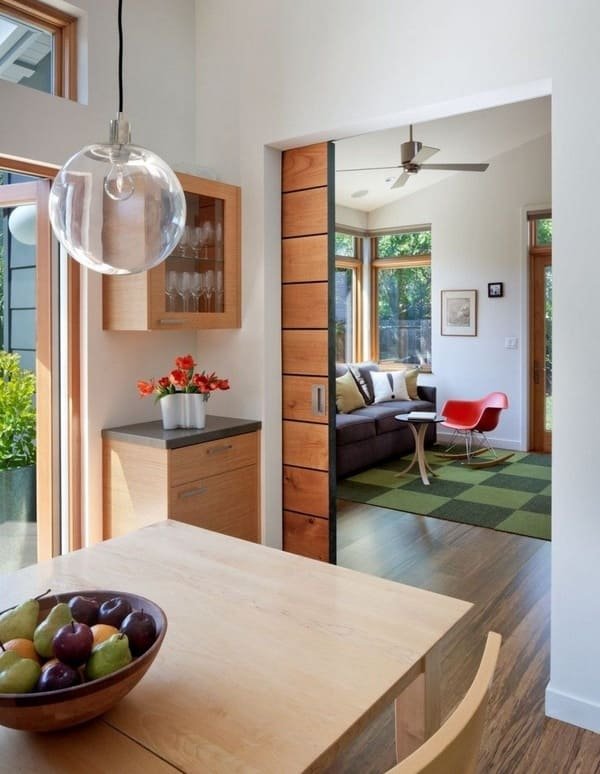
These benefits are not just talking points; they are real-world advantages that can make your products more attractive to end-users. As a hardware manufacturer, I’ve seen firsthand how the right system transforms a space. Understanding these key advantages will help you better advise your clients and select the best components for your projects. Let’s explore these benefits in more detail.
What are the benefits of pocket doors?
Your clients want modern, functional homes but feel restricted by standard layouts. Swinging doors create awkward traffic flow and prevent placing furniture where it’s truly wanted.
The primary benefits are significant space savings, a clean and minimalist aesthetic, and enhanced layout flexibility. Pocket doors allow for open-plan living when desired and can easily divide spaces for privacy, making them a versatile solution that appeals to modern homeowners’ needs.
More Usable Space
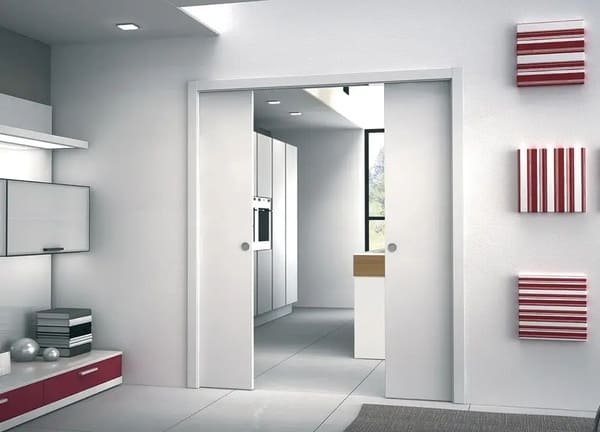
Every square foot counts in modern construction. A traditional swinging door requires about 10 square feet of clear floor space just to operate. A pocket door requires zero. This is a huge selling point for your clients, especially in smaller homes, apartments, or rooms like bathrooms and laundry rooms where space is at a premium. This recovered space allows for more creative furniture placement and a less cluttered feel.
Sleek, Modern Aesthetics
Pocket doors contribute to a clean, high-end look. When open, they vanish completely, creating uninterrupted sightlines and a sense of openness. When closed, they sit flush with the wall, providing a minimalist profile that complements contemporary design. This aesthetic upgrade is something homeowners are actively seeking, and you can provide it.
Unmatched Flexibility
Pocket doors give your clients control over their environment. A pair of pocket doors1 can close off a dining room for a formal dinner or be left open to connect with the living room for a large party. This adaptability is highly valued in today’s multi-functional homes.
| Benefit | Impact on the End User | Why It Matters to You |
|---|---|---|
| Space-Saving | Recovers ~10 sq. ft. of floor space per door. | A strong selling point for smaller homes or rooms. |
| Modern Aesthetics | Creates clean lines and an uncluttered look. | Aligns your products with current design trends. |
| Layout Flexibility | Allows rooms to be easily connected or separated. | Adds functional value that justifies a higher price point. |
What are the downsides of pocket doors?
You’ve heard the horror stories: pocket doors that stick, rattle, or fall off their tracks. This makes you hesitant to recommend them, fearing costly callbacks and unhappy clients.
The main downsides involve a more complex installation process and the potential for hardware failure. If low-quality components are used, doors can become difficult to operate and repair. This is why investing in a robust, high-quality hardware system from the beginning is absolutely critical.
Installation Is Key
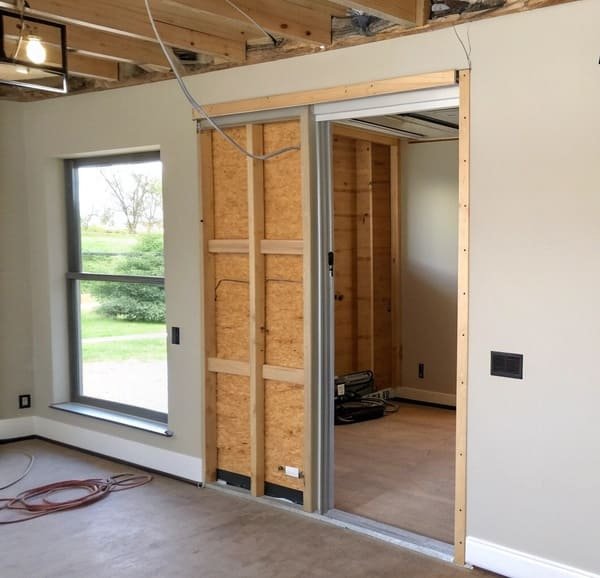
Unlike a standard pre-hung door, a pocket door2 requires careful framing within the wall. The wall must be opened, and a pocket frame installed to house the door. This is more labor-intensive and is best done during new construction or a major renovation. It’s not a simple DIY swap. You need to ensure your installation teams are prepared for this extra step, which is a small price for a major upgrade.
The Hardware Makes or Breaks the Door
This is where most problems begin. Cheap rollers will wear out, causing the door to jam, rattle, or even fall off the track. A flimsy track can bend under the weight of a heavy door. I cannot stress this enough: the entire user experience depends on the quality of the sliding system. At my factory, we focus on heavy-duty rollers3 and rigid aluminum rails to prevent these exact issues. Your reputation depends on the quality you supply.
Repairs Can Be Difficult
If something does go wrong inside the wall, repairs can be a headache. That’s why we design our systems for longevity. But it’s also why we build them with features like easily detachable hangers, so you don’t have to tear the wall apart for service. Choosing a reliable system from the start is the best insurance against future problems for you and your client.
| Problem with Low-Quality Hardware | Our High-Quality Solution |
|---|---|
| Flimsy track bends over time. | Rigid, reinforced aluminum hanging rails. |
| Cheap plastic rollers crack and jam. | Heavy-duty rollers with precision bearings. |
| Door is noisy and rough to slide. | Soft-close mechanisms for smooth, silent operation. |
Are pocket doors good for accessibility?
Your clients need accessible solutions for aging family members or universal design standards. Swinging doors can be huge barriers for wheelchairs, creating tight corners and blocking hallways.
Yes, pocket doors are excellent for accessibility. They eliminate the "swing space" of a traditional door, creating a wider and completely unobstructed pathway. This makes navigation significantly easier for individuals using wheelchairs, walkers, or other mobility aids, promoting independence and safety at home.
Creating a Clear Path
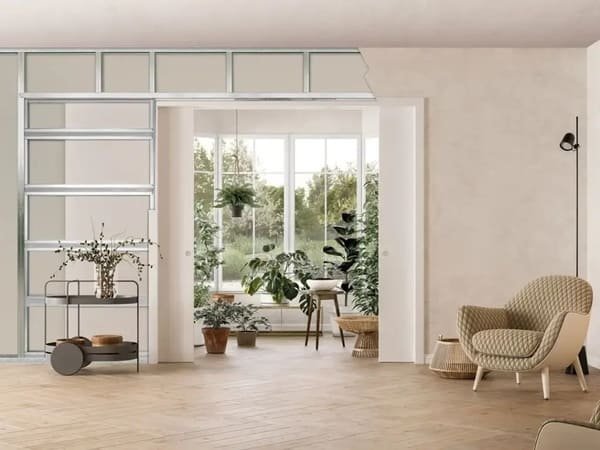
The most obvious accessibility benefit is the removal of the swinging arc. A typical 32-inch hinged door can block a significant portion of a hallway when open, making it difficult for a wheelchair to pass. A pocket door4 of the same size slides away, leaving the entire doorway width clear. This simple difference has a massive impact on maneuverability and is a game-changer for accessibility.
Easier Operation
For someone with limited strength or dexterity, pushing or pulling a heavy swinging door5 can be difficult. Our pocket door4 systems, especially when equipped with soft-open and soft-close features, require minimal force to operate. A gentle push is all that’s needed to set the door in motion. This reduces physical strain and makes a home more user-friendly for everyone, not just those with mobility challenges.
Here’s a simple comparison for a standard 36-inch hallway:
| Door Type | Usable Hallway Width When Open | Maneuverability for Wheelchair |
|---|---|---|
| 32" Swinging Door | Can be reduced to just a few inches. | Very difficult; requires backing up. |
| 32" Pocket Door | Full 36 inches remains clear. | Easy; straight path of travel. |
By recommending pocket door4s, you are not just selling a door; you are providing a solution that can dramatically improve a person’s quality of life and ability to live independently in their own home. This is a powerful selling point.
Conclusion
Pocket doors give your clients more space, better design, and true accessibility. Choosing quality hardware is essential to ensure these benefits last, making them a valuable, future-proof addition.
Explore the advantages of pocket doors, including space-saving and aesthetic benefits, to enhance your design projects. ↩
Explore the advantages of pocket doors, including space-saving benefits and aesthetic appeal, to enhance your home design. ↩
Learn why investing in heavy-duty rollers is crucial for durability and smooth operation of sliding doors. ↩
Explore how pocket doors enhance accessibility and improve maneuverability for individuals with mobility challenges. ↩ ↩ ↩
Learn about the limitations of swinging doors and how they can hinder movement in tight spaces. ↩