
Struggling to find hardware that matches sleek, modern interiors? Bulky tracks can ruin a minimalist design. Invisible sliding door tracks provide a clean, seamless look for any project.
To fit into modern homes, invisible sliding door tracks conceal all hardware within the wall or door itself. This creates a "floating door" illusion, saves valuable floor space, and produces a clean, uninterrupted line that merges perfectly with minimalist and sophisticated interior designs.
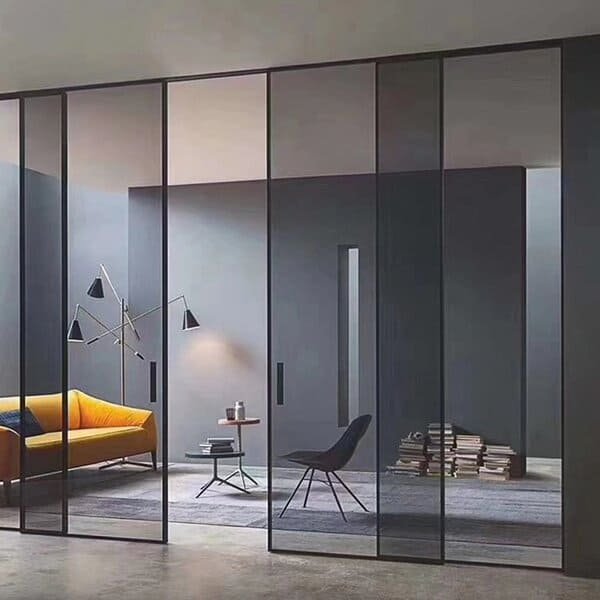
Modern design is all about clean lines and uncluttered spaces. As a hardware manufacturer, I’ve seen firsthand how architects and designers push for solutions that are both functional and beautiful. The biggest challenge is often the hardware itself—hinges, handles, and tracks can interrupt a smooth wall surface. This is where innovation in sliding door systems has been a game-changer for my clients, like contractors and furniture factories. They need products that deliver on this modern promise. Let’s explore how these systems work and why they are becoming a standard in high-end projects.
Are all sliding door tracks the same?
Choosing the wrong track can completely derail a project. A mismatched system causes installation headaches and poor performance for the end-user. Understanding the differences ensures you select the perfect one every time.
No, sliding door tracks are not all the same. They differ in mounting style (top-hung, bottom-rolling), visibility (exposed vs. concealed), and material (aluminum, steel). Each type is designed for different door weights, applications, and aesthetics, making the right choice essential for function and design.
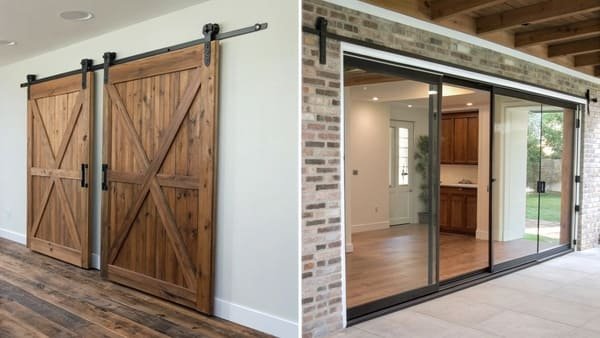
In my years of manufacturing sliding door systems at opensliding, I’ve worked with countless buyers, from door factory purchasers to large-scale distributors. A common question I get is about the "best" track. The truth is, it depends entirely on the project’s needs. We need to break it down.
Top-Hung vs. Bottom-Rolling
A top-hung system1 is the most popular choice for interior doors. The door hangs from rollers that run along a track mounted above the opening. This leaves the floor clear of any tracks, which is great for a clean look and for accessibility. However, it requires a strong header or wall structure to support the full weight of the door. Bottom-rolling systems use a track on the floor to support the door’s weight, with guides at the top to keep it stable. These are ideal for very heavy doors or in situations where the wall structure above cannot bear weight.
Exposed vs. Concealed (Invisible)
This is where modern design really comes into play. Exposed tracks, like those on classic barn doors, make a design statement. The hardware is part of the aesthetic. In contrast, concealed or invisible tracks are designed to disappear. The track is recessed into the wall or ceiling, so all you see is the door slab, creating that floating effect. This is the system my clients increasingly ask for, especially for minimalist and luxury developments.
| Feature | Top-Hung System | Bottom-Rolling System | Concealed (Invisible) System |
|---|---|---|---|
| Mounting | Track above door | Track on floor | Recessed in wall/ceiling |
| Weight Support | Wall/Header | Floor | Wall/Ceiling |
| Floor Appearance | Clean, track-free | Track on floor | Clean, track-free |
| Best For | Standard interior doors | Very heavy doors | Modern, minimalist designs |
| Aesthetics | Can be exposed or hidden | Often more visible | Completely hidden hardware |
At my factory, we produce all of these types, but our focus on high-quality invisible systems2 has grown massively. We use durable aluminum for the tracks and precision bearings in our rollers to ensure our systems are not just invisible, but also silent and smooth.
You love the space-saving function of a barn door but hate the bulky rail. That classic, rustic hardware just doesn’t fit every modern design. A hidden track gives you the same function, sleekly.
A hidden barn door track works by concealing the rail and rollers from view. The track is either recessed into the top edge of the door itself or mounted within the wall structure. This makes the door appear to float and glide open and shut without any visible hardware.
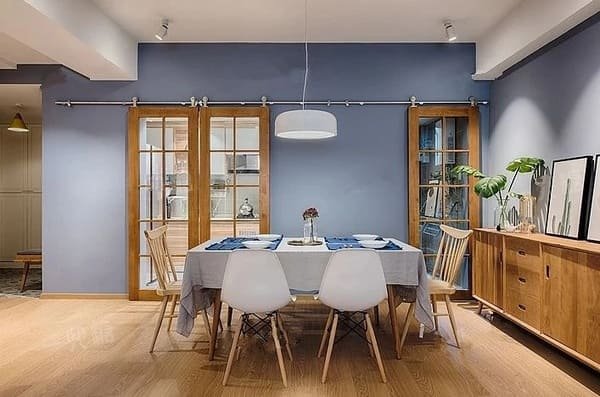
The magic of a hidden barn door track is in its clever engineering. I remember a project with a purchaser from Canada, much like Jacky, who was sourcing for a series of high-end urban condos. He needed the space efficiency of a barn door but specified that no hardware could be visible. This is exactly what our invisible systems are made for. Instead of a large, wall-mounted rail, these systems use a more discreet approach.
Recessed Track Systems
One of the most common methods is recessing the hardware directly into the door slab. We machine a channel into the top edge of the wooden or composite door. A special, compact track is installed inside this channel. The rollers are then attached to a small plate that is fixed to the wall, just above the opening. When the door is hung, the rollers engage with the hidden track inside the door. From the outside, you see nothing but a clean wall and a door that seems to glide effortlessly on its own. It’s a very slick solution that our furniture factory clients love.
Wall-Mounted Concealed Systems
Another approach is to hide the track within the wall itself, similar to a pocket door but without the entire pocket. A specialized track is mounted to the wall studs before the drywall goes up. A small, almost invisible slot is left at the top of the finished wall for the roller arms to pass through. This method requires planning during the construction phase but provides the most seamless look possible. We often work with construction contractors on providing the right specs and hardware for these installations well in advance. The key is quality components—our systems use high-density POM rollers for whisper-quiet operation, something that is non-negotiable in luxury builds.
What is the common problem with sliding doors?
Sliding doors can be a source of frustration. They get stuck, jump off the track, or make noise, which can lead to callbacks and customer complaints. Knowing the common problems helps you prevent them.
The most common problems with sliding doors are derailing from the track, noisy or rough operation due to worn components, and sticking caused by debris or misalignment. These issues almost always stem from low-quality hardware, improper installation, or a lack of basic maintenance.
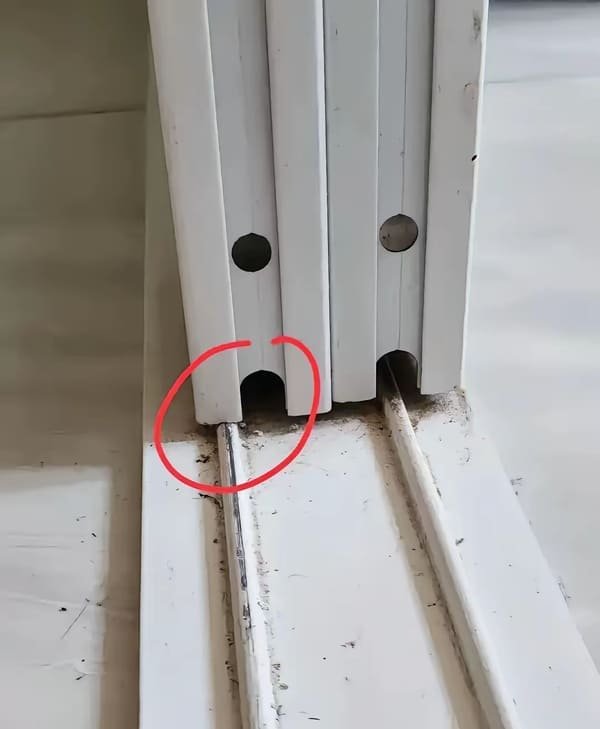
As a manufacturer, my reputation is on the line with every system that leaves our factory. We spend a lot of time on quality control because we know what happens when hardware fails. A distributor can’t afford to sell products that lead to complaints, and a contractor doesn’t want to go back to a job site to fix a faulty door. The problems are almost always preventable by choosing the right hardware from the start.
Derailment and Misalignment
This is the number one complaint. A door jumping its track is often caused by flimsy rollers or a track that isn’t perfectly straight. Low-quality plastics can deform, and cheap metal can bend under the door’s weight. Our systems use reinforced roller bodies and high-grade extruded aluminum tracks that resist bending. We also incorporate anti-jump features, which are small but critical components that lock the roller to the track, making derailment nearly impossible.
Noise and Rough Movement
A sliding door should glide, not grind. Noise is usually a sign of poor-quality bearings in the rollers or friction between the roller material and the track. We use sealed ball bearings3 that are lubricated for life and specify materials like POM (Polyoxymethylene) for our wheels, which is known for its low friction and durability. It costs a little more to produce, but it’s the difference between a product that lasts and one that fails.
| Problem | Common Cause | Our Solution (as a Factory) |
|---|---|---|
| Door Derails | Flimsy rollers, bent track | Anti-jump clips, high-grade aluminum track |
| Noisy Operation | Poor quality bearings, wheel material | Sealed ball bearings, POM wheels4 |
| Sticking/Jamming | Debris in track, door misalignment | Easy-to-clean track designs, robust floor guides |
| Premature Wear | Soft metals, weak plastics | Anodized aluminum, reinforced nylon/POM parts |
Ultimately, these problems are a direct result of cutting corners on material and design. When purchasing for a project, inspecting the quality of the rollers and the sturdiness of the track is the best way to avoid these common headaches.
What size track for sliding door?
Picking the wrong track size is a simple mistake that can cause a major installation failure. The door won’t open fully, or even worse, it will be unstable and dangerous. A simple rule helps you get it right every time.
As a standard rule, your sliding door track should be at least twice the width of the sliding door panel. This ensures that the door can slide completely clear of the doorway, providing a full and unobstructed opening. This is the most crucial measurement to get right.
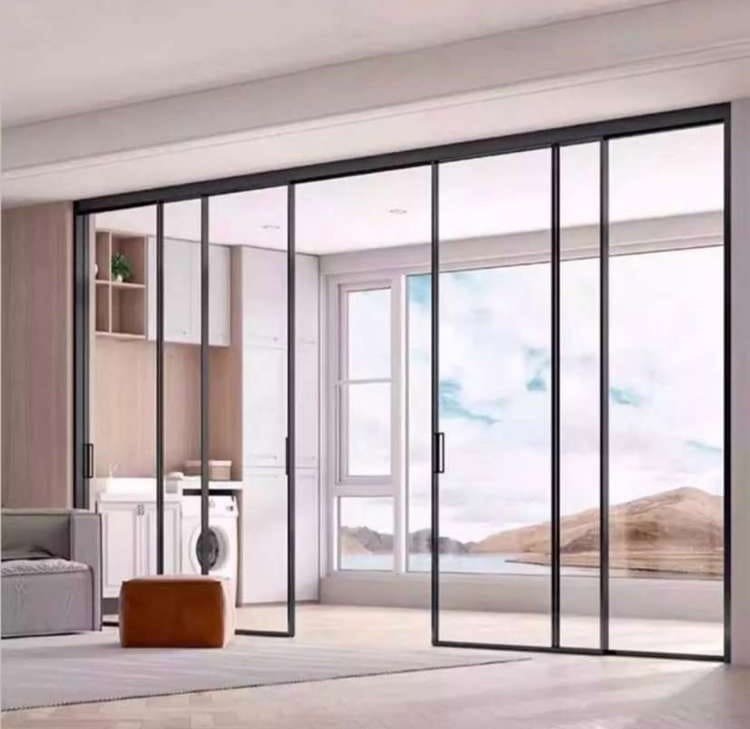
I’ve seen this mistake made more times than I can count. A contractor orders a beautiful door and a high-quality hardware system but gets the track length wrong. The result is a door that only opens part of the way, which defeats the purpose. The "twice the width" rule is your foundation for every single-door installation.
Calculating for Single Doors
It’s simple math. If you have a door that is 36 inches wide, you need a track that is at least 72 inches long. This provides 36 inches of track over the opening and another 36 inches of track for the door to slide onto when it’s open. I always recommend adding an inch or two as a buffer, so a 73- or 74-inch track would be perfect.
Calculating for Bi-Parting Doors
For a double door setup where two doors meet in the middle and slide apart, the logic changes slightly. You still need the track to be twice the width, but this time it’s twice the width of one of the door panels. For example, if you are covering a 72-inch opening with two 36-inch doors, you would need a track that is 144 inches long (4 x 36 inches) to allow both doors to clear the opening completely.
Factors Beyond Length
While length is critical, it isn’t the only consideration. You must also account for:
- Door Weight: Every track system has a maximum weight capacity. Our systems at opensliding are clearly rated, with options for standard doors up to heavy-duty systems for large glass or solid wood panels.
- Door Thickness: The hardware, especially the rollers and floor guides, is designed for specific door thicknesses. Make sure the system you choose is compatible.
As a factory, we offer a range of standard track length5s that fit most common door sizes, but a key service we provide for our B2B clients is cutting tracks to custom lengths. This is a huge benefit for contractors working on unique architectural projects.
Conclusion
Invisible tracks perfectly blend function and modern style, creating the clean lines your projects demand. Sourcing high-quality hardware from a reliable partner ensures flawless, lasting performance for every single door.
Learn about top-hung systems to understand their benefits and applications for your interior design. ↩
Explore the advantages of invisible systems to enhance your modern design and functionality. ↩
Explore how sealed ball bearings enhance the performance and longevity of sliding doors, ensuring smooth operation. ↩
Learn about the advantages of POM wheels, including low friction and durability, crucial for high-quality sliding door systems. ↩
Understanding the ideal track length is crucial for ensuring smooth operation and proper fit for sliding doors. ↩