
Struggling to meet green demands while staying profitable? It’s a tough balance. Adopting sustainable practices is the key to future-proofing your business and meeting modern expectations.
Eco-conscious manufacturing is changing the door and window industry by using sustainable materials, reducing waste, and lowering energy use. This results in cost savings, a better brand reputation, and products that meet today’s environmental standards, attracting eco-aware customers like you.
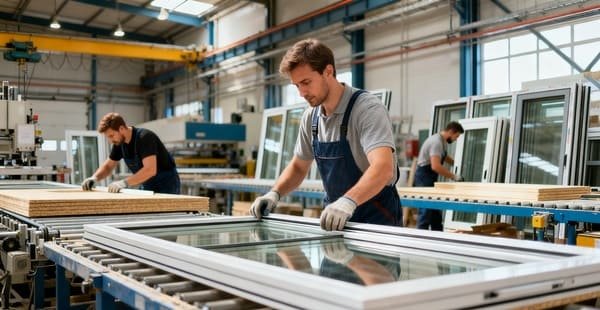
I’ve seen this change happen over my years in the hardware business. It’s more than just a passing trend. It is a deep shift in how we think and work. Let’s look closer at what this green transformation means for our industry. It’s time to understand how you can benefit from it.
Why is there a green awakening in manufacturing?
Your customers are asking for eco-friendly products more and more. Ignoring this demand can put your business behind. Understanding this "green awakening" is vital to stay competitive.
This green awakening is driven by increased customer awareness, new government rules, and the real business benefits of being sustainable. Companies now see that eco-friendly practices are good for the planet and also great for their brand image and financial success.
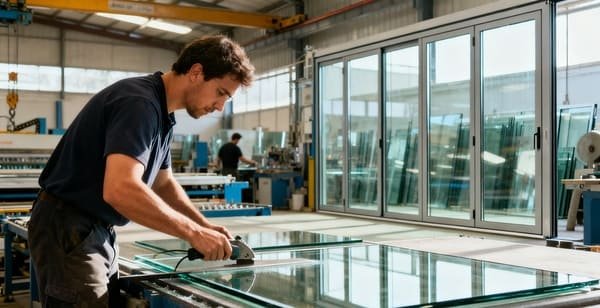
In my experience as a factory owner, I’ve seen the pressures from all sides. It’s not just about feeling good; it’s about smart business. This shift is happening because several forces are pushing our industry in the same direction. Let’s break down the main drivers behind this change.
Key Drivers for the Green Shift
- Market Demand1: Modern consumers and business partners, like you, actively look for suppliers with strong environmental credentials. A sustainable supply chain is no longer a bonus; it’s often a requirement.
- Regulatory Pressure2: Governments worldwide are implementing stricter environmental laws. These rules cover everything from carbon emissions to waste disposal. Staying ahead of these regulations prevents fines and keeps operations smooth.
- Cost Efficiency: We used to think "green" meant "expensive." Now, we know better. Reducing waste, recycling materials, and using less energy directly cuts our operational costs. These savings are then passed on to our clients.
Is green manufacturing more than just a buzzword?
You hear "green manufacturing" everywhere, but it can feel like just a marketing term. You might wonder if it has any real substance. It is much more than a buzzword.
Absolutely. Green manufacturing involves specific actions that have measurable results. It means redesigning production to use fewer resources, creating less pollution, and recycling materials. It’s a practical strategy that improves efficiency, product quality, and your company’s long-term health.
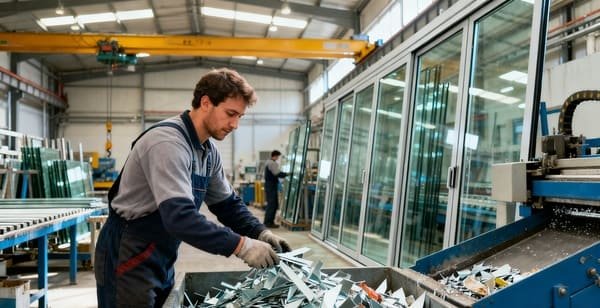
For us at opensliding, green manufacturing isn’t just talk. It’s about what we do every single day on the factory floor. It’s a core part of our business strategy. We’ve moved beyond the buzzword to implement real, practical changes in how we produce our door and window hardware. The goal is to create tangible value for our partners and the planet. Let’s look at what these practices look like in reality.
–
What are the direct benefits for businesses and consumers?
As a buyer, you’re always focused on the bottom line. You need to know how sustainability benefits your business directly. The advantages are clear and impact everything from cost to brand.
For businesses, sustainable practices reduce operational costs and enhance brand reputation. For consumers, it means getting high-quality, durable products from a brand they can trust. It’s a win-win situation that builds long-term value and loyalty for everyone involved in the supply chain.
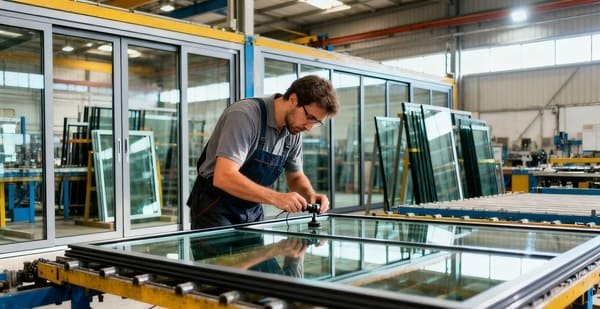
When I talk with purchasing managers like you, the conversation always comes back to value. Price is important, but true value is a combination of price, quality, and reliability. Sustainable manufacturing directly improves all three of these areas. The benefits aren’t abstract; they are concrete advantages that you can see on your balance sheet and in your market position. Here is a closer look at how these benefits play out for both the manufacturer and the purchaser.
Tangible Benefits of Green Practices
- Lower Long-Term Costs3
For my factory, using less energy and creating less waste means lower utility and disposal bills. For you, the purchaser, this efficiency allows us to offer more competitive pricing on our hardware without sacrificing the quality you expect. - Enhanced Brand Image4
Partnering with a sustainable supplier like opensliding strengthens your own brand. You can confidently tell your customers that your products are made with environmental responsibility in mind. This is a powerful marketing tool in today’s eco-conscious market. - Improved Product Quality
Green manufacturing often leads to better products. For example, our focus on durable, recyclable materials means our sliding systems and hinges are built to last longer. This reduces replacement needs and increases end-user satisfaction.
How is opensliding a model for sustainable manufacturing?
You need a supplier who not only talks about sustainability but actively practices it. How can you be sure a factory is truly committed? You need to see proof in their operations.
opensliding integrates sustainability into every step of our process, from responsible material sourcing to energy-efficient production and waste reduction. We are not just a supplier; we are a partner in building a greener future, providing high-quality, cost-effective hardware you can trust.
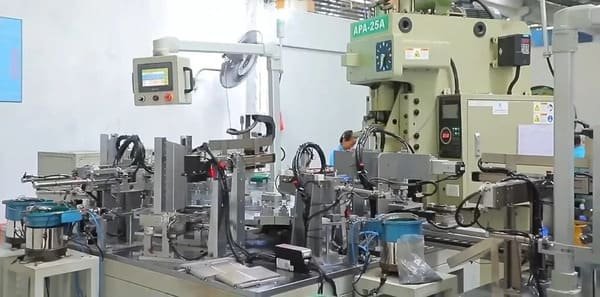
As the owner of opensliding, I am personally committed to making our factory a leader in sustainable practices. This commitment is not a side project; it is central to our identity. We believe that being a top-tier B2B hardware manufacturer means being responsible. For our partners, this translates into a reliable supply chain, superior products, and a shared commitment to environmental stewardship. Let me show you exactly how we put these principles into action every day.
Our Sustainable Manufacturing in Action
- Responsible Sourcing5: We have built strong relationships with suppliers who provide certified, high-grade recyclable steel and aluminum. We audit our suppliers to ensure their practices align with our own environmental and ethical standards. This guarantees that quality and responsibility start at the very beginning of the process.
- Lean Production6: Our factory floor is organized around lean principles to eliminate waste. This applies to everything from our Partition Room Sliding Door Rollers System to our cabinet hinges. By optimizing workflows and minimizing defects, we reduce material waste and improve overall efficiency.
- Water and Chemical Management: The finishing and coating processes for our hardware can be resource-intensive. We have installed a closed-loop water treatment system that allows us to recycle a significant portion of the water we use. We also use low-VOC (Volatile Organic Compound) coatings to minimize air pollution.
What is the future role of sustainability in our industry?
Wondering what’s next? You need to anticipate future trends to keep your business ahead. How will sustainability shape the door and window hardware industry in the coming years?
Sustainability will become a standard requirement, not an option. We will see more innovation in circular economy models, where products are designed for disassembly and recycling. Digitalization, like IoT sensors in machinery, will further optimize resource use, making our industry even smarter and cleaner.
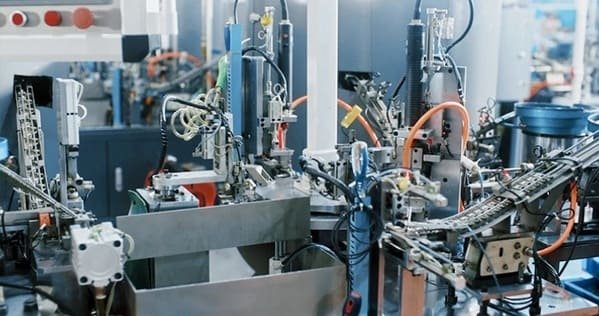
Looking ahead, I see an industry that is more connected, intelligent, and responsible than ever before. For a purchasing manager like you, this means having access to better data, more innovative products, and more transparent supply chains. The future isn’t just about being "green"; it’s about being "smart green." The technologies and ideas that are emerging today will become the standard practices of tomorrow. Let’s explore what these future trends mean for our partnership.
Emerging Trends in Sustainable Manufacturing
- The Circular Economy7
Instead of the traditional "take-make-dispose" model, we will move towards a circular one. This means designing our products, like heavy-duty lifting wheels and sliding systems, to be easily repaired, reused, or recycled at the end of their life. This creates long-term value and minimizes landfill waste. - Digitalization and Industry 4.08
Smart factories will become the norm. By using sensors and data analytics, we can monitor our energy and material consumption in real-time. This allows for precise adjustments that reduce waste and boost efficiency to levels we can’t achieve today. - Advanced Materials
Research will continue to uncover new materials that are stronger, lighter, and more sustainable. We are actively exploring bio-based composites and advanced metal alloys that can improve product performance while lowering the environmental impact.
Why is sustainable manufacturing so significant?
You might still be thinking, "What’s the big deal?" With so many priorities, you need to know why this one matters so much. Why is it a core business concern?
Sustainable manufacturing is significant because it directly addresses the biggest challenges of our time: resource scarcity, cost pressures, and changing market demands. It is the most effective strategy for ensuring the long-term profitability and resilience of your business and our entire industry.
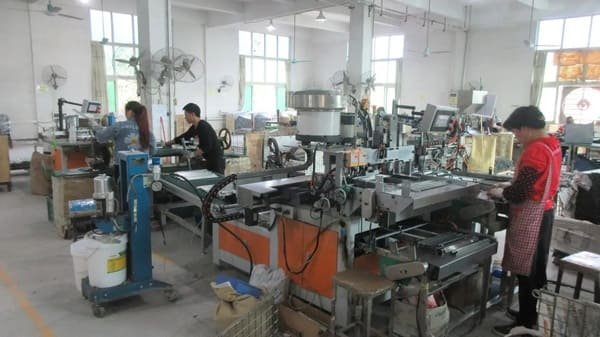
After years in this business, I can tell you this: the companies that thrive are the ones that adapt. Sustainable manufacturing is the most important adaptation our industry needs to make today. It’s not just about compliance or image. It is about building a smarter, more efficient, and more resilient business that is prepared for the future. The significance lies in its power to align profitability with responsibility, creating a foundation for lasting success.
The Ultimate Importance
- Business Resilience9: A sustainable business is less vulnerable to price shocks in energy and raw materials. By being more efficient, we build a stronger, more stable operation that can weather economic storms. This means a more reliable supply chain for you.
- Market Leadership10: In a crowded market, sustainability is a powerful differentiator. Companies that lead in this area are seen as innovators and preferred partners. It helps you stand out and win more business.
- Legacy and Responsibility: Ultimately, this is about the world we leave behind. Operating responsibly is our duty to future generations. It ensures that our industry can continue to provide essential products for homes and buildings for many years to come, without compromising the health of our planet.
Conclusion
In short, embracing eco-conscious manufacturing is not just a trend but a necessary strategy. It secures profitability, strengthens your brand, and ensures a sustainable future for our industry.
Understanding market demand helps businesses align with consumer preferences and enhance their sustainability efforts. ↩
Exploring regulatory pressure can provide insights into compliance strategies and the importance of sustainability in operations. ↩
Explore this link to understand how reducing costs can enhance your business’s profitability and sustainability. ↩
Discover how a strong brand image can attract eco-conscious customers and boost your market presence. ↩
Explore this link to understand how responsible sourcing enhances sustainability and ethical practices in manufacturing. ↩
Discover insights on lean production techniques that can significantly reduce waste and boost efficiency in manufacturing processes. ↩
Explore this link to understand how the Circular Economy transforms manufacturing, promoting sustainability and reducing waste. ↩
Discover how Digitalization and Industry 4.0 are revolutionizing manufacturing efficiency and sustainability through smart technologies. ↩
Explore this link to understand how Business Resilience can enhance your company’s stability and efficiency. ↩
Discover insights on how achieving Market Leadership through sustainability can set your business apart and attract more clients. ↩