
Choosing the wrong roller leads to callbacks and unhappy clients. This hurts your reputation and profits. Let me show you how to select the perfect roller every time.
To choose the right sliding door rollers, you must focus on three key factors: the material quality, the roller’s weight capacity, and its compatibility with the door and track. Matching these elements to your specific door ensures long-lasting, smooth, and reliable operation for your project.
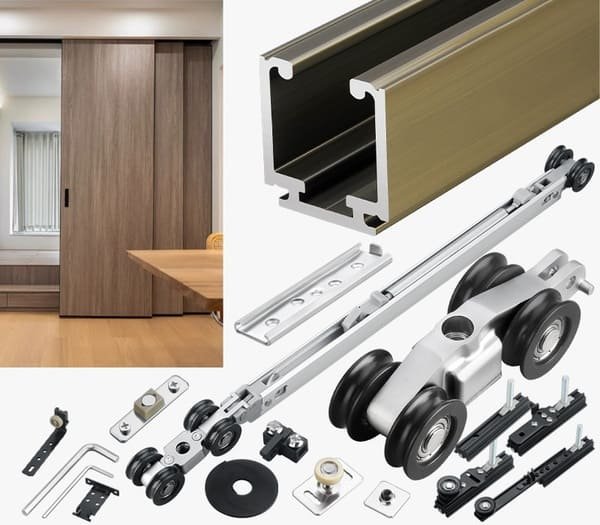
As a factory owner, I get asked about choosing rollers all the time. It really comes down to understanding the specific needs of the door you’re working with. A heavy glass patio door has very different needs than a lightweight wardrobe door. To help you make the best choice for your projects, I’m going to break down the most common questions I hear from buyers. Let’s dig into the details so you can source parts with confidence.
How to know which rollers for a sliding glass door?
Glass doors are heavy and fragile. The wrong roller can cause sagging or even damage to the glass. Choosing rollers designed specifically for glass is critical for safety and performance.
For a sliding glass door, always prioritize rollers with a high weight capacity and non-corrosive materials like stainless steel. The roller must support the glass’s significant weight and resist moisture, ensuring smooth, safe operation for many years to come.
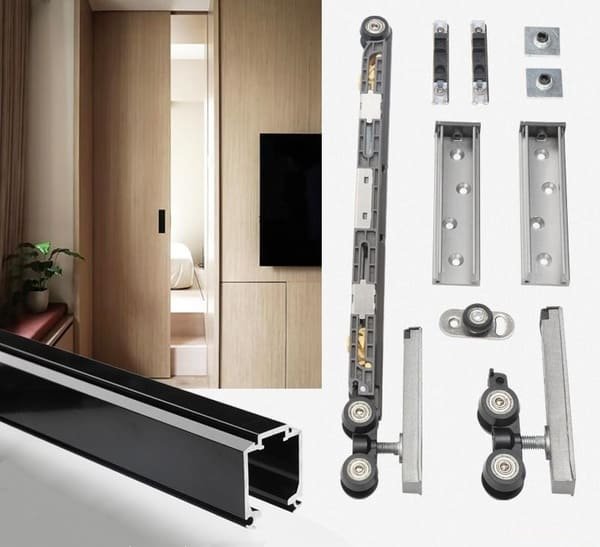
When you’re dealing with sliding glass doors, especially exterior patio doors, you can’t afford to cut corners on the rollers. The weight of double or even triple-paned glass is substantial. From my experience in manufacturing, here are the key things to look at.
Material and Design Breakdown
The first thing I tell my clients is to look at the material. Glass doors are often exposed to condensation and weather, so you need materials that resist rust. Stainless steel is the top choice here. It provides both the strength for the weight and protection against corrosion. High-quality nylon can also work for lighter interior glass doors, but for heavy patio doors, steel is the way to go.
Next is the design of the roller itself.
| Roller Feature | Why It Matters for Glass Doors | My Recommendation |
|---|---|---|
| Material | Resists corrosion from weather and condensation, supports heavy weight. | Grade 304 Stainless Steel1 is the best balance of performance and cost. |
| Tandem Wheels2 | Distributes the door’s heavy weight across two points for stability. | Always use tandem (dual-wheel) rollers for patio doors. |
| Precision Bearings | Ensures the door glides smoothly and quietly without extra effort. | Sealed ball bearings are a must. They keep dirt out and last longer. |
Using a single-wheel plastic roller on a heavy glass door is a recipe for failure. The wheel will wear out quickly, the door will become hard to move, and you will get a callback from an unhappy customer. It’s better to invest in the right hardware upfront.
Do all sliding doors have the same rollers?
Many buyers assume all rollers are interchangeable. You might buy in bulk, only to find they don’t fit your new project. You need to understand the different types first.
No, sliding doors do not use the same rollers. Rollers are very different based on the door’s material, weight, track shape, and system type (e.g., wardrobe, pocket, or barn door). Using the wrong roller will lead to damage and poor performance.
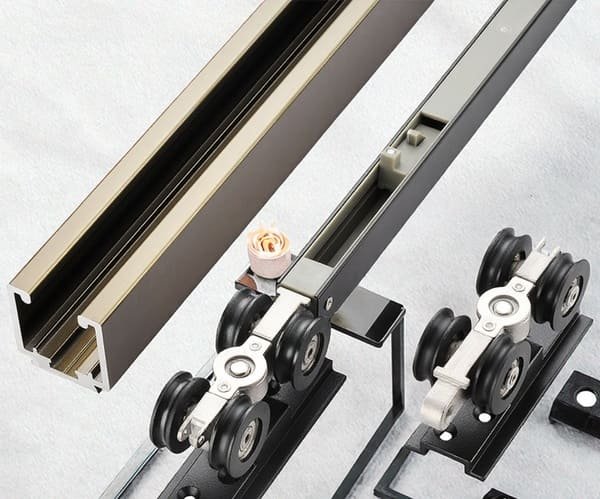
In my factory, we produce dozens of different roller systems because there is no one-size-fits-all solution. A roller designed for a 15kg wardrobe door will fail instantly under the weight of a 100kg heavy wooden door. The primary difference comes down to the door system’s design and its intended use. Understanding these categories is the first step to sourcing the right part.
System-Specific Roller Types
Let’s look at the main categories I see every day. The biggest distinction is whether the door’s weight hangs from the top or rests on the bottom.
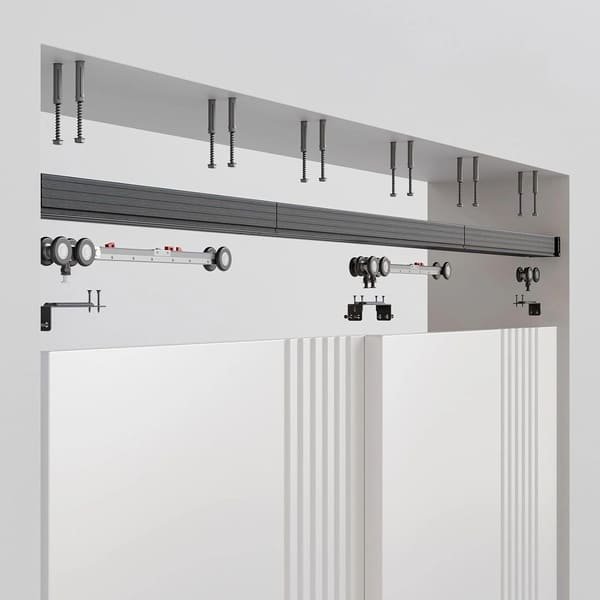
Top-Hung Systems3: The rollers are mounted at the top of the door and run in an overhead track. The door hangs from this track. This is common for barn doors, pocket doors, and many modern wardrobe systems. These rollers need to be very strong as they carry the entire weight of the door.
Bottom-Rolling Systems4: The rollers are set into the bottom of the door and roll along a track on the floor. This is the classic design for most patio and closet doors. These systems need to be durable and resistant to collecting dirt from the floor track.
The table below shows how rollers differ across common door types.
| Door Type | Common Roller System | Key Roller Characteristics |
|---|---|---|
| Patio Glass Door | Bottom-Rolling | Tandem wheels, stainless steel, high weight capacity. |
| Wardrobe Door | Top-Hung or Bottom-Rolling | Lighter duty, often nylon wheels for quiet operation. |
| Pocket Door | Top-Hung | Four-wheel carriers, designed for smooth travel inside a wall. |
| Barn Door | Top-Hung | Large, exposed wheels that are both functional and decorative. |
As you can see, the application dictates the design. When you contact a supplier like us at opensliding, telling us the type of door is the most important first step.
How to measure sliding door rollers?
Ordering replacement rollers can feel like a guessing game. The new parts arrive and don’t fit, wasting your time and money. A few simple measurements will guarantee a perfect fit.
To measure a sliding door roller, you need three key dimensions: the wheel diameter, the wheel thickness, and the height of the housing assembly. Using a caliper for precision is the best way to ensure the replacement part fits the track and door.
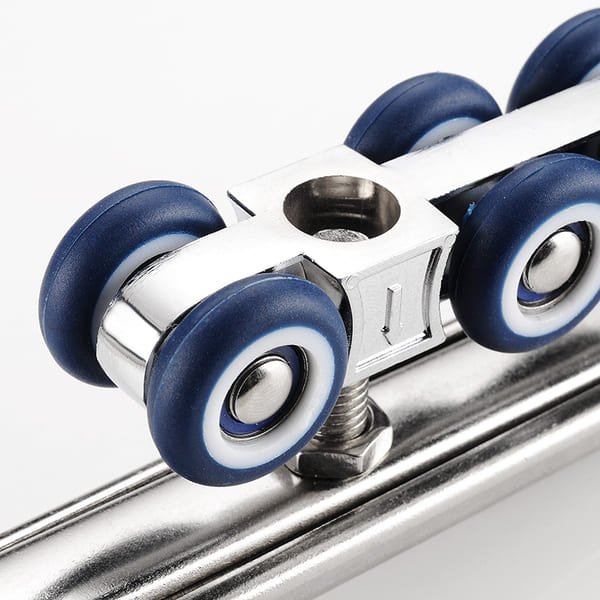
Getting the measurements right is the most critical step for replacing an existing roller. When a customer sends me a request, I always ask for precise measurements. I remember a buyer from Canada, a good client of mine named Jacky. He once sent a photo with a ruler next to a roller, but the angle was off. I advised him to buy a simple digital caliper. Since then, his orders have been perfect every time. It’s a small investment that saves big headaches.
Your Step-by-Step Measurement Guide
To avoid errors, follow these steps. You will need to remove the roller assembly from the door first.
Measure Wheel Diameter5: Use your calipers to measure across the widest part of the wheel. This is the most important measurement to ensure the wheel fits correctly in the track. Common sizes are 1-1/4" and 1-1/2".
Measure Wheel Thickness: Measure the width of the part of the wheel that touches the track. A wheel that is too wide or too narrow will not roll properly.
Measure Housing Dimensions: The housing is the metal or plastic case that holds the wheel. You need its height, length, and width. This ensures the entire assembly will fit back into the cutout or mortise at the bottom of the door.
Note the Wheel Profile6: Look at the edge of the wheel. Is it flat, or does it have a groove (concave)? The profile must match the shape of your track.
Taking a few clear photos with the caliper showing the measurements is the best way to communicate your needs to a supplier.
How to determine a sliding door’s brand?
You need to replace a part but have no idea who made the door. You can search for hours without finding the right component. The key is to know where to look for identifiers.
To determine a sliding door’s brand, check for a logo etched on the corner of the glass, stamped on the lock hardware, or marked on the roller housing itself. If you cannot find a brand, focus on the roller’s exact measurements for a compatible replacement.
Identifying the brand of an older door can be tough, but it’s not impossible. Over the years, many manufacturers have come and gone. Often, even if you find the brand, they may no longer produce that specific part. That is why focusing on the part’s specifications is usually more effective. However, finding the brand is a good place to start.
A Checklist for Brand Identification
Here is a quick guide on where to search for clues.
- Check the Glass: Look closely at all four corners of the glass panes. Manufacturers often etch a small, semi-transparent logo or name there.
- Inspect the Hardware: The handle and lock assembly are the most common places to find a brand name7. Look for names like "Schlegel," "Hoppe," or others stamped into the metal.
- Examine the Roller: Once you remove the roller assembly, inspect it carefully. Sometimes you’ll find a part number or a small logo stamped into the housing. This is often the best clue.
- Look Between the Panes: For double-paned doors, sometimes the aluminum spacer bar between the glass sheets has the manufacturer’s name printed on it.
What if you find nothing? This happens all the time. This is where a partnership with a factory like opensliding becomes valuable. My customer, Jacky, often sends me photos and measurements of a roller he can’t identify. With our experience, we can usually find a match in our catalog or suggest a suitable alternative. In some cases, we can even discuss creating a custom (ODM) roller8 for his brand. This turns a sourcing problem into a business opportunity.
Conclusion
Choosing the right roller is simple. Focus on the material, weight capacity, and exact measurements. A good supplier can help you find the perfect part for every project.
Explore this link to understand why Grade 304 Stainless Steel is the ideal choice for durability and corrosion resistance in glass door applications. ↩
Learn about the advantages of tandem wheels for glass doors, ensuring stability and smooth operation for heavy patio doors. ↩
Explore this link to understand the benefits of Top-Hung Systems, including their strength and suitability for various door types. ↩
Discover how Bottom-Rolling Systems function, their durability, and why they’re ideal for patio and closet doors. ↩
Understanding how to accurately measure wheel diameter is crucial for ensuring a proper fit in your door track. ↩
Exploring wheel profiles can help you choose the right roller for smooth operation and longevity. ↩
Understanding how to identify brand names can enhance your sourcing strategy and ensure you find the right products. ↩
Exploring custom (ODM) rollers can open new avenues for product differentiation and meet specific customer needs. ↩