
Struggling with sliding doors that stick, squeak, or fail? A bad roller system can ruin a great product. I’ll show you how to select the right one for smooth operation every time.
Choose the right sliding door roller system by considering material quality, door weight capacity, and track compatibility. Prioritize rollers that are tested for durability and offer easy adjustability to ensure long-term, smooth performance and customer satisfaction.

Choosing the right roller is about more than just finding a part that fits. It’s about ensuring the long-term quality and reputation of your doors. I’ve learned that a few key considerations can make all the difference. Let’s break down what you need to look for.
How to know which rollers for a sliding glass door?
Glass doors are heavy and fragile. The wrong rollers can lead to dangerous failures. I will guide you to select rollers that ensure safety and smooth gliding for your glass panels.
For sliding glass doors, prioritize rollers with a high weight capacity and non-corrosive materials like stainless steel or high-quality nylon. Look for precision bearings to handle the load smoothly and protect the glass from stress, ensuring both safety and effortless operation for years.
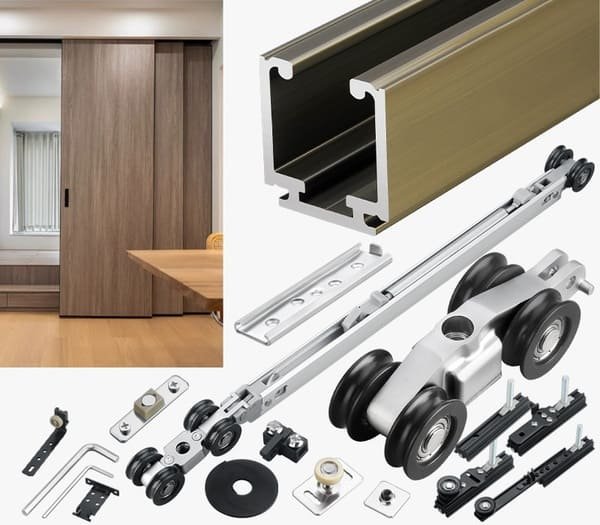
Glass doors demand special attention because their weight means you cannot use just any roller. I remember a project where a client used standard rollers for heavy tempered glass doors. They failed within months, causing a huge headache. The key is to match the roller to the specific demands of the glass. First, look at the material. Stainless steel is often best because it resists rust, which is crucial in different climates. Then, focus on the bearing system. Precision bearings distribute the weight evenly, preventing sticking and reducing stress on the glass panel itself. You also need to consider the wheel material. A hard-wearing nylon or polymer is great because it won’t damage the aluminum track and keeps the operation quiet.
Key Specifications for Glass Door Rollers
| Feature | Recommended Specification | Why it matters? |
|---|---|---|
| Material | Stainless Steel or Zinc Alloy1 | Prevents corrosion and ensures strength. |
| Wheel Type | Precision Bearing Nylon/Polymer2 | Smooth glide, quiet operation, durable. |
| Weight Load | Must exceed door’s actual weight | Safety and prevents premature failure. |
How do I choose a sliding door track?
A great roller is useless with a bad track. Mismatched tracks cause jams and damage rollers. I’ll help you pick a track that works perfectly with your chosen rollers.
Choose a sliding door track by ensuring it’s compatible with your roller’s size and shape. Select a material, like aluminum or steel, that matches the door’s weight and intended use. Make sure the track’s profile allows for smooth, unobstructed movement.
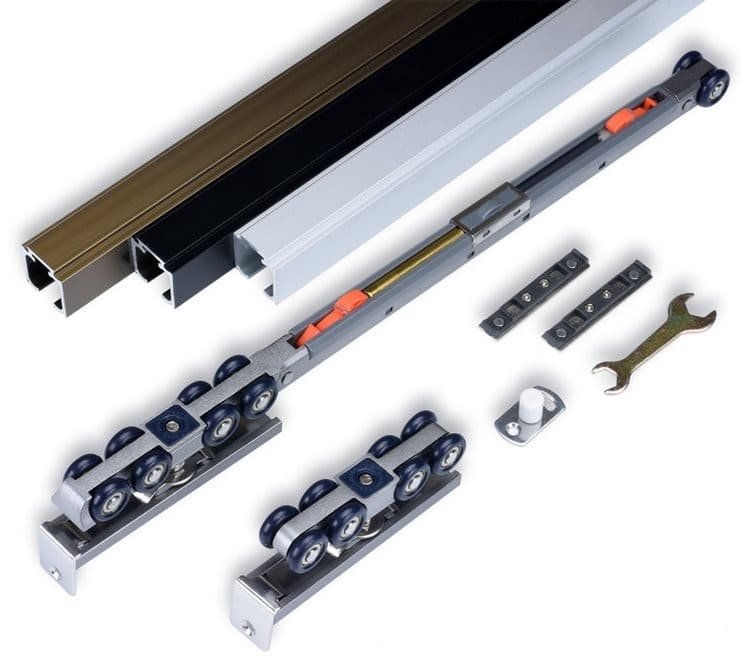
The track is the foundation of your sliding system. It has to work in perfect harmony with the roller. I’ve seen many purchasing managers focus only on the roller and forget the track. This is a big mistake. The first step is material selection. For most interior doors, aluminum is a great choice. It’s lightweight, corrosion-resistant, and cost-effective. For very heavy industrial or exterior doors, you might need steel for extra strength. The track’s profile is just as important. A "V-groove" track with a matching V-wheel offers great stability, while a simple flat track can work well for lighter applications. Always check the manufacturer’s specifications. At opensliding, we design our rollers and tracks to be perfect partners. This system-based approach eliminates the guesswork and ensures a flawless glide. Don’t think of them as separate parts; they are two halves of a whole.
How do I choose a sliding door?
Choosing a whole sliding door seems overwhelming. Picking the wrong style or material can lead to buyer’s remorse. I’ll simplify the process so you can choose with confidence.
To choose a sliding door, first determine its function: is it for a closet, a patio, or a room divider? Then, consider the material (wood, glass, aluminum) based on style, budget, and durability needs. Finally, ensure the hardware system can support it.
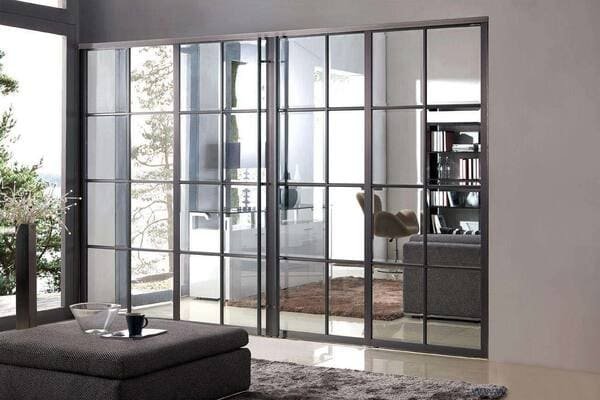
Selecting the entire sliding door assembly is a major decision for any project. My experience has taught me to break it down into three simple steps. First, what is the door’s purpose? A wardrobe door has different requirements than a heavy patio door exposed to weather. This defines the core features you need. Second, consider the materials. Wood offers a classic, warm feel, but it can be heavy. Aluminum is modern, light, and durable. Glass doors maximize light and create an open feel. Your choice here impacts the hardware you’ll need. For instance, a solid oak door needs a much more robust roller system than a hollow closet door. Finally, look at the complete system. Don’t just pick a door panel. Think about the hardware from the start. A beautiful door with a cheap, clunky roller system will disappoint every time.
Sliding Door Selection Guide
| Door Type | Best Use Case | Key Hardware Consideration |
|---|---|---|
| Wooden Door3 | Interior, Wardrobes | Weight capacity, smooth rollers. |
| Glass Door4 | Patios, Offices | High load, precision bearings. |
| Aluminum Door | Modern Interiors | Slim profile tracks, quiet operation. |
How do I know what size door roller I need?
You ordered rollers, but they don’t fit the track or door. Now your project is delayed. I’ll show you the simple measurements you need to get the right size every time.
To find the right size roller, measure the old roller’s wheel diameter and thickness. Also, measure the width and height of the track it runs in. Use these dimensions to find a compatible new roller, ensuring it meets the door’s weight requirement.
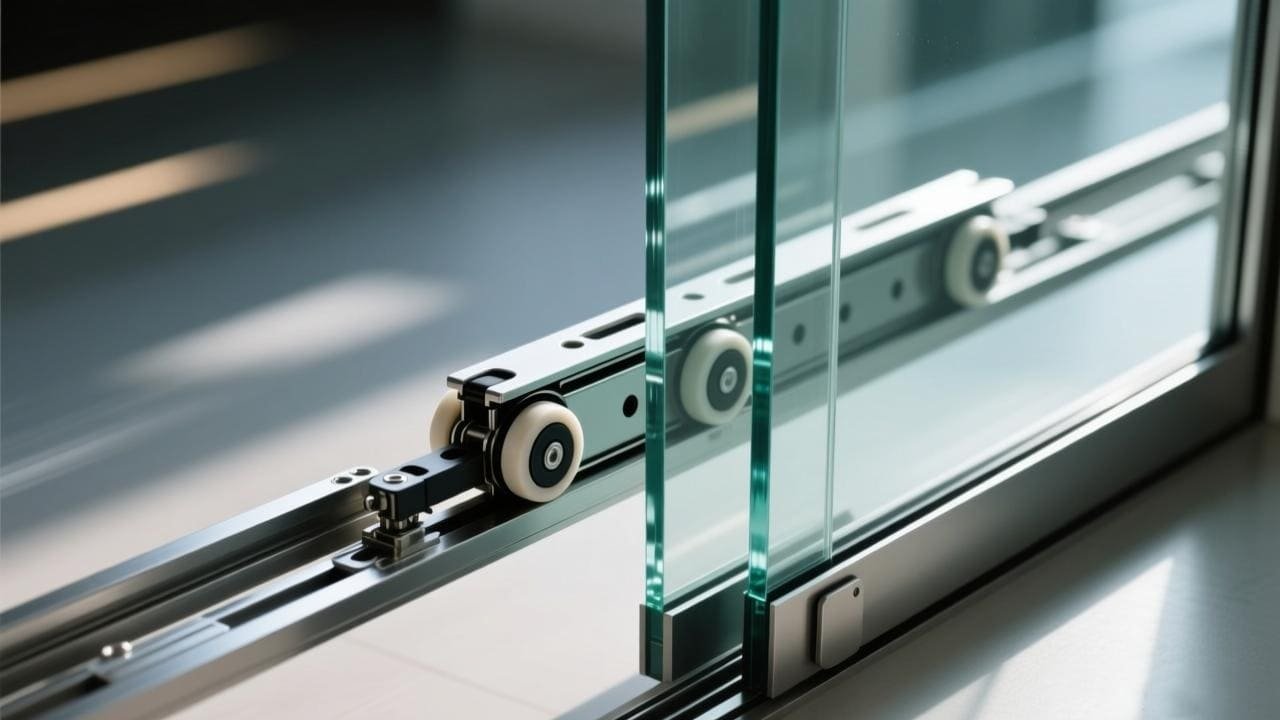
Getting the roller size right is absolutely critical. It’s one of the most common mistakes I see. You need to focus on a few key measurements. The most important is the wheel diameter. This determines how it sits in the track. A wheel that’s too small will be unstable, and one that’s too big won’t fit. Next, measure the wheel’s thickness, or width. This ensures it fits snugly within the track’s channel without too much side-to-side play. Don’t forget the housing unit itself. You need to measure its height, length, and width to ensure it fits into the cutout in the door. I always tell my customers to take a photo of the old roller next to a ruler. This simple trick can save hours. If you’re designing a new system, work with your supplier. We can provide detailed technical drawings to ensure a perfect fit with your door and track profiles from day one.
Do all sliding doors have the same rollers?
Assuming all rollers are the same is a costly mistake. Using the wrong type leads to poor performance and damage. I will explain why rollers are so different.
No, all sliding doors do not have the same rollers. Rollers vary greatly in size, material, weight capacity, and design. They are specifically engineered for different door types, such as wood or glass, and their corresponding track systems.
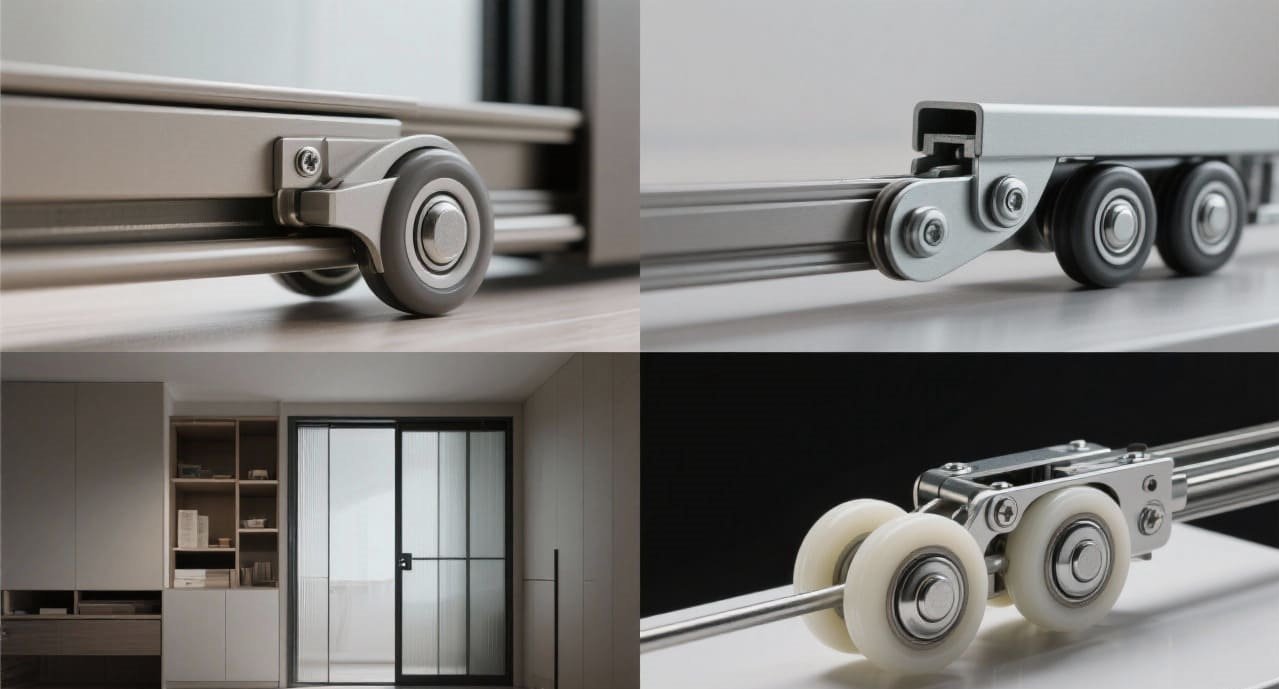
It’s a common misconception that rollers are one-size-fits-all. Nothing could be further from the truth. The type of roller you need depends entirely on the door. A lightweight wardrobe door has completely different needs than a heavy, exterior glass patio door. The materials are different too. Some rollers use steel wheels for durability on heavy-duty tracks, while others use quiet nylon wheels for interior applications. Even the mounting is different. Some rollers are mortised into the bottom of the door, while others are surface-mounted or hang from the top. When I consult with purchasing managers, I always start by asking about the door itself.
Roller Variety Breakdown
- Top-Hung vs. Bottom-Rolling5: Top-hung systems carry the door’s weight from above, providing a clean floor line. Bottom-rolling systems support the weight on a floor track.
- Wheel Material6: Nylon, steel, and stainless steel are common, each with its own benefits for noise, durability, and corrosion resistance.
- Weight Capacity: Rollers are rated for specific weights. Using an underrated roller is a recipe for disaster.
How often should I replace my sliding door rollers?
Are your sliding doors getting harder to move? Worn-out rollers might be the culprit. I’ll explain the signs of wear and when it’s time for a replacement.
You should replace sliding door rollers when you notice grinding noises, difficulty sliding the door, or the door coming off its track. For high-quality rollers, this might be every 7-10 years, but cheaper ones may need replacing sooner.
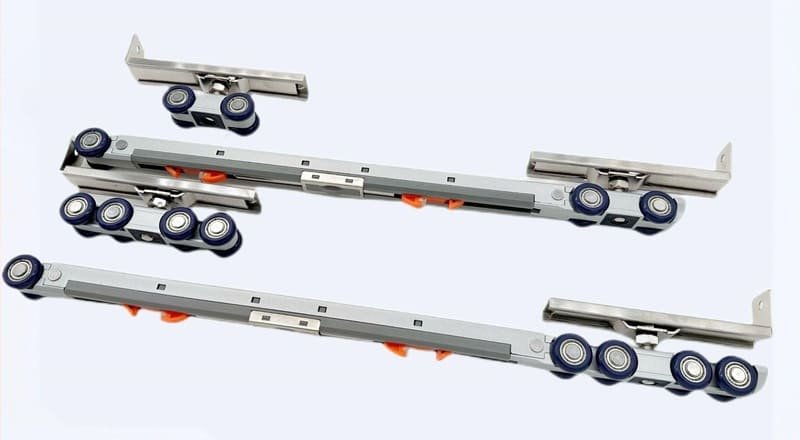
The lifespan of a sliding door roller depends on quality and usage. High-quality rollers from a reputable factory like ours are built to last. We test our rollers for tens of thousands of cycles, which can translate to many years of smooth operation. In a typical home, good rollers can last a decade or more. However, in a high-traffic commercial setting, you might need to check them more often. The key is to pay attention to the signs of wear. If you hear grinding or scraping, it’s a clear signal the bearings are failing. Another sign is increased resistance. If you suddenly need more force to move the door, the rollers are likely worn. I advise my clients to do a simple check once a year. Just clean the track and listen to the door as it moves. A smooth, quiet glide means everything is fine.
Roller Replacement Checklist
| Symptom | Possible Cause | Action Required |
|---|---|---|
| Grinding or Squeaking | Worn-out Bearings7 | Replace Rollers |
| Door is Hard to Slide | Worn Wheels / Debris8 | Clean Track, then assess Rollers |
| Door Jumps off Track | Worn or broken roller | Immediate Replacement |
Conclusion
Choosing the right roller system is key to quality. Focus on material, weight, and compatibility for long-lasting, smooth performance that keeps your customers happy.
Explore the advantages of these materials in preventing corrosion and enhancing strength for door rollers. ↩
Learn how this wheel type contributes to smooth operation and durability in door systems. ↩
Discover why Wooden Doors are a popular choice for interiors, offering warmth and style. ↩
Explore this link to understand how Glass Doors enhance aesthetics and functionality in various spaces. ↩
Understanding the differences can help you choose the best door system for your needs. ↩
Exploring this will guide you in selecting the most suitable material for your door’s performance. ↩
Understanding the impact of worn-out bearings can help you prevent further damage and ensure smooth operation. ↩
Learning the proper cleaning techniques can enhance the longevity of your rollers and improve door functionality. ↩