
Designing a kitchen that looks great and works perfectly can feel tough. The wrong door choice can ruin the whole look. Here’s how to create a design you’ll love.
To design the perfect kitchen door, you must balance three things: style, material, and hardware. Start by choosing a door style that fits your kitchen’s theme, like modern flat-panel or classic shaker. Then, select a durable material like wood or laminate and finish with high-quality hardware.
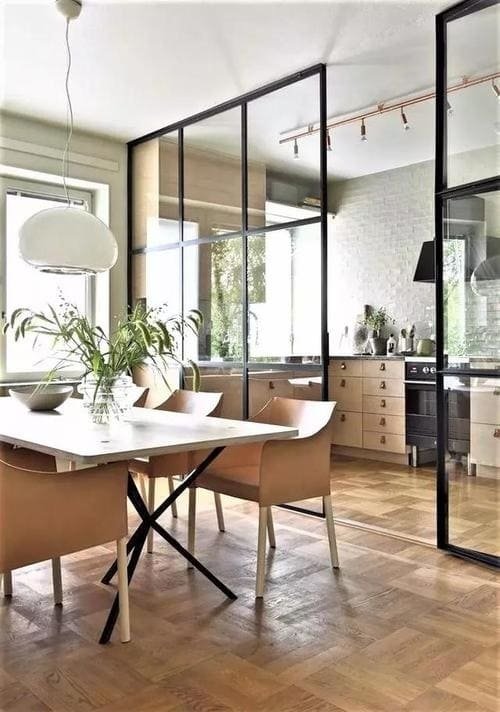
Getting the kitchen door right is more than just picking a color. It’s about creating a space that feels cohesive and works for the people using it every day. As someone who has manufactured door components for years, I’ve seen how small details can make a huge difference. The right design choices are what separate a good kitchen from a great one. Let’s dig into how you can make the best decisions for your project.
How to choose a kitchen door style?
With so many door styles available, making a choice is hard. You worry about picking something that will look dated in a few years. Let’s simplify it by looking at the classics.
To choose a kitchen door style, first consider the overall theme. Shaker styles are very versatile, flat-panel doors feel modern, and raised-panel doors are traditional. Match the door style to your desired look and practical needs to ensure it fits the space perfectly.
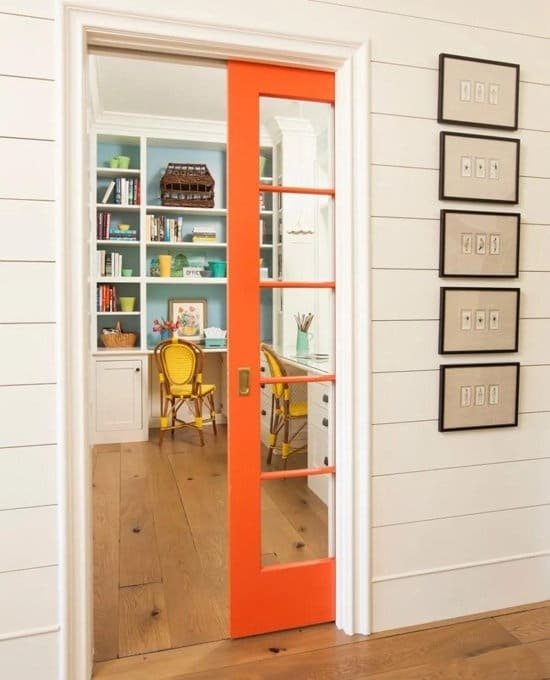
When my clients, who are often purchasing managers for large projects, ask for advice, I tell them to focus on the overall vision first. The door style sets the tone for the entire room. Trying to decide can be confusing, so breaking it down into major categories really helps.
Core Cabinet Door Styles
The style you choose should reflect the home’s architecture and the client’s personal taste. Here are the most common ones I see:
- Shaker1: This is the most popular style for a reason. It’s simple, with a flat center panel and a four-piece frame. It works in both modern and traditional kitchens.
- Flat-Panel2: Also known as slab doors, these are solid, flat doors with no panels or ornamentation. They create a clean, minimalist look perfect for modern or contemporary spaces.
- Raised-Panel: These doors have a raised center panel, which adds depth and a more traditional, formal look. They are often found in classic or country-style kitchens.
Matching Styles with Materials
The material also plays a huge role in the final look. For a purchasing agent like Jacky in Canada, balancing cost and quality is key.
| Style | Best For | Popular Material Choices |
|---|---|---|
| Shaker1 | Transitional, Farmhouse | Solid Wood, MDF, Wood Veneer |
| Flat-Panel2 | Modern, Minimalist | Laminate, High-Gloss Finish, MDF |
| Raised-Panel | Traditional, Formal | Solid Wood (like Cherry or Maple) |
| Glass-Front | Displaying Items, Open Feel | Wood or MDF Frame with Glass Insert |
From my factory’s perspective, the choice of material directly impacts the hardware required. Heavier solid wood doors need robust hinges, while large pantry doors might benefit from our heavy-duty sliding systems.
How to design a kitchen step by step?
Starting a kitchen design from scratch is a big project. If you miss one crucial step, you could face expensive mistakes and delays later. Follow this simple guide for a smooth process.
To design a kitchen, first define the layout and workflow, like the classic work triangle. Next, select your cabinet door style and materials. After that, choose countertops and appliances. Finally, add finishing touches like lighting and hardware.
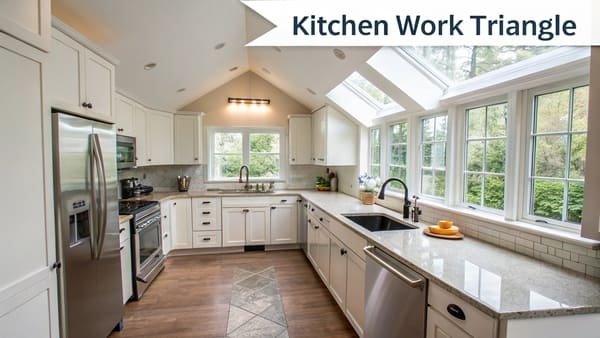
Over the years, I have worked with countless contractors and furniture factories. The most successful projects always follow a clear, logical process. Rushing into decisions without a plan is where problems begin. A methodical approach ensures nothing is overlooked and the final result is exactly what you envisioned.
A Practical Design FPlan
Here’s a breakdown of the process I recommend to all my B2B partners.
Step 1: Layout and Functionality
Before anything else, map out the space. Think about the kitchen work triangle3—the path between the sink, refrigerator, and stove. This path should be clear and efficient. Consider common layouts like the L-shape, U-shape, galley, or one-wall kitchen, and decide which one best fits the room and the user’s needs.
Step 2: Cabinet and Door Selection
Once the layout is set, choose your cabinets and doors. This is the main visual element of the kitchen. Refer back to the styles we discussed—Shaker, flat-panel, etc.—and choose one that matches your overall design. This is also when you decide on the cabinet configuration: drawers, cupboards, or pantries.
Step 3: Hardware, Hardware, Hardware!
This is my area of expertise. The hardware is what makes the kitchen function. You need to select hinges, drawer slides, and handles. High-quality hardware is a non-negotiable investment. Smooth, soft-close hinges and full-extension drawer slides from a reliable factory like ours make a world of difference in daily use. A door that looks great but sags on a cheap hinge isn’t a success. This is where a detail-oriented purchasing manager adds real value.
How to make kitchen doors look better?
Your kitchen doors might look dull or old-fashioned. A full replacement seems expensive and time-consuming. But you can discover simple ways to refresh your kitchen doors without a huge budget.
You can easily make kitchen doors look better by giving them a fresh coat of paint and replacing the hardware. For a more significant update, consider adding decorative molding or swapping some solid doors for glass-front ones.
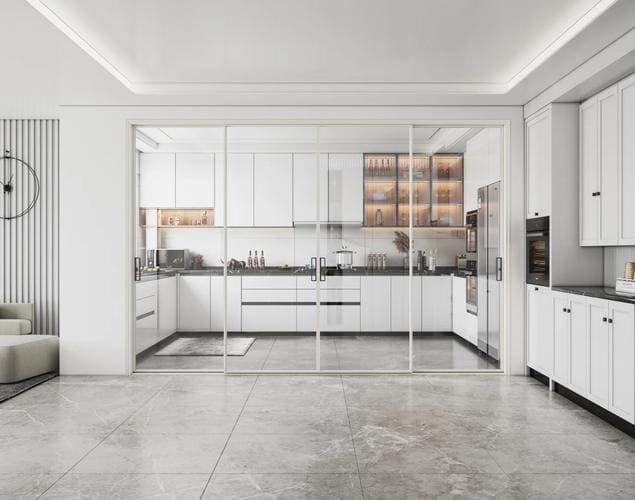
A complete kitchen renovation isn’t always necessary or possible. I’ve seen many clients achieve a stunning transformation with a few smart updates. As a hardware manufacturer, I know that changing something as small as the handles can have a huge impact on the overall feel of the room. It’s about being smart with your resources to get the best possible result.
Smart Upgrades for Any Budget
Here are some effective ways to give kitchen doors4 a facelift, from simple fixes to more involved changes.
Quick Wins: Paint and Hardware
The fastest way to transform a kitchen is with paint. A new color can completely change the mood of the space. While you’re at it, replace the old knobs and pulls. This is a simple, low-cost change with a high impact. We offer hardware in many finishes—matte black, brushed nickel, brass—so you can find the perfect match for your new color scheme. For my wholesale clients, we can even provide hardware with a custom LOGO to maintain brand consistency across their projects.
Mid-Level Updates: Refacing and Molding
If the doors are in good shape, you can reface them. This involves applying a new veneer to the door surface. It gives the look of a brand-new door at a fraction of the cost. Another great option is adding molding to flat-panel doors to create a shaker-style or a more traditional look. It adds depth and character instantly.
Functional Upgrades
Think beyond looks. Could a cabinet be more useful with a pull-out pantry system5? Could soft-close hinges prevent slamming? Upgrading the internal hardware improves the user experience. This is especially important for builders and contractors, as these quality-of-life features are major selling points for homeowners.
Is there an app to design a kitchen layout?
It can be hard to picture what your new kitchen will look like. You might worry that your ideas won’t fit or look good in the real space. Luckily, you can use design apps to help.
Yes, there are many apps to design a kitchen layout. Popular and user-friendly options include IKEA Kitchen Planner, SketchUp, HomeByMe, and Planner 5D. These tools help you create and visualize your kitchen in 2D and 3D before committing.

Technology has changed how we approach design. When I started in this business, everything was done with paper and pencils. Now, my B2B clients can create a detailed 3D model of a project and send it directly to my factory. This has been a game-changer for accuracy and efficiency, especially for international buyers like Jacky. It helps everyone get on the same page.
Using Technology to Your Advantage
These apps are powerful tools for everyone from homeowners to professional buyers. They help bridge the gap between an idea and a finished product.
For Simple, Fast Planning
Tools like the IKEA Kitchen Planner6 are perfect for beginners. They are intuitive and let you drag and drop cabinets, appliances, and other elements into a virtual room. You can quickly see how different layouts work in your space and get a rough idea of the final look.
For Detailed, Professional Designs
For more complex projects, software like SketchUp7 or HomeByMe offers greater flexibility. You can create custom cabinet sizes, experiment with different materials and colors, and produce highly detailed 3D renderings.
For a purchasing professional, these apps are invaluable. They can design an entire kitchen or cabinet system and generate a precise list of hardware requirements—how many hinges of a certain type, the exact lengths of drawer slides needed, or the specifications for a wardrobe sliding wheel system. This detailed plan can be sent to me, at opensliding.com, ensuring a perfectly accurate order. It minimizes errors, saves time, and helps control costs.
Conclusion
Ultimately, a great kitchen door design blends style, function, and quality parts. Planning carefully ensures a beautiful result that will last for years, making any project a true success.
Explore the benefits of Shaker cabinet doors to understand why they are the most popular choice for various kitchen styles. ↩ ↩
Discover how Flat-Panel cabinet doors can create a sleek, minimalist aesthetic in modern kitchens. ↩ ↩
Understanding the kitchen work triangle is crucial for creating an efficient kitchen layout that enhances functionality and workflow. ↩
Explore this link to discover innovative ideas and tips for upgrading kitchen doors that fit any budget. ↩
Learn about the benefits of a pull-out pantry system and how it can enhance your kitchen’s efficiency and organization. ↩
Explore the IKEA Kitchen Planner to see how it can simplify your kitchen design process with its user-friendly interface. ↩
Discover how SketchUp can elevate your design projects with its advanced features and flexibility for detailed 3D modeling. ↩