
Choosing the wrong doors can disrupt your entire home’s aesthetic. This leaves you with a mismatched and cheap-feeling space. My guide simplifies the process, ensuring you pick the perfect door.
To select doors for home decoration, you must balance four key factors: the door’s function, its material, its style, and its hardware. Considering how these elements work together ensures a cohesive design and reliable, long-lasting performance for every room in the house or building project.
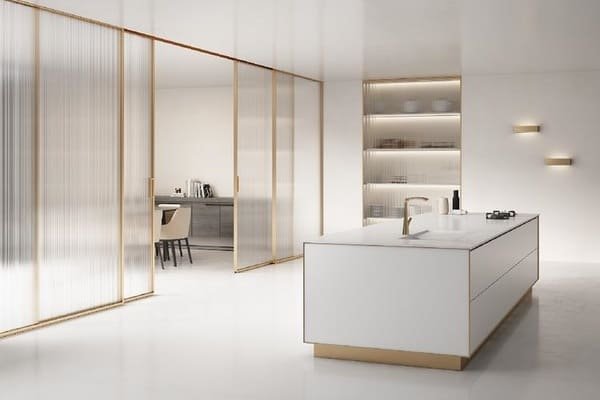
Choosing a door seems simple on the surface. But as someone who has manufactured door hardware for years, I can tell you it’s a decision with a big impact. The right door enhances a room, while the wrong one can cause daily frustration. This choice affects everything from the room’s light and sound to how you use the space. It’s a detail that your customers will notice every single day. Let’s dig deeper into how to make the right choice every time, so you can source products that truly satisfy your clients.
How to select interior doors?
Interior doors are often treated as an afterthought in a project. This leads to inconsistent styles and poor functionality from room to room. Let’s break down how to choose them correctly.
To select interior doors, first assess the room’s specific function. Choose materials like solid core for bedrooms where sound is a concern, or hollow core for closets. Then, match the door style and hardware to the home’s overall design for a complete look.
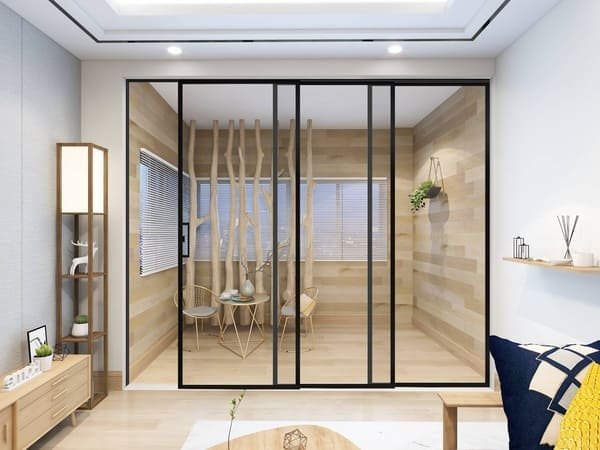
When helping a client or planning a project, the details of interior doors make a huge difference. You are not just picking a slab of wood; you are choosing a key functional component of a room. I always tell my partners, like Jacky, a purchaser I work with in Canada, to think beyond the price tag and consider long-term value.
Material Matters Most
The core of the door determines its weight, sound insulation, and durability.
- Solid Core Doors1: These are filled with a wood composite material. They feel heavy and substantial, offering excellent sound reduction. This makes them perfect for bedrooms, bathrooms, and home offices where privacy is important. They require strong hinges to support their weight.
- Hollow Core Doors: These are lighter and more budget-friendly. They are best for closets, pantries, or other low-traffic areas where soundproofing is not a priority.
- Solid Wood Doors2: These offer a premium, classic look and feel. However, they are the most expensive option and can be susceptible to warping with changes in humidity.
Style and Finish
The door’s look should complement the space. A modern home might use simple, flush doors with clean lines, while a traditional home would benefit from classic paneled doors. You can buy doors primed and ready for paint, which offers customization, or pre-finished to save on labor time.
| Door Type | Cost | Soundproofing | Durability | Best For |
|---|---|---|---|---|
| Hollow Core | Low | Poor | Fair | Closets, Pantries |
| Solid Core | Medium | Good | Good | Bedrooms, Bathrooms, Offices |
| Solid Wood | High | Excellent | Excellent | Main entrances, High-end interiors |
How do I choose a main door design?
The main door is the first thing people see. A poor choice can ruin a property’s first impression and even put security at risk. Here’s how you can select a winning design.
Choose a main door design by focusing on three things: curb appeal, security, and weather resistance. The style must match the building’s architecture. Materials like steel and fiberglass provide top security, while solid wood offers a classic, welcoming appearance.
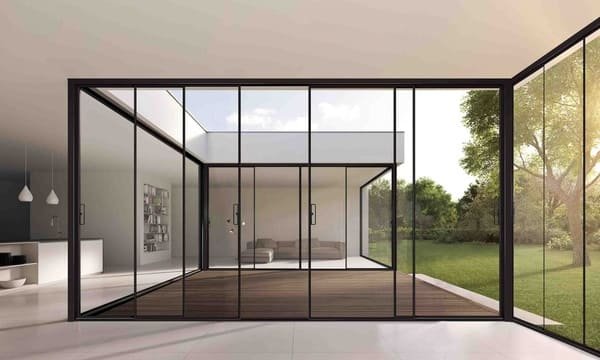
Your front door is a statement. It’s the handshake of the building. In my business, we don’t just make the rollers and hinges; we think about the entire system. A beautiful door is worthless if it’s not secure or if it warps after one season. When advising your clients, stress that the main entrance is an investment in both style and safety.
Security is Non-Negotiable
A main door’s primary job is to protect.
- Material Strength: Steel doors offer superior security and are difficult to force open. Fiberglass3 is also very strong and resistant to denting. Solid wood doors are secure, but the quality of the wood and construction is critical.
- The Lock System: A single, basic lock is not enough. I always recommend multi-point locking systems4 that secure the door to the frame at several points. This makes a huge difference.
- Frame and Hinges: A strong door needs a strong frame and heavy-duty hinges. If these components are weak, the door’s strength doesn’t matter. This is why sourcing quality hardware is just as vital as sourcing the door itself.
Material and Weather Resistance
The front door faces the elements every day.
- Steel: Very durable and won’t warp or crack. It offers great insulation, especially with a thermal break. It can be dented, however.
- Fiberglass3: An excellent all-around choice. It resists dents, scratches, and warping. It can be made with a realistic wood grain texture but requires almost no maintenance.
- Wood: Unmatched in beauty and classic appeal. However, it requires regular maintenance like painting or staining to protect it from sun and moisture.
How do I choose the right interior door?
You have decided on a style, but the door just doesn’t work in the space. Doors that swing the wrong way create awkward, unusable areas. Let’s focus on pure function.
To choose the right interior door, analyze the room’s layout. For tight spaces, consider space-saving doors like sliding or folding options. Then, think about practical needs like soundproofing for an office or a clear swing path in a busy hallway.

This is where my expertise as a hardware manufacturer really comes into play. The way a door moves is defined by its hardware system. A standard swinging door is not always the best solution. Many of my clients, who are furniture makers or construction contractors, are looking for smart ways to maximize space for their customers. The right door type can completely transform a room’s usability.
Beyond the Standard Swing Door
Think about how the door will operate in the room.
- Sliding & Barn Doors5: These are fantastic for saving floor space. They slide along a track parallel to the wall. They are perfect for closets, pantries, or separating two rooms like a living room and dining area. Our Partition Room Sliding Door Roller Systems are designed for exactly this purpose.
- Folding Doors: Often called bi-fold doors, these are great for wider closets or laundry areas. They fold in on themselves, giving you broad access without a wide door swing.
- Pocket Doors6: These are the ultimate space-savers, disappearing completely into a cavity in the wall. They require more complex installation but offer a very clean, minimal look.
Functional Decisions
Once you know the type, consider its daily use.
- Swing Direction: Should the door swing into the room or out into the hallway? Consider foot traffic and furniture placement. A door should never block a primary walkway.
- Soundproofing: We talked about solid core doors, but here you apply it. A home office next to a noisy living room functionally needs a solid core door.
- Hardware Choice: The door mechanism you choose will dictate the hardware. A heavy sliding door needs a robust Wardrobe Sliding Wheels System, not a flimsy one. The right hardware ensures smooth, quiet operation for years.
How do I select a door?
With so much information, it is easy to feel overwhelmed. You might forget a key detail that impacts the final project. Here is a simple checklist to use for every selection.
To select a door, first define its location and purpose. Next, choose the material and style that fit the aestehtic and functional needs. Finally, and most importantly, select the correct hardware like hinges, rollers, and locks to ensure performance and longevity.

I’ve walked through hundreds of factories and discussed thousands of project plans. It always comes down to getting the basics right. The most common mistake I see is a mismatch between the door slab and its hardware. A beautiful, heavy oak door will fail if it’s hung on cheap, undersized hinges. As a buyer, your job is to source a complete, functional system for your customers.
The Hardware is Half the Battle
You cannot separate the door from its hardware.
- Weight and Motion: This is the most important link. A heavy solid core door needs heavy-duty hinges7. A large barn door needs a high-quality lifting wheel system that can handle the load without sagging. Our heavy lifting wheels are designed for this exact challenge.
- Functionality: Do you need a soft-close feature8? Many of our modern systems, like the wooden door slow lifting wheel, include this. It adds a touch of quality and prevents slamming.
- Longevity: High-quality hardware is made from better materials. It resists rust, operates smoothly, and won’t need to be replaced in a few years. It protects your reputation and your client’s investment.
A Final Checklist for Buyers
Use this simple table to guide your purchasing decisions.
| Checklist Item | Question to Ask | Examples |
|---|---|---|
| 1. Location | Is this an exterior or interior door? | Main Entrance, Bedroom, Closet, Patio |
| 2. Function | What is its main job? Privacy, passage, space-saving? | Privacy door, pass-through, room divider |
| 3. Material | What level of durability, soundproofing, and budget9 is required? | Solid Core, Hollow Core, Steel, Fiberglass, Solid Wood |
| 4. Style | What look matches the building’s design? | Flush, Paneled, Modern, Traditional, Rustic |
| 5. Hardware | What system will make the door work best? | Hinges, Sliding Track, Lifting Wheels, Locks, Soft-Close System |
| 6. Budget | What is the total cost for the door slab AND the required hardware? | Cost per unit, bulk pricing, long-term value vs. upfront cost |
Conclusion
Selecting the right doors balances style, function, and quality hardware. Follow these steps to ensure every door in your project adds lasting value and performs perfectly for years to come.
Explore the advantages of Solid Core Doors for sound insulation and durability, perfect for enhancing privacy in your home. ↩
Discover why Solid Wood Doors are a premium choice for aesthetics and durability, adding value to your home. ↩
Discover why fiberglass doors are a top choice for durability and low maintenance, making them ideal for any home. ↩ ↩
Explore this link to understand how multi-point locking systems enhance door security and provide peace of mind. ↩
Explore this link to discover how Sliding & Barn Doors can enhance your space while saving floor area. ↩
Learn about Pocket Doors and their advantages in maximizing space and providing a sleek look in your home. ↩
Explore this link to understand the importance of heavy-duty hinges for supporting heavy doors. ↩
Learn about the benefits of soft-close features and how they enhance door functionality. ↩
This resource will guide you in selecting the right door materials that meet your needs. ↩