
Inconsistent roller quality can ruin projects, leading to customer complaints and costly callbacks. The solution is controlling the manufacturing process from start to finish, which is why we handle it ourselves.
In-house manufacturing provides total control over materials, processes, and quality checks. This ensures every sliding door roller meets high standards. With outsourcing, that crucial control is lost, making quality unpredictable.
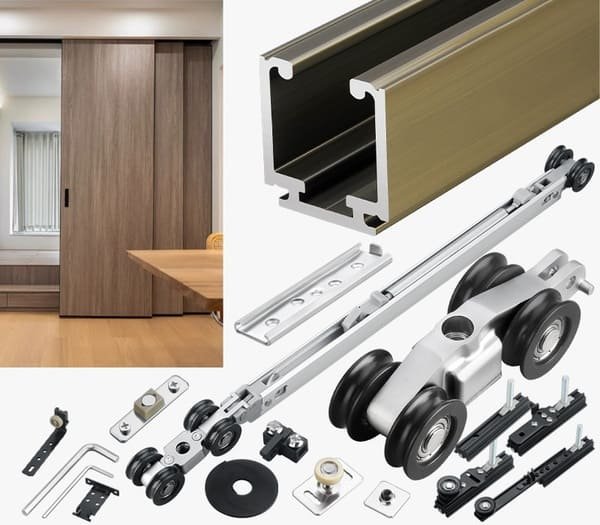
I’ve been in the hardware business for a long time, and I’ve seen it all. A beautiful, expensive sliding door system can be completely ruined by a cheap, poorly made roller. The door sticks, it wobbles, or it fails after just a few months. The customer is unhappy, and your reputation takes a hit. The problem almost always comes back to one thing: a lack of control over how that small, but critical, component was made.
But what does ‘control’ really mean when making a simple roller? It’s more than just a buzzword. It’s the most important factor for your business’s success. Let’s break down why having full control over production is the only way to guarantee the quality your customers expect.
Why Does Manufacturing Control Matter for Roller Quality?
You source rollers, but the quality varies from batch to batch. This uncertainty is risky and can damage your brand’s reputation. Understanding manufacturing control helps you choose a truly reliable supplier.
Control matters because it directly impacts consistency. From the raw materials used to the final assembly, every single step influences the roller’s performance and lifespan. Without control, you are gambling on quality.
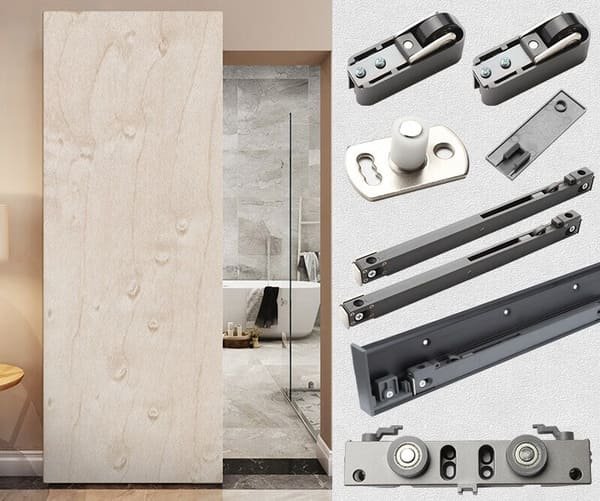
When we talk about control, we are talking about the ability to manage every single variable in the production process. I once worked with a client in Canada who had a big problem. Their previous supplier’s rollers were cracking in the cold winter months. The problem was traced back to a slight change in the plastic compound used by the outsourced factory to save a few cents. No one caught it until the complaints rolled in. This is a perfect example of what happens when control is lost. At my factory, we manage every detail to prevent this.
Material Integrity1
The foundation of a good roller is the material it’s made from. We have strict specifications for the steel in our bearings, the polymers in our wheels, and the aluminum in our tracks. We test every batch of raw materials that comes into our factory. An outsourced factory might switch to a cheaper material to increase their profit margin, and you wouldn’t know until it’s too late.
Process Consistency2
Every step, from molding the wheel to pressing the bearing and final assembly, is done on our calibrated machines. Our workers are trained on our specific processes. This guarantees that the 10,000th roller is identical to the first. Outsourcing often means your product is just one of many being run, sometimes on different machines with different operators, leading to inconsistencies.
Is In-House Manufacturing the Key to Precision, Innovation, and Trust?
Finding a supplier who truly understands your project’s unique needs can be difficult. Standard, off-the-shelf parts might not be good enough for your designs. In-house manufacturing delivers custom solutions and precision.
Yes, in-house manufacturing means we oversee every detail from start to finish. This allows for precise engineering, quick adoption of new innovations, and builds a strong foundation of trust with our partners.
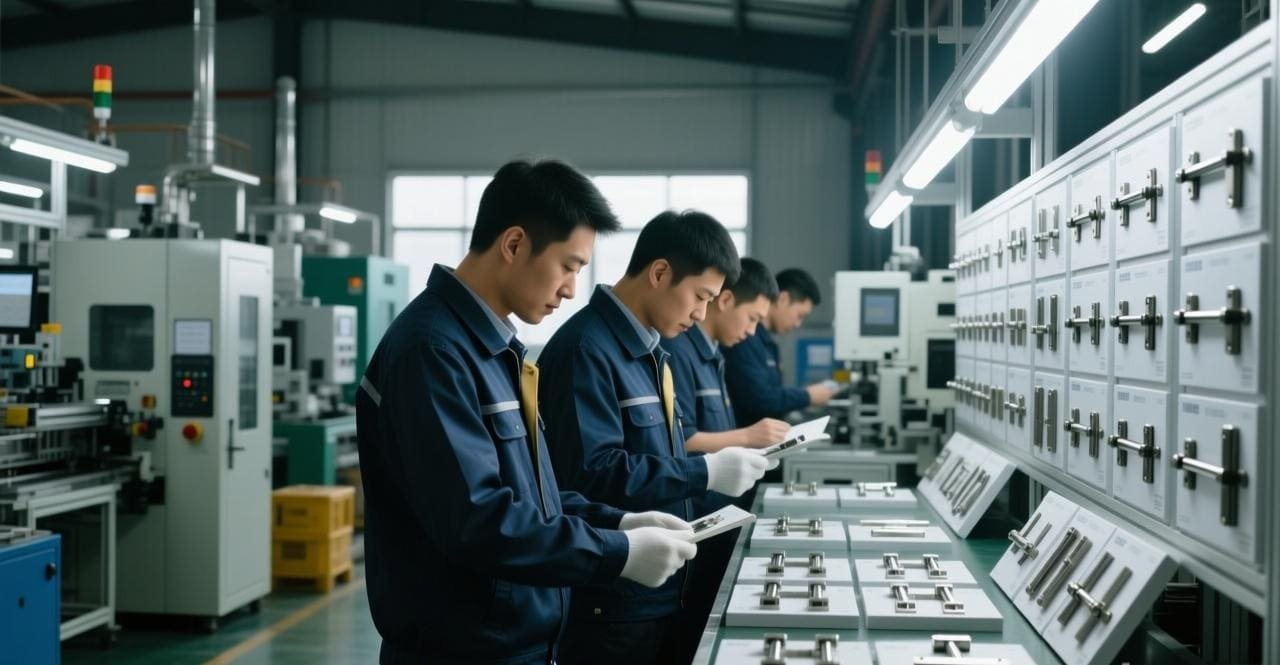
Having our entire operation under one roof gives us, and you, a huge advantage. It’s about more than just making a part; it’s about partnership. I remember a furniture designer came to us needing a very specific roller for a new wardrobe system. It had to be silent and support an unusual weight. Because we control our own design, tooling, and production, we were able to create a prototype for him in under two weeks. He tested it, we made a small adjustment, and it was perfect. That kind of speed and collaboration is impossible when you’re working through middlemen or with a factory that doesn’t control its own R&D.
Engineering to Exact Specifications
When you need a roller with a specific load rating3, a unique size, or a certain type of soft-close mechanism, we can deliver. Our engineers work directly with our production team to ensure your exact specifications are met. There is no "close enough."
| Feature | In-House Control | Outsourced Risk |
|---|---|---|
| Tolerance | Maintained to +/- 0.1mm | Varies batch to batch |
| Customization | Fast and integrated | Slow and costly |
| Communication | Direct with engineers | Filtered through sales |
Rapid Prototyping4 and Innovation
We are constantly testing new materials and designs to make our rollers quieter, smoother, and more durable. Having our own R&D and production lines means we can turn a new idea into a physical product very quickly. This allows our clients to stay ahead of the competition.
What Are the Risks and Limitations of Outsourced Manufacturing?
You find a supplier with a low price, but you’re worried about hidden problems. Outsourcing often means sacrificing control for cost, leading to potential issues with quality, communication, and accountability down the line.
Outsourcing introduces significant risks. You lose direct oversight of quality control, face communication barriers, and have little recourse when things go wrong. These limitations can lead to project delays and damaged client relationships.
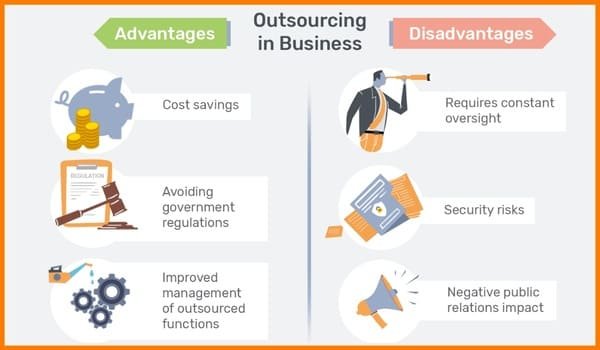
The biggest illusion in sourcing is that a lower price equals a better deal. I’ve seen many businesses get burned by this. They choose an outsourced supplier to save money, but they end up paying more in the long run. They face shipping delays because their order isn’t a priority. They receive a batch of rollers that don’t meet spec, and the supplier refuses to take responsibility. Or, worst of all, their unique design is copied and sold to their competitors. The outsourced factory’s main loyalty is to its own bottom line, not to your brand. When you can’t walk onto the factory floor and see your products being made, you are always at a disadvantage.
Loss of Quality Control
When you outsource, you are relying on someone else’s quality standards. You have no way to verify if they are actually performing the checks they promise. A common issue is "quality fade5," where the first batch is perfect, but the quality slowly declines over subsequent orders as the factory cuts corners to improve its margins.
Communication and Accountability Gaps
Trying to solve a technical problem with an outsourced factory can be incredibly frustrating. You’re often dealing with a salesperson who has to relay messages to an engineer, who then talks to the production manager. Information gets lost, and fixes are slow. If there’s a major quality issue, it becomes a blame game. With in-house manufacturing, accountability is clear. The buck stops with us.
How Does Controlling Production Directly Guarantee Roller Quality?
You need to guarantee your clients a flawless product every time. The only way to do that is by managing every step of the process. That’s why controlling production is not optional.
Controlling production guarantees quality because we are accountable for every stage. From sourcing certified raw materials to final inspection, our name is on the line. This direct oversight eliminates guesswork and ensures excellence.
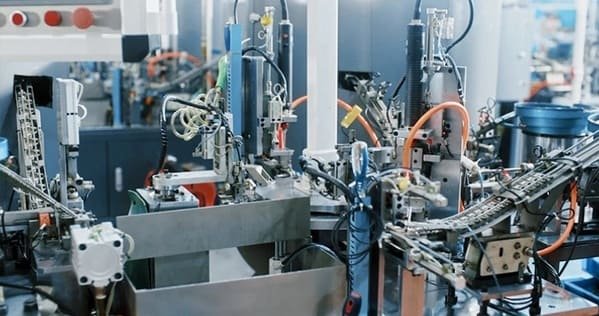
Ultimately, it comes down to a simple promise. When we ship a box of opensliding rollers to you, I know exactly what’s inside. I know the grade of steel used in the bearings. I know the exact polymer blend in the wheel, tested for durability and temperature resistance. I know that each roller was assembled on a calibrated machine and inspected by a member of my team. This isn’t just business; it’s a matter of pride in our work. This complete ownership of the process is the only way to move beyond just "making" a product to truly "crafting" one. It’s how we build long-term partnerships with clients like you, who value reliability as much as we do.
A Fully Integrated System
Our process is a closed loop.
- Design & Engineering: Our in-house team designs rollers for performance and durability.
- Tooling & Molding: We create our own molds, giving us control over the precision of every component.
- Material Sourcing & Testing6: We only use certified materials from trusted suppliers, and we test them upon arrival.
- Automated Assembly: Our production lines are optimized for consistency and efficiency.
- Multi-Point Quality Inspection: Products are inspected at several stages, with a final check before packaging.
This integrated system means we can spot and fix any potential issue immediately, long before it becomes a problem for you or your customer. It is the foundation of our quality guarantee.
Conclusion
In-house manufacturing provides the control necessary for superior roller quality. This control ensures consistency, enables innovation, and builds the trust required for a successful partnership in today’s competitive market.
Understanding material integrity is crucial for ensuring product quality and longevity, making this resource invaluable for manufacturers. ↩
Exploring process consistency can reveal best practices that enhance product reliability and customer satisfaction. ↩
Understanding load ratings is crucial for selecting the right roller for your needs, ensuring safety and performance. ↩
Exploring Rapid Prototyping can reveal how it accelerates innovation and reduces time to market for new products. ↩
Understanding quality fade is crucial for managing outsourcing risks effectively and ensuring consistent product quality. ↩
Exploring this resource will provide insights into effective material sourcing and testing strategies, ensuring quality in production. ↩