
Your beautiful sliding glass door is sticking. This isn’t just annoying; it signals bigger problems that could damage the door or frame, leading to costly repairs and unhappy clients.
Key signs you need professional repair include difficulty sliding the door, loud grinding noises, visible roller or track damage, and drafts or water leaks. These issues often mean the rollers or track are worn out or misaligned, requiring an expert to fix them correctly and ensure longevity.

As a manufacturer of sliding door systems, I’ve seen firsthand how these elegant additions can transform a space. They are designed to be hassle-free and stylish. But even the highest quality door needs proper care to keep it working smoothly. Overlooking simple maintenance can lead to bigger headaches, like needing to replace the rollers or even the whole track system. Let’s look deeper into the specific signs that tell you it’s time to call an expert, or better yet, to ensure you’re sourcing the best components from the very beginning.
What are the Signs That Your Sliding Glass Doors May Not Be Working Properly?
You notice a small issue with a sliding door, but you ignore it. Small problems can quickly become big, expensive repairs, causing operational downtime and hurting your brand’s reputation.
Common signs include the door sticking, jumping off the track, making grinding or scraping noises, and having visible gaps when closed. These symptoms usually point to failing rollers, a damaged track, or poor alignment, all of which demand immediate attention to prevent further damage.
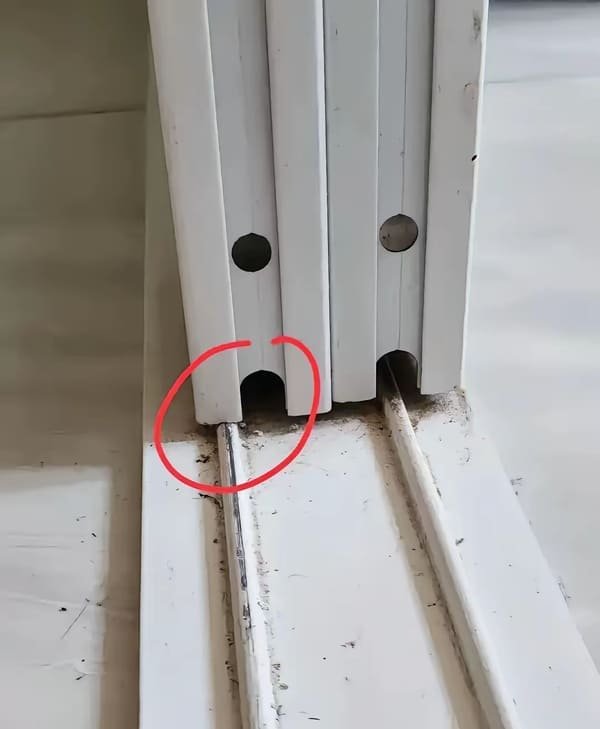
At my factory, we analyze these failure points constantly to improve our products. The problems you see in the field are direct feedback on the quality of the components. Understanding the root cause is critical for any professional in the construction or furniture industry. It helps you select better hardware and advise your clients more effectively. A door that fails prematurely reflects poorly on the installer, the builder, and the component manufacturer.
Physical Resistance and Noise
The first and most common sign of trouble is when the door becomes hard to move. This increased friction often comes with grinding or scraping sounds1. This almost always points to the rollers. They might be clogged with dirt and debris, or they could be worn out or broken from years of use. Quality rollers are designed for silent, smooth operation. When you hear noise, it’s the system telling you it’s under stress.
Alignment and Sealing Problems
Another serious sign is a door that wobbles or jumps off its track. This is a safety hazard and also compromises the seal of the door. You might see gaps between the door and the frame, leading to drafts, water leaks, and poor energy efficiency. This often means the rollers are completely shot or the track itself is bent or damaged.
Here is a simple table to help diagnose the issue:
| Symptom | Probable Cause | Recommended Action |
|---|---|---|
| Sticking / Hard to Slide | Dirty track, worn-out rollers | Clean the track, inspect rollers for replacement. |
| Grinding or Scraping Noise | Debris in track, damaged roller bearings | Thoroughly clean track, replace damaged rollers. |
| Door Jumps Track | Severely worn or broken rollers, bent track | Professional inspection; replace components. |
| Visible Gaps or Drafts | Door misalignment, worn weather stripping | Realign the door on its track, replace seals. |
What are some Essential Maintenance Tips For Sliding Glass Doors?
You might think sliding doors are an "install and forget" feature. But this thinking leads to premature hardware failure, frustrating end-users and damaging your reputation for delivering quality products.
Simple maintenance can double the life of a sliding door system. Regularly clean the tracks to remove dirt and debris. Also, lubricate the rollers and track with a silicone-based spray. Finally, periodically check that all screws and fittings are tight to prevent misalignment.

Proactive maintenance is the best way to prevent the need for repairs. As a hardware supplier, we always advise our partners—door factories, contractors, and distributors—to pass these tips on to their end-users. A well-maintained door with high-quality components will perform flawlessly for years, enhancing customer satisfaction and reinforcing your brand’s commitment to quality. It’s a simple step that protects everyone’s investment. It also reduces warranty claims and service calls, which directly impacts your bottom line.
The Foundation: Cleaning
The most important maintenance task is keeping the tracks clean. Dirt, dust, pet hair, and other debris build up in the track over time. This creates friction, making the door harder to slide and putting extra strain on the rollers. The best practice is to vacuum the track regularly and then wipe it down with a damp cloth. This simple act alone can solve many common sliding issues. For a purchasing manager like Jacky, specifying hardware systems with easy-to-clean track designs can be a small but significant value-add.
The Key to Smoothness: Lubrication
After cleaning, the next step is lubrication. This is crucial for smooth operation. You should use a silicone-based lubricant2, as oil-based products can attract more dirt and gum up the works. Spray the lubricant lightly onto the track and directly onto the rollers if you can access them. Then, slide the door back and forth a few times to distribute the lubricant evenly. This reduces friction, prevents wear and tear, and keeps the door gliding effortlessly.
| Maintenance Task | Frequency | Tools Needed | Why It’s Important |
|---|---|---|---|
| Clean Tracks | Monthly | Vacuum, brush, cloth | Prevents debris from damaging rollers and track. |
| Lubricate Rollers/Track | Every 3-6 months | Silicone-based spray | Ensures smooth, quiet operation and reduces wear. |
| Check Screws/Hardware | Annually | Screwdriver/Wrenches | Prevents misalignment from loose components. |
| Inspect Weather Stripping | Annually | Visual inspection | Maintains seal for energy efficiency and water-proofing. |
Why is a Well-Designed Sliding Door System So Important?
You find a cheaper hardware option that seems to do the job. But soon, you’re dealing with customer complaints about sticking doors, noisy rollers, and misalignments, hurting your business’s reputation.
A well-designed system, built with high-quality materials, is the foundation of a reliable sliding door. It ensures smooth and silent operation, enhances safety, improves energy efficiency, and lasts for years. Investing in quality hardware from the start prevents costly repairs and protects your brand.
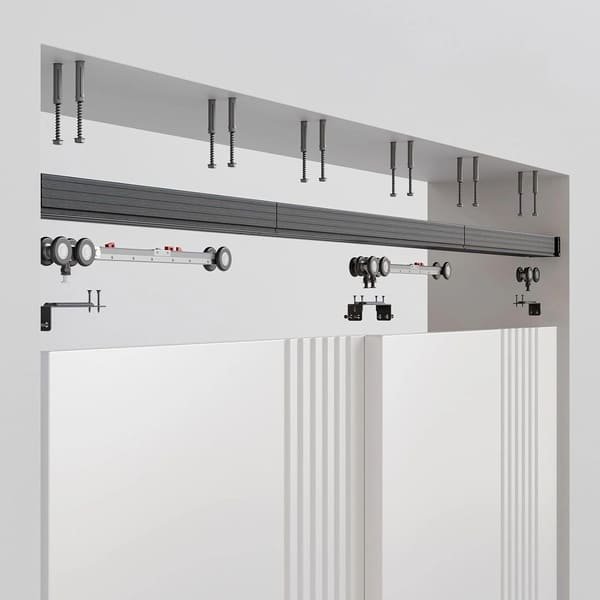
In my experience running a factory that produces these components, the difference between a premium system and a budget one is night and day. It’s not just about how the door feels on day one; it’s about how it performs after 10,000 cycles. For my B2B clients, choosing the right hardware is a strategic decision. It directly impacts their product’s perceived value, customer satisfaction, and the number of post-sale service calls they have to handle. Quality hardware isn’t an expense; it’s an investment in your brand’s promise.
The Role of Materials and Engineering
The heart of any sliding system is its rollers and track. The choice of materials here is critical. For example, our heavy-duty rollers often use high-grade steel bearings3 and durable nylon or polymer wheels. This combination is engineered to handle significant weight while providing a smooth glide. The track must be made from high-strength, corrosion-resistant aluminum4 that won’t bend or warp. Precision engineering ensures that the roller fits perfectly in the track, minimizing wobble and reducing wear. This is where a dedicated factory like ours, opensliding, makes a difference.
Long-Term Value vs. Short-Term Cost
It can be tempting for purchasing managers to select the lowest-priced option. However, this often leads to higher long-term costs. Low-quality hardware fails faster, leading to the very problems we’ve discussed. This results in unhappy customers, warranty claims, and repair costs that quickly erase any initial savings. A well-made system from a reliable manufacturer might have a higher upfront cost, but its durability and performance provide far greater value over the product’s lifetime. It builds trust and reinforces your reputation as a provider of quality doors and furniture.
Conclusion
Recognizing signs of wear and performing regular maintenance are key. But starting with a high-quality, well-designed sliding door system is the best way to ensure long-term performance and customer satisfaction.
Understanding the causes of these sounds can help you address door issues effectively and maintain a quiet home. ↩
Discover why silicone-based lubricants are essential for maintaining smooth operation and preventing dirt buildup in sliding door systems. ↩
Explore this link to understand how high-grade steel bearings enhance durability and performance in sliding systems. ↩
Discover why corrosion-resistant aluminum is essential for longevity and reliability in sliding track systems. ↩