
Tired of traditional doors that waste space? A swinging door can ruin a room’s layout, but you need a solution that is both practical and stylish for your project.
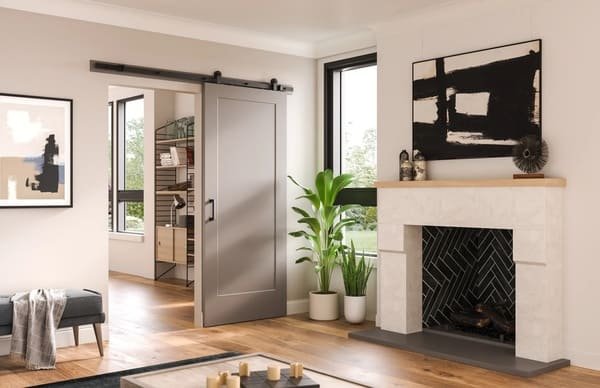
A barn door is a type of sliding door known for its rustic design and exposed, surface-mounted hardware. It consists of a door panel that slides along an overhead track, saving floor space and adding a distinctive visual element to a room.
When I talk to clients like Jacky, an experienced buyer from Canada, we often discuss how a single design choice can transform a space. Barn doors are a perfect example. They are more than just a way to close an opening; they are a statement piece. But to really understand their value, you need to look beyond the surface and get into the specifics of what makes them unique, what benefits they offer, and what potential issues you need to consider before you specify them for a project. I want to walk you through everything you need to know.
How do you describe a barn door?
Trying to explain a barn door can be tough. You might just say "a sliding door," but that misses the key details that make it so popular with designers and contractors.
A barn door is best described as a door system where the panel hangs from rollers that move along a track mounted above the doorway. Its defining features are the exposed hardware and its space-saving sliding motion, parallel to the wall.

When I break it down for a buyer, I focus on the two main components: the panel and the hardware. This is where the customization and quality really come into play. The panel itself can be anything from classic reclaimed wood to sleek glass or metal, completely changing the feel from rustic to ultra-modern. The hardware is not just functional; it’s a major part of the aesthetic. At my factory, we manufacture a wide range of hardware styles to match any design. Understanding these parts helps you describe exactly what you need for a project.
Here’s a simple breakdown:
| Component | Description | Common Variations |
|---|---|---|
| Door Panel | The visible door slab. | Reclaimed Wood, Z-Brace, X-Brace, Glass, Metal |
| Track/Rail | The bar mounted to the wall that the door slides on. | Flat Bar, Round Bar; Matte Black, Stainless Steel, Bronze |
| Hangers/Rollers | The wheels that connect the door to the track. | Spoked Wheel, J-Hook, Straight Strap |
| Stops | Placed at the ends of the track to prevent the door from sliding off. | Track-mounted, adjustable for opening width. |
| Floor Guide | A small piece on the floor to keep the door from swinging. | T-Guide, C-Guide, Wall-Mounted Roller Guide |
What are the general characteristics of doors?
You see doors every day, but you may not think about their basic traits. Ignoring these fundamentals can lead to picking the wrong door for a job, causing problems later on.
The general characteristics of any door include its material, its method of operation (like swinging or sliding), its core construction (solid or hollow), and its primary function, such as providing privacy, security, or insulation.
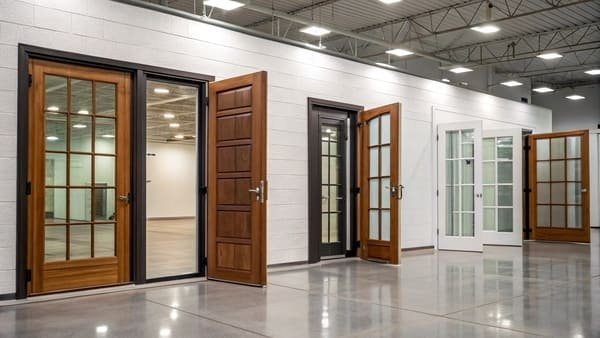
From my perspective as a hardware manufacturer, the most important characteristic is the operation, as it dictates the entire hardware system. A standard swinging door needs hinges, a frame, and a latch set. A barn door, on the other hand, needs a completely different set of components. This fundamental difference affects everything from installation cost to the final look and feel of the space. It’s why a purchasing professional like Jacky must be precise. Ordering hinges for a sliding door system just won’t work, and the choice impacts usability. For example, a swinging door provides a better seal for sound and drafts, while a sliding barn door is a champion at saving space. It’s all about choosing the right tool for the right job.
Let’s compare them directly:
| Characteristic | Standard Swinging Door | Sliding Barn Door |
|---|---|---|
| Operation | Swings on hinges in an arc. | Slides horizontally along a track. |
| Space Needed | Requires clear floor space for the swing arc. | Requires clear wall space for the door to slide over. |
| Installation | Fits inside a prepared door frame. | Mounts to the face of the wall, above the opening. |
| Sealing | Generally provides a tight seal against the frame. | Has a natural gap between the door and the wall. |
What are the benefits of barn doors?
You might love the look of a barn door but worry if it’s just a trend. Will it actually improve the space, or is it a choice you’ll regret in a few years?
The primary benefits of barn doors are significant space savings, a powerful aesthetic impact, and versatile installation. They eliminate the "swing arc" of traditional doors, making them ideal for tight spaces and open-plan living.

The most obvious benefit, and the one most of my B2B clients care about, is how they save space. In a small apartment, a hotel room, or a tight hallway, the floor area a regular door needs to swing open is valuable real estate. A barn door gives that space back. It’s also incredibly versatile. We’ve supplied hardware for projects that use barn doors to hide a laundry area, divide a large office, or even serve as a movable art piece in a loft. Because they don’t require a traditional frame, they are often easier to retrofit into an existing building, which is a big plus for contractors. They also create a fantastic focal point. The exposed track and rollers we produce at opensliding add an industrial or rustic character that a standard door simply cannot match.
What are common problems with barn doors?
You’re sold on the style of barn doors. But you have heard about potential problems with privacy and noise, and this makes you a little nervous before placing a large order.
The most common problems with barn doors are poor sound and light insulation due to the gap around the edges. They also require a large, clear section of wall for the door to slide onto when open.

As a manufacturer, I believe in being honest about a product’s limitations. It helps my clients make better decisions. Yes, barn doors have a few issues, but they can all be managed with the right planning and the right hardware.
Privacy and Sealing
The most frequent concern is the gap. Because the door hangs in front of the wall, there is a natural space of about half an inch between the door and the wall. This means light and sound can get through, making it less than ideal for a main bathroom or bedroom where total privacy is essential. However, we’ve developed solutions. We can supply our partners with high-quality brush strips or rubber seals1 that attach to the back of the door to close this gap significantly. We also offer various latching and locking hardware options specifically designed for barn doors to provide more security.
Wall Space Requirement
This is a simple logistical issue, but it’s the one people forget most often. You need a clear section of wall that is at least as wide as the door itself. You can’t have light switches, artwork, or outlets in the way. I always advise buyers to remind their installation teams to measure not just the doorway, but the adjacent wall space before ordering. Our kits come with detailed measurement guides to prevent this mistake.
Weight and Durability
A solid wood barn door can be very heavy. If you use cheap, low-quality hardware, you risk the door sagging, running rough on the track, or even failing completely. This is why investing in top-quality hardware2 is not optional—it’s essential for safety and long-term performance. Our heavy-duty systems at opensliding are engineered from high-grade steel and rigorously tested to support substantial weight, ensuring a smooth, quiet, and reliable slide for years.
Conclusion
Barn doors save space and add a unique design element. While they have potential privacy issues, choosing the right door and high-quality hardware ensures a beautiful and functional result for your project.