
Struggling to find a door solution that saves space and adds style? Traditional doors can be bulky and awkward, limiting your design and ruining a room’s flow.
New barn doors are defined by their sliding mechanism, which saves floor space. They often feature modern materials, sleeker hardware, and smart options like soft-close mechanisms. This blend of classic function and contemporary style makes them a versatile choice for modern interiors.

As a manufacturer of sliding door hardware for years, I’ve seen trends come and go. The barn door is one that has shown incredible staying power, but not without evolving. For purchasing managers like my client Jacky, understanding this evolution is key to making a smart buy. It’s not just about the rustic look anymore. The new generation of barn doors focuses on solving modern spatial challenges with improved technology and design. Let’s break down what makes these doors a lasting choice and what you need to know before you place a bulk order.
What are the general characteristics of doors?
Choosing the right door seems simple, but the wrong one can ruin a room’s layout. It’s frustrating when a door choice compromises space or functionality for your project.
Generally, doors provide access, security, and privacy. They are defined by their operation (hinged, sliding, folding), material (wood, glass, metal), and core type (solid or hollow). These traits determine their durability, sound insulation, and overall suitability for a specific space.
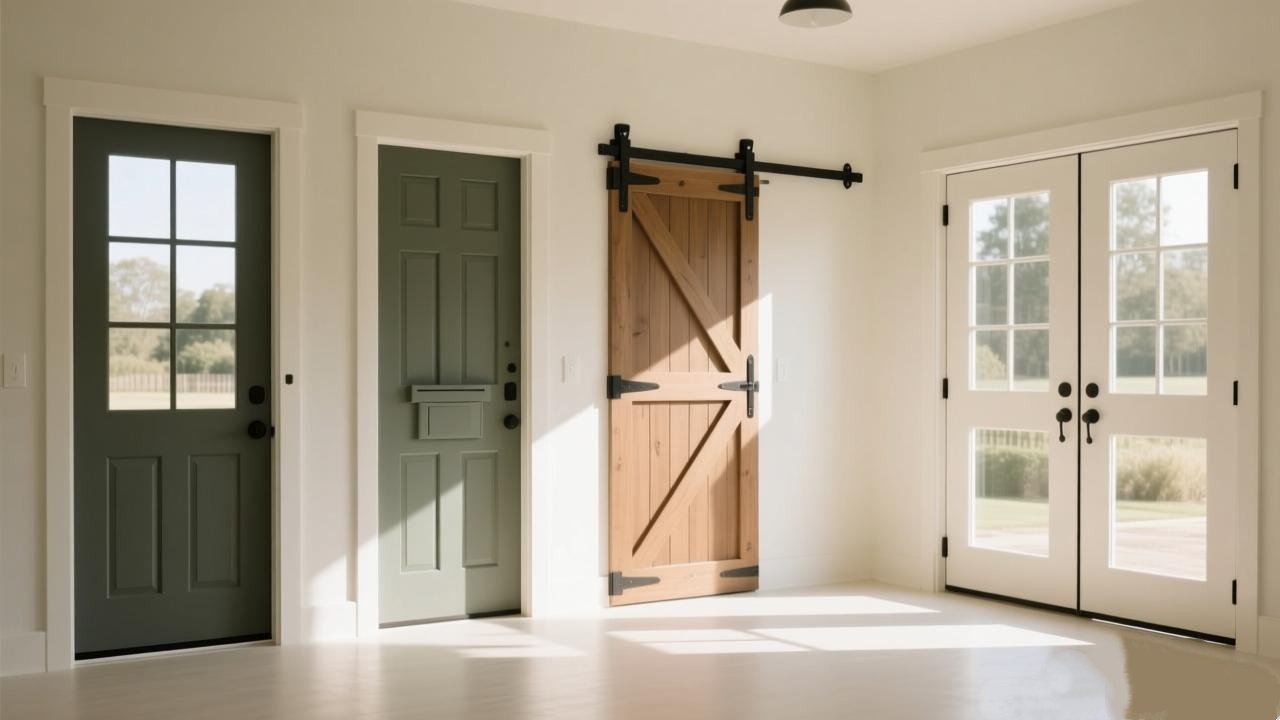
In my line of work, I see how these basic characteristics impact every project. For a buyer, the decision always comes down to balancing function, aesthetics, and cost. A hinged door is standard, but it requires swing space. A pocket door disappears, but installation is complex and can make the wall unusable for fixtures. This is where sliding barn doors find their niche. They offer a simple, surface-mounted solution that saves floor space. The choice of material—be it solid wood for a conference room or a frosted glass door for an office—greatly affects the end user’s experience. At our factory, we produce hardware that can support all these different materials and weights, because we know one size never fits all.
| Door Type | Operation | Pros | Cons |
|---|---|---|---|
| Hinged | Swings on hinges | Excellent seal, high security | Requires clear floor space to swing |
| Slides into a wall cavity | Completely hidden when open | Complex installation, difficult to repair | |
| Barn | Slides along a track on the wall | Saves floor space, easy to install | Does not provide a perfect seal |
| Folding | Folds in sections | Opens up the entire doorway | Can be bulky when folded |
What to know about barn doors?
Interested in barn doors but worried about the installation details? Getting the measurements wrong can lead to a costly and frustrating project with gaps and poor coverage.
The most important thing to know is that a barn door needs sufficient wall space to slide open, equal to the door’s width. Also, the door must be larger than the opening—I recommend 1 to 2 inches wider and taller—for complete coverage and privacy.
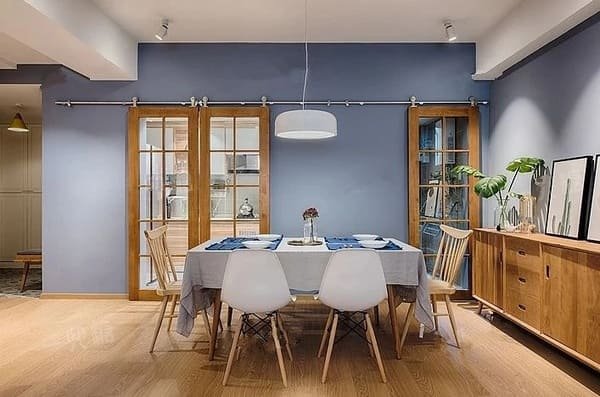
This is the number one piece of advice I give to customers. That extra width is not optional. It’s what prevents you from seeing light and outlines around the edges of the door, which is a dead giveaway of a poor installation. The extra height helps create a more substantial and visually pleasing look. Beyond sizing, the hardware is everything. A heavy, solid wood door needs a track and rollers that are rated for its weight. I’ve seen too many projects fail because of undersized hardware that bends or rollers that wear out quickly. We test our systems rigorously to ensure they can handle heavy loads smoothly and quietly for years. The quality of the rollers—often made from durable nylon—and the precision of the steel track determine whether the door glides silently or rumbles down the wall. Always check the weight capacity of the hardware kit.
What are common problems with barn doors?
Love the look of barn doors but hesitant about potential issues? It’s concerning when a stylish choice comes with practical headaches like noise, gaps, and a lack of privacy.
Common problems include a lack of a complete seal, leading to less privacy and sound insulation than traditional doors. They can also be noisy if low-quality hardware is used, and improper installation can cause the door to swing away from the wall.

Every product has its trade-offs, and barn doors are no exception. The most common complaint I hear is about the gap. Because the door hangs in front of the wall, it doesn’t seal like a hinged door. This makes it less ideal for bathrooms or bedrooms where acoustic and visual privacy is critical. However, for closets, pantries, or separating a living room from a home office, it’s perfect.
To solve these other common issues, we focus on engineering better hardware.
- Noise: This is a hardware problem. Cheap metal-on-metal rollers are loud. Our high-quality nylon wheels and precision-engineered tracks ensure a whisper-quiet glide. We also offer soft-close mechanisms that prevent slamming.
- Swinging: A door that swings or knocks against the wall is annoying. This is solved with a simple floor guide. Every kit we sell at opensliding includes a floor guide to keep the door stable and moving only along its intended path.
- Weight Support: The entire system hangs from the track. This requires a solid mounting surface. We always advise installing a header board into wall studs first, then attaching the track to the header. This distributes the weight safely and prevents the track from pulling out of weak drywall.
Are barn doors still in style in 2025?
Worried that investing in barn doors today will look dated tomorrow? Choosing a trend that quickly fades is a real concern for designers, builders, and purchasing professionals.
Yes, barn doors will absolutely be in style in 2025, but with a modern twist. The trend is moving away from the heavy farmhouse look towards sleeker designs using materials like glass and metal, and featuring minimalist hardware. Their space-saving function ensures their continued relevance.
The "modern farmhouse" look might be fading, but the barn door itself is not. Its core benefit—saving space—is more valuable than ever in modern construction where every square foot counts. What has changed is the aesthetic. Today, my clients are ordering hardware for doors made of frosted glass, sleek metal, or minimalist wood panels painted in bold colors. The hardware itself has also evolved. The big, rustic spoked wheels are being replaced by top-mount hangers and simple, clean black or stainless steel tracks. It’s about a clean, architectural look rather than a country theme. I see this trend across all my markets, from North America to Europe. The barn door has successfully transitioned from a rustic accent to a sophisticated, functional piece of architectural hardware. As long as we need clever ways to divide spaces without losing floor area, the modern barn door will have a place.
Conclusion
Barn doors have evolved from a rustic trend to a modern, space-saving staple. With proper measurement and high-quality hardware like ours at opensliding, they are a stylish and practical choice for 2025 and beyond.