
Installing a barn door looks simple, but small mistakes can create big problems. An incorrect installation ruins the aesthetic and can even be unsafe, turning your stylish upgrade into a source of frustration.
The most common installation errors include using an improper header board, failing to level the track correctly, miscalculating the door size and overlap, and choosing hardware that can’t support the door’s weight. These issues lead to poor function, damage, and safety risks.
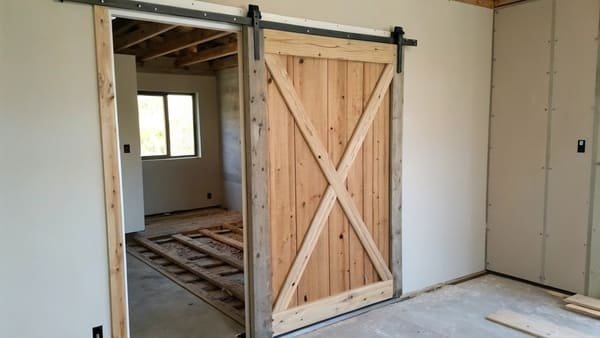
I’ve seen it all in my years in the hardware business. A beautiful, heavy oak door paired with a track that’s just screwed into drywall is a disaster waiting to happen. But these mistakes are completely avoidable. That’s why I wanted to walk you through the key things to know before you start, so you can ensure your project is a success from the very beginning. Let’s break down the details that make the difference between a problematic door and a perfect one.
What do I need to know before installing a barn door?
You’re ready to add a stylish barn door but don’t know where to begin. Rushing into the project without a plan often leads to buying the wrong parts, which wastes time and money.
Before installing, you must measure your doorway, confirm you have enough clear wall space for the door to slide open, and ensure the wall can support the weight. Always choose hardware rated for your specific door’s size and material. Proper planning prevents most installation issues.
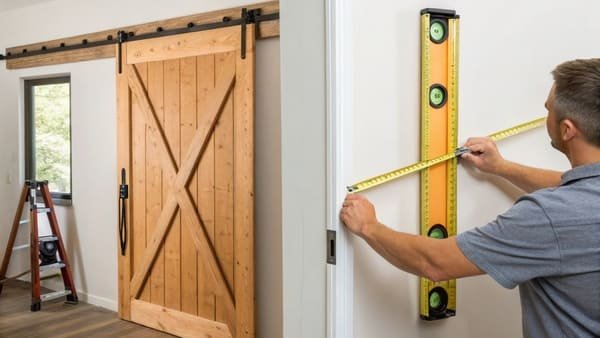
As someone who manufactures the hardware, I can’t stress enough how important preparation is. Getting the foundation right is everything. Before you even think about drilling a hole, you need to assess the area and plan meticulously. Otherwise, the best hardware in the world won’t save a bad installation.
Wall Structure and Support
The single most critical element is having a solid mounting surface1. The entire weight of your door hangs from the track. You cannot simply attach a track to drywall; it will pull out. You must install a header board—a solid piece of wood—that is screwed directly into the wall studs. This provides a secure foundation for the track and evenly distributes the door’s weight. Use a stud finder to locate the studs before you even buy your lumber.
Space and Measurement
You need enough wall space next to the opening for the door to slide completely clear. As a general rule, the amount of wall space needed is equal to the width of your door. Measure everything twice.
| Measurement | Requirement |
|---|---|
| Doorway Width | Measure the exact width of the opening. |
| Clear Wall Space | Must be at least the width of your planned door. |
| Header Height | Ensure enough clearance above the opening for the track and rollers. |
Choosing the Right Hardware
Not all hardware is created equal. A heavy, solid wood door requires a much more robust system than a lightweight, hollow-core door. Always check the weight capacity of the hardware kit2 you are considering. At opensliding, we clearly specify the maximum weight for our systems to ensure safety and smooth, long-term operation.
What are the disadvantages of barn style doors?
Barn doors are a huge trend, but you worry they might have drawbacks. Ignoring potential downsides can lead to disappointment with privacy, noise, or light that you didn’t expect from a door.
The primary disadvantages are that they don’t seal completely, which reduces soundproofing and light-blocking. They also require a large amount of clear wall space to open and are often a poor choice for bathrooms or bedrooms where noise and visual privacy are essential.

While I love the look of barn doors, I always advise my clients to think about the room’s function before committing. They solve a lot of design problems, especially in tight spaces where a swinging door isn’t practical, but they aren’t the right solution for every single opening in a building.
Privacy3 and Sealing
By design, a barn door hangs in front of an opening, creating a natural gap between the door and the wall. This gap means they are not effective at blocking sound, light, or even smells. This makes them less than ideal for spaces like bathrooms, bedrooms, or home offices where you need a high level of privacy and quiet.
Space Requirements4
This is a practical issue that is often overlooked. A barn door doesn’t disappear; it just moves to the side. You must have an adjacent wall that is completely clear and at least as wide as the door itself. This means you cannot have light switches, outlets, or artwork in the door’s path.
Operational Considerations
While our high-quality rollers at opensliding are designed to be smooth and quiet, all barn doors will make some noise as they roll. Furthermore, without a proper floor guide, the door can swing and sway. A correctly installed floor guide is essential to keep the door stable and moving in a straight line.
| Feature | Barn Door | Traditional Door |
|---|---|---|
| Privacy3 | Low | High |
| Soundproofing | Low | High |
| Space Needed | Adjacent Wall Space | Swing-In/Out Space |
| Installation | Requires header board | Installs in frame |
How much overlap should a barn door have?
You are ready to select a door slab, but you aren’t sure how wide it should be. A door that is too narrow will leave gaps, and one that is too wide looks clunky.
A barn door must overlap the doorway opening by at least one inch on each side to ensure privacy. This means the door slab should be a minimum of two inches wider than the opening itself. For openings with trim, the overlap should extend past the trim.
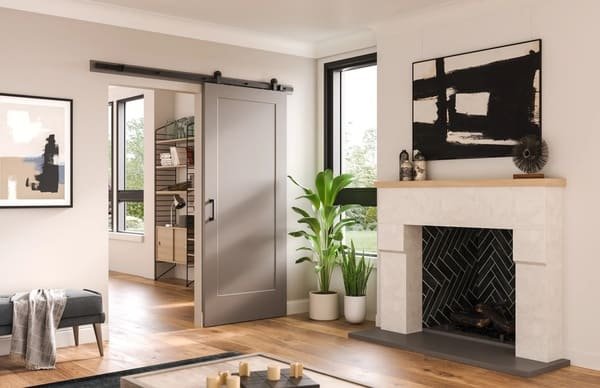
This is one of the most common questions I get from contractors and door factory purchasers. The right overlap is not just about looks; it is fundamental to the door’s function. A door that doesn’t fully cover the opening defeats the purpose of having a door in the first place.
Why Overlap Matters
The main reason for proper overlap is privacy5. Without it, you will have visible gaps along the sides of the door when it’s closed, allowing light and sightlines into the room. A generous overlap ensures the opening is completely concealed, which provides a clean, finished look and preserves the privacy5 of the space. It gives the illusion of a solid wall when the door is shut.
Calculating the Right Size
The calculation is simple. Just measure the width of your doorway opening and add at least two inches. For example, if you have a 36-inch wide opening, you should be looking for a door that is at least 38 inches wide. I often recommend adding 3-4 inches for an even more substantial look and better coverage.
Cased vs. Uncased Openings6
The calculation changes slightly if your doorway has trim, or casing, around it. For a cased opening, you want the door to overlap the outer edge of the trim, not just the opening.
| Opening Type | Measurement Guide | Example (36" Opening with 3" Trim) |
|---|---|---|
| Uncased (Drywall) | Door Width = Opening Width + 2" | 38" Door |
| Cased (With Trim) | Door Width = Outer Trim Width + 2" | 36" + 3" + 3" + 2" = 44" Door |
Why is my barn door not closing properly?
You’ve installed your barn door, but it slides open on its own or gets stuck. A door that won’t stay closed is not just annoying, it can be a serious safety hazard.
A barn door that slides on its own is almost always caused by an unlevel track. Gravity will pull the heavy door toward the lower end. Other issues include obstructions on the rail, poorly installed door stops, or a misaligned floor guide that causes binding.
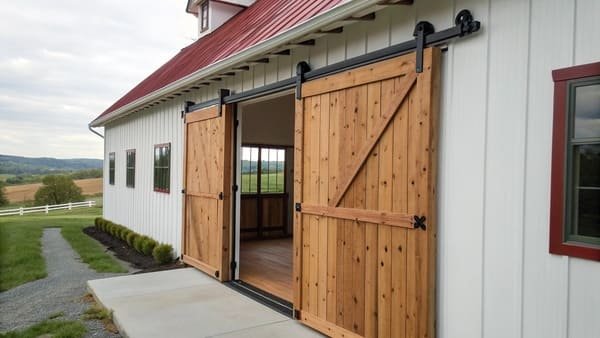
This is the number one troubleshooting call we get after a sale. Ninety-nine percent of the time, the problem isn’t the hardware; it’s the installation. A perfectly level track is non-negotiable for a properly functioning door. Even a slight tilt can cause a heavy door to move on its own.
The Unlevel Track
This is the main cause of a "ghost" door. When you install the track, you must use a level. Don’t eyeball it. If the track is installed and you discover it’s not level, you have to fix it. This may involve placing small shims between the track and the header board or completely reinstalling the track in a new position. Taking the time to get this right during the initial installation will save you a massive headache later.
Obstructions and Hardware Issues
Sometimes the problem is simpler. Check the track for any dust, debris, or small objects that could be blocking the rollers. Also, ensure the door stops at either end of the track are securely tightened. If they are loose, the door can travel too far and get stuck. The bolts connecting the hangers to the door should also be checked to make sure they haven’t loosened over time.
Floor Guide Problems
The floor guide keeps the bottom of the door from swinging out. If it is installed too tightly or becomes misaligned, it can cause the door to drag or bind, making it difficult to open and close. Ensure the guide is correctly positioned in the groove or along the edge of the door, allowing for smooth movement without excessive friction.
| Problem | Likely Cause | Solution |
|---|---|---|
| Door slides open/closed on its own | Track is not level. | Use a level to check the track and reinstall it correctly. |
| Door is hard to slide or jerks | Obstruction on track or bad roller. | Clean the track thoroughly. Inspect rollers for damage. |
| Door swings or scrapes the wall | Floor guide is missing or misaligned. | Install or adjust the floor guide for stability. |
Conclusion
Proper barn door installation is about a few key details: a solid foundation, accurate measurements, and quality hardware. Taking the time to do it right prevents all the common and frustrating errors.
Understanding solid mounting surfaces is crucial for ensuring your door’s stability and safety. ↩
Knowing the weight capacity helps you choose the right hardware for your door, ensuring durability and safety. ↩
Explore this link to discover effective solutions for enhancing privacy when using barn doors in your home. ↩ ↩
This resource will provide you with essential guidelines to ensure proper installation and functionality of barn doors. ↩
Understanding the role of privacy in home design can enhance your living space and comfort. ↩ ↩
Exploring this topic will help you make informed decisions about your door installations. ↩