
Your security screen door sticks and grinds, making it a daily frustration. This annoyance compromises both convenience and security. Understanding the right rollers can restore smooth, effortless operation instantly.
Security screen door rollers primarily come in nylon, steel, and stainless steel, with single or tandem wheel configurations. The material and design determine the roller’s load capacity, durability, and resistance to corrosion, making the choice dependent on door weight and environmental conditions for optimal performance.
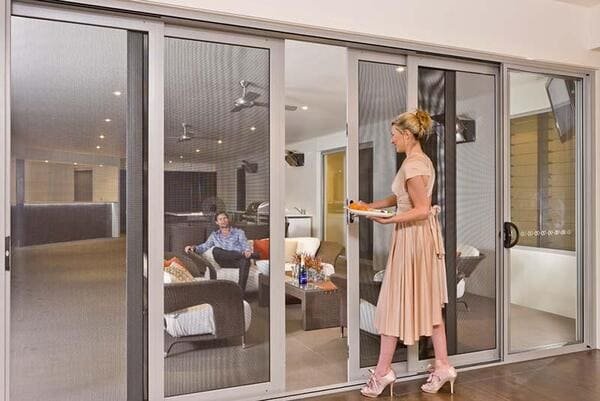
But knowing the basic types is just the first step. The weight of modern doors, the local climate, and even the track material all play a huge role in how well a roller performs. Let’s break down how to choose the perfect roller for your specific needs, ensuring your doors glide effortlessly for years to come.
What Are the Main Types of Security Screen Door Rollers?
Feeling overwhelmed by all the roller options on the market? Choosing the wrong one can lead to premature failure and unhappy customers. Knowing the core types simplifies your purchasing decisions.
The main roller types are defined by material (nylon, steel, stainless steel) and configuration (single, tandem). Nylon is quiet, steel is for heavy doors, and stainless steel offers superior corrosion resistance, making it ideal for coastal areas.
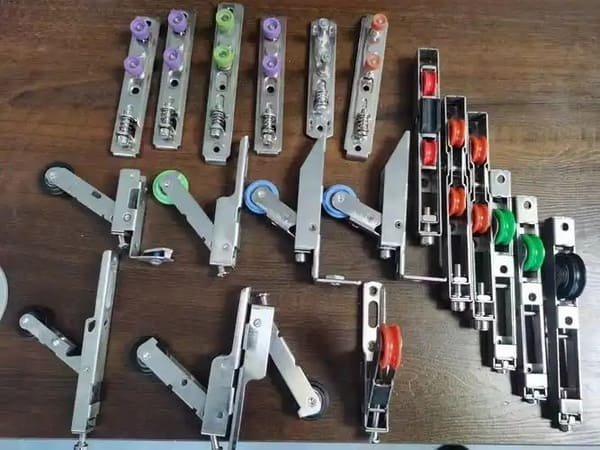
As a industry professionals in sliding door pulleys system, I see how these choices impact a door’s entire life cycle. The right roller isn’t just a part; it’s the foundation of a smooth, reliable door system. Modern doors with thicker glass are heavier, placing more strain on these small components. We need to look beyond the basics and consider the material and design carefully.
Roller Materials
- Nylon/Plastic: These are the go-to for many standard, lightweight screen doors. They are quiet, cost-effective, and won’t rust. However, they have a lower weight capacity and can develop flat spots over time with heavy use, causing a bumpy ride.
- Steel: When you need strength, steel is the answer. Steel rollers can handle much heavier doors, like large patio or security screens. The downside is they can be noisier and will rust if their protective coating is damaged, especially in damp environments.
- Stainless Steel1: This is the premium option. It combines the strength of steel with excellent resistance to rust and corrosion. For projects in coastal regions or areas with high humidity, I always recommend stainless steel to my clients. It costs more upfront but prevents costly replacements later.
Roller Configurations2
| Configuration | Best For | Pros | Cons |
|---|---|---|---|
| Single Wheel | Lightweight screen doors | Simple, cost-effective | Lower stability, less weight capacity |
| Tandem (Dual) Wheel | Heavy security or glass doors | Better weight distribution, more stable | Higher cost, larger housing |
Are All Screen Door Rollers the Same?
Thinking any roller will do the job? This common mistake leads to sticking doors and costly callbacks from your clients. Understanding the key differences saves you both time and money.
No, screen door rollers are definitely not the same. They vary significantly in material (nylon, steel), wheel diameter, load capacity, and housing design. Using a roller that doesn’t match the door’s weight or track specifications will lead to poor performance and premature failure.
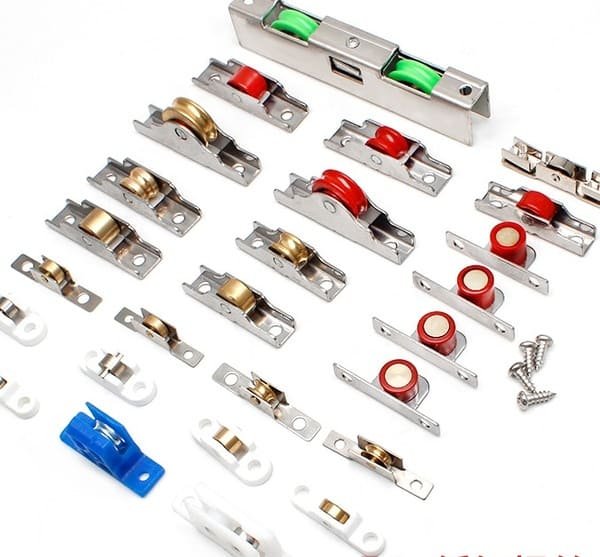
This is a question I get a lot from new buyers like mason. A roller designed for a light aluminum screen door will fail quickly if installed on a heavy-duty security door with reinforced mesh. It’s like using car tires on a heavy truck. The specifications matter immensely, and ignoring them is a recipe for disaster. From my factory floor, I see the engineering that goes into each type.
Key Differentiating Factors
- Load Capacity3: This is the most critical difference. A standard nylon roller might be rated for 30 lbs, while a heavy-duty steel tandem roller can support over 150 lbs. Always match the roller’s capacity to the door’s weight, with a little extra margin for safety.
- Wheel Diameter4: Roller wheels come in various sizes, typically from 1 inch to 1-1/2 inches or more. The wheel size must match the track it runs in. A wheel that is too small will bounce in the track, while one that is too large will bind and stick.
- Housing Assembly: The metal or plastic casing that holds the wheel is not universal. It can be center-grooved, back-beveled, or front-beveled, designed to fit specific track profiles. The screw hole placement and adjustment mechanism also vary between manufacturers.
Choosing the right roller is about precision, not guesswork. A small difference in specs can be the difference between a door that glides for a decade and one that fails in a year.
Can You Replace Rollers on a Screen Door?
Have a screen door that’s become a workout to open? You might think the whole door is a lost cause. But what if the fix is simple and inexpensive?
Yes, you can absolutely replace the rollers on most screen doors. It is a common maintenance task that can restore a sticking or dragging door to like-new operation. The process typically involves removing the door, accessing the old rollers, and installing new ones.
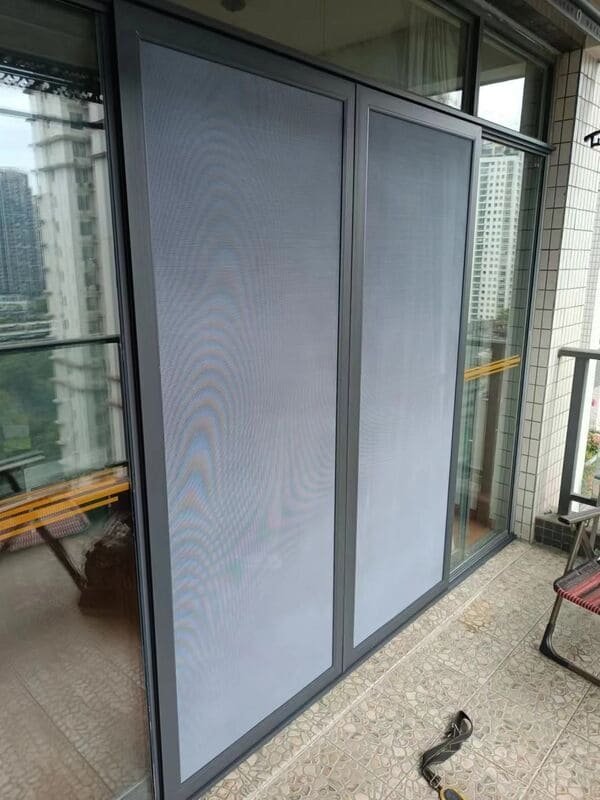
Replacing rollers is one of the most cost-effective repairs you can make. I’ve talked to countless contractors who build their reputation on this simple service. Instead of replacing an entire door unit, which is expensive and time-consuming, a quick roller swap can solve the problem for a fraction of the cost. It’s a win for the homeowner and a smart business move for the contractor.
Basic Steps for Roller Replacement
- Remove the Door: Most sliding screen doors5 can be lifted up and pulled out from the bottom track. You may need to loosen the top adjustment screws first to get enough clearance.
- Locate and Remove Old Rollers: The roller assemblies are usually located at the bottom corners of the door frame, held in by one or two screws. Simply unscrew them to remove the old, worn-out unit. Sometimes, they are spring-loaded and just need to be pried out.
- Install the New Rollers: Take your old roller to a hardware supplier or check with your manufacturer (like us at Opensliding!) to find an exact match. Screw the new assembly into place.
- Re-install and Adjust the Door: Place the door back on the track, top first. Then, use the adjustment screws on the new rollers to raise or lower each corner until the door is level and slides smoothly without rubbing on the top or bottom of the frame.
It’s a straightforward job that usually requires just a screwdriver and a bit of patience. For purchasing managers, offering replacement rollers6 as part of your product catalog is a great value-add.
How Do You Identify Patio Door Rollers?
Struggling to find the right replacement roller for a patio door? With so many variations, it can feel like searching for a needle in a haystack. Getting it wrong means another trip to the supplier.
To identify a patio door roller, you must remove it from the door and note its key features: the wheel material (steel, nylon), wheel diameter, edge profile (flat, grooved), and the housing’s shape, dimensions, and screw hole placement. Taking a clear photo helps immensely.
I’ve helped thousands of clients like Jacky identify the right parts. The most common mistake is trying to guess based on memory. The tiny details are what count. A V-groove wheel won’t work on a flat track, and a housing that’s off by a few millimeters won’t fit. You have to be methodical.
A Quick Identification Checklist:
- Step 1: Remove the Roller: You can’t identify it properly while it’s still inside the door.
- Step 2: Check the Wheel7:
- Material: Is it steel, stainless steel, or nylon? Use a magnet; if it sticks, it’s steel (not stainless).
- Diameter: Measure the wheel’s diameter precisely with a caliper or ruler.
- Edge Profile: Look at the edge. Is it flat, rounded, or have a V-shaped groove?
- Step 3: Examine the Housing8:
- Material & Shape: Is the casing steel or plastic? Note its exact height, width, and shape.
- Screw Holes: Where are the mounting holes located? Top, back, or side?
- Step 4: Take Photos and Measurements: Take clear pictures of the roller from the front, side, and top, placing a ruler next to it for scale.
With this information, you or your supplier can find an exact match. At Opensliding, we often ask for these details to ensure we send the perfect roller every time, saving our clients from installation headaches.
Conclusion
Choosing the right security screen door roller is key to performance and longevity. Match the material and design to the door’s weight and environment for a perfect, smooth glide.
Explore the advantages of stainless steel rollers, especially for humid areas, to ensure durability and prevent rust. ↩
Understanding roller configurations can help you choose the best option for your specific door needs, enhancing functionality. ↩
Understanding load capacity is crucial for ensuring safety and longevity in roller door systems. ↩
Exploring wheel diameter helps in selecting the right roller for optimal door operation and durability. ↩
Discover the advantages and functionality of sliding screen doors to enhance your home’s ventilation and aesthetics. ↩
Explore this link to find high-quality replacement rollers that ensure smooth operation and durability for your sliding doors. ↩
Understanding wheel materials can help you choose the best option for durability and performance. ↩
Selecting the right housing material is crucial for the longevity and functionality of your sliding door system. ↩