
Choosing new interior doors feels overwhelming. A bad choice can ruin a room’s entire feel, leaving you with a costly mistake you see every day. But it doesn’t have to be so hard.
To choose the perfect interior doors, you must focus on material quality, a style that matches your home’s design, and overall functionality. Avoid common mistakes like using cheap hardware, ignoring sound insulation needs, or picking trendy designs that will quickly look dated and cheapen your project.
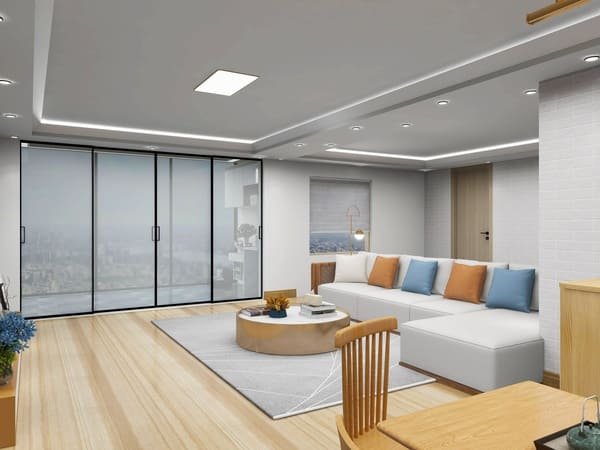
In my years of manufacturing door hardware, I’ve seen how doors have changed. They are no longer just simple barriers between rooms. They used to be just for privacy and maybe some quiet. Only the very wealthy considered them a design feature. Now, things are different. For builders and designers everywhere, doors are a critical part of the home’s overall aesthetic. They add style and intent, not just function. This shift gives you more options, but it also means there are more ways to get it wrong. Let’s make sure you get it right.
What Are the Core Construction Options for Interior Doors?
You hear technical terms like "solid core" and "hollow core" and might just tune them out. But this choice dramatically affects the door’s feel, noise level, and lifespan. Making the wrong call can cheapen a project.
The two primary interior door options are hollow-core and solid-core. Hollow-core doors are light and budget-friendly, best for closets. Solid-core doors are heavy, offer superior sound insulation and a luxury feel, making them ideal for bedrooms and offices where quality matters.
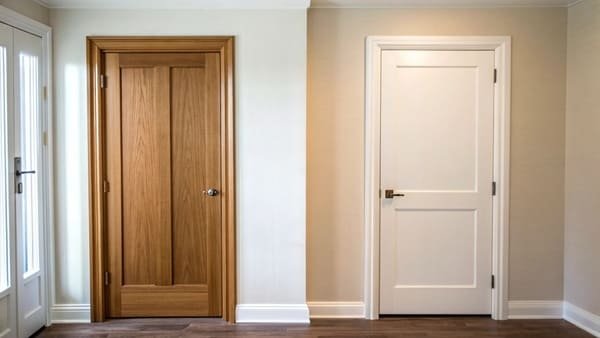
Let’s dive deeper into what this means for your project. As a factory owner, I deal with the practical side of these choices every day, especially how they affect the hardware needed. The door’s weight and intended use are critical factors.
Hollow-Core Doors Explained
These doors aren’t completely empty. They typically have a basic wood frame filled with a honeycomb cardboard structure, all covered by a thin wood or fiberboard veneer. They are the standard, entry-level choice for many builders on a tight budget.
- Pros: They are inexpensive and lightweight, which makes them easy for one person to transport and install. This can save on labor costs.
- Cons: They offer almost no sound insulation1. You can hear conversations right through them. They also feel light and cheap to the touch and are easily damaged; a solid punch could go right through one.
- Best Use: I only recommend these for areas where sound and durability2 don’t matter, like closets or a small pantry.
Solid-Core Doors Explained
Solid-core doors offer a significant step up. Their core is made from composite wood, particleboard, or MDF, providing real substance and weight. This core is then covered with a high-quality wood veneer.
- Pros: The dense core provides excellent sound insulation1, which is a huge benefit for bedrooms, bathrooms, and home offices. They feel substantial and durable, providing a sense of quality and security.
- Cons: They are much heavier, often requiring two people to install. This weight also demands more robust, high-quality hinges and hardware, which adds to the overall cost.
- Best Use: These are the right choice for any room that requires privacy and a premium feel. The investment is immediately noticeable to the end-user.
| Feature | Hollow-Core Door | Solid-Core Door |
|---|---|---|
| Weight | Lightweight | Heavy |
| Cost | Low | Medium-High |
| Soundproofing | Poor | Excellent |
| Durability | Low | High |
| Best For | Closets, Pantries | Bedrooms, Offices, Bathrooms |
At my company, opensliding, we manufacture hardware specifically designed to handle the greater weight of solid-core doors, ensuring they operate smoothly for life.
What Do You Call a Door With No Panels?
You’re aiming for a clean, minimalist design for your project. Traditional paneled doors can look too busy or old-fashioned. You know you want something simple and flat, but what is it called, and how do you specify it?
A door with no panels is called a flush door. It has a completely smooth, flat surface on both sides. This simple design is a favorite in modern and contemporary homes because of its clean, uninterrupted lines, offering a sleek look.
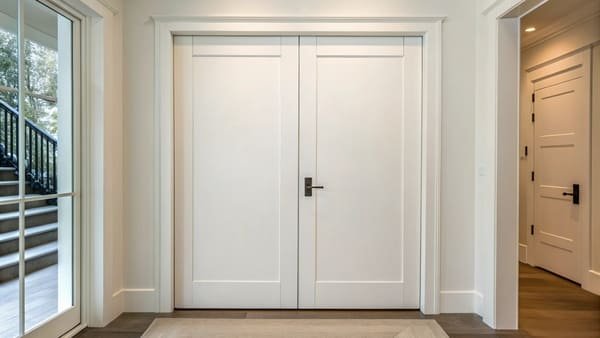
The beauty of a flush door is its simplicity. It doesn’t compete for attention with other design elements in a room; it complements them. This makes it an incredibly versatile choice for designers and builders.
The Understated Appeal of Flush Doors
Flush doors3 act like a blank canvas. They can be painted any color to either blend in with the wall or create a bold, contrasting accent. When finished with a high-quality wood veneer, like oak or walnut, they bring natural warmth and texture to a space without the formal look of a paneled door. Their minimalist nature means they work with almost any modern decor style, from Scandinavian to industrial. They let the architecture, furniture, and hardware do the talking.
Comparing Flush vs. Paneled Doors
Your choice between a flush and a paneled door really comes down to the architectural style of the home.
- Paneled doors4 have recessed or raised sections that create shadow lines and a sense of depth and tradition. They are the classic choice for Colonial, Craftsman, or farmhouse-style homes. They make a statement of classic craftsmanship.
- Flush doors1 offer understated elegance. Their strength is in their simplicity. They are the go-to for modern homes where the design philosophy is "less is more."
Here’s a simple way to think about it:
| Aspect | Flush Door | Paneled Door |
|---|---|---|
| Primary Style | Modern, Contemporary, Minimalist | Traditional, Craftsman, Farmhouse |
| Visual Impact | Understated, clean canvas | Textured, detailed, classic |
| Best Fit | Spaces with bold furniture or art | Spaces needing architectural detail |
| Hardware Pairing | Minimalist levers, hidden hinges | Ornate knobs, decorative hinges |
Whether you select a streamlined flush door or a classic paneled one, pairing it with the right sliding system can save space and add a unique touch. Our systems at opensliding, like the Wardrobe Sliding Wheels System or Partition Room Sliding Door Rollers, are designed to work seamlessly with both styles.
What Is the Latest Trend for Interior Doors?
You’re worried the doors you pick today will look dated in just a few years. It’s tough to know which styles have lasting power and which are just passing fads. Investing in a trend could be a costly mistake.
The latest interior door trends lean toward minimalism, natural materials, and making a statement with height and color. Popular choices include tall floor-to-ceiling doors, flush doors in dark colors like black, and sliding barn doors that feature natural wood grains.
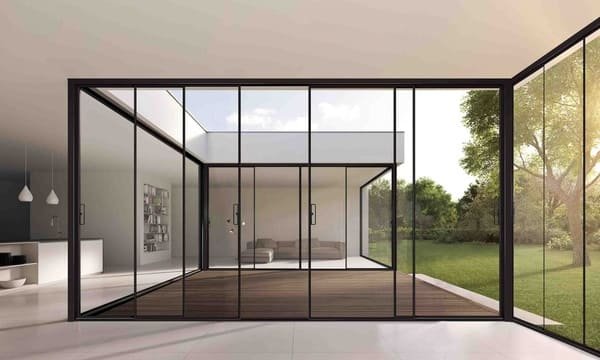
As a manufacturer, I see these trends translate into specific orders from my customers, who are often door factories and contractors. The focus is shifting from the door as a background object to the door as a centerpiece. Let’s look at the key trends I’m seeing.
Trend 1: Going Big with Height and Scale
One of the most impactful trends is the move towards taller doors. Standard doors are about 6 feet 8 inches, but we are seeing a huge demand for 8-foot doors5, or even full floor-to-ceiling designs. These taller doors draw the eye upward, making ceilings feel higher and the entire space feel more luxurious and custom-built. However, a taller, heavier door puts much more stress on its hardware. It absolutely requires heavy-duty hinges or, for sliding applications, robust roller systems like our heavy lifting wheels to ensure they operate safely and smoothly without sagging over time.
Trend 2: Bold Colors and Natural Finishes
White doors will always be a classic, but bold is in. We’re seeing a lot of doors painted in dark, moody colors like charcoal, black, and deep navy blue. When placed against a light-colored wall, these doors create a dramatic, high-end look. At the same time, there’s a counter-trend celebrating natural materials. Doors with beautiful, clear-finished wood veneers, like light oak and rich walnut, are very popular. They add warmth, texture, and an organic element to modern spaces.
Trend 3: Space-Saving Functionality
The open-concept floor plan is still popular, but people also want the option to close off spaces when needed. This has led to a major rise in the popularity of sliding doors6. Modern barn doors, pocket doors, and linkage door systems (for extra-wide openings) are not just functional; they are design statements. As a hardware manufacturer, this is our specialty at opensliding. Our barn door accessories and linkage systems allow for large, impressive door panels to glide effortlessly, saving floor space where a traditional swinging door would be awkward.
Is It Worth Getting New Interior Doors?
Your current doors are functional, so spending money to replace them can feel like an unnecessary cost. But what if this upgrade is one of the smartest investments you can make in a property? Is it really worth the expense and effort?
Yes, getting new interior doors is absolutely worth it. It is a highly cost-effective update that dramatically improves a home’s aesthetic, enhances livability through better soundproofing and function, and can directly increase the property’s resale value. It’s a high-impact renovation.
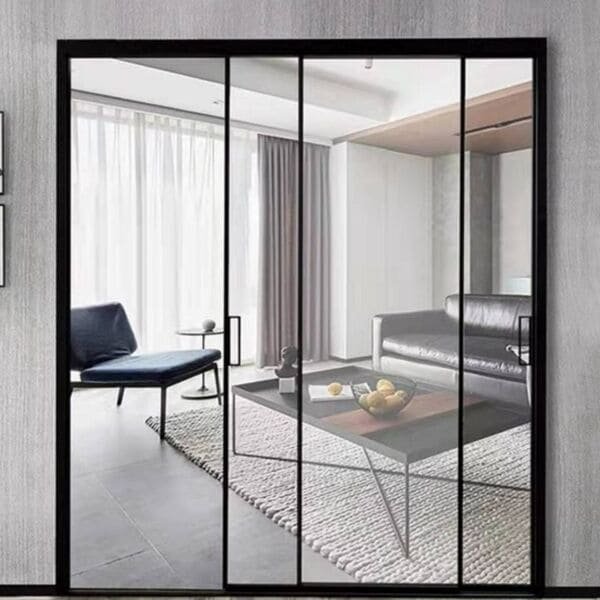
I’ve worked with countless contractors and distributors who specialize in renovations. They consistently tell me that new doors—and the right hardware—provide one of the highest returns on investment. A potential buyer or client may not notice the plumbing, but they will open and close every single door.
A Smart Return on Investment (ROI)
Compared to major renovations like a full kitchen or bathroom overhaul, replacing interior doors is a relatively low-cost project with a very high visual impact. Old, cheap, hollow-core doors can make an entire house feel dated and poorly maintained. Swapping them for new solid-core doors7 instantly elevates the perception of quality and craftsmanship. This simple change can be the detail that convinces a buyer, making the home feel more valuable and "move-in ready." For a few hundred dollars per door, you can add thousands to the perceived value of a property.
Dramatic Improvement in Livability
The benefits go far beyond looks. Upgrading from hollow-core to solid-core doors7 drastically reduces noise transmission between rooms. This creates quieter bedrooms for better sleep and more private home offices for focused work. It’s a quality-of-life improvement you experience every day. Furthermore, replacing old doors that stick, don’t latch properly, or have been damaged over the years just makes a home function better. Everything feels tight, new, and well-cared-for.
The Critical Role of Quality Hardware
A great new door is completely useless if it’s hung on cheap, weak hardware. A heavy solid-core door will sag on standard hinges. A beautiful sliding door will be a nightmare to use if the roller system is clunky or loud. The hardware is what brings the door to life. This is why investing in top-quality components from a specialist factory like opensliding is crucial. Our hinges, drawer slides, and sliding door rollers are engineered to provide a smooth, silent, and reliable experience, ensuring that your investment in new doors pays off for years to come.
Conclusion
Choosing the right interior doors transforms a house into a home. By focusing on quality construction, matching the style to the home, and investing in superior hardware, you add lasting value and daily enjoyment.
Explore this link to understand how sound insulation enhances privacy and comfort in your living spaces. ↩ ↩ ↩
Learn why durability is crucial for long-lasting doors and how it impacts your investment in home quality. ↩
Explore the advantages of flush doors to enhance your modern home aesthetics and functionality. ↩
Discover how paneled doors can add character and depth to traditional home designs. ↩
Explore the advantages of 8-foot doors to elevate your home’s aesthetic and functionality. ↩
Discover how sliding doors can maximize your living space while adding a stylish touch. ↩
Explore the advantages of solid-core doors, including noise reduction and enhanced quality, to elevate your home’s value. ↩ ↩