
Your furniture hardware looks great at first, but it quickly gets dull and dirty. This ruins the look of your pieces and can even affect their function, leading to customer complaints.
The best methods for maintaining furniture hardware involve regular, gentle cleaning and periodic functional checks. Simply wipe pieces down with a soft, damp cloth to remove daily grime. For a deeper clean or shine, use a pH-neutral soap or a specialized polish suitable for the material.
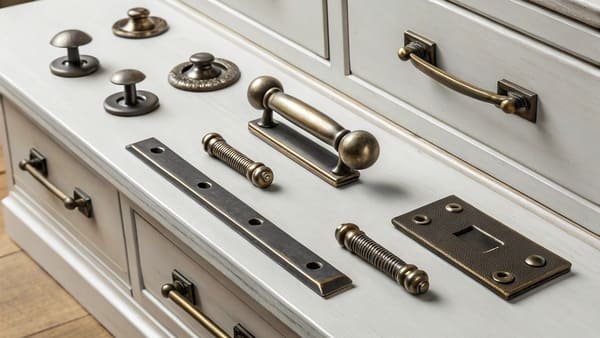
As a manufacturer, I’ve seen how the smallest details can make or break a piece of furniture. The hardware is the handshake of the product; it’s what your customer touches and interacts with every day. A sticky drawer slide or a tarnished handle sends a message of low quality, even if the rest of the piece is perfect. But keeping that hardware in top condition is easier than you might think. It doesn’t require expensive products or a lot of time. Let’s look at the simple, effective methods we recommend to all our clients to ensure their furniture looks and works great for years.
What is hardware on furniture?
Are you confused about what "furniture hardware" actually includes? This uncertainty can cause mistakes in orders and delays in production. Knowing the exact terms helps you get what you need.
Furniture hardware refers to all the metal or plastic parts that help furniture function or add decorative touches. This includes visible items like handles and knobs, and functional components like hinges, drawer slides, locks, and support brackets.
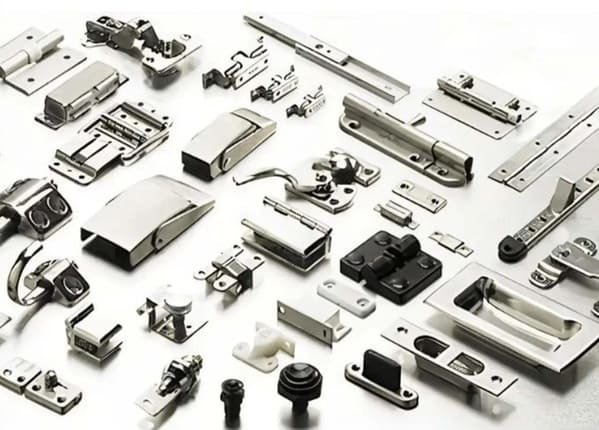
When my clients, especially new purchasers, send me a request, they sometimes just say "I need parts for a cabinet." That can mean a dozen different things. So, we always clarify. Understanding the categories of hardware makes communication with suppliers like me much clearer and your project planning more accurate. Think of it in three main groups.
Functional1, Decorative2, and Connecting Hardware
Each type of hardware has a specific job. Mixing them up or choosing the wrong one can cause problems down the line. We break them down like this in my factory to ensure we are precise.
| Hardware Category | Primary Purpose | Examples |
|---|---|---|
| Functional1 | Enables movement and operation. | Drawer slides, hinges, casters, lift systems, soft-close mechanisms, sliding door rollers. |
| Decorative2 | Enhances appearance and provides user interaction. | Knobs, handles, pulls, backplates, decorative accents. |
| Connecting | Joins and secures different parts of the furniture. | Screws, bolts, cam locks, brackets, dowels, nails. |
Knowing these categories helps you specify exactly what you need. For example, instead of asking for "cabinet hardware," you can request "500 sets of soft-close hinges and 500 matte black drawer pulls." This precision saves time and ensures you get the right products for your production run.
What are the different types of hardware in furniture?
Not all hardware is the same. Using the wrong kind can lead to furniture failure and unhappy customers. Understanding the different types is essential for ensuring quality and durability.
Furniture hardware includes many types, mainly grouped by their job. Major types are drawer slides, hinges, pulls, knobs, locks, and sliding systems. They are made from various materials like steel, brass, zinc alloy, and aluminum.

Over my years in the business, I’ve learned that the material and type of hardware are just as important as the wood or board they are attached to. A heavy door needs strong hinges. A high-use drawer needs a durable slide system. Choosing the right hardware from the start prevents future warranty claims and protects your brand’s reputation. It’s a small part of the total cost, but it has a huge impact on the final quality.
A Closer Look at Key Hardware Types
Let’s dive deeper into some of the most common hardware categories we produce. The choice you make here directly affects the user experience.
Drawer Slides: These are critical for any storage unit.
- Undermount Slides: These are hidden from view, giving a clean, high-end look. They often come with soft-close features.
- Soft-Close Systems: This feature prevents drawers from slamming shut. It’s a sign of quality that customers notice and appreciate.
Hinges: Hinges are the pivot point for every cabinet door.
- Concealed Hinges3 (or European Hinges): These are invisible when the door is closed, creating a modern, seamless look. They are standard in most modern kitchens and wardrobes.
- Butt Hinges: This is a more traditional style where the hinge is visible. They are simple and strong.
- Piano Hinges: These long, continuous hinges are perfect for lids on chests or toy boxes.
Pulls and Knobs: These are the primary touchpoints on your furniture. Their material and finish matter a lot. Common materials include zinc alloy, aluminum, stainless steel, and brass. Popular finishes right now are matte black, brushed nickel, and satin brass. The right choice can define the style of the entire piece.
How to clean up furniture hardware?
Dirt and oils make even the best hardware look cheap. Using harsh cleaners can damage the finish, forcing you to replace parts and lose money. There is a correct way to clean.
To clean furniture hardware, use a soft cloth dampened with water and maybe a drop of mild soap. Wipe it gently, then dry right away with another soft cloth to avoid water spots or rust.
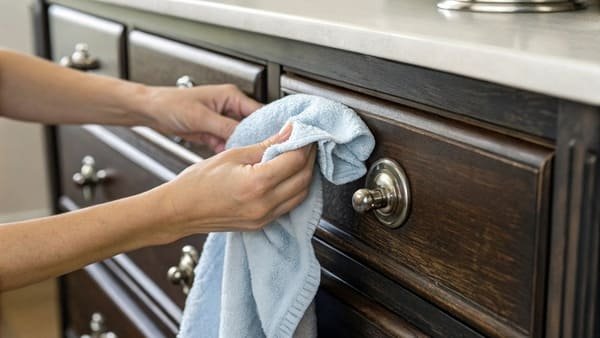
I always tell my customers, like Jacky in Canada who buys large quantities from us, that long-term quality depends on simple care. We spend a lot of time perfecting a durable finish on our products, whether it’s a brushed nickel drawer slide or a powder-coated handle. You don’t want your customer to ruin that finish with an aggressive cleaner. Simple maintenance is the key to longevity.
Cleaning Guide for Different Hardware Finishes
The right cleaning method depends on the material and finish of the hardware. Using the wrong product can cause permanent damage. Here is a simple guide we share with our B2B partners.
Routine Cleaning (For all types):
Use a microfiber cloth slightly dampened with water. Wipe away fingerprints, dust, and light grime. Dry immediately. Do this every few weeks or as needed.
Deeper Cleaning Guide:
| Finish / Material | Recommended Cleaner | Method | Avoid |
|---|---|---|---|
| Chrome/Nickel | Mild soap and water1 | Lather on a soft cloth, wipe, rinse with a damp cloth, and buff dry. | Abrasive sponges, bleach, scouring powders. |
| Matte Black | Mild soap and water1 | Use a very soft cloth. Pat dry or let air dry to avoid shiny spots. | Polishes, waxes, abrasive cleaners of any kind. |
| Brass/Bronze | Mild soap and water4 | Clean gently. If it’s unlacquered and tarnished, use a dedicated brass polish. | Harsh chemicals. Test polish on an unseen area first. |
| Stainless Steel | Special stainless steel cleaner5 | Wipe along the grain of the metal to avoid streaks. Buff to a shine. | Steel wool (except #0000 for restoration), chlorine. |
Always advise your end-users to test any cleaner on a small, hidden part of the hardware first. This simple step can prevent widespread damage. Proper care instructions can be a value-add for your customers and reduce complaints.
How to bring old hardware back to life?
Replacing tarnished or painted-over hardware seems like the only choice. But this is often costly and wasteful, especially on a large project. What if you could restore it instead?
You can often revive old hardware. First, remove the pieces from the furniture. Clean them thoroughly with soap and water. Then, use a specific metal polish for tarnish or a gentle method to strip old paint.
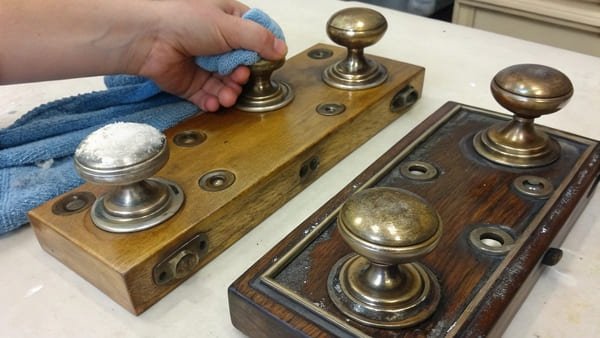
Sometimes, restoration is the best path forward, especially for unique or vintage pieces. But as a B2B buyer dealing with hundreds or thousands of units, you have to weigh the cost of labor against the cost of new parts. For one of my contracting clients, we calculated that on a large hotel renovation, ordering new hardware with their custom logo was actually cheaper and faster than paying staff to restore the old, dated pulls. However, knowing how to restore is still a valuable skill.
A Step-by-Step Restoration Process
If you decide restoration is the right move, here is a practical, step-by-step process.
- Remove the Hardware: Carefully unscrew all the knobs, pulls, or hinges from the furniture. Put all the screws in a labeled bag so you don’t lose them. This is the most important first step.
- Initial Cleaning6: Make a solution of warm water and a few drops of dish soap. Use a soft brush, like an old toothbrush, to scrub away years of dirt and grime. Rinse thoroughly and dry completely.
- Deal with Paint or Heavy Tarnish:
- For Paint: A common DIY trick is to place the hardware in a slow cooker filled with water and a bit of liquid soap. Let it "cook" on low for a few hours. The paint often becomes soft enough to peel or scrub off easily. Never boil antique hardware.
- For Tarnish: For solid brass, bronze, or copper, a quality metal polish will work wonders. Apply it with a soft cloth, rub until the tarnish lifts, and then buff it to a shine.
- Final Polish and Protection7: After you’ve restored the finish, you can add a thin coat of paste wax or clear lacquer to protect it from tarnishing again quickly. Buff it well. This adds a protective layer and a beautiful sheen.
While this process works, always consider if new, high-quality, and cost-effective hardware from a direct source like us might be the more efficient solution for your business.
Conclusion
Proper hardware maintenance is simple. Regular cleaning and careful checks preserve the look and function of your furniture, ensuring high quality and happy customers for years to come.
Understanding functional hardware can enhance your furniture design, ensuring optimal movement and operation. ↩ ↩ ↩ ↩
Exploring decorative hardware can inspire you to elevate your furniture’s appearance and user experience. ↩ ↩
Discover how Concealed Hinges can enhance the aesthetics and functionality of your cabinets with a modern touch. ↩
Explore this link to understand why mild soap and water is a safe and effective choice for cleaning various hardware finishes. ↩
Discover the top-rated special stainless steel cleaners that can help maintain the shine and quality of your stainless steel hardware. ↩
Explore this link to discover effective cleaning techniques that can enhance your restoration process. ↩
Learn about the best practices for polishing and protecting your furniture to ensure lasting beauty. ↩