
Struggling with cramped spaces and dark rooms? Traditional doors can limit your layout and block light, making your home feel smaller. Sliding doors offer a sleek, modern, and practical solution.
The top advantages of sliding doors include saving significant space, maximizing natural light, creating a seamless indoor-outdoor flow, enhancing modern aesthetics, and potentially increasing your home’s resale value.
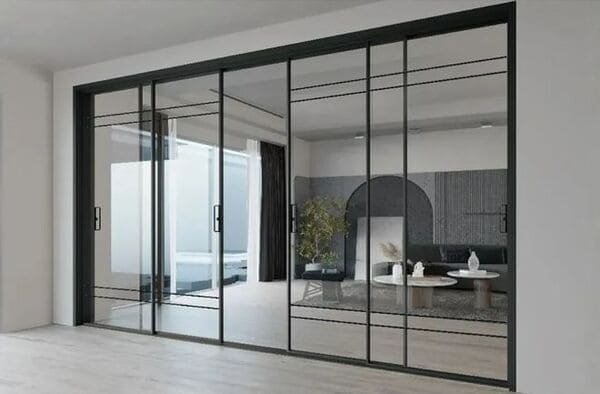
Sliding doors have become a hallmark of modern design, and for good reason. For years in my factory, we’ve seen the demand for high-quality sliding systems grow because they solve real-world problems for homeowners and builders. They aren’t just a trend; they’re a smart design choice that merges functionality with style. Let’s explore why they might be the perfect fit for your next project.
What is the main advantage of a sliding door?
Struggling with a cramped room layout? Swing doors eat up valuable floor space, making furniture placement a constant puzzle. Imagine reclaiming that space for better use.
The primary advantage of a sliding door is its exceptional space-saving design. Unlike hinged doors that require a wide arc to open, sliding doors glide parallel to the wall, maximizing usable space.
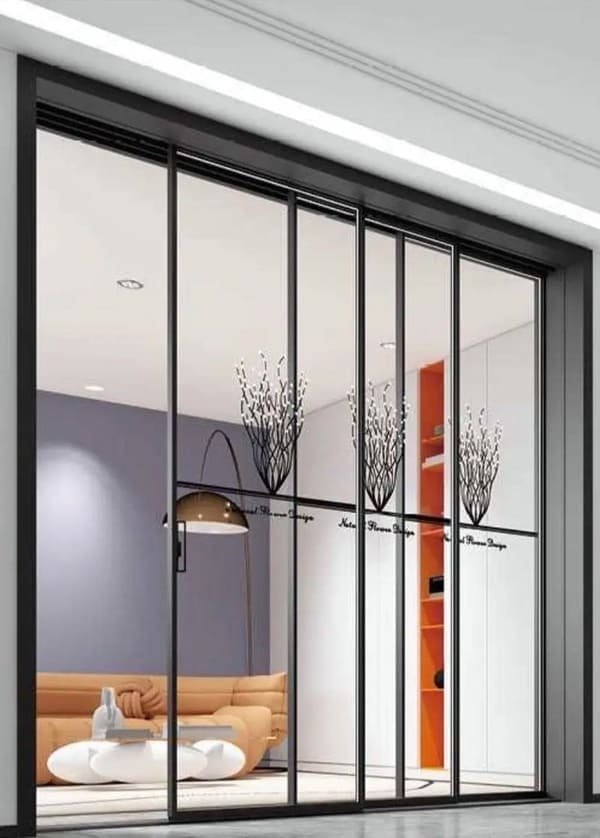
I’ve worked with countless construction contractors and furniture designers, and the feedback is always the same: space is a premium. The beauty of a sliding door lies in its efficiency. Instead of needing up to 10 square feet of clear floor area just for the door to swing open, a sliding door requires virtually none. This simple change can completely transform a room.
Maximizing Small Floor Plans
In compact areas like en-suite bathrooms, small bedrooms, or even wardrobe systems, every inch matters. A traditional door can make these spaces feel cluttered and awkward to navigate. A sliding door system eliminates this problem. This is why we see so many orders for our Wardrobe Sliding Wheels1 and Partition Room Systems from developers building modern apartments and homes. They can create more functional and appealing layouts without increasing the overall square footage.
The Power of Integration
Beyond just saving space, sliding doors integrate seamlessly into the design. Systems like pocket doors2 disappear entirely into the wall cavity, creating a completely unobstructed opening. This is perfect for joining two living areas or for a minimalist aesthetic where the door itself isn’t meant to be a focal point when open. It’s a clever solution that adds a touch of luxury and thoughtful design.
Which is better, sliding or normal doors?
Choosing the right door for a project can be tough. The wrong choice can disrupt a room’s flow and functionality, while the right one enhances it beautifully.
Neither is definitively "better"—it depends on the specific need. Sliding doors are superior for saving space and creating wide openings, while normal hinged doors often offer better soundproofing and are simpler to install.
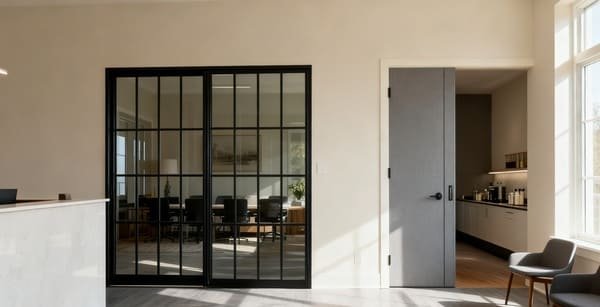
As a manufacturer of hardware for both types, I can tell you the decision always comes down to priorities. A purchasing manager for a luxury hotel might prioritize the grand, open feel of sliding doors for balcony access. In contrast, a contractor for a residential building might choose standard hinged doors for bedrooms due to their superior acoustic and thermal insulation.
–
Do sliding doors increase home value?
Wondering if a door upgrade is a good investment? You want to choose features that not only look good but also add tangible value for a potential buyer.
Yes, high-quality sliding doors, especially large glass ones that improve natural light and indoor-outdoor flow, can significantly increase a home’s perceived and actual market value by enhancing its luxury appeal.
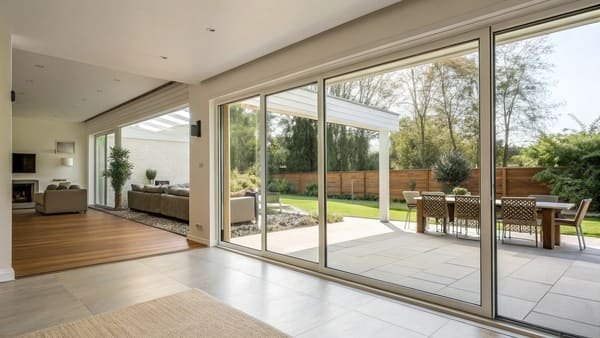
From my experience supplying hardware to high-end construction projects, sliding doors are often a key feature in marketing materials. They signal a modern, thoughtful, and luxurious design. When a potential buyer walks into a room flooded with natural light from a floor-to-ceiling sliding door, it creates an immediate "wow" factor that can make the property more memorable and desirable. This emotional impact often translates directly into a higher selling price.
The Appeal of Indoor-Outdoor Living
One of the biggest lifestyle trends in home design is the seamless connection between indoor and outdoor spaces. Large sliding glass doors3 are the primary enabler of this trend. They effectively remove a wall, making a patio, deck, or garden feel like a natural extension of the living room. This expanded living area is a huge selling point, especially in regions with pleasant climates. It’s not just a door; it’s a lifestyle upgrade.
Perceived Luxury and Modernity
A home with sleek, smoothly operating sliding doors feels more contemporary and well-built than one with standard, clunky doors. The investment in superior hardware, like the soft-close systems4 and heavy-duty rollers we produce at opensliding, pays off. It shows attention to detail and quality, which are things savvy buyers look for and are willing to pay a premium for. They elevate the home from "standard" to "custom-built" in the eyes of a buyer.
Are sliding doors a good idea?
Considering a sliding door but worried about drawbacks? It’s easy to be captivated by the look, but practical concerns about security and durability are valid and important.
Yes, sliding doors are an excellent idea, provided you choose high-quality systems. Modern sliding doors offer great security, durability, and energy efficiency, overcoming the limitations of older models.
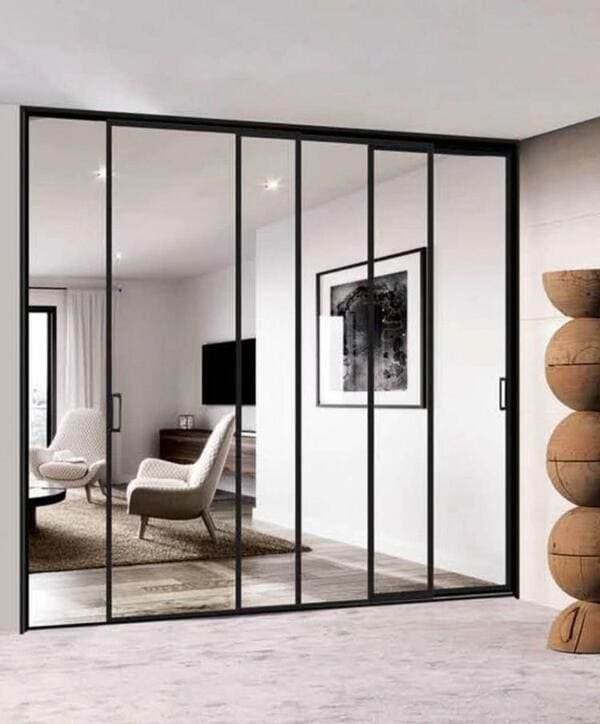
I often talk to distributors who remember the flimsy, rattling sliding doors of the past. The industry has changed dramatically. Today’s technology has addressed those old problems head-on. As a manufacturer, our focus is on producing robust systems that our B2B clients can sell with confidence. Modern sliding doors are not just about aesthetics; they are engineered for performance.
Modern Security Features
Concerns about security are common, but outdated. High-quality sliding doors now come with advanced locking mechanisms.
- Multi-point locking systems5: These secure the door at several points along the frame, not just at the handle, making it much harder to pry open.
- Guardian locks and kick locks: These are secondary locks installed at the top or bottom of the door for added peace of mind.
- Laminated or tempered glass: This glass is much tougher to break than standard glass, providing a strong barrier against forced entry.
Durability and Smooth Operation
A sliding door is only as good as its hardware. The key is in the rollers and the track. At my factory, we produce heavy-duty lifting wheels6 and soft-close mechanisms designed for large, heavy glass or wood panels. These high-performance components ensure the door glides effortlessly and silently for years. A well-made system using top-quality rollers, like our heavy lifting wheels, won’t stick, jam, or come off the track, making it a reliable and long-lasting choice.
What is the sliding door theory?
Ever felt like a different person at work versus at home? This feeling of shifting between roles and contexts is a common human experience that has a name.
The "sliding door theory" is a psychological concept, not a design principle. It describes how people adapt their behavior, personality, and communication style to fit different social situations, much like opening a door to a new room.
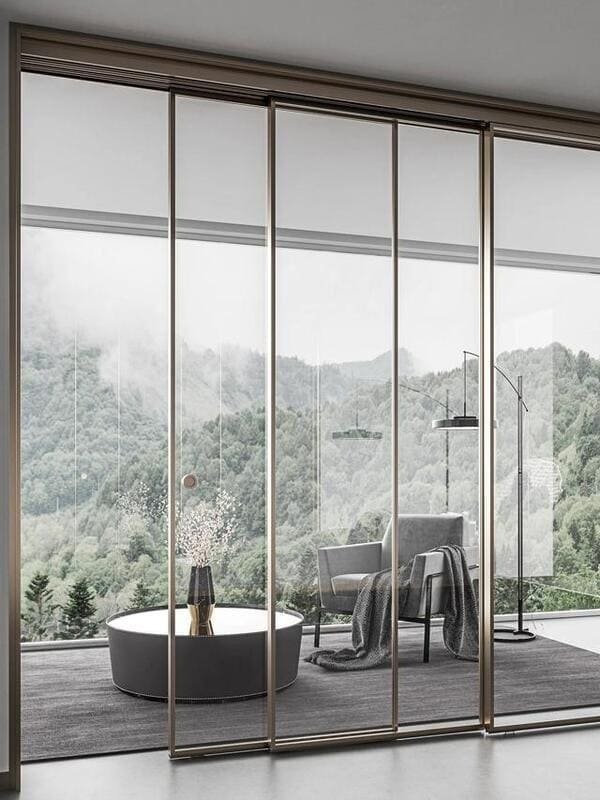
While my expertise is in the physical hardware of doors, this psychological metaphor is fascinating because it captures the transitional nature of a doorway. Just as a physical sliding door can reveal a completely new space—transforming a cozy living room into an open garden patio—the "sliding door" in our minds allows us to transition between different aspects of ourselves.
Context is Everything
Think about a purchasing manager like Jacky from Canada, one of my typical clients. At work, negotiating with a supplier like me in China, he is analytical, price-sensitive, and focused on technical specifications. He is in his "professional" room. When he goes home, he steps through a metaphorical sliding door and enters his "family" room, where he might be more relaxed, emotional, and playful with his children. The theory suggests we all have these different "rooms" inside us.
How It Applies to Life and Work
- Work-Life Balance7: The theory highlights the importance of creating clear boundaries (or "doors") between our professional and personal lives to avoid burnout.
- Social Adaptation: It explains our ability to get along with diverse groups of people by adjusting our approach in different settings—from a formal business meeting to a casual barbecue with friends.
- Personal Growth8: Recognizing our different "rooms" can help us understand ourselves better and consciously decide which traits to bring into different situations.
It’s an interesting way to think about how we navigate the different worlds we live in each day.
Conclusion
Sliding doors offer a powerful combination of style, space-saving, and value. By choosing quality hardware, they become a smart, durable, and beautiful upgrade for nearly any modern building project.
Explore how Wardrobe Sliding Wheels can optimize your space and enhance functionality in compact areas. ↩
Learn about pocket doors and discover how they can transform your living space with their innovative design. ↩
Explore the advantages of sliding glass doors to enhance your home’s aesthetic and functionality. ↩
Learn how soft-close systems can elevate your door experience with smooth and quiet operation. ↩
Explore this link to understand how multi-point locking systems enhance security and provide peace of mind for homeowners. ↩
Discover the advantages of heavy-duty lifting wheels for sliding doors, ensuring smooth operation and longevity. ↩
Explore this link to discover practical tips and insights on maintaining a healthy work-life balance, essential for personal and professional success. ↩
This resource offers valuable techniques for fostering personal growth by enhancing self-awareness, crucial for navigating life’s challenges. ↩