
Struggling with a dated or cramped interior? Old-fashioned doors can close off a room and limit your design options. A simple change can make a huge impact.
The top six sliding door design ideas include pocket doors, barn doors, frameless glass, stacker doors, industrial-style doors, and custom slatted designs. These options save space, increase natural light, and add a modern touch to any residential or commercial project.
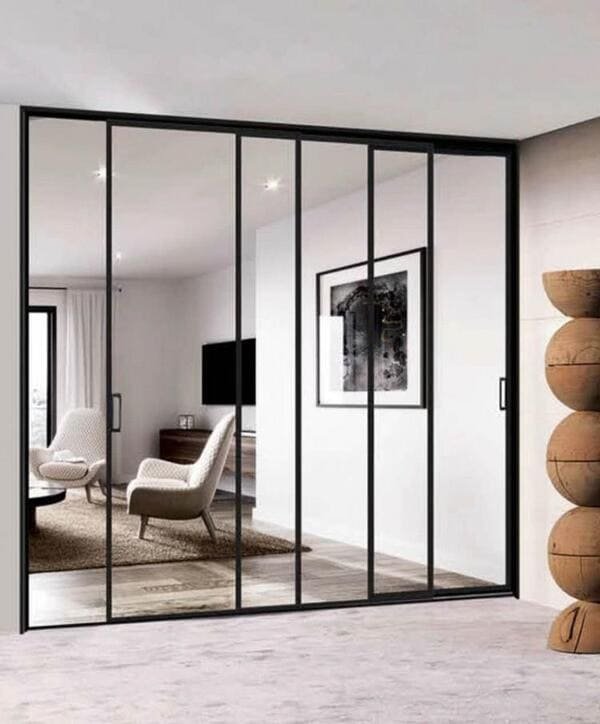
In my years of manufacturing door hardware, I’ve seen how the right door can completely change a space. The trend is clear: customers want bigger, more open, and more functional layouts. The sliding door industry is even set to grow by four percent because of this demand. As a hardware supplier, I work with contractors and designers every day to bring these ideas to life. Let’s explore these designs and other key trends you need to know for your next project.
What is the most popular interior door style in 2026?
Wondering what styles your customers will demand next year? Staying ahead of trends is crucial for staying competitive. You don’t want to get stuck with last season’s inventory.
For 2026, minimalist and biophilic sliding doors will be the most popular styles. Think large, frameless glass panels or doors with natural wood finishes. The goal is to maximize light and create an open, seamless flow between spaces.
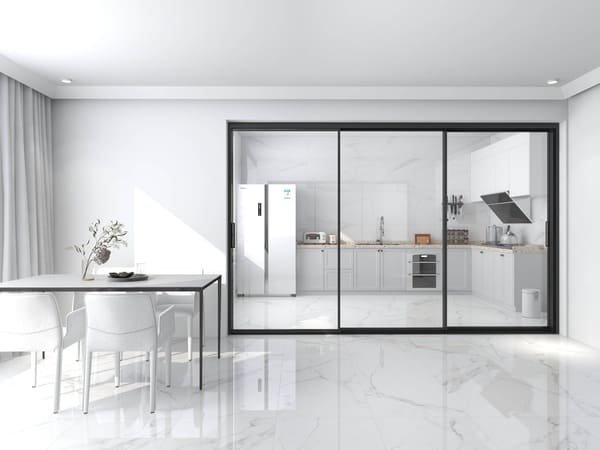
The demand for these styles comes from a desire for flexible and airy living environments. As a manufacturer, I see a huge increase in orders for hardware that supports these looks. Customers are moving away from traditional hinged doors that take up valuable floor space. They want solutions that are both beautiful and practical. This shift is not just about aesthetics; it’s about creating smarter, more efficient spaces. For your business, this means stocking hardware for frameless glass systems and sleek, top-hung wooden doors.
Minimalist1 vs. Natural Design
Both styles are popular, but they suit different project needs. Understanding the difference helps you guide your clients better.
- Minimalist1: This style is all about clean lines and hidden hardware. Frameless glass or solid-colored doors are key. The goal is to make the door blend into the wall when closed. Our concealed track systems are perfect for achieving this look.
- Natural/Biophilic2: This style brings the outdoors in. It uses materials like light woods, bamboo, or even doors with plant-based resin panels. The hardware is often visible but simple, like a matte black or brushed nickel finish.
Here’s a quick comparison to help you choose:
| Feature | Minimalist1 Style | Natural/Biophilic2 Style |
|---|---|---|
| Main Goal | Uncluttered, seamless look | Warm, organic, and calming feel |
| Materials | Glass, solid colors, metal | Wood, bamboo, natural textures |
| Hardware | Hidden or very discreet | Simple, visible, often matte finish |
| Best For | Modern apartments, offices | Homes, spas, creative studios |
What is a magic sliding door?
Have you heard clients ask for ‘magic’ sliding doors? The name sounds impressive, but what is it really? It’s a specific design technique that creates a high-end, stunning effect.
A magic sliding door is a system where the track and rollers are completely hidden from view. The door panel seems to float or glide along the wall without any visible support, creating a clean, modern, and almost magical appearance.
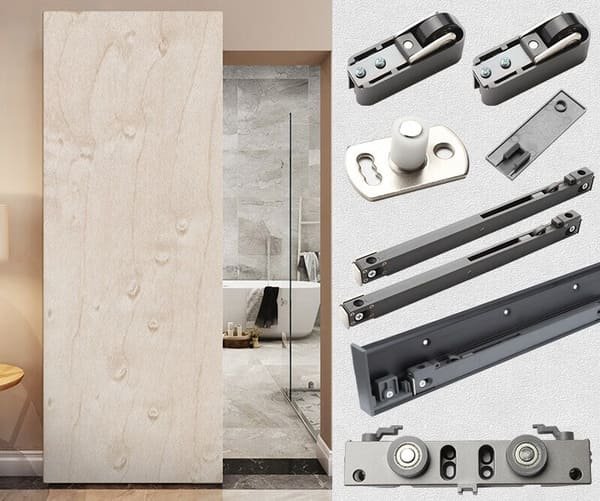
This is one of my favorite systems because the engineering is so clever. We manufacture the specialized hardware that makes this illusion possible. The track is recessed into the ceiling or hidden behind a soffit, and the rollers are attached to the top of the door in a way that conceals them completely. From the front, all you see is the door. It’s an amazing way to impress clients who are looking for that "wow" factor. This style is perfect for luxury homes, high-end offices, and any project that needs a touch of modern sophistication.
How Magic Systems Work
The secret is in the hardware and the installation. It requires more planning than a standard barn door, but the result is worth it.
- Concealed Track3: The main track is installed either recessed into the ceiling for a floor-to-ceiling door or hidden behind the wall’s drywall. This is the most important step for hiding the main component.
- Specialized Rollers4: The rollers are not the typical J-shaped hangers you see on barn doors. Instead, they are low-profile mechanisms that attach to the top edge of the door, fitting inside the concealed track.
- No Floor Guide (Optional): Many of these systems use a small, discreet pin or a channel cut into the bottom of the door to keep it stable. This avoids a visible track on the floor, completing the ‘floating’ look.
This system works best with solid core doors that are perfectly straight to ensure a smooth glide. It’s a premium option, and having the right hardware is essential for a flawless installation.
What is the sliding door theory?
You might hear designers talk about the ‘sliding door theory’. This isn’t about hardware or styles. It’s a concept from psychology and storytelling that has a real-world application in how we think about our choices.
The sliding door theory suggests that small, seemingly insignificant moments can split our life into different paths. It’s the idea that opening one door (making one choice) means another door slides shut, leading to a completely different outcome.
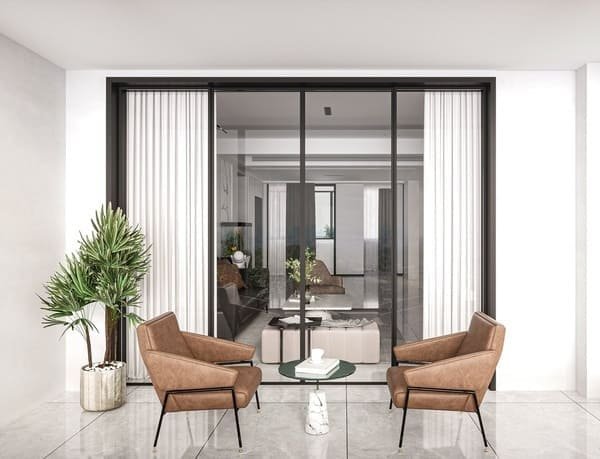
I find this idea fascinating because it applies directly to my business and my customers’ businesses. For a purchasing manager like Jacky, choosing a supplier is a ‘sliding door’ moment. Choosing a supplier with inconsistent quality can lead to project delays, angry clients, and lost profits. But choosing a reliable partner like us opens the door to smoother projects, better products, and business growth. Every choice, from the type of roller to the finish on a handle, has a ripple effect. It reminds me that providing top-quality, dependable hardware isn’t just a transaction; it’s helping my clients open the right doors for their success.
Applying the Theory to Business Decisions
Think about the last time you had to make a big purchasing decision. You were at a ‘sliding door’ moment. Here’s how this concept plays out in the world of B2B hardware procurement:
- Path A: The Low-Cost Door5: You choose a supplier based purely on the lowest price. Initially, it seems like a great deal. But this path can lead to hardware failures, product returns, and damage to your company’s reputation. The door of short-term savings closes the door on long-term reliability.
- Path B: The Value Door6: You choose a supplier who offers a balance of quality, service, and fair pricing. This path leads to durable products, happy end-users, and a strong partnership. You build a reputation for quality, which opens doors to more and better projects in the future.
Your decision as a buyer literally determines which future becomes reality for your company. That’s why we focus on being the ‘Value Door2‘ for all our partners.
What are some cool secret door ideas?
Everyone loves the idea of a secret room. It adds a sense of mystery and fun to any space. And the best way to hide a room is with a cleverly disguised door.
Cool secret door ideas include making the door look like a bookshelf, a full-length mirror, or a paneled wall section. By using specialized concealed hinges or sliding systems, the door blends perfectly into its surroundings until it’s opened.
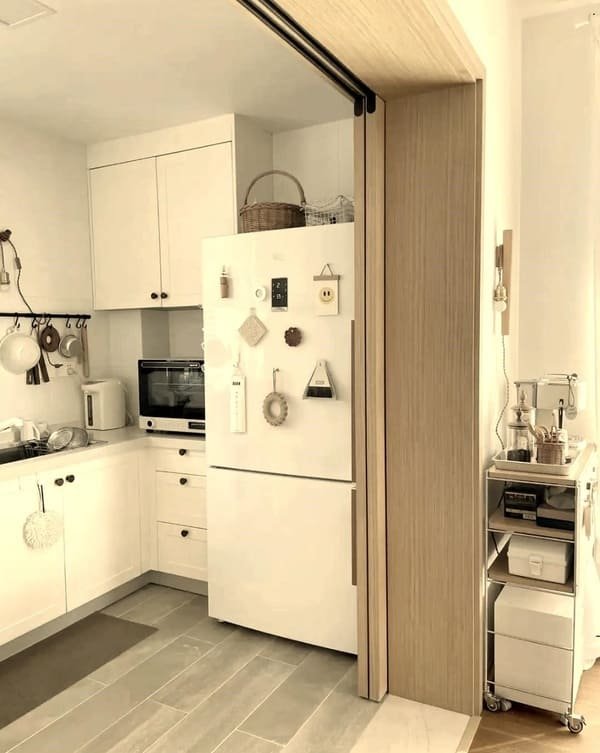
Creating a secret door is all about illusion. The key is to make it look like anything but a door. I’ve worked on projects where our sliding hardware was used to create a moving wall panel or a sliding mirror that revealed a walk-in closet. The hardware has to be strong enough to carry the weight of a bookshelf full of books, but also smooth and quiet enough to maintain the secret. Using a high-quality, top-hung sliding system is often better than hinges, as it can support more weight and doesn’t require a visible door frame or gaps.
Popular Types of Secret Doors
The only limit is your imagination, but here are a few popular concepts that clients often ask for. Each requires a different hardware approach.
| Secret Door Type | How It Works | Best Hardware |
|---|---|---|
| Bookshelf Door7 | The entire bookcase pivots or slides to reveal the opening. It needs to support a lot of weight. | Heavy-duty pivot hinges or a top-hung sliding system designed for heavy panels. |
| Mirror Door8 | A full-length mirror, which makes a room feel larger, slides to the side. | A lightweight, top-hung sliding door system. A ‘magic’ system is perfect for a seamless look. |
| Wall Panel Door | A section of a wainscoted or paneled wall is the door. It pushes open or slides. | Concealed "Soss" hinges for a push-to-open effect, or a top-hung sliding track for a sliding panel. |
| Fireplace Door | A false fireplace mantel slides or pivots. This is a very classic, dramatic secret entrance. | A custom combination of heavy-duty sliding and pivot hardware, depending on the design. |
These projects are complex, but with the right planning and hardware, you can create a truly unforgettable feature for your client.
Conclusion
Choosing the right sliding door comes down to balancing style, function, and quality. From minimalist magic doors to rustic barn doors, the hardware you choose is the key to success.
Explore this link to understand the essential elements of Minimalist design and how to implement them effectively. ↩ ↩ ↩
Discover how Natural/Biophilic design can transform your space by incorporating nature, promoting well-being and tranquility. ↩ ↩ ↩
Explore this link to understand how concealed tracks enhance aesthetics and functionality in door systems. ↩
Learn about specialized rollers and how they improve the performance of sliding door systems. ↩
Understanding the risks associated with low-cost suppliers can help you make informed decisions that protect your business’s reputation. ↩
Exploring the Value Door approach can reveal strategies for building strong partnerships and ensuring long-term success in procurement. ↩
Explore this link to discover the best hardware solutions for creating a functional and stylish Bookshelf Door. ↩
Learn more about the mechanics and hardware options for Mirror Doors to enhance your space effectively. ↩